
What Is Zero-Waste Yoga Gear? A Practitioner's Guide
Zero-waste yoga gear is defined as yoga mats, apparel, and accessories made from natural, biodegradable, and non-toxic materials that eliminate single-use plastics and toxic chemicals from your practice. The term “sustainable yoga equipment” is the recognized industry standard, but “zero-waste yoga gear” captures the full scope: nothing disposable, nothing synthetic, nothing that outlives its usefulness in a landfill. Materials like natural rubber, cork, organic cotton, hemp, and jute form the foundation of this category. Certifications like OEKO-TEX and GOTS (Global Organic Textile Standard) verify that these materials meet strict chemical safety and environmental standards. Choosing this gear protects both your body and the planet from the compounding harms of conventional synthetic yoga products.
What is zero-waste yoga gear made from?
Natural rubber is the most common base material in zero-waste yoga mats. It comes from rubber tree sap, biodegrades under the right conditions, and provides the grip and cushion practitioners need without synthetic additives. The natural rubber benefits for yoga practice are well documented, including superior traction and durability compared to PVC alternatives.
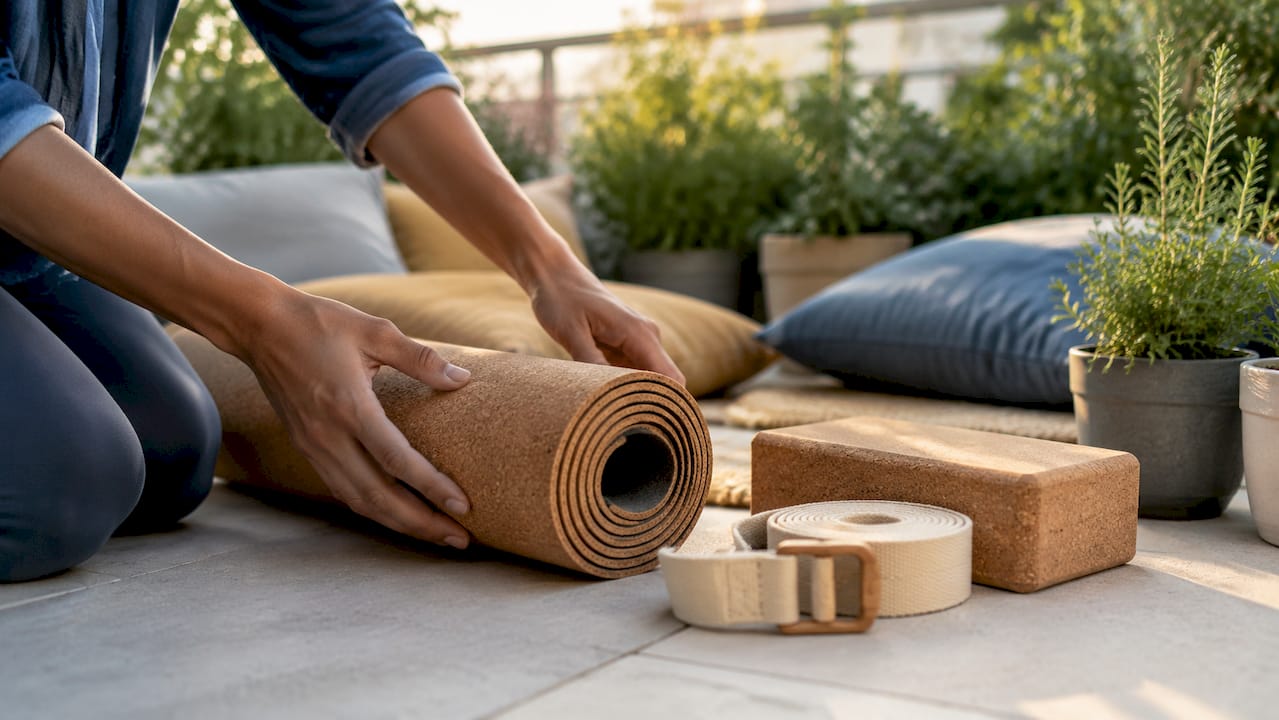
Cork is the second major material worth knowing. Cork mats sourced sustainably are renewable, antimicrobial, and compostable within 2–3 years under industrial or home composting conditions. Cork’s antimicrobial surface means no plastic coatings are needed to keep it hygienic, which matters for practitioners who sweat heavily.
Organic cotton, hemp, and jute round out the material list for apparel and accessories. Yoga wear made from polyester retains odor and traps heat, requiring more frequent washing and replacement. Natural fibers like hemp and organic cotton breathe better, last longer, and shed no microplastics into waterways when washed.
Pro Tip: Look for the GOTS or OEKO-TEX Standard 100 label on any yoga apparel or mat before buying. These certifications confirm that no harmful dyes, bleaches, or chemical finishes were used in production.
The contrast with conventional materials is stark. PVC, TPE (thermoplastic elastomer), and polyurethane are the standard materials in budget and mid-range yoga mats. These synthetic materials fragment into microplastics and persist in the environment for centuries. They do not biodegrade. They break apart into smaller and smaller particles that enter soil, water, and eventually human tissue.
| Material | Biodegradable? | Key Benefit |
|---|---|---|
| Natural rubber | Yes, with industrial composting | Grip, cushion, durability |
| Cork | Yes, 2–3 years | Antimicrobial, renewable |
| Organic cotton | Yes | Breathable, soft, washable |
| Hemp | Yes | Durable, low water use in farming |
| PVC | No | Cheap to produce, harmful long-term |
How does zero-waste yoga gear benefit your health and the environment?
PVC yoga mats commonly contain phthalates and volatile organic compounds (VOCs) that off-gas during use and absorb through skin contact. This is not a minor concern. Yoga practitioners spend extended time with their face close to the mat surface, inhaling whatever the material releases. Phthalates are endocrine disruptors, meaning they interfere with hormone function at low exposure levels.
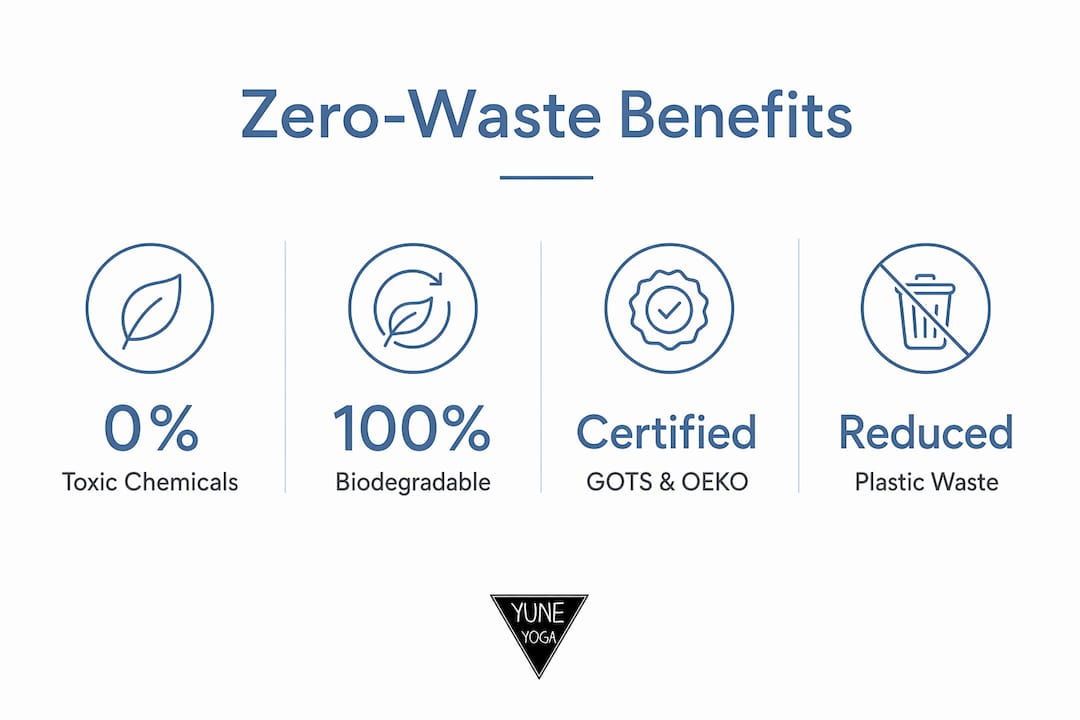
Switching to natural materials removes that chemical exposure entirely. Avoiding PVC and synthetic foams is recommended not only for environmental reasons but because these materials release harmful chemical plasticizers during skin contact and breathing proximity. For practitioners with sensitivities, allergies, or autoimmune conditions, this switch is not optional. It is the baseline.
The environmental case is equally direct. Microplastic pollution from synthetic yoga gear is a growing concern, both for ecosystems and for human health, as absorbed microplastics have been detected in human bloodstreams and tissues. Every synthetic mat that wears down sheds particles. Every polyester yoga towel washed in a machine releases fibers into wastewater.
“Shifting to organic, natural yoga materials aligns practice with traditional yogic philosophy emphasizing connection to earth and self, often reported to deepen meditation and mindfulness.” — Plastic-free yoga practice
Practitioners also report a qualitative difference in their practice. Using natural, zero-waste materials instead of synthetic plastic ones enhances the sense of grounding and energetic connection during practice. Whether you approach this from a scientific or philosophical angle, the outcome is the same: natural materials feel different underfoot and in hand.
What are practical zero-waste yoga practice tips?
Transitioning to a zero-waste practice does not require replacing everything at once. Start with the items you use most and replace them as they wear out. That approach avoids the irony of throwing away functional gear to buy “eco” replacements.
- Replace your water bottle. Swap single-use plastic bottles for a stainless steel or glass bottle. This is the fastest, cheapest change with the highest daily impact.
- Switch your yoga towel. Synthetic microfiber towels shed plastic fibers with every wash. Bamboo or organic cotton towels absorb moisture equally well and biodegrade at end of life.
- Make your own mat cleaner. DIY cleaning solutions using water, vinegar, and essential oils replace commercial plastic spray bottles entirely. A simple mix of water, white vinegar, and a few drops of tea tree oil cleans and deodorizes natural rubber and cork mats without damaging them.
- Choose multi-use gear. A natural rubber mat that doubles as a travel mat, or a cotton strap that also works as a carry sling, reduces the total number of items you need to own.
- Extend gear life through proper care. Maintaining yoga gear with natural cleaners and extending its usable lifespan is often more sustainable than frequently replacing it with new “eco” products, due to the environmental costs embedded in manufacturing.
Pro Tip: When evaluating a new mat or accessory, check whether the brand publishes its full material list and third-party certification numbers. Brands that hide this information are the ones most likely to be greenwashing.
Spotting greenwashing takes practice. Look for vague terms like “earth-friendly” or “green” without any certification backing. Many so-called eco-friendly mats are greenwashed by combining natural surfaces with synthetic base layers and chemical vulcanization additives. A mat with a cork top layer bonded to a TPE foam base is not a zero-waste product. The base layer will not biodegrade.
What do you need to know about biodegradability and its limits?
Biodegradability is the most misunderstood concept in sustainable yoga gear. True biodegradability depends on both material composition and composting environment. A natural rubber mat will not decompose in a landfill in any meaningful timeframe. Landfills lack the oxygen, moisture, and microbial activity needed for breakdown.
Industrial composting at around 60°C is often required for natural rubber to break down within 1–5 years. Home composting is less effective and far slower. This does not make natural rubber a bad choice. It makes durability the more important variable. A mat that lasts 10 years and then composts industrially is far better than a PVC mat that lasts 3 years and sits in a landfill for 500.
Additives complicate the picture further. Vulcanization chemicals used to strengthen natural rubber can slow its decomposition significantly. Some manufacturers add synthetic stabilizers to extend shelf life, which undermines the biodegradability claim entirely.
| Scenario | Breakdown timeline | Composting type needed |
|---|---|---|
| Natural rubber mat | 1–5 years | Industrial composting |
| Cork mat | 2–3 years | Industrial or home composting |
| Organic cotton towel | 1–5 months | Home composting |
| PVC mat | 500+ years | Does not biodegrade |
| TPE mat | Decades | Does not fully biodegrade |
The practical takeaway is this: durability is the most sustainable feature a piece of yoga gear can have. The best zero-waste strategy is maintaining existing gear longer and choosing multi-use items, since manufacturing natural mats still incurs environmental costs. Buying less, caring for what you own, and composting correctly at end of life is the actual zero-waste cycle.
Key takeaways
Zero-waste yoga gear is defined by natural, biodegradable materials and verified certifications, and its true sustainability depends on durability, proper care, and responsible end-of-life disposal.
| Point | Details |
|---|---|
| Material matters most | Choose natural rubber, cork, organic cotton, or hemp over PVC, TPE, or polyester. |
| Certifications verify claims | Look for GOTS or OEKO-TEX Standard 100 labels to confirm chemical safety and sustainability. |
| Biodegradability has conditions | Most natural mats require industrial composting to break down. Durability is the better metric. |
| Greenwashing is widespread | A cork top on a synthetic base is not zero-waste. Demand full material disclosure. |
| Longevity beats replacement | Caring for existing gear with natural cleaners is more sustainable than frequent eco-purchases. |
Why switching to natural gear changed how I practice
When I made the switch to a natural rubber mat three years ago, I expected to notice the environmental difference. I did not expect to notice a difference in my practice itself. The grip was better. The mat felt warmer underfoot. There was no chemical smell during hot sessions, which I had normalized with my old PVC mat without realizing it.
The harder lesson was learning to read product claims critically. I bought two mats before finding one that was genuinely free of synthetic layers. The first had a jute surface bonded to a foam base. The second had a “natural rubber” label but no certification to back it up. The third, a fully certified natural rubber mat from Yuneyoga, was the one that held up.
Maintenance took adjustment too. Natural rubber requires more careful cleaning than synthetic mats. Harsh soaps degrade the surface. Direct sunlight causes cracking. A simple vinegar and water spray, applied after each session and air-dried in shade, keeps the mat in good condition. That routine took about two weeks to build into a habit.
My honest advice: do not let perfect be the enemy of good. You do not need to replace every item at once. Start with your mat and your water bottle. Learn what certifications to look for on the yoga practice surface you choose. Then build from there. The goal is a practice that aligns with the values yoga is supposed to represent, not a shopping list.
— Nicholas
Sustainable yoga gear worth practicing with
Yuneyoga carries a curated selection of eco-friendly yoga essentials built around the materials and standards covered in this article. Every mat in the collection uses natural rubber or cork, and the accessories are made from organic cotton and other certified natural fibers.

Whether you are replacing a worn-out PVC mat or building a zero-waste kit from scratch, Yuneyoga’s product range covers the full setup: mats, towels, straps, and travel-ready options. The yoga retreat packing guide on the Yuneyoga blog also walks through how to select and pack sustainable gear for travel without compromising your practice. Every product listed includes full material details so you can verify what you are buying before you commit.
FAQ
What is zero-waste yoga gear, exactly?
Zero-waste yoga gear refers to mats, apparel, and accessories made from natural, biodegradable materials like natural rubber, cork, and organic cotton, designed to eliminate synthetic plastics and single-use items from your practice.
Is natural rubber actually biodegradable?
Natural rubber is biodegradable, but it typically requires industrial composting conditions at around 60°C to break down within 1–5 years. It will not decompose meaningfully in a standard landfill.
How do I spot greenwashing in yoga gear?
Look for third-party certifications like GOTS or OEKO-TEX Standard 100. Products labeled “eco-friendly” without certification numbers or full material disclosure are the most likely candidates for greenwashing.
What is microplastic-free yoga gear?
Microplastic-free yoga gear is made without synthetic materials like PVC, TPE, or polyester, which fragment into microplastics during use and washing. Natural rubber, cork, and organic cotton do not shed microplastic particles.
What is the single most sustainable thing I can do for my yoga practice?
Extend the life of your current gear. Replacing a functional mat with a new “eco” product still carries manufacturing costs. Clean your mat with natural solutions, store it properly, and replace it only when it is genuinely worn out.


