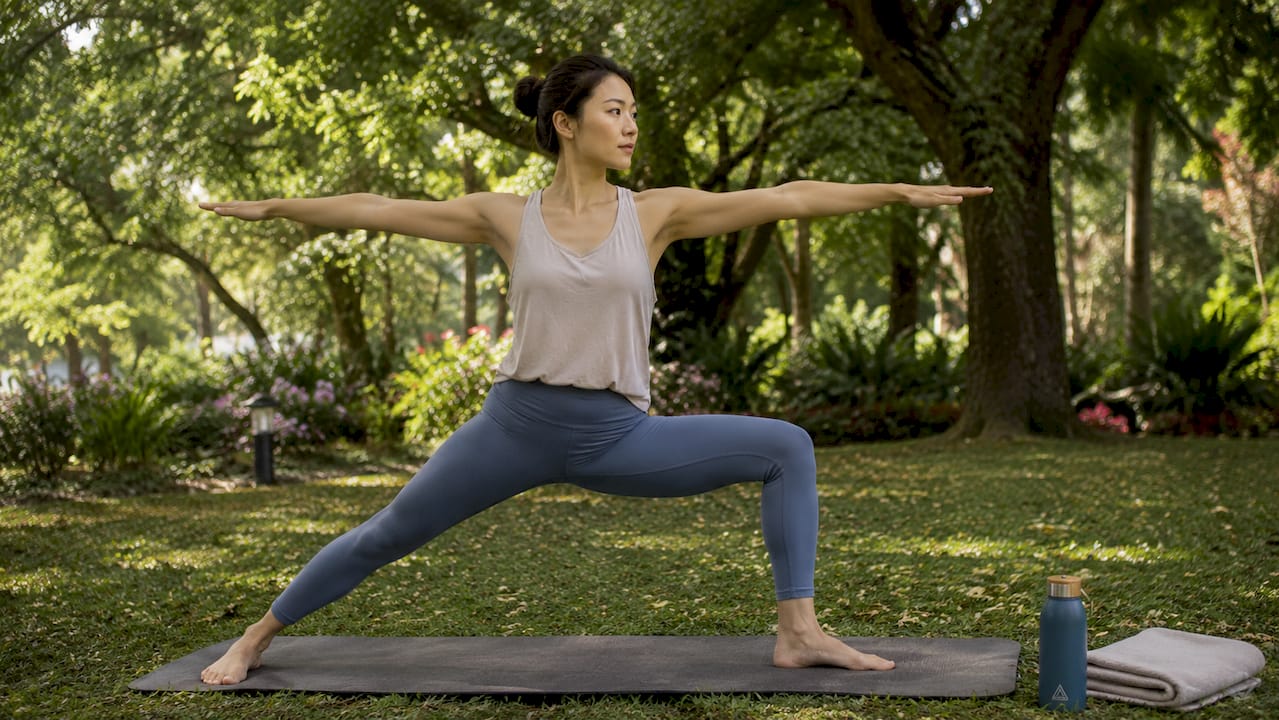
How to choose the best yoga pants for yoga
Key Takeaways
Choosing the right apparel is essential for staying focused on your practice rather than your outfit. These five points summarize the most important considerations for finding your perfect pair.
- Prioritize moisture-wicking fabrics to stay comfortable during intense heat.
- Select a rise that offers the security you need for movement.
- Ensure the inseam matches your height to prevent annoying bunching.
- Look for compression levels that support your specific practice style.
- Test performance claims like opacity before heading to a public class.
Understanding material types and fabric technology
Selecting the right material is the first step toward a distraction-free session. High-quality textiles ensure that your clothing works as hard as you do throughout your flow.
Benefits of moisture-wicking synthetic blends
Moisture-wicking fabrics are engineered to pull sweat away from your skin, moving it to the outer surface of the garment so it can evaporate quickly. This technology is vital for maintaining a consistent body temperature while keeping the fabric feeling light and breathable. When moisture stays trapped, it can cause friction or chafing, which is the last thing you want while holding a challenging pose.
Natural fibers versus performance synthetics
While cotton feels soft against the skin, it absorbs moisture and takes a long time to dry, making it less than ideal for most workouts. Synthetic materials like polyester and nylon are the standard because they offer superior moisture management and stretch. If you prefer a cotton-like feel, many brands now offer advanced blends that mimic that softness while maintaining the fast-drying characteristics of high-performance gear.
Breathability factors in hot yoga environments
Hot yoga demands gear that can handle extreme temperatures and heavy perspiration without clinging uncomfortably. Look for fabrics that prioritize airflow, often through specialized weaving techniques or lightweight fabric construction. In these high-intensity environments, breathability is a core feature that ensures you stay cool even when the temperature in the room rises significantly.
Finding the right fit and cut for your body type
Finding the right silhouette is key to gaining confidence in your practice. When you feel secure in your gear, you can move more freely and embrace every transition without worry.
High-waisted versus low-rise options
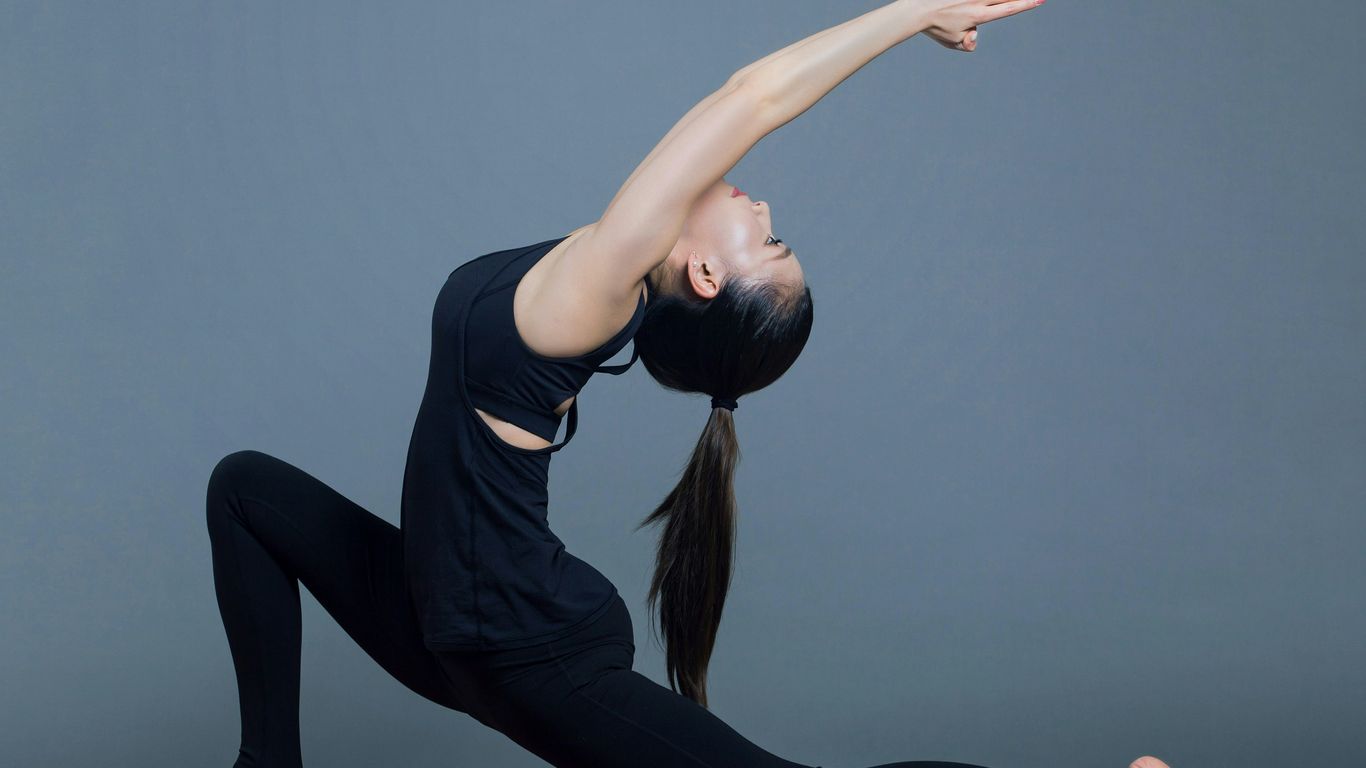
High-waisted styles are generally preferred because they provide extra coverage that stays in place during forward folds and inversions. Low-rise options work for those who prefer less pressure on the midsection, though they often require frequent adjustments during vigorous movement. Many people find that a higher rise provides a more flattering and secure fit regardless of their specific body shape.
Determining the optimal inseam length
Choosing the right inseam ensures your movement is unrestricted by dragging hems or material bunching. Whether you prefer full-length leggings or capris, checking the fit is essential. Below are typical considerations for common inseam lengths:
| Length Type | Best Practice | Ideal Use Case |
|---|---|---|
| Cropped | Above the ankle | High heat or summer sessions |
| Full Length | Hits the ankle | Cooler studios or versatile wear |
| 7/8 Length | Just above the ankle | Provides a sleek tailored look |
Selecting the right length means you won't be constantly tugging at your gear while trying to balance. This creates a much smoother experience overall.
Selecting between leggings and flared silhouettes
Leggings provide a streamlined, second-skin feel that is excellent for deep stretching and checking your own alignment in a mirror. On the other hand, flares can offer a stylish, relaxed transition from the yoga studio to other errands. Whether you choose Jala's collection of yoga pants or other styles, the important factor is how the material moves with your legs.
Considering the level of compression and support
Support is a personal preference that often depends on the urgency of your practice. Some practitioners favor the stability of extra-firm pressure, while others prefer something that feels softer and more flexible.
Why compression benefits intense movement
Compression gear can provide a sense of stability during high-intensity sequences, helping muscles feel supported and securely wrapped. This type of fit minimizes bouncing and ensures that the material doesn't shift unexpectedly. The following list highlights why many athletes prefer a supportive fit:
- It keeps the garment firmly in place during inversions.
- Secure fabric helps track muscle movement more clearly.
- Targeted pressure can reduce the feeling of fatigue.
- It prevents the fabric from getting caught during complex poses.
Choosing the right amount of hold is a balancing act between stability and total freedom of motion.
Choosing between light and extra-firm hold
Light hold is perfect for gentle flows or yin yoga where relaxation is the priority. Extra-firm hold is usually reserved for fast-paced power classes, as it provides a structured feeling that grips the body firmly. Beyond Yoga's collection offers a variety of fits that cater to those who prefer that buttery-soft, lighter touch while maintaining necessary coverage.
Avoiding discomfort from overly restrictive waistbands
An overly tight waistband can pinch or cause discomfort, distracting you during even the most meditative sessions. A well-designed pair should sit smoothly against the waist without digging in. Always look for waistbands that distribute pressure evenly, as these are much more comfortable during long periods of seated meditation or breathwork.
Evaluating design features for better performance
Thoughtful design makes a massive difference in how functional your clothing feels. Small details often separate average apparel from gear that truly enhances your time on the mat.
The utility of hidden inner waist pockets
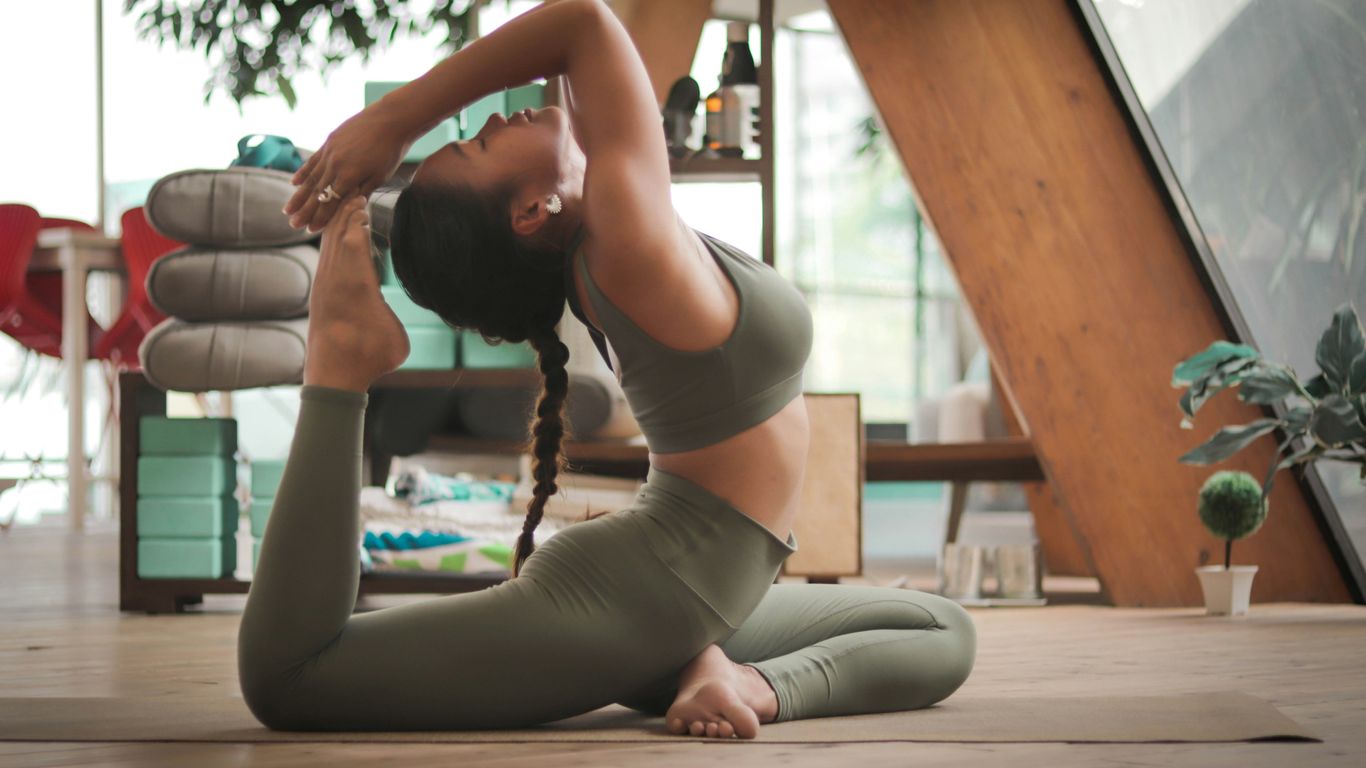
It is incredibly convenient to have a small, secure place for essentials like a key or a card. Hidden pockets are discreetly placed within the waistband, meaning they won't interfere with your flow or cause discomfort while you are lying down.
Seamless construction for reducing chafing
Seamless construction eliminates those annoying stitch lines that often irritate the skin during repetitive movements. By removing the points where fabric would normally rub against your body, you ensure that you stay comfortable from start to finish. If you need a professional look, Betabrand's DPYP™ Dress Pant Yoga Pants integrate this type of comfort with a tailored appearance.
The impact of gusseted crotches on flexibility
An added diamond-shaped piece of fabric, known as a gusset, allows for a greater range of motion in the hip area. Without a gusset, the fabric will often pull tight or restrict your movement during wide-legged postures. This simple feature significantly improves the longevity of your gear by reducing stress on the inseam stitches.
Checking for opacity and durability during practice
Your confidence relies on knowing your gear will hold up in every situation. Checking for opacity ensures that you can move through any posture without worrying about transparency.
The squat test for fabric transparency
Performing a simple squat in front of a mirror is the most reliable way to check if your fabric is opaque enough for all positions. If you see through the material while it is stretched, it is likely to remain transparent during other poses as well. It is a simple but important step to take before committing to a new pair.
Identifying double-layer fabric reinforcements
Certain areas, like the seat and inner thighs, encounter more friction than others. High-quality designs often include secondary layers of fabric in these high-stress zones to prevent quick degradation and ensure complete coverage. This reinforcement can greatly extend the lifespan of your favorite pieces.
Assessing seam strength for longevity
Strong, flat-lock seams are typically more durable than standard seams because they lay flat and resist pulling. Before purchasing, verify that the stitching looks tight and consistent, as high-quality construction is a sign of a garment designed to endure regular washing and heavy use.
Essential care and maintenance for yoga apparel
Proper care is the secret to making your gear last for years. By treating your apparel with care, you help it maintain its elasticity, compression, and shape long after you buy it.
Best practices for machine washing delicate fabrics
Turn your gear inside out before washing to protect the outer fabric surface from abrasion. Use a gentle cycle with cold water and avoid overcrowding the machine, as this can cause heavy items to pull on your delicate activewear items.
Why avoiding fabric softeners is critical
Fabric softeners leave a residue on synthetic fibers that clogs the moisture-wicking pores. This residue ruins the technical performance of your gear, making it less effective at moving sweat. Always use a standard detergent and skip the softening agents entirely to protect the fabric's specialized properties.
Proper drying methods to preserve elasticity
High heat from a dryer is the fastest way to break down the elastane (spandex) fibers in your clothing. Air drying in a cool, shaded area is the most effective way to maintain the stretch and compression of your apparel. If you must use a dryer, choose the lowest heat setting and remove the items while they are still slightly damp.
Conclusion
Choosing the best yoga pants for yoga comes down to balancing high-quality fabric technology with a fit that makes you feel confident and secure. By paying attention to details like compression, seam construction, and proper care, you ensure that your gear supports your practice rather than hindering it. Focus on what feels best for your body, and you will find the right pair to see you through every session.
Frequently Asked Questions
How do I stop my yoga pants from sliding down?
Look for styles with a high waistband and reinforced compression that sits securely at your natural waist. Often, choosing the correct size is the most important factor, as gear that is too large will move around more easily during movement.
Should I size up or down in leggings?
It is generally best to stick to your true size, as synthetic fabrics are designed to stretch and compress. If a pair is too large, it will sag; if it is too small, it may cause the fabric to stretch too thin, affecting opacity.
Is it okay to machine dry activewear?
It is generally recommended to air dry activewear because heat is the primary cause of fiber breakdown in athletic garments. If you choose to machine dry, always use low heat and remove pieces quickly to minimize exposure.
Why do my yoga pants get pilling between the thighs?
Friction caused by repetitive movement is the most common cause of pilling in delicate synthetic materials. While some materials are more prone to this than others, avoiding abrasive surfaces and following proper care instructions can help reduce this wear over time.
What is the advantage of seamless construction?
Seamless designs are created to move as a single piece of fabric, which reduces the number of stitching joints that can cause irritation or chafing. This makes them feel smoother and often more comfortable during skin-to-fabric contact.
How often should I wash my yoga gear?
It is best to wash your gear after every high-intensity practice to remove lingering perspiration, which can break down fibers. If your practice is light and you don't sweat much, you can occasionally get away with wearing them through two sessions.
Can I wear flared leggings for intense workouts?
Yes, you can absolutely wear them, provided the material has the right compression and support you need. The main consideration is ensuring that the extra fabric at the hem does not get in your way during fast transitions or inversions.