What Is Dynamic Yoga Practice: A 2026 Guide
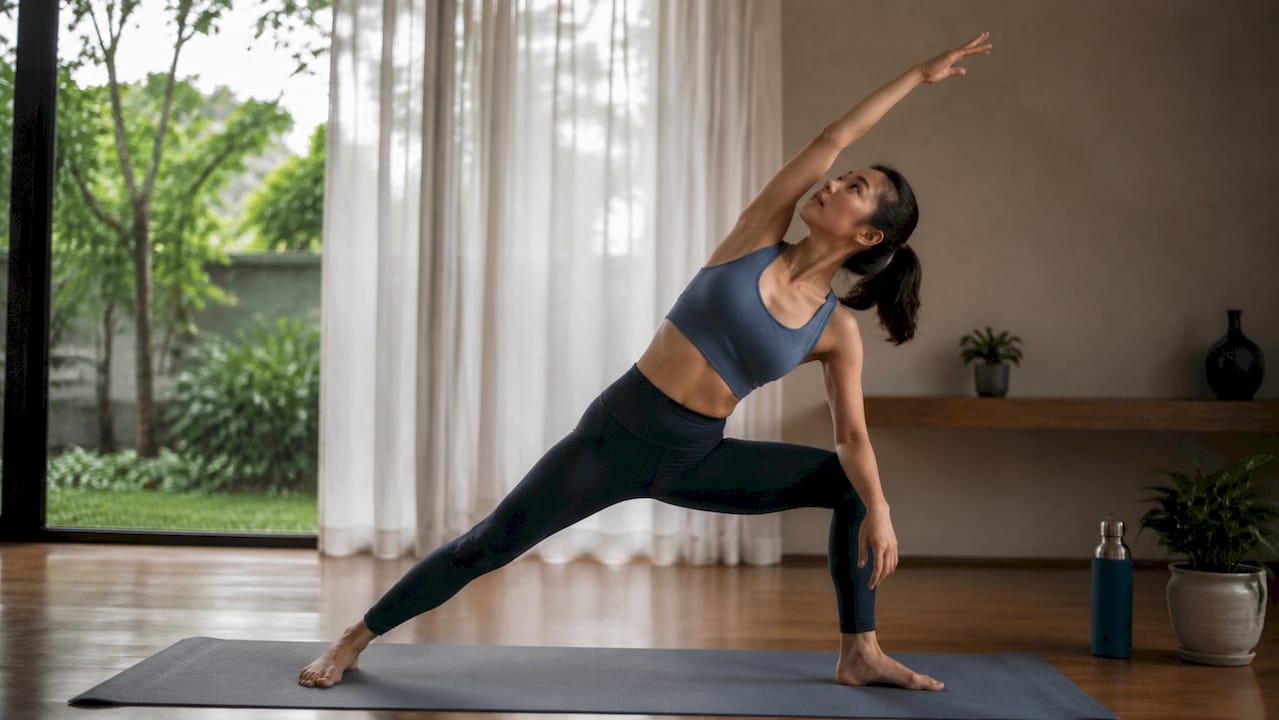
Dynamic yoga practice is defined as a breath-synchronized, fluid style of yoga that prioritizes continuous movement over static holds. Unlike traditional poses held for extended counts, dynamic yoga links each transition to a single breath, creating a moving meditation that builds strength, flexibility, and mindfulness at the same time. You may also hear it called flow yoga or vinyasa, which are the recognized industry terms for this approach. The practice sits at the active end of the yoga spectrum, making it the natural counterpart to restorative styles like yin yoga. Whether you are brand new to the mat or returning after a break, understanding what this style involves helps you choose it with confidence.
What does dynamic yoga involve: techniques and class structure
Dynamic yoga integrates strength, flexibility, balance, and mindfulness through continuous transitions rather than isolated poses. The defining feature is breath synchronization: every movement is paired with either an inhale or an exhale, so the breath sets the pace rather than a clock or an instructor’s count. That single principle separates dynamic yoga from gym-based fitness flows where breathing is an afterthought.
A typical class runs 60–90 minutes and moves through four clear phases:
- Warm-up: Gentle mobilization of the spine, hips, and shoulders to prepare joints for movement.
- Flowing sequences: Linked postures like Sun Salutations, Warrior flows, and balance transitions performed with one breath per movement.
- Breathwork: Dedicated pranayama techniques, often kapalabhati or ujjayi breathing, to regulate energy.
- Meditation and relaxation: A closing period of stillness, usually ending in Savasana, to integrate the session’s work.
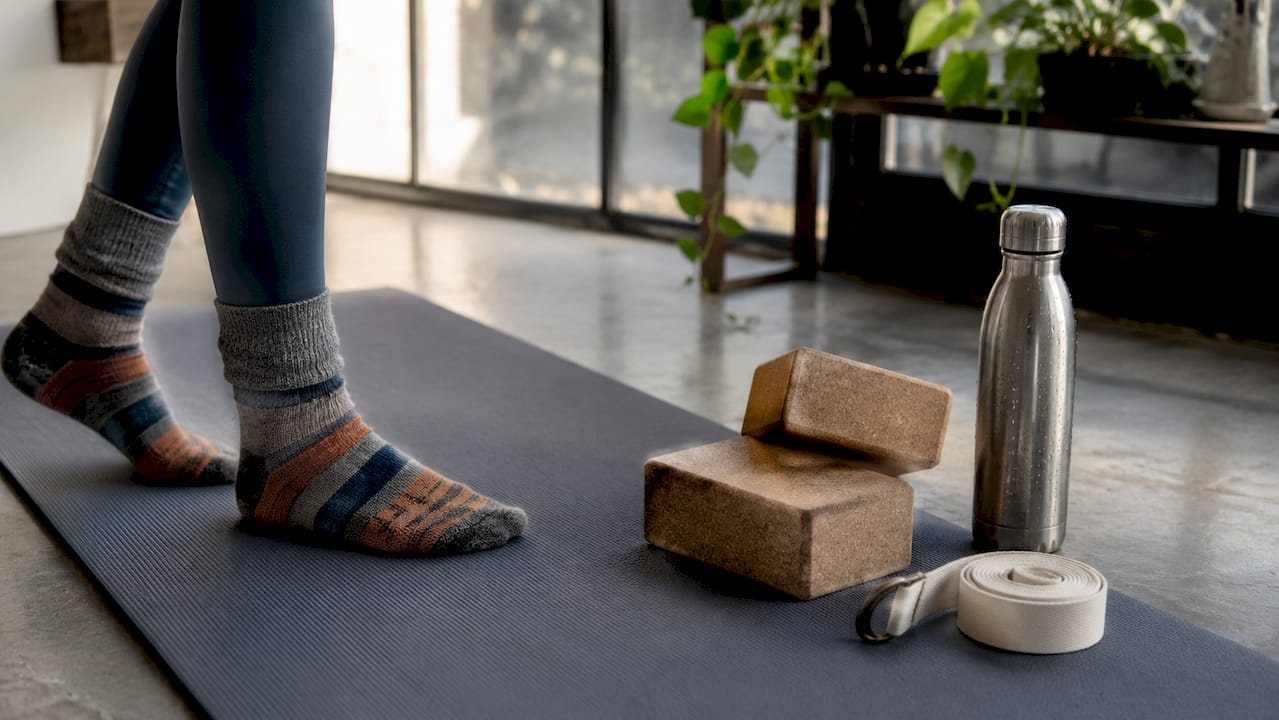
Typical classes require minimal equipment: a non-slip mat, comfortable clothing, and optional props like blocks or straps for alignment support. You do not need an advanced fitness base to start. Beginner-friendly classes teach breath-movement coordination first, letting the physical challenge build naturally over weeks.
Pro Tip: Let your breath lead every transition. If you run out of breath before you finish a movement, slow down. Breath-led pacing prevents overexertion far more reliably than counting repetitions.
The sequencing in dynamic yoga is not random. Many instructors structure classes around elemental themes like earth, water, fire, and air, each corresponding to a different intensity level and energy quality. An earth-themed sequence stays grounded and slow. A fire sequence builds heat through faster transitions and core work. Understanding this structure helps you anticipate the session’s arc and manage your effort across the full class.
Dynamic yoga benefits vs. restorative and static yoga
Dynamic yoga delivers a distinct set of physical and mental outcomes that static or restorative styles cannot replicate in the same way. Practicing 2–3 times weekly improves cardiovascular health, muscle tone, core stability, and flexibility. The same regular practice reduces symptoms of depression and anxiety. That combination of physical conditioning and mental relief is rare in a single modality.
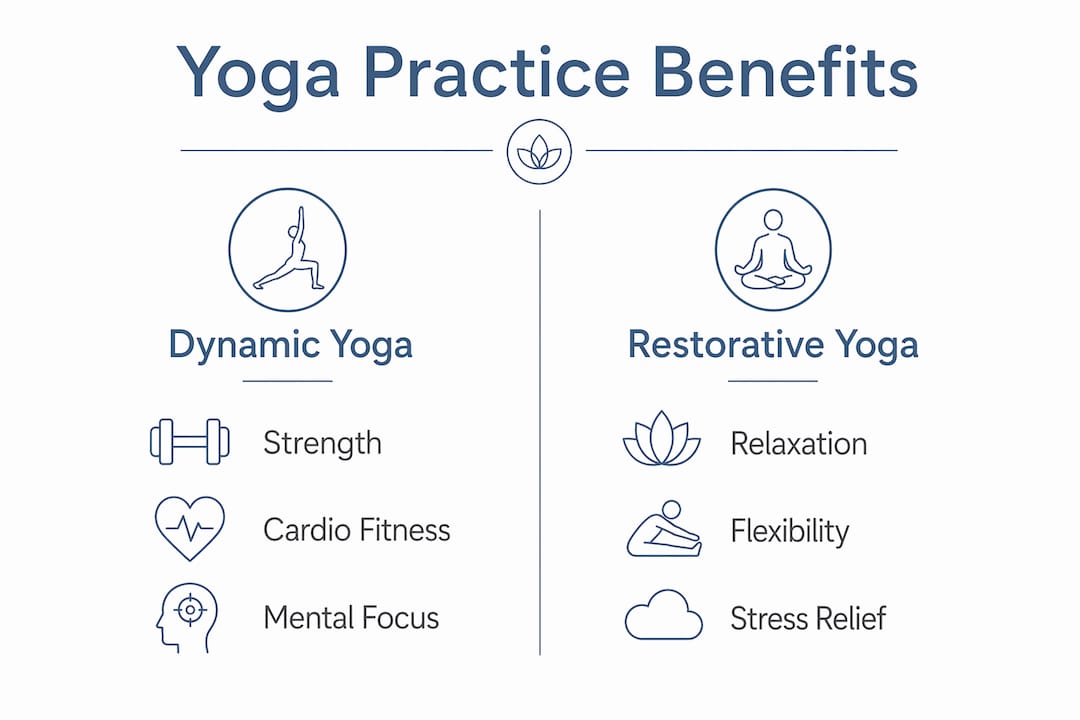
The mechanism is straightforward. Continuous movement generates internal heat, which increases circulation, loosens connective tissue, and elevates heart rate into a light aerobic zone. Static yoga holds build strength and flexibility in fixed positions but do not produce the same cardiovascular effect. Restorative yoga, by contrast, uses long passive holds to trigger the parasympathetic nervous system, promoting deep rest and recovery.
| Feature | Dynamic yoga | Static yoga | Restorative yoga |
|---|---|---|---|
| Movement style | Continuous, breath-led flow | Fixed holds, 30–60 seconds | Long passive holds, 3–10 minutes |
| Primary benefit | Strength, cardio, flexibility | Strength, body awareness | Deep relaxation, nervous system reset |
| Energy effect | Builds and releases heat | Neutral to grounding | Cooling and calming |
| Best for | Active conditioning, stress relief | Technique refinement | Recovery, anxiety, fatigue |
| Accessibility | All levels with modifications | All levels | All levels |
“Flowing sequences synchronized with breath create an energizing yet calming practice suitable for stress relief.” — Aatm Yoga Shala
The yin and yang framing is useful here. Dynamic yoga expresses yang energy: active, warming, and outward. Restorative yin yoga expresses the opposite. Many experienced practitioners combine both styles across the week, using dynamic sessions for conditioning and yin sessions for recovery. That pairing produces more balanced results than either style alone.
How to practice dynamic yoga safely and effectively
Safe, effective dynamic yoga practice comes down to four principles: consistency, pacing, equipment, and breath control. Follow these in order and the practice becomes sustainable for years, not just weeks.
- Practice 2–3 times per week. Consistency outperforms intensity every time. Sporadic high-intensity sessions increase injury risk and lead to burnout. Regular moderate sessions build the neuromuscular patterns that make flowing sequences feel natural.
- Choose beginner-friendly instruction first. Look for classes labeled “vinyasa for beginners,” “gentle flow,” or “foundations of flow.” These classes teach breath-movement coordination before adding complex transitions. Platforms like Yoga with Adriene on YouTube offer free structured beginner flows.
- Use props without apology. Yoga blocks under your hands in low lunge, a strap for forward folds, or a folded blanket under your knees all protect alignment during fast transitions. Props are tools for precision, not signs of weakness.
- Invest in a non-slip mat. Standard mats become slippery with sweat during fast-paced sequences. A natural rubber mat with a textured surface maintains grip through the entire class, preventing falls and alignment errors that cause injury.
- Sequence by elemental theme when designing your own practice. Start with earth and water sequences early in the week when your body needs grounding. Add fire sequences mid-week when energy peaks. Close the week with air or water themes that emphasize breath and release.
Pro Tip: Prioritize breath over speed in every session. A slow, breath-synchronized flow builds more strength and body awareness than a fast, breathless one. Speed is a byproduct of practice, not a goal.
Listening to your body’s signals is not optional. Sharp joint pain, dizziness, or persistent breathlessness are signals to stop and rest. Muscle fatigue is normal. Joint pain is not. That distinction keeps practitioners on the mat long-term.
Common misconceptions about dynamic yoga
Dynamic yoga does not mean chaotic or unstructured movement. Every sequence is deliberately designed, with transitions chosen to build on each other safely. The word “dynamic” refers to the quality of movement, not its speed or difficulty. This is one of the most common misunderstandings among people new to the style.
- Misconception: Dynamic yoga is only for fit or athletic people. Dynamic yoga is accessible for all levels. Modifications exist for every posture, and good instructors cue options throughout class.
- Misconception: Faster movement means better results. Breath is the anchor, not pace. Moving quickly without breath synchronization removes the defining benefit of the practice and increases injury risk.
- Misconception: Dynamic yoga ignores mindfulness. Dynamic yoga classes combine breathwork, flowing sequences, meditation, and relaxation to cultivate presence and body awareness. The mindfulness is built into the structure, not added as an afterthought.
- Misconception: You need to know yoga before trying dynamic yoga. Beginner dynamic classes teach foundational postures within the flow context. Starting there builds technique and breath awareness simultaneously.
The practice draws from multiple traditions. Martial arts, tai chi, and classical Hatha yoga all contributed to the fluid, breath-led movement philosophy that defines modern dynamic yoga. That lineage explains why the practice feels both athletic and meditative at the same time. Understanding elemental-themed sequencing deepens that experience further, giving practitioners a framework for reading a class’s energy arc before it unfolds.
Key Takeaways
Dynamic yoga practice builds strength, flexibility, and mental focus through breath-synchronized movement, making it one of the most complete single-practice disciplines available to wellness-focused individuals.
| Point | Details |
|---|---|
| Core definition | Dynamic yoga links every movement to a breath, creating a continuous flow rather than static holds. |
| Practice frequency | Practicing 2–3 times per week delivers the best physical and mental health results. |
| Dynamic vs. restorative | Dynamic yoga builds heat and cardio fitness; restorative yoga promotes deep rest and nervous system recovery. |
| Breath over speed | Breath synchronization prevents overexertion and is the primary driver of results, not movement pace. |
| Accessibility | Dynamic yoga suits all fitness levels when modifications and beginner-friendly instruction are used. |
Why breath changed everything I thought I knew about flow yoga
I came to dynamic yoga from a strength training background, convinced that the physical challenge was the point. I treated Sun Salutations like circuits and measured success by how fast I moved through sequences. My breath was an afterthought. Predictably, I burned out within two months and developed a nagging shoulder issue from rushing transitions without proper alignment.
The shift happened when an instructor stopped the class and said: “If you can’t breathe, you’re not doing yoga. You’re just moving.” That reframing changed my entire approach. I slowed down, anchored every movement to an inhale or exhale, and within three weeks felt stronger and more focused than I had during the fast-paced phase. The breath was not a limitation. It was the engine.
What I tell beginners now is this: resist the urge to match the pace of the person next to you. Your breath is your personal metronome, and no two people share the same rhythm. The Yuneyoga blog covers this principle well for anyone wanting to read deeper into breath-movement coordination. Equipment matters too. A grippy natural rubber mat removes the mental distraction of slipping, which lets you stay present with your breath instead of managing your footing. Start simple, practice consistently, and trust that the challenge grows with you.
— Nicholas
Set up your dynamic yoga practice with the right gear

A safe dynamic yoga session starts with one non-negotiable: a mat that grips through sweat. Fast-paced flow sequences generate heat quickly, and a slippery surface turns alignment errors into injury risks. Natural rubber mats with textured surfaces solve this problem directly. Yuneyoga carries a curated selection of yoga mats and accessories built for exactly this kind of active practice, including eco-friendly natural rubber options, moisture-wicking yoga towels, and durable straps for alignment support. If you are starting out, a mat and a set of blocks cover most of what a beginner dynamic class requires. Browse the full collection to find gear matched to your practice level and goals.
FAQ
What is dynamic yoga practice in simple terms?
Dynamic yoga practice is a style of yoga that links every movement to a breath, creating a continuous flow of postures rather than static holds. It is also commonly called vinyasa or flow yoga.
How is dynamic yoga different from restorative yoga?
Dynamic yoga builds heat, strength, and cardiovascular fitness through active movement. Restorative yoga uses long passive holds to promote deep relaxation and nervous system recovery.
How often should beginners practice dynamic yoga?
Beginners should aim for 2–3 sessions per week, focusing on breath-movement coordination and listening to physical limits rather than pushing intensity.
Do I need special equipment for dynamic yoga?
A non-slip mat is the most important piece of equipment. Optional props like yoga blocks and straps help with alignment, especially during fast transitions in beginner classes.
Is dynamic yoga suitable for all fitness levels?
Dynamic yoga is accessible to all levels. Modifications exist for every posture, and beginner-friendly classes teach foundational movements before introducing complex sequences.


