
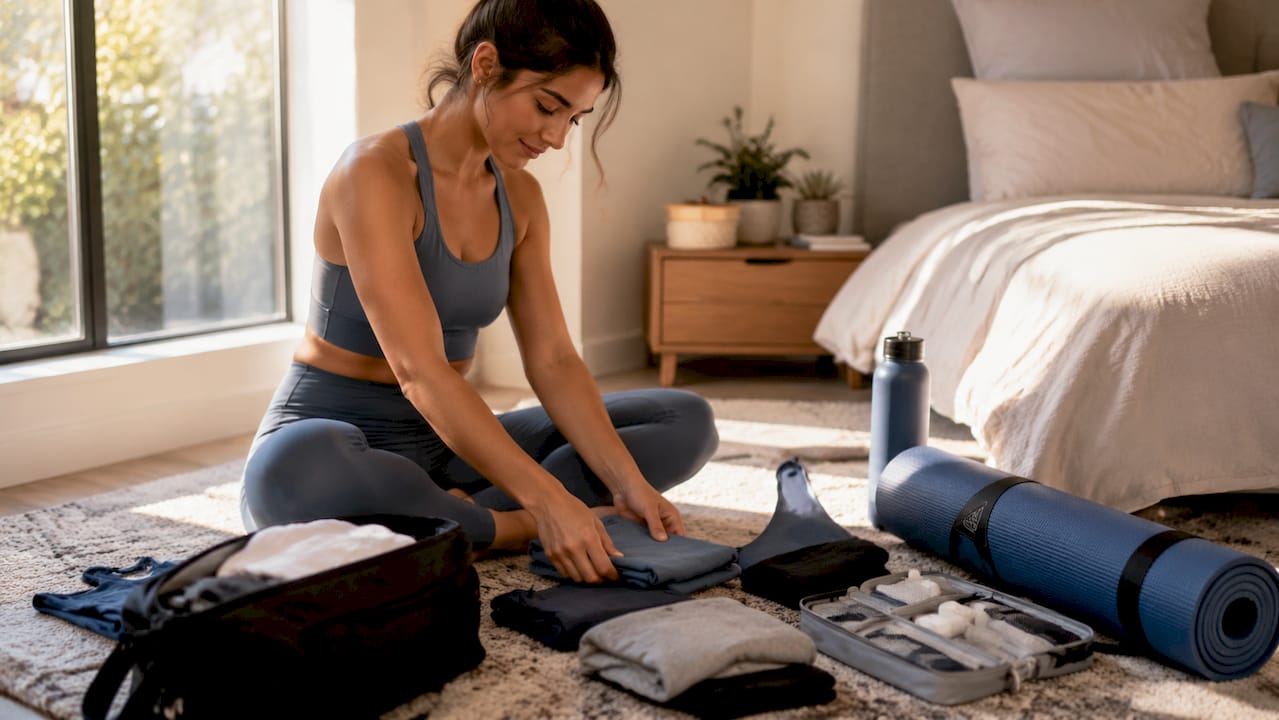
Yoga Retreat Packing: Your Complete Checklist Guide
Yoga retreat packing is the process of assembling a curated collection of clothing, gear, and wellness items designed to support your practice, comfort, and daily life at a retreat. Done well, it means you arrive prepared for every session, every climate shift, and every quiet evening without dragging an overstuffed suitcase through an airport. The difference between a transformative retreat and a stressful one often comes down to what you packed and what you left behind. This guide covers every category you need, from yoga practice surfaces to personal care, so you can pack with confidence.
What is yoga retreat packing, and why does it matter?
Yoga retreat packing is the deliberate selection of items that serve your practice, your body, and your environment for the full duration of a retreat. It differs from regular travel packing because the priorities shift. You need gear that performs through multiple daily sessions, clothing that handles sweat and meditation equally well, and wellness supplies suited to locations that may be remote, humid, or far from a pharmacy.
Packing without a plan leads to two common mistakes: bringing too much or leaving out something critical. A practitioner who packs seven casual outfits but only two sets of yoga wear will run out of clean practice clothes by day three. One who skips a first aid kit may find the nearest town is an hour away. Thoughtful packing is not about minimalism for its own sake. It is about matching what you carry to what the retreat actually demands.
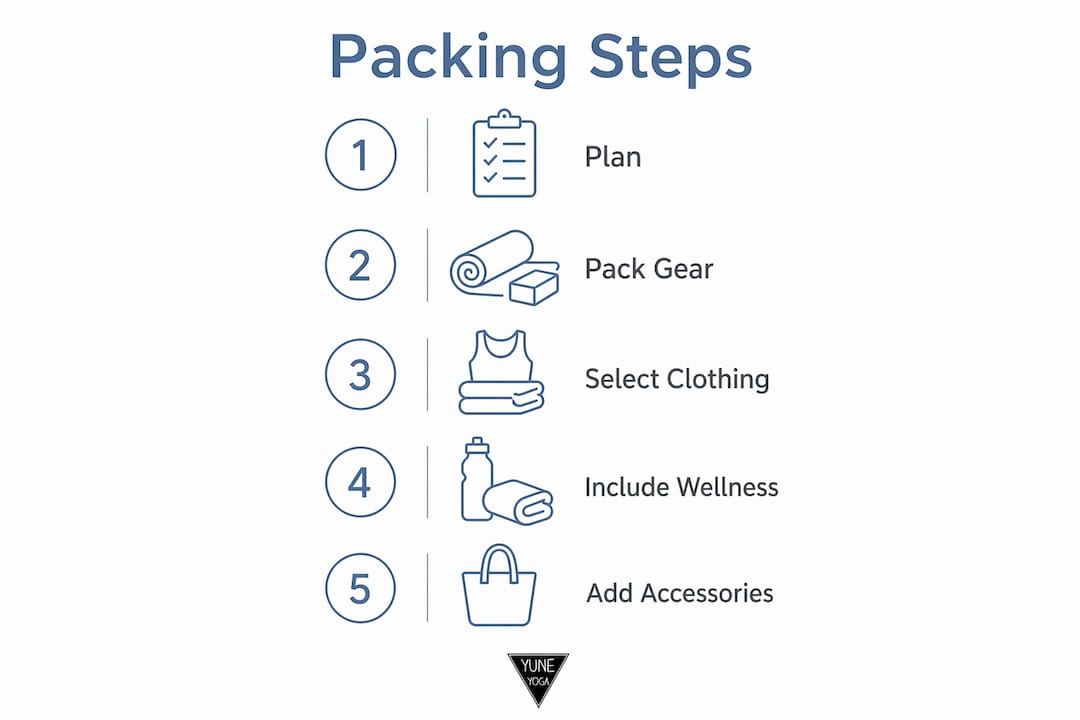
The core categories of any solid retreat packing checklist are yoga and practice gear, climate-appropriate clothing, health and wellness supplies, and travel accessories. Nail those four areas and you are ready for almost any retreat format, from a five-day Bali immersion to a weekend mountain silent retreat in Colorado.
What are the essential yoga and practice-specific items to bring?
Your yoga gear is the non-negotiable core of your packing list for a yoga retreat. Everything else supports the experience. This category is where most practitioners either pack too little or make assumptions that cost them comfort.
Yoga clothes and frequency
The ideal clothing allowance is 4–6 sets of breathable, moisture-wicking yoga wear, plus one sports bra per two days of retreat. That ratio accounts for daily practice, laundry availability, and the reality that humid climates make clothes feel damp even after washing. Moisture-wicking fabrics like nylon-spandex blends or bamboo jersey dry faster and resist odor better than cotton, which holds moisture and breaks down faster under heavy use.
Your mat and props
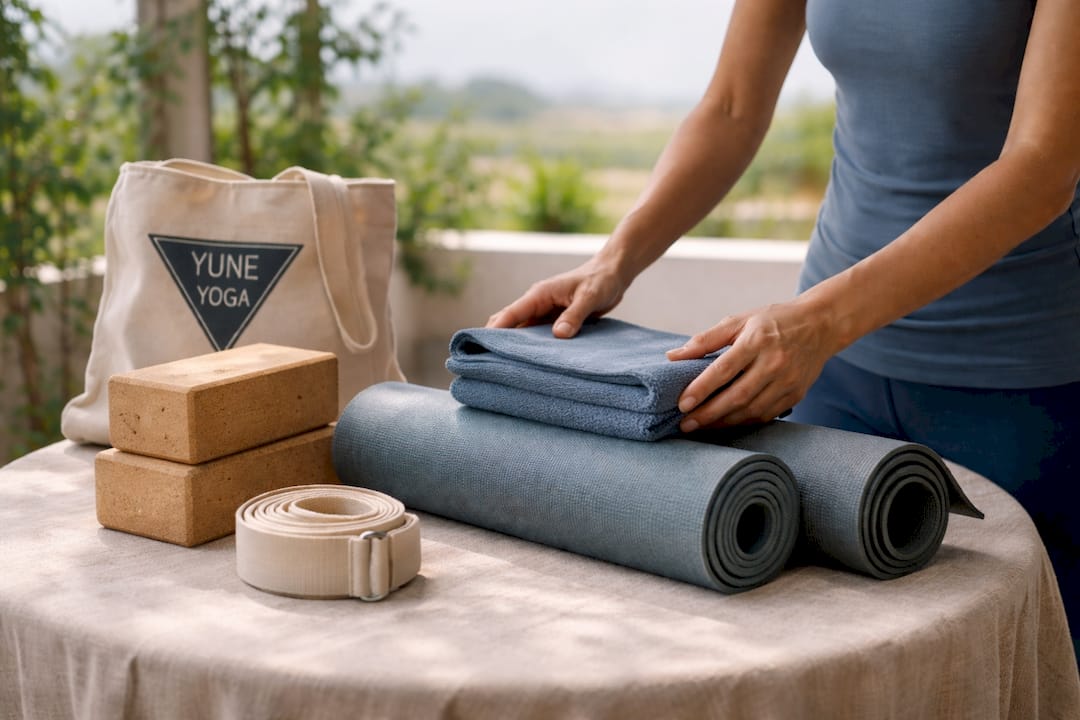
Confirming with your retreat organizer whether mats or props are supplied is the first step before buying or packing anything. Many retreat centers provide mats, blocks, and bolsters. However, bringing your own mat supports hygiene and continuity in your practice, especially for advanced practitioners who have adapted to a specific surface texture or thickness. A foldable travel mat weighs under two pounds and fits inside a carry-on, making it the practical choice for most travelers.
Supplemental props worth considering include a travel-friendly yoga strap, a lightweight yoga towel for hot or heated sessions, and a small block if your practice relies on one. These items add minimal weight but make a real difference in session quality.
- 4–6 sets of moisture-wicking yoga tops and bottoms
- 1 sports bra per 2 days of retreat
- Foldable or lightweight travel yoga mat
- Yoga towel for sweat-heavy sessions
- Yoga strap for flexibility work
- 1 yoga block (if not confirmed as provided)
Pro Tip: Stick to neutral tones like black, gray, and olive for your yoga wear. Neutral-colored clothing mixes and matches across more outfits, which means you pack fewer pieces without sacrificing variety.
How to pack clothing and footwear for different retreat climates?
Climate is the variable most practitioners underestimate when building a packing list. A retreat in Tulum in july feels nothing like one in the Swiss Alps in october, yet both require layering strategy and the right footwear.
Layering is the most effective method for handling temperature swings across diverse retreat environments. Morning meditation sessions in mountain locations can be 20 degrees cooler than afternoon practice. A lightweight shawl or wrap serves double duty: it works as a layer during early sessions and doubles as a meditation blanket. A packable down jacket or fleece adds warmth without bulk for cooler destinations.
For beach or spa retreats, pack at least one swimsuit and a cover-up. Many retreat schedules include pool time, ocean swims, or hydrotherapy as part of the wellness program. Skipping a swimsuit means sitting out activities that are built into the experience.
| Climate type | Recommended layers | Footwear |
|---|---|---|
| Tropical or beach | Light linen pants, tank tops, cover-up | Flip-flops or slides, water sandals |
| Mountain or high altitude | Fleece, packable jacket, thermal base layer | Supportive walking shoes, warm socks |
| Temperate or forest | Light sweater, shawl, long-sleeve top | Comfortable sneakers, sandals |
| Desert or dry heat | Breathable loose layers, sun-protective top | Closed-toe sandals, light sneakers |
Footwear follows a simple rule: bring flip-flops or slides for indoor use and transitions between spaces, plus one pair of comfortable walking shoes for excursions or hikes. Most retreat centers are shoe-free indoors, so easy slip-on footwear gets used constantly.
Pro Tip: Roll your clothes instead of folding them. Rolling compresses garments tighter, reduces wrinkles in yoga wear, and lets you see every item at a glance without unpacking the whole bag.
What health, wellness, and personal care items should you include?
Health supplies are the category practitioners most often treat as optional until they need them. Retreats frequently take place in remote or rural locations where a pharmacy is not nearby.
A basic first aid kit with bandages, pain relievers, anti-inflammatory tablets, and digestive aids covers the most common retreat health needs. Digestive support matters more than most people expect. New food, new water, and a different daily rhythm can disrupt digestion within the first 48 hours. Pack your personal medications in their original containers and bring more than you think you need.
Sunscreen and a natural insect repellent belong in every retreat bag, regardless of destination. Outdoor sessions, morning walks, and excursions all add up to significant sun exposure. Choose reef-safe sunscreen for beach retreats and DEET-free repellent for jungle or forest environments.
Unscented or natural toiletries are the standard recommendation for group and silent retreats. Scented products can disrupt the sensory environment and distract other participants during close-proximity practice. Brands like Dr. Bronner’s offer unscented castile soap that works as body wash, shampoo, and even laundry soap, which reduces the number of bottles you carry.
- Basic first aid kit: bandages, pain relievers, anti-inflammatories
- Personal medications in original containers
- Reef-safe sunscreen and natural insect repellent
- Unscented shampoo, conditioner, and body wash
- Reusable water bottle (at least 32 oz)
- Digestive aids and probiotics
- Packing cubes for clothing organization
Packing cubes separate clean and used clothing, which preserves freshness and simplifies organization in humid environments. One cube for yoga wear, one for casual clothes, and one for toiletries keeps your bag functional throughout the retreat without daily repacking.
Pro Tip: Pack a small mesh laundry bag inside your suitcase. After each session, drop used yoga clothes directly into the bag. When laundry day comes, you hand over the whole bag without sorting through your luggage.
Which travel and mindfulness accessories enhance the retreat experience?
Travel logistics and mindfulness tools round out a complete retreat packing checklist. These items do not take up much space, but their absence creates friction at the worst moments.
Travel documents are the obvious starting point: passport, travel insurance details, retreat confirmation, and any required health documentation. Store digital copies in a cloud folder and carry one printed set. A universal power adapter covers charging needs across destinations, and a portable charger keeps your phone alive during long travel days without hunting for outlets.
Mindfulness accessories are where the retreat experience deepens between sessions. A journal and pen support the reflection practices that most retreat programs build into their schedule. Writing after morning meditation or evening talks anchors insights that would otherwise fade. Sonia Azad, a wellness writer who covers retreat preparation, emphasizes packing minimal yet meaningful items that support your practice and retreat flow rather than filling space.
- Passport and travel documents (physical and digital copies)
- Universal power adapter
- Portable charger
- Journal and pen
- Earplugs and sleep mask for quality rest
- Small daypack for excursions
- Reusable tote bag for beach or market days
Earplugs and a sleep mask are underrated. Shared accommodations, early morning bells, or wildlife sounds can disrupt sleep, and poor sleep undermines every session that follows. A small daypack handles excursions, beach days, and carrying water and snacks without needing to bring your full luggage.
Minimize tech beyond what travel requires. Most retreats encourage limiting screen time, and bringing a laptop or tablet creates a temptation that works against the retreat’s purpose. A phone with airplane mode serves most needs without the pull of notifications.
Key takeaways
A complete yoga retreat packing checklist covers four categories: practice gear, climate-appropriate clothing, health supplies, and travel accessories, each chosen with the retreat’s specific environment in mind.
| Point | Details |
|---|---|
| Pack 4–6 yoga sets | Bring enough moisture-wicking sets to cover daily practice without relying on daily laundry. |
| Confirm mat availability | Check with your retreat organizer first, then decide whether to bring a travel mat for hygiene. |
| Layer for climate shifts | A shawl or packable jacket handles morning cold and doubles as a meditation wrap. |
| Choose unscented toiletries | Natural, unscented products respect group sensory environments and reduce friction with other participants. |
| Use packing cubes | Separate clean and used yoga clothes to stay organized and odor-free throughout the retreat. |
What I’ve learned from packing for retreats the hard way
The first retreat I packed for, I brought enough clothes for two weeks on a five-day trip. I also forgot a yoga towel and spent the first hot session sliding around on a borrowed mat that had seen better days. That experience taught me something no packing list fully captures: what you leave out matters as much as what you bring.
The psychological effect of a well-packed bag is real. When you know exactly where everything is and you have what you need, you arrive at each session with less mental noise. You are not thinking about whether you have clean clothes for tomorrow or whether your mat is sanitary. That mental space goes back into your practice.
I now pack with one rule: every item has to earn its place. If I cannot picture using it at least twice during the retreat, it stays home. That rule has cut my packing time in half and my bag weight by a third. The Yuneyoga blog covers gear decisions in depth if you want to go further on specific product choices.
The one item I never skip is my own travel mat. Retreat mats are often overused and under-cleaned. Bringing your own is not precious. It is practical. It also creates a consistent physical anchor for your practice, which matters more during an immersive experience than it does in a home studio.
— Nicholas
Gear worth having before your next retreat
Packing well starts with having the right gear to pack. Yuneyoga carries travel yoga mats, yoga towels, and straps built for practitioners who move between studios, retreats, and home practice.
The mats use natural rubber and eco-friendly materials that hold up through daily use without adding unnecessary weight to your bag. The straps and towels are made from durable, sustainable fabrics that wash easily and dry fast, which matters when you are packing for a week of twice-daily sessions. If you are building or refreshing your retreat kit, the full selection of yoga essentials and accessories at Yuneyoga covers everything from beginner bundles to travel-specific gear. Choosing quality pieces once means you pack the same trusted items for every retreat that follows.
FAQ
What is the most important item on a yoga retreat packing list?
A personal travel yoga mat is the single most impactful item. It supports hygiene, provides a consistent practice surface, and removes dependence on whatever the retreat center supplies.
How many yoga outfits should I bring to a retreat?
Pack 4–6 sets of yoga wear, with one sports bra per two days. That covers daily practice sessions with enough rotation to manage laundry schedules.
Should I bring scented toiletries to a yoga retreat?
No. Unscented or natural toiletries are the standard for group and silent retreats. Scented products can disrupt the shared sensory environment and distract other participants during practice.
How do I pack efficiently for a yoga retreat?
Use packing cubes to separate yoga clothes from casual wear, roll garments to reduce bulk, and stick to neutral-colored clothing that mixes and matches across multiple outfits.
Do I need to bring yoga props to a retreat?
Check with your organizer first. Many retreat centers supply mats, blocks, and bolsters. If props are not confirmed, a lightweight strap and one block cover most practice needs without adding significant weight.


