
Yoga Practice Surface Explained: Your Complete Guide
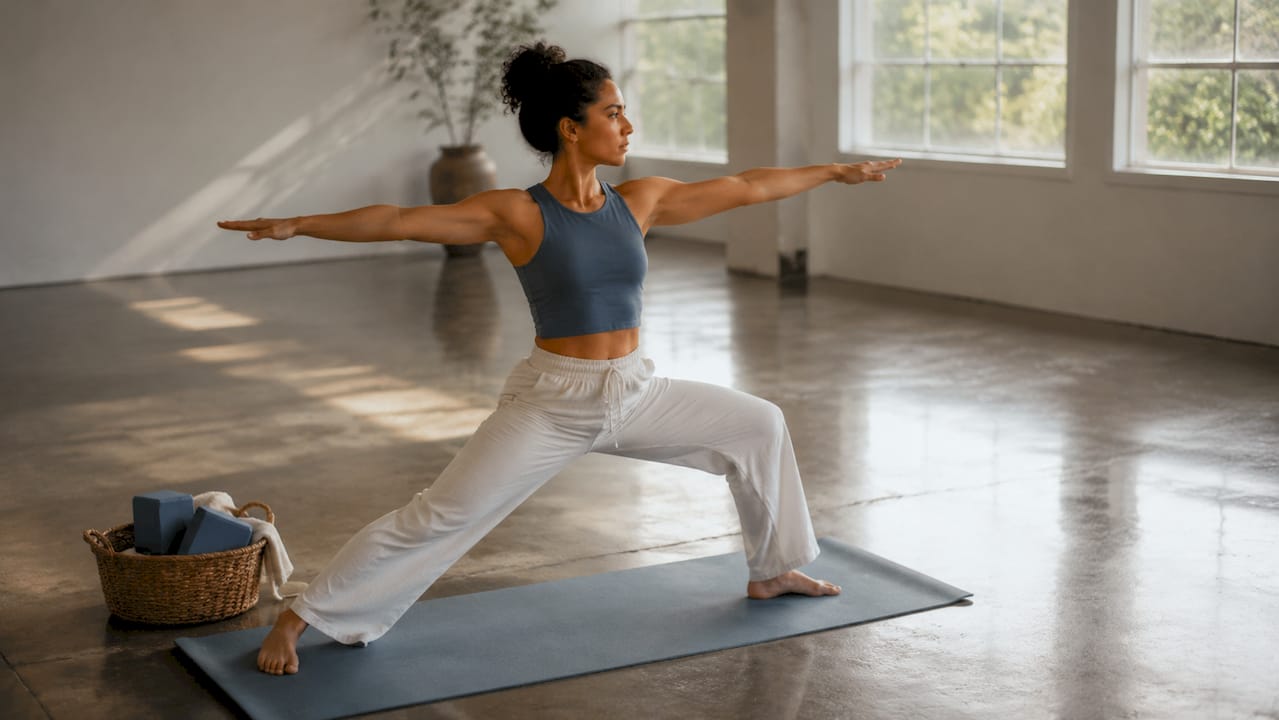
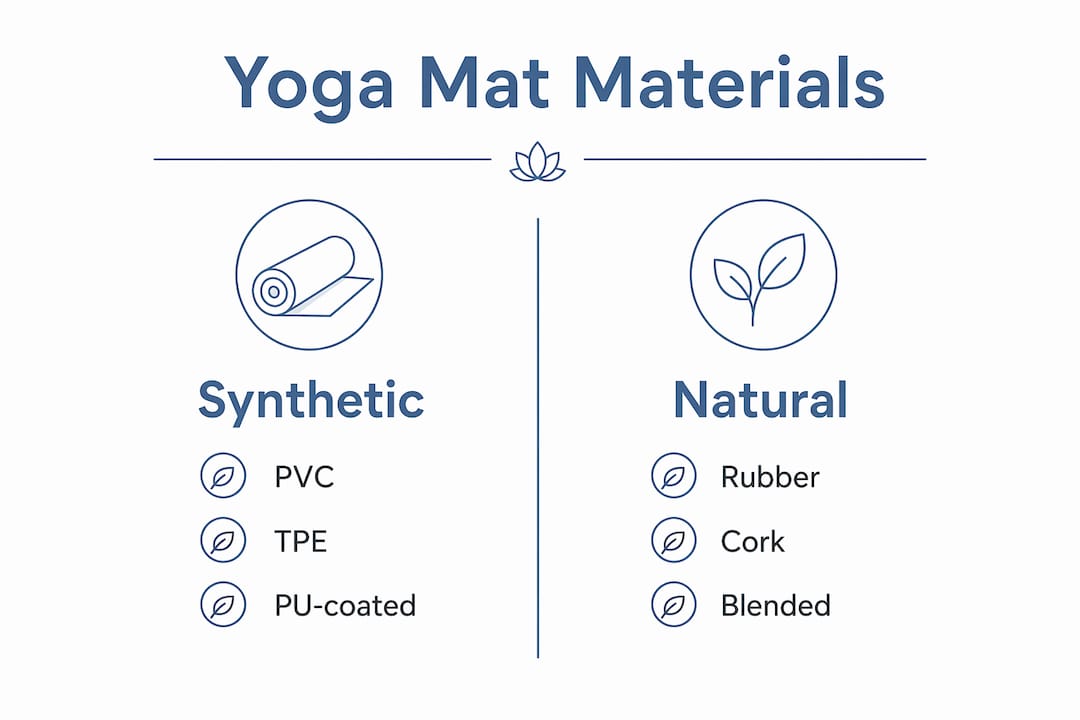
A yoga practice surface is the specific material layer you perform poses on, directly affecting your balance, cushioning, grip, and injury risk during every session. Most people call this a yoga mat, but the term “practice surface” covers a broader category that includes rugs, bare hardwood floors, grass, and sand. The material, thickness, and texture of your surface shape the quality of every pose you attempt. Common surface materials include PVC, natural rubber, cork, and polyurethane (PU) coated fabrics. Getting this choice right matters more than most beginners realize.
What are the main types of yoga practice surfaces?
Yoga practice surfaces fall into two broad groups: portable mats and fixed floor surfaces. Fixed surfaces include hardwood, tile, carpet, concrete, and outdoor ground. Portable mats are the most practical option for most practitioners because they provide consistent grip and cushioning regardless of the floor underneath.
Mat materials compared
PVC is the most common mat material worldwide. PVC mats offer high durability and low cost, but they are not biodegradable and off-gas chemicals during production. They work well for beginners who want a reliable, affordable surface.
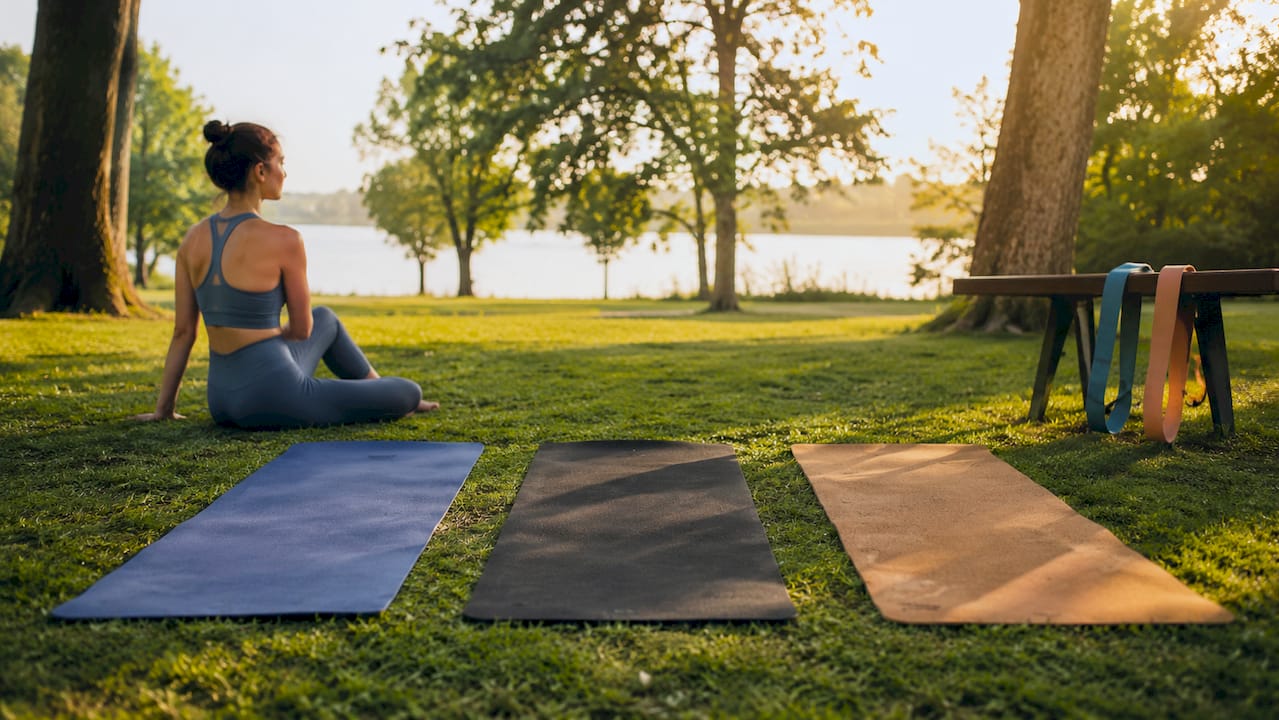
Natural rubber mats deliver better grip and are biodegradable, making them a strong choice for eco-conscious practitioners. The trade-off is weight. Natural rubber mats are heavier than PVC, and people with latex sensitivities should avoid them entirely.
Cork mats have a naturally antimicrobial surface that gets grippier when wet. They are eco-friendly but cork surfaces wear faster than rubber or PVC over time. They suit hot yoga and sweaty practices well.
TPE (thermoplastic elastomer) mats sit between PVC and rubber in performance. They are lighter than rubber, more eco-friendly than PVC, and reasonably durable. TPE is a solid all-around choice for home practice.
PU-coated mats use a polyurethane top layer over a natural rubber base. The PU surface absorbs sweat and provides exceptional wet grip, making these mats popular for Vinyasa and hot yoga.
One important nuance: natural mats often contain synthetic layers for structure and durability. “Natural” describes the surface layer, not the entire mat composition. Shoppers should read full material disclosures rather than relying on eco-labels alone.
Non-mat surfaces
Practicing on bare hardwood or carpet is possible but not ideal. Hardwood offers a firm, stable base but zero cushioning and poor grip without a mat. Carpet absorbs impact but creates instability during balance poses because the surface compresses unevenly. Outdoor surfaces like grass and sand add a sensory dimension to practice but introduce unevenness and moisture that challenge stability.
| Surface Type | Grip | Cushioning | Eco-Friendly | Best For |
|---|---|---|---|---|
| PVC mat | High (dry) | Good | No | Beginners, budget practice |
| Natural rubber mat | Excellent | Good | Yes | All styles, eco-conscious |
| Cork mat | Excellent (wet) | Moderate | Yes | Hot yoga, sweaty practice |
| TPE mat | Good | Good | Moderate | Home practice, travel |
| PU-coated mat | Excellent (wet) | Good | Moderate | Vinyasa, hot yoga |
| Hardwood floor | Low | None | N/A | Bare-foot balance work only |
How does thickness affect comfort and stability?
Mat thickness is the single most discussed spec in any yoga mat comparison, but density matters just as much. Industry standard thickness runs 4–6mm for general practice. That range balances joint cushioning with the firm feedback you need to feel stable in standing and balance poses.
Travel mats measure 1–3mm. They fold flat and pack into a carry-on, but they offer minimal cushioning. Practitioners with healthy joints who prioritize portability choose these. Mats over 6mm are designed for restorative yoga and Pilates, where you spend long periods lying or kneeling and need extra padding.
The less obvious factor is density. A dense mat can be thinner yet feel more supportive than a thick, soft mat. Soft, thick mats compress under your feet, which destabilizes balance poses like Warrior III or Tree Pose. A firmer, denser 4mm mat often outperforms a plush 6mm mat for dynamic styles.
Pro Tip: Press your thumb firmly into a mat before buying. If it compresses more than halfway through, the mat is too soft for standing poses. A firm mat with slight give is the target.
Different yoga styles impose different demands. Flowing Vinyasa requires dynamic grip and a lightweight mat, while restorative yoga benefits from thicker cushioning even at a slight stability trade-off. Matching thickness and density to your primary style is more effective than chasing a single “best” thickness number.
How does your floor type affect mat performance?
The floor under your mat is half the equation. Mat underside texture anchors the mat to the floor and prevents sliding during dynamic movements. A mat with excellent top-surface grip can still fail if the underside slides on a slick tile or polished hardwood floor.
Here is how common floor types interact with yoga mats:
- Hardwood and tile: These smooth surfaces require mats with textured or rubber undersides. Flat-bottomed mats slide freely on polished wood, creating a safety risk in lunges and Warriors.
- Carpet: Carpet grips most mat undersides naturally, so slipping is rarely an issue. The problem is instability. The carpet compresses under the mat, making balance poses harder.
- Concrete: Concrete is rough and grips most mat undersides well. The main concern is the hardness of the surface, which means you need a mat with adequate cushioning.
- Outdoor grass and sand: Outdoor surfaces challenge grip and comfort due to unevenness and moisture. Mats designed for outdoor use have enhanced rubber backing and thicker construction to compensate.
Pro Tip: If you practice on tile or polished hardwood, place a thin rubber mat pad underneath your yoga mat. This adds floor traction without changing the feel of your mat’s top surface.
Even a high-quality mat can fail if the underside lacks adequate floor traction. Always test a new mat on your actual home floor before committing to it for studio use.
What factors should I consider when choosing a yoga mat?
Choosing the ideal surface for yoga comes down to six practical factors. Work through each one before making a purchase.
-
Practice style. Hot yoga and Vinyasa demand wet-grip surfaces like cork or PU-coated mats. Yin yoga and restorative practice benefit from thicker, softer mats. Ashtanga practitioners need a firm, grippy surface that holds up to daily use.
-
Sweat level. The best yoga mat depends on your personal sweat rate and environment, not price or brand popularity. High sweaters should prioritize moisture-activated grip materials. Low sweaters do fine with standard PVC or TPE.
-
Grip type. Grip is not the same as texture. A rough surface can still be slippery depending on moisture conditions. Know whether your mat grips better when dry or when wet before you buy.
-
Portability. Travel practitioners need foldable mats in the 1–3mm range. Yuneyoga carries eco-friendly foldable travel mats designed specifically for this use case. Home-only practitioners can prioritize cushioning and durability over weight.
-
Joint health. Practitioners with knee, hip, or wrist sensitivity should choose mats at the higher end of the 4–6mm range, or consider a dedicated restorative mat over 6mm for floor-based work.
-
Floor type. Match your mat’s underside to your home floor. Rubber-backed mats work on tile and hardwood. Standard mats work on carpet. Outdoor mats need enhanced backing and weather-resistant materials.
Maintenance also affects long-term performance. Yoga mats lose grip over time without regular cleaning. Sweat, oils, and dirt break down surface texture and create a slick, unsafe mat. Wipe your mat after every session and deep-clean it weekly if you practice daily. You can find practical care guidance on the Yuneyoga blog alongside tips on mat selection and practice.
Key Takeaways
The right yoga practice surface depends on matching material, thickness, and underside grip to your specific style, sweat level, and floor type.
| Point | Details |
|---|---|
| Material determines grip type | PVC grips dry, cork and PU grip wet. Match material to your sweat level. |
| Thickness range matters by style | Use 1–3mm for travel, 4–6mm for general practice, and over 6mm for restorative work. |
| Density beats thickness for stability | A dense 4mm mat outperforms a soft 6mm mat in standing and balance poses. |
| Floor type affects mat performance | Rubber-backed mats prevent sliding on tile and hardwood. Test your mat on your actual floor. |
| Maintenance preserves grip | Clean your mat after every session to prevent grip loss and extend its lifespan. |
What I have learned from years on different surfaces
The most common mistake I see is buying a mat based on thickness alone. A 6mm mat feels luxurious in the store and then wobbles under every Warrior pose at home. Density is the spec that actually determines how stable you feel, and most product listings bury it or skip it entirely.
The second mistake is ignoring the floor. I have watched practitioners buy premium natural rubber mats and then slide across polished studio floors because the underside was too smooth for that surface. The top grip gets all the attention, but the underside is what keeps the mat from moving.
My honest recommendation: start with a 4–5mm natural rubber or TPE mat with a textured underside. That combination handles most practice styles and most floor types without compromise. If you practice hot yoga more than twice a week, move to a PU-coated mat or add a cork surface layer. If you travel frequently, a foldable travel mat in the 2mm range is worth owning as a second mat rather than a replacement.
One more thing worth saying plainly: no mat is perfect for every situation. The practitioners I know with the best results own two mats. One for home, one for travel. That trade-off is real and worth planning for.
— Nicholas
Find your ideal yoga mat at Yuneyoga

Yuneyoga carries a curated selection of yoga mats across every major material category, including natural rubber, eco-friendly TPE, and foldable travel mats built for practitioners who move between studios and home. Each mat is chosen for functional performance, not just aesthetics. Whether you need a dense 4mm mat for daily Vinyasa or a thicker surface for restorative practice, the full range is available at Yuneyoga’s online store. Accessories like yoga towels and straps round out the selection for practitioners who want consistent grip and comfort across every session.
FAQ
What is a yoga practice surface?
A yoga practice surface is the material layer you perform poses on, most commonly a yoga mat made from PVC, natural rubber, cork, or TPE. It provides grip, cushioning, and stability during practice.
What thickness is best for a yoga mat?
A 4–6mm mat suits most practitioners and practice styles. Travel mats run 1–3mm, and restorative or Pilates mats exceed 6mm for extra cushioning.
Does floor type affect how a yoga mat performs?
Yes. Smooth floors like tile and polished hardwood require mats with textured or rubber undersides to prevent sliding. Carpet grips most mats naturally but can reduce balance stability.
Is natural rubber better than PVC for yoga?
Natural rubber offers better grip and biodegradability, but it is heavier and unsuitable for people with latex allergies. PVC is more durable and affordable but is not eco-friendly.
How often should I clean my yoga mat?
Wipe your mat after every session and deep-clean it at least once a week if you practice daily. Regular cleaning preserves grip and prevents surface breakdown over time.

