

A comprehensive guide to foam yoga blocks
Key Takeaways
Yoga blocks are essential tools for accessibility, providing support that helps students at every level reach their potential and stay safe. By choosing the right material and size, you can significantly enhance your comfort and ease of movement during daily sessions.
- Foam is the preferred material for restorative practices due to its softness and low weight.
- Choosing the correct block size allows you to bring the floor closer to you, improving pose alignment.
- Proper sanitization helps extend the lifespan of your foam gear against sweat and moisture.
- Density levels vary, so selecting a firmer block ensures reliability in demanding balance poses.
- Portability is key for those who switch between studio classes, home practice, and travel sessions.
Understanding the benefits of foam yoga blocks
Foam blocks are a staple in the yoga world, favored for their versatility and user-friendly design. They act as an extension of your own arms, allowing for deeper access to poses that might otherwise feel strained or inaccessible. At Yune Yoga, we appreciate how these lightweight tools fit seamlessly into a mobile lifestyle, ensuring that you have consistent support no matter where you roll out your mat.
Lightweight construction for improved portability
One of the primary advantages of foam is its incredibly low density, making it one of the lightest materials available for yoga props. Because weight is a significant factor in transport, these blocks are a favorite for practitioners who carry their gear between home, the office, and the studio. For those who prioritize efficiency, pairing these blocks with Yune Yoga portable gear makes managing your equipment much simpler.
Soft texture for added joint comfort
Unlike harder materials, foam offers a cushioned, forgiving surface that protects sensitive joints. This makes it an ideal choice for support during seated poses where you might be resting your weight on the block for an extended period. The natural give in the material helps reduce pressure on wrists and knees, ensuring that you remain relaxed throughout your session.
Stability during restorative poses
During deep, slow-paced restorative sequences, the stability provided by these props can be transformative. They help you hold gentle shapes for longer by creating a solid but comfortable base beneath you. While beginners often start here, experienced yogis also rely on them to deepen their relaxation and fine-tune their body placement.
Factors to consider before buying a foam block
When you begin your search for the perfect prop, the sheer variety of options might seem daunting at first. However, focusing on how the material feels and performs compared to your personal, physical reach will guide you toward the right investment. Just as you might organize your home storage using clear acrylic dividers to keep your space tidy, choosing the right block keeps your practice environment clutter-free and ready to go.
Evaluating density and firmness levels
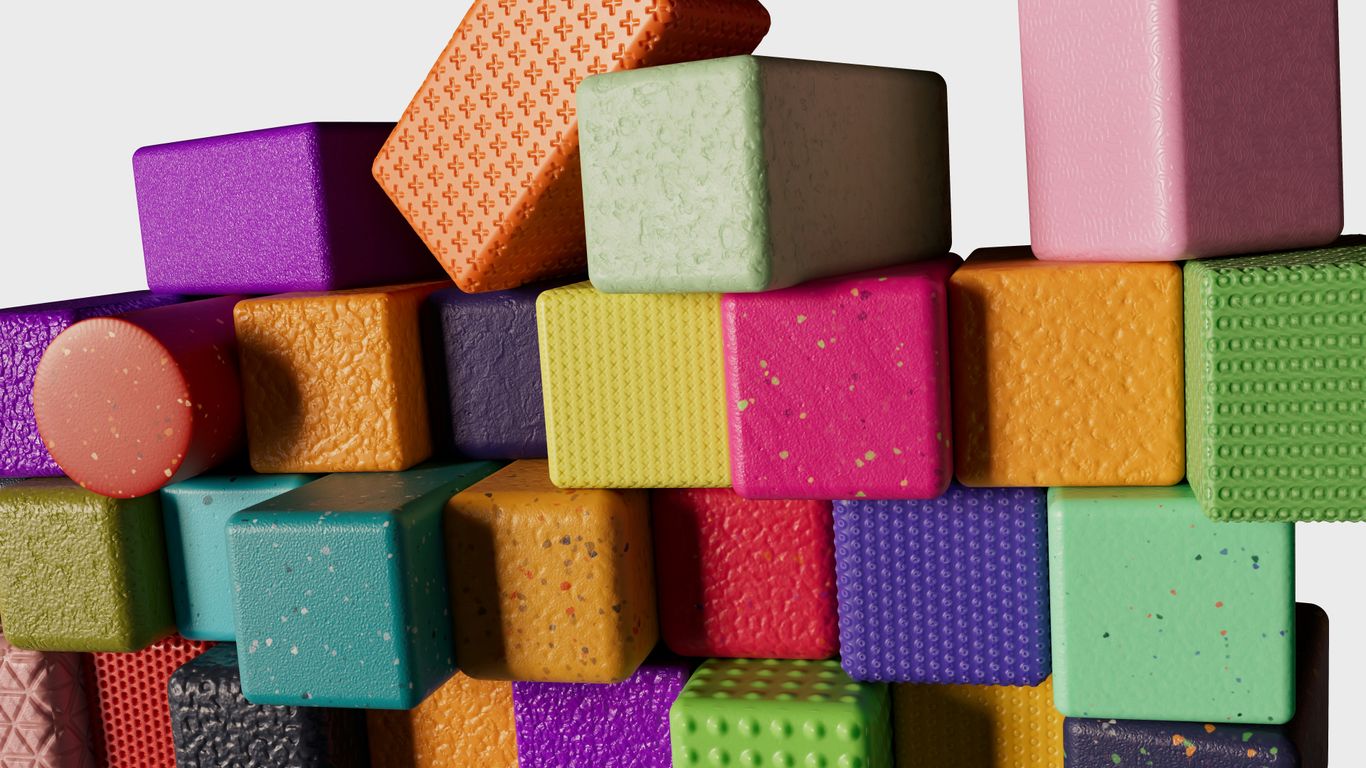
Density is the most critical factor—it determines how much the block will compress under your body weight. A lower-density block may feel softer, but it might not provide the rigid structure needed for challenging balancing postures. If you need a reliable, firm tool, look for high-density variants that hold their shape while maintaining that characteristic foam comfort.
Choosing the right thickness for your reach
Standard block sizes often come in 3-inch or 4-inch widths, and the choice depends largely on your arm length and desired height. If you have shorter arms, a thicker block might be more beneficial in poses like half-moon or triangle to bridge the gap to the floor. Conversely, if you want something more low-profile for seated work, a slimmer, 3-inch block might be exactly what you need.
Comparing standard surface textures versus non-slip grips
| Surface Type | Grip Quality | Recommended Use |
|---|---|---|
| Smooth Foam | Moderate | Restorative Yoga |
| Textured Foam | High | Hot Yoga / Sweaty |
| Non-Slip Coating | Maximum | Intensive Balancing |
Selecting the right surface finish depends on your environment and how much you tend to perspire during your practice. Just as professionals who handle heavy equipment learn to report injuries and manage their workers' compensation rights, you should pick a surface that helps you avoid slips and stay focused on your alignment.
Incorporating foam blocks into your yoga practice
Adding these tools to your routine opens doors to modifications you may not have previously considered. Yune Yoga focuses on practical, accessible gear, and integrating blocks is a natural extension of that philosophy. Whether you are finding your footing or deepening a stretch, having a block nearby helps you maintain a steady, confident form throughout the class.
Modifying standing balance postures
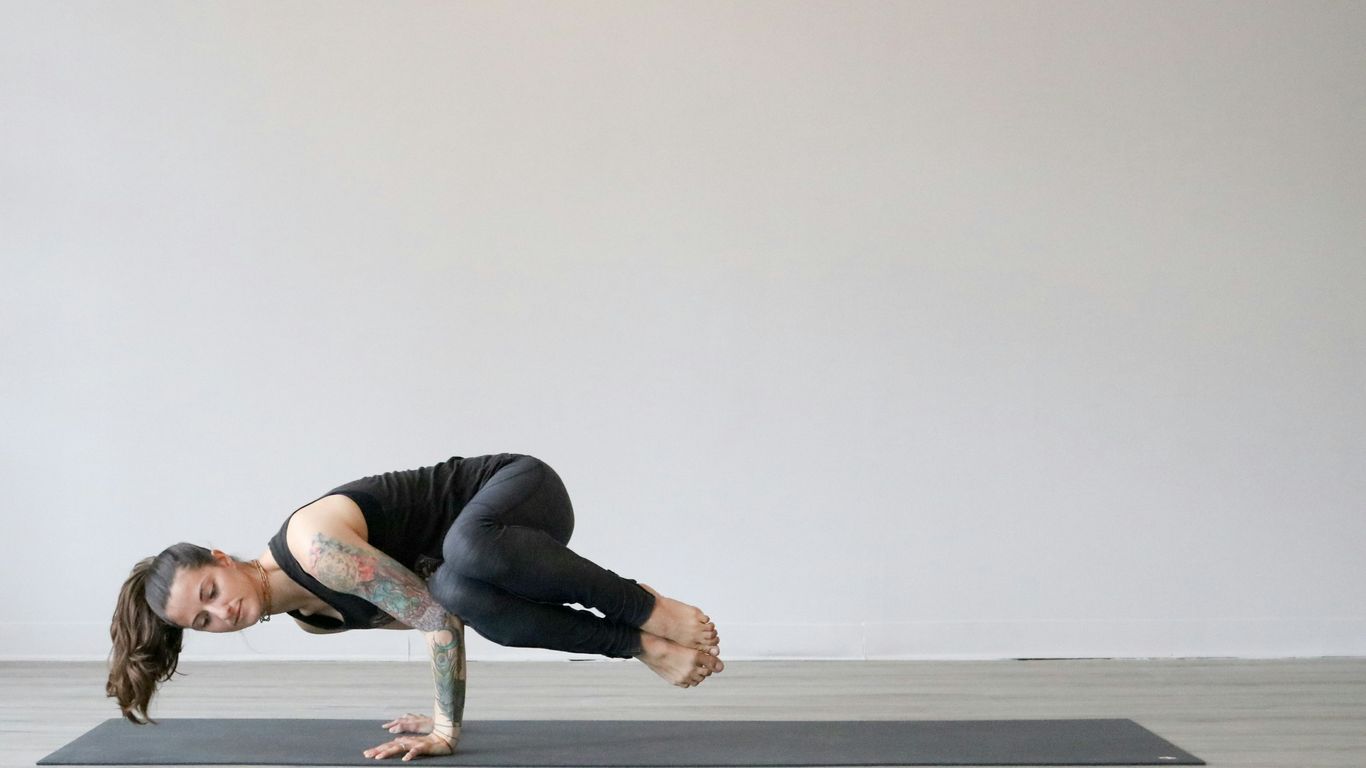
Using a block in standing balance poses helps you keep your hips level and your spine long instead of crunching into your side body. It brings the earth up to meet you, which prevents over-stretching or loss of balance when fatigue sets in. By relying on this extra lift, you can focus on building strength in the standing leg with better alignment.
Deepening stretches during floor sequences
When performing seated forward folds, the blocks act as an extension for your hands, allowing you to maintain a flat back while reaching forward. You can utilize them in several ways to make floor work more effective:
- Place blocks under your hands in seated folds for better height.
- Use a block under your heels in boat pose to support your lower back.
- Rest your forehead on a block during child's pose for extra relaxation.
- Set a block at the lowest height under your hips for supported bridging.
These adjustments allow you to focus on the sensation of the stretch rather than the struggle to reach your toes, making the pose more accessible and effective.
Providing structural support for heart openers
In poses that open the chest, having a firm prop provides a safe place to rest the upper back, allowing the chest to expand without strain. This support helps you breathe deeper, which is why Manduka's collection of yoga blocks is often recommended by teachers for their reliable shape. It is a fantastic way to open up the shoulders after a long day of sitting.
Proper care and cleaning techniques
Maintaining the cleanliness and structure of your blocks is straightforward but important for longevity. Just like reading about 7 best canned dog foods for 2026 helps you care for your pet's needs, routine maintenance of your props ensures they last for years. Taking a few moments after your practice to care for your gear is a good habit to form.
Sanitizing the foam surface after heavy use
Because foam can be porous, it is important to wipe them down after every high-intensity session to prevent bacteria buildup. A simple solution of water and a tiny bit of mild soap works perfectly. Gently wipe all corners and surfaces before letting them air dry thoroughly.
Tips for drying blocks to prevent moisture buildup
Moisture can lead to unpleasant smells or internal mildew if trapped inside the structure of the foam. Always stand them up on their edges or sides to ensure air can circulate around all sides. Avoid leaving them in direct, harsh sunlight for too long, as this can degrade the material over time.
Storing blocks to maintain long-term structural integrity
Store your blocks in a cool, dry place away from heavy items that might cause them to warp. Since the material is lightweight, stacking them neatly in a corner is usually sufficient. Keeping them organized helps prevent accidental damage and ensures they remain in top condition for your next session.
Foam versus cork: deciding which material is right for you
Understanding the distinctions between material types is part of being an informed practitioner. Just as one might look into juvenile defense to understand legal pathways, comparing properties like weight and texture is the best way to choose what serves your practice style. While Sunshine Yoga® offers both options, you may find that your preference shifts depending on whether you value sustainability or portability.
Analyzing weight and portability differences
Foam is significantly lighter than cork, which makes it the winner for travel or for those who prefer to keep their gym bag as light as possible. If you frequently change environments, the lightweight nature of foam helps keep your commute effortless. Cork, while durable, brings a noticeable increase in bulk to your setup.
Assessing texture and hand-feel preferences
Cork has a natural, grippy feel that only gets better with a bit of moisture, whereas foam offers a softer, more pillowy tactile sensation. Many users find that foam is more comfortable for restorative work because it cushions the body, while cork is often seen as a sturdier tool for intense Vinyasa flow classes. Ultimately, it comes down to what feels most supportive to your unique body.
Sustainability and environmental impact review
Many practitioners worry about their waste footprint when choosing plastic-based foam. Thankfully, many modern EVA foam blocks are recyclable, and some are even made from sustainable materials. If durability is your goal, considering how your home handles issues like fixation de panneaux solaires for long-term output can mirror how you choose your gear.
Practicing yoga is a personal journey that relies on finding the right support systems for your body, ensuring you can move with both safety and ease in every pose.
Whether you prioritize the soft touch of foam or the tactile reliability of natural materials, the right prop should always enhance your ability to show up for yourself.
Conclusion
Choosing a foam yoga block is an excellent step toward improving your practice and protecting your body during challenging sequences. By considering the density, size, and material, you ensure that you have the support necessary to safely deepen your stretches and refine your alignment. Whether you are traveling or practicing in your local studio, remember that these tools are intended to grow with you, offering a reliable foundation that helps you stay comfortable and focused on your goals.
Frequently Asked Questions
Can foam yoga blocks be recycled after they wear out?
Yes, many foam yoga blocks made from EVA foam are recyclable, but it is best to check with your local recycling center to see if they accept this specific type of material for processing.
How often should I clean my yoga blocks?
If you practice multiple times a week, a quick wipe down after each session is ideal. For occasional use, cleaning them at least once a week helps keep the foam in great condition.
Will foam blocks collapse under my body weight?
High-density foam blocks are designed to be firm and keep their shape under pressure. While they provide a slight, comfortable cushion, they should not collapse when you bear weight on them during your practice.
Do beginners really need a yoga block?
Blocks are not just for beginners; they are powerful tools used by students at all levels. They help practitioners improve their alignment, safely deepen stretches, and provide stability that otherwise might be difficult to access.
Can I use a foam block for hot yoga?
Yes, foam is often a great choice for hot yoga because it is lightweight and easy to clean. However, look for a textured surface or a non-slip design to ensure you maintain your grip even when your hands are sweaty.
What is the advantage of using a 3-inch block versus a 4-inch block?
Choosing between these sizes often comes down to your personal reach and comfort. A 4-inch block provides more height for standing poses, while a 3-inch block is often more ergonomic for seated postures or for those with specific alignment needs.
Are foam blocks waterproof?
Foam blocks are generally water-resistant and do not absorb sweat deeply if you wipe them clean regularly. They are designed to withstand moisture from standard practice, though you should always ensure they are fully dried to keep them in good shape.

