
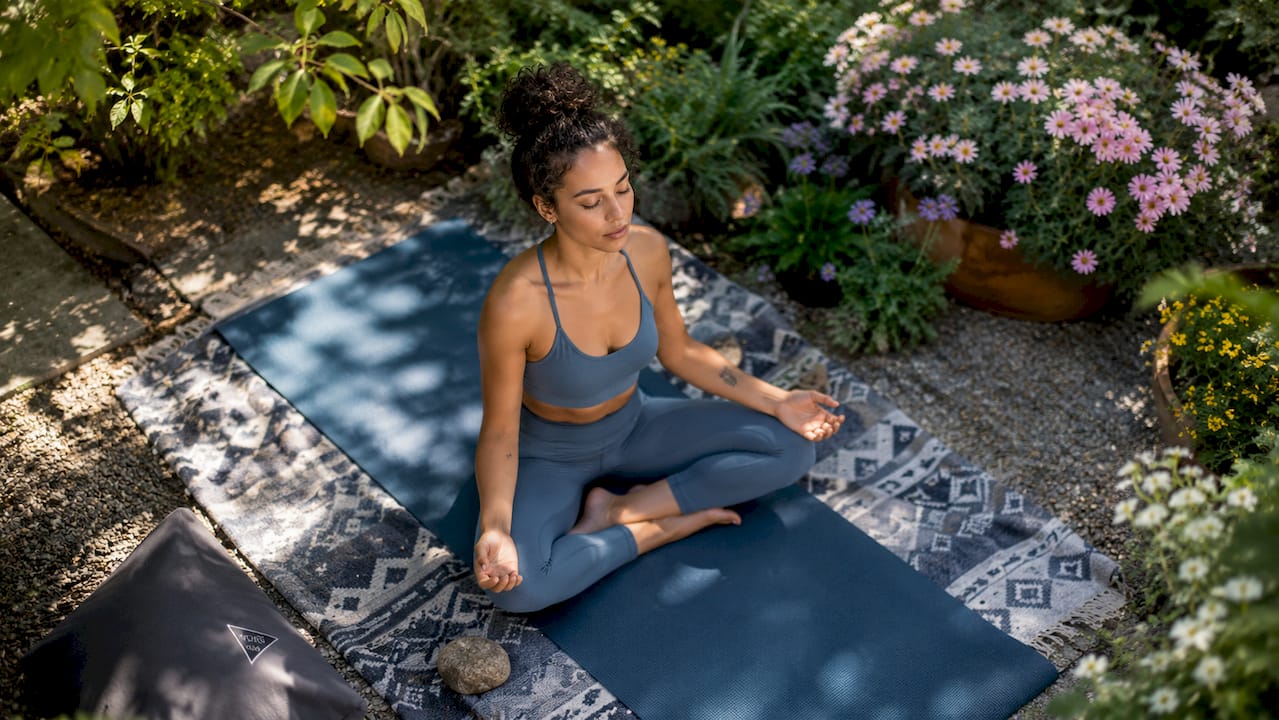
The Role of Wellness in Yoga Practice: 2026 Guide
Wellness in yoga practice is defined as the integration of physical postures, breath control, and mindfulness into a unified system that supports both body and mind. The Global Wellness Institute now recognizes yoga as a science-based tool for nervous system regulation and preventive health, not simply a fitness activity. That shift matters. It means the role of wellness in yoga practice extends far beyond flexibility or strength. It shapes how you breathe under stress, how you recover between sessions, and how consistently you show up on the mat over months and years.
How does yoga promote mental and emotional wellness?
Yoga reduces stress, anxiety, and depression through measurable psychological mechanisms. A 2026 meta-analysis of 30 studies found significant improvements in mental health symptoms across diverse yoga styles and durations. That breadth of evidence matters because it means the mental wellness benefits are not tied to one specific style or intensity level.
The mechanisms behind these effects are specific. Yoga builds mindfulness and self-compassion through repeated attention to breath and body sensation. This process, called interoceptive awareness, trains you to notice internal signals before they escalate into stress responses. Over time, that awareness becomes a genuine emotional regulation skill, not just a relaxation technique.
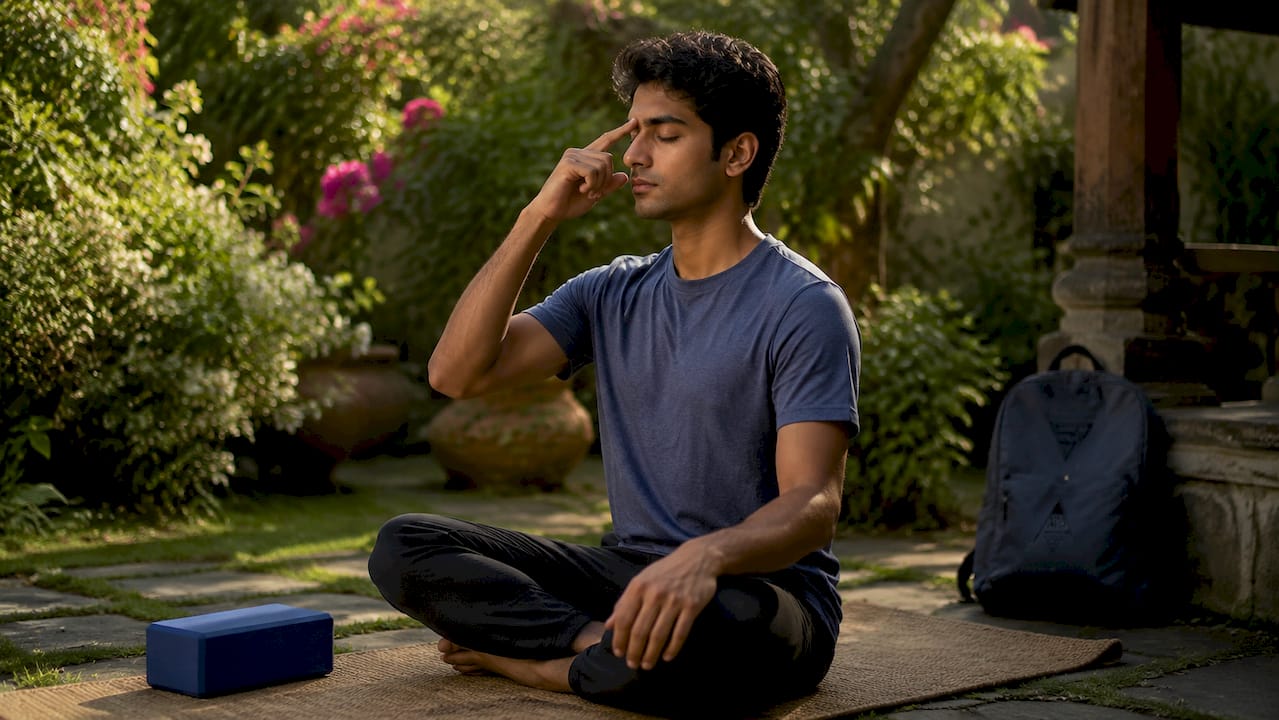
Yoga also works directly on the autonomic nervous system. Slow, controlled breathing activates the parasympathetic branch, which counteracts the fight-or-flight response. Practitioners who include pranayama in their sessions report faster recovery from stressful events compared to those who practice postures alone. The breath is not a warm-up. It is a core wellness tool.
Key mental wellness benefits include:
- Reduced cortisol levels with consistent practice over multiple weeks
- Improved sleep quality linked to parasympathetic activation
- Greater emotional resilience through repeated mindfulness exposure
- Reduced symptoms of anxiety and depression across clinical and non-clinical populations
- Enhanced mood stability from regular breathwork and movement combined
Pro Tip: Consistency produces stronger mental health benefits than intensity. Practicing three shorter sessions per week outperforms one long, demanding session when your goal is stress regulation.
What role does physical practice and dosage play in wellness benefits?
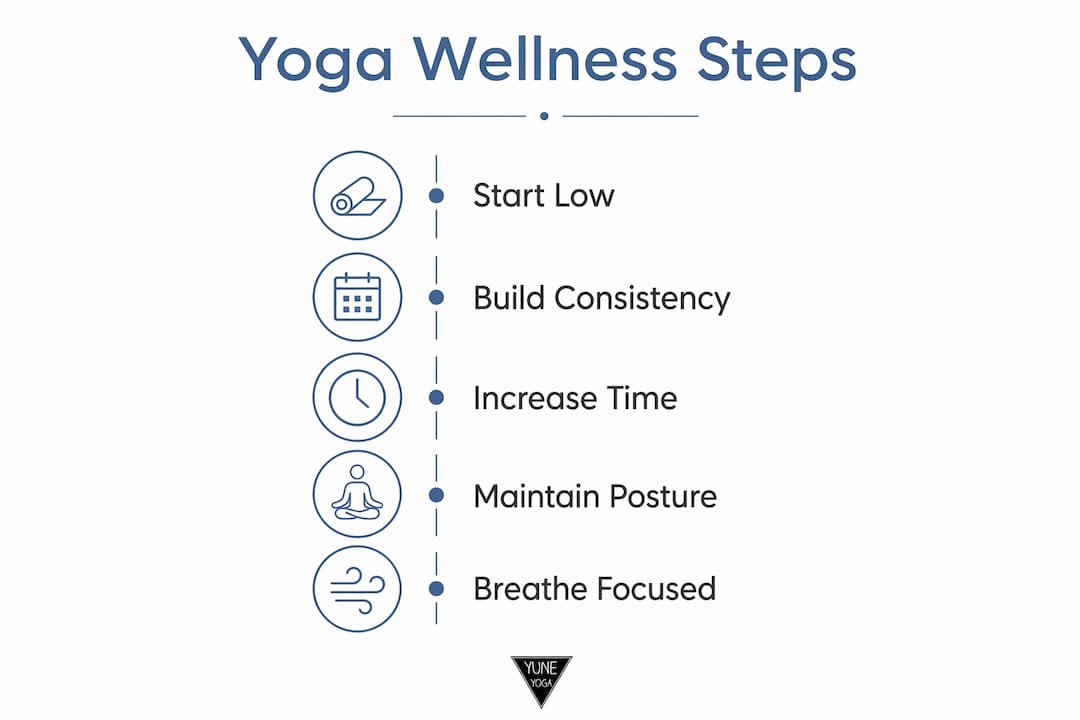
Physical yoga practice produces measurable wellness outcomes, and the dose matters more than most practitioners realize. Research published in PLOS Global Public Health identifies approximately 180 minutes per week over at least 12 weeks as the threshold for optimal cardiometabolic benefits. That is roughly three 60-minute sessions weekly, sustained over three months.
This dose-response relationship has direct implications for how you structure your practice. Sporadic sessions produce some benefit, but the body’s systems, including cardiovascular function, blood pressure regulation, and metabolic markers, respond most strongly to sustained, regular exposure. Think of it like building a fitness base. The gains compound over time.
Different yoga styles all deliver wellness benefits when they preserve the three core components: posture, breath, and focused attention. A restorative class and a vigorous flow class both qualify when taught with these elements intact. The style you choose should match your current health status and recovery capacity, not just your preference for intensity.
| Practice frequency | Session duration | Primary wellness outcome |
|---|---|---|
| 1–2 sessions/week | 45–60 minutes | Flexibility, basic stress relief |
| 3 sessions/week | 60 minutes | Improved mood, sleep quality |
| 3–5 sessions/week | 60–90 minutes | Cardiometabolic benefits, emotional resilience |
| Daily practice | 30–60 minutes | Nervous system regulation, sustained mental clarity |
Beginners benefit most from starting at two sessions per week and building gradually. Jumping into daily intense practice without a base increases injury risk and can trigger fatigue rather than recovery. Learning to add yoga to your fitness routine progressively is the most reliable path to long-term wellness gains.
Pro Tip: Increase your weekly practice time by no more than 10–15 minutes per session every two weeks. This gradual progression protects joints and prevents burnout while building a sustainable wellness foundation.
How do wellness principles in yoga extend beyond the mat?
Yoga’s wellness role does not stop when the session ends. The practice draws from a framework that includes ethical conduct, diet, sleep, and daily mindfulness. These elements, rooted in the Yama and Niyama principles of classical yoga philosophy, function as lifestyle guidelines that reinforce the physical and mental work done during sessions. Practitioners who apply these principles off the mat report stronger and more lasting wellness outcomes.
Public health researchers frame yoga as a cost-effective preventive healthcare approach aligned with WHO goals for non-communicable disease prevention. This framing is significant. It positions yoga not as a supplement to medical care but as a primary lifestyle strategy for maintaining health before illness develops. The role of yoga in preventive health is now supported by peer-reviewed evidence across multiple populations and settings.
Yoga’s wellness principles have also moved into workplaces, schools, and community health programs. Corporate wellness programs use short yoga sessions to reduce employee stress and improve focus. School-based programs apply breathing techniques to help students manage anxiety. These applications work because the core mechanisms, breath regulation and mindfulness, are portable and require no equipment.
Lifestyle wellness behaviors that yoga practitioners commonly adopt include:
- Prioritizing sleep as a recovery tool rather than a negotiable variable
- Choosing whole foods that support energy and reduce inflammation
- Building short mindfulness pauses into the workday
- Practicing breathwork during commutes or breaks, not only during formal sessions
- Reducing screen exposure before sleep to protect circadian rhythms
- Applying non-reactivity principles from Yama to interpersonal conflicts
For practitioners who travel frequently, these habits become especially valuable. Maintaining a yoga practice while traveling preserves the nervous system benefits even when your environment changes. The role of yoga in travel wellness is precisely this: a portable, equipment-light practice that keeps stress regulation intact across time zones and unfamiliar settings.
What should practitioners consider for safe and effective wellness-focused yoga?
Safe yoga practice requires matching style and intensity to your current health status. Clinical guidance is clear that yoga’s benefits come with real risks when practitioners push beyond their capacity, particularly in poses that load the spine or require extreme ranges of motion. The wellness goal is undermined when injury forces a break in practice.
The table below compares yoga style characteristics relevant to wellness focus:
| Yoga style | Intensity level | Primary wellness focus | Best suited for |
|---|---|---|---|
| Hatha | Low to moderate | Flexibility, stress relief | Beginners, recovery |
| Vinyasa/Flow | Moderate to high | Cardiovascular, mood | Intermediate practitioners |
| Yin | Low | Joint health, nervous system calm | All levels, high-stress periods |
| Restorative | Very low | Parasympathetic recovery | Injury recovery, burnout |
| Dynamic yoga | High | Strength, endurance | Experienced practitioners |
Autonomic recovery is an underrated part of wellness-focused practice. Sessions that include longer cool-down phases and dedicated breathwork produce stronger nervous system benefits than sessions that end abruptly after peak effort. Practitioners who skip Savasana or rush through closing breathwork lose a measurable portion of the session’s recovery value.
Common pitfalls to avoid when prioritizing wellness:
- Skipping breathwork to fit in more postures
- Practicing at high intensity every session without restorative balance
- Ignoring pain signals in the name of progress
- Choosing a style based on trend rather than personal health needs
- Neglecting joint support and surface quality during practice
The core components of wellness across yoga styles are posture, breath, and focused attention. Any style that preserves all three delivers wellness benefits. Any style that sacrifices breath and attention for speed or difficulty alone reduces those benefits significantly.
Key Takeaways
Wellness in yoga practice produces its strongest benefits when practitioners combine consistent frequency, breath-centered sessions, and lifestyle alignment over multiple weeks.
| Point | Details |
|---|---|
| Wellness is foundational, not optional | Yoga’s health benefits depend on integrating posture, breath, and mindfulness together. |
| Dose determines physical outcomes | Approximately 180 minutes per week over 12 weeks produces optimal cardiometabolic results. |
| Consistency beats intensity | Regular shorter sessions outperform infrequent intense ones for stress and mood regulation. |
| Wellness extends off the mat | Ethical conduct, sleep, diet, and daily mindfulness reinforce the benefits of formal practice. |
| Style matching protects wellness gains | Choosing a yoga style suited to your health status prevents injury and sustains long-term progress. |
What I’ve learned from years of watching practitioners get this wrong
Most practitioners treat wellness as the outcome of yoga rather than the operating principle behind it. That distinction changes everything about how you practice. When wellness is the goal, you stop chasing harder poses and start asking whether today’s session is serving your nervous system or depleting it.
The practitioners I’ve seen make the most consistent progress are not the ones doing the most demanding classes. They are the ones who show up three times a week, include breathwork every session, and treat Savasana as non-negotiable. The evidence on consistency backs this up completely. Repeated practice over weeks produces measurable benefits. One intense session does not.
The other pattern I notice is that practitioners who integrate yoga’s lifestyle principles off the mat progress faster than those who compartmentalize it. Sleep, diet, and daily mindfulness are not extras. They are the context in which your mat practice either compounds or stalls. A well-rounded yoga wellness approach treats the whole day as part of the practice, not just the 60 minutes on the mat.
My honest advice: pick a style that matches where you are right now, not where you want to be in six months. Build your weekly minutes gradually. Protect your breathwork. And stop skipping Savasana.
— Nicholas
Your practice deserves the right foundation
Quality gear does not make you a better practitioner, but the wrong gear can cut a session short. A mat that slips, a strap that snaps, or a surface that strains your joints all work against the wellness outcomes you are building toward.

Yuneyoga carries a curated selection of yoga mats, straps, and accessories built for practitioners who take their practice seriously. From natural rubber mats with genuine grip to eco-friendly foldable travel mats that keep your practice intact on the road, every product is chosen with function and sustainability in mind. If you want gear that supports your wellness goals without compromise, Yuneyoga is the place to start.
FAQ
What is the role of wellness in yoga practice?
Wellness in yoga practice is the integration of physical postures, breath control, and mindfulness into a system that supports physical health and emotional balance. A 2026 peer-reviewed definition describes yoga as mind-body exercise combining asana, pranayama, and meditation for measurable health outcomes.
How much yoga per week produces real wellness benefits?
Research identifies approximately 180 minutes per week over at least 12 weeks as the dose needed for optimal cardiometabolic benefits. Shorter or less frequent practice still produces stress relief and mood improvements, but physical health markers respond most strongly to sustained weekly volume.
Does the yoga style matter for wellness outcomes?
All major yoga styles deliver wellness benefits when they preserve posture, breath, and focused attention together. The style that matters most is the one matched to your current health status and recovery capacity, not the most popular or demanding option available.
Can yoga support preventive health long-term?
Yoga is recognized as a cost-effective preventive healthcare approach aligned with public health goals for non-communicable disease prevention. Its physical, psychological, and lifestyle dimensions make it a sustainable long-term health strategy rather than a short-term intervention.
How does yoga help with stress and anxiety specifically?
Yoga reduces stress and anxiety through mindfulness, self-compassion, and parasympathetic nervous system activation via controlled breathing. A meta-analysis of 30 studies confirmed significant reductions in stress, anxiety, and depression symptoms across multiple yoga styles and practice durations.


