
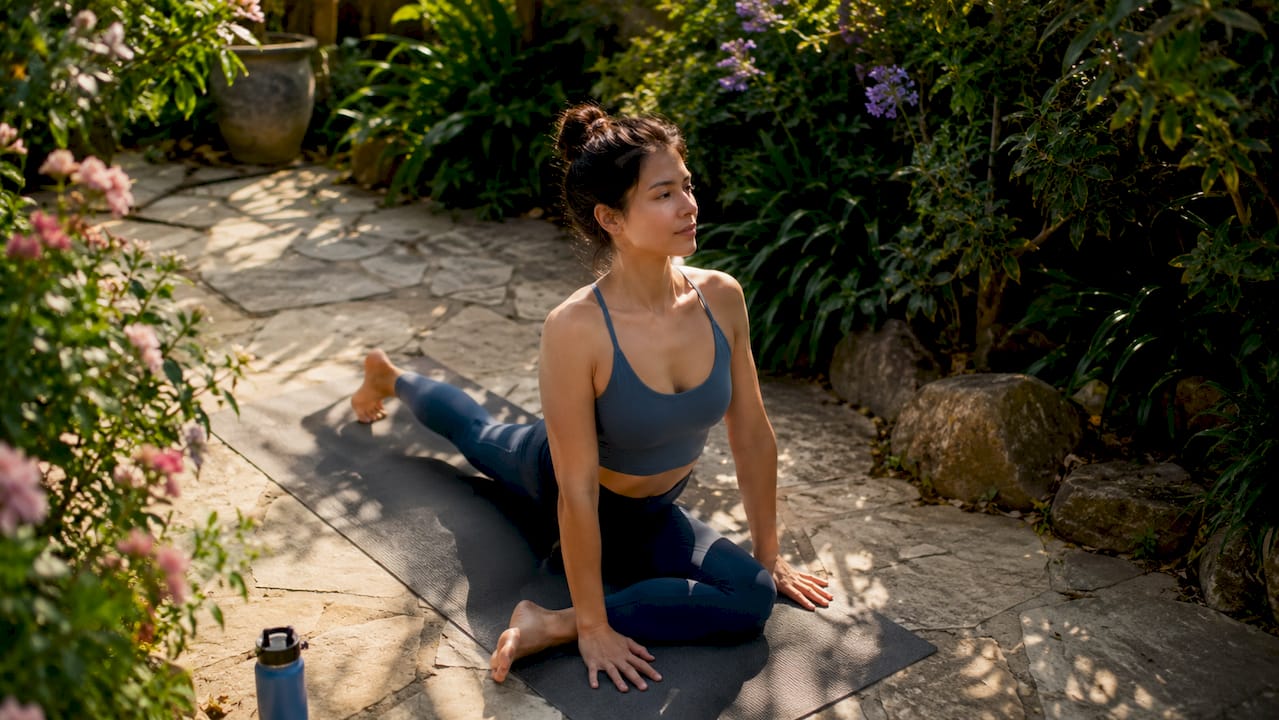
How to Add Yoga to Your Fitness Routine
Adding yoga to your fitness routine delivers targeted mobility, recovery, and strength benefits that traditional gym work simply cannot replicate. Yoga fills the gaps that strength training and cardio leave behind, including connective tissue health, proprioception, and parasympathetic recovery. The practice is not a replacement for your existing workouts. It is a precise complement that makes every other session more effective. Whether you lift weights, run, or cycle, short and consistent yoga sessions produce measurable improvements in joint function, movement quality, and stress resilience within weeks.
How to add yoga to your fitness routine: frequency and duration
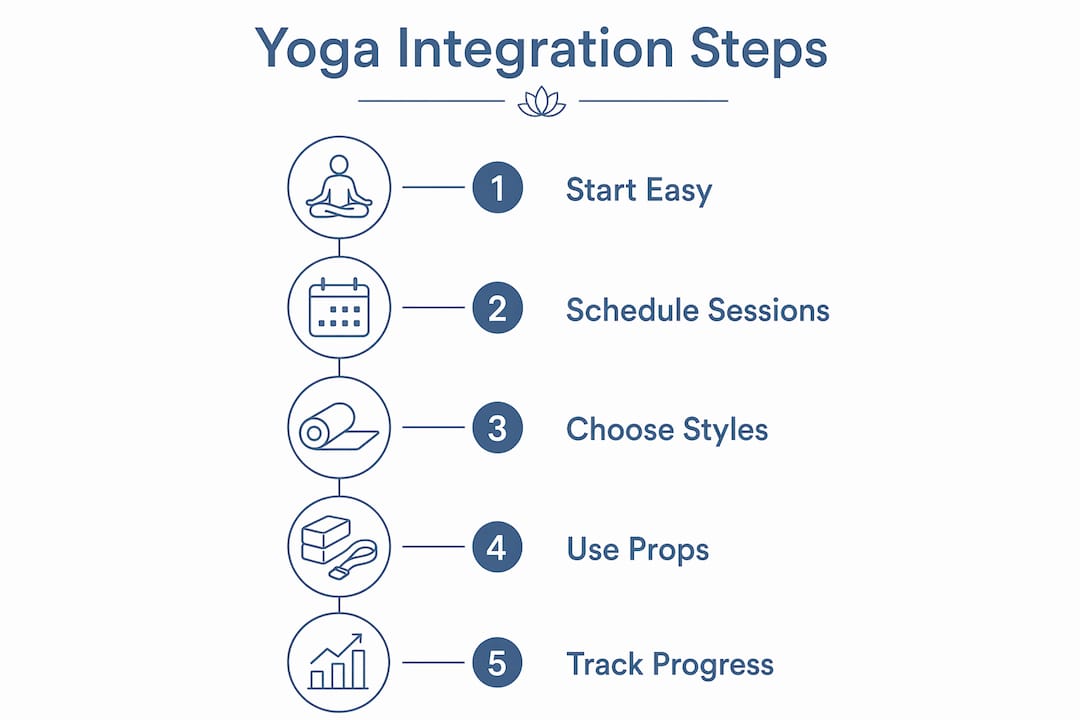
The most common mistake is treating yoga like another hard workout to schedule. Beginner athletes benefit most from 2–3 yoga sessions per week, each lasting 10–30 minutes. That frequency is enough to drive real change without overloading a body already adapting to strength or cardio training.
Four weeks is the minimum timeline to feel noticeable improvements in joint function and recovery speed. Consistency across those weeks matters far more than session length. A 15-minute Yin yoga session after a hard leg day outperforms a single 90-minute class you attend once a month.
Here is a practical starting framework:
- 2 sessions per week for anyone new to yoga or currently training 4+ days
- 3 sessions per week for intermediate athletes with lower overall training volume
- 10–20 minutes per session for active recovery days
- 20–30 minutes per session for dedicated mobility or flexibility work
- Mix active styles like Vinyasa or Hatha with restorative styles like Yin for full-spectrum benefits
Pro Tip: Start with 10-minute sessions on your rest days. Removing the time barrier is the fastest way to build a consistent yoga habit that sticks.
What yoga styles work best alongside strength and cardio training?
Not all yoga styles serve the same purpose in a fitness context. Choosing the right style for the right day is what separates a well-designed program from a scattered one.
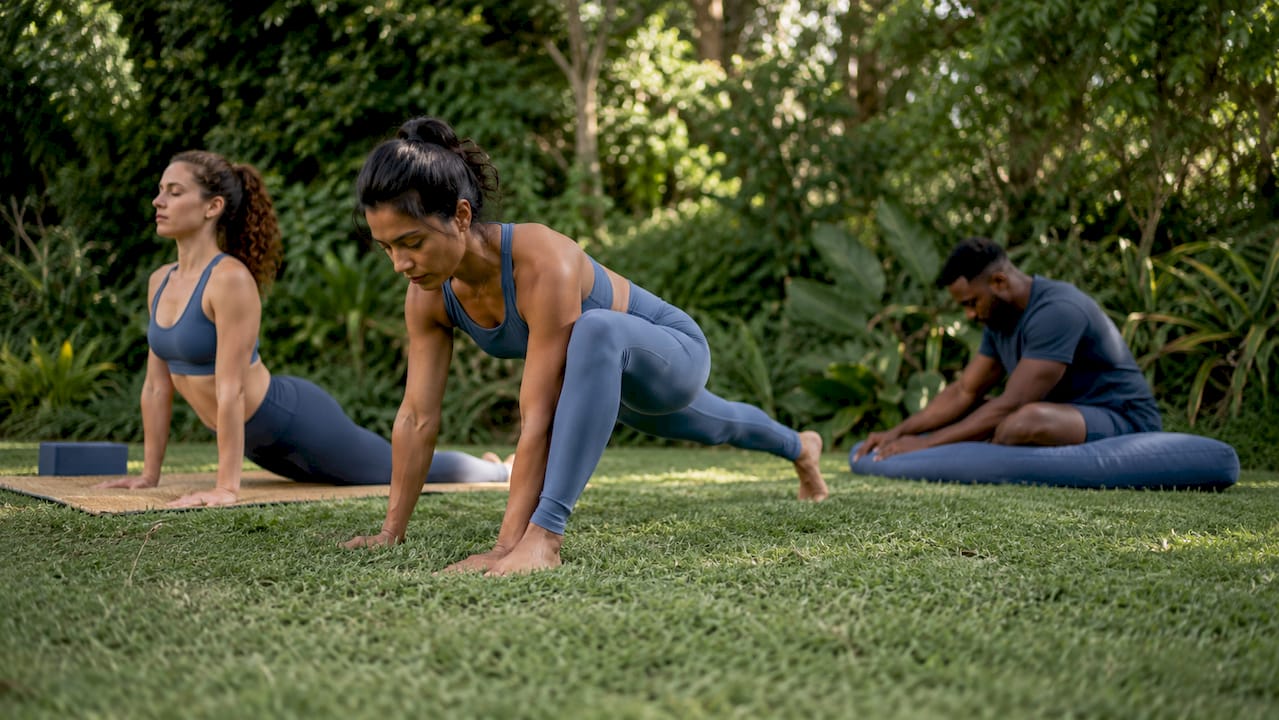
Vinyasa yoga links breath to movement in a continuous flow. It raises heart rate, builds body awareness, and offers cardiovascular benefits comparable to brisk walking or cycling. Vinyasa works well on lighter training days or as a standalone session when you want movement without heavy loading.
Hatha yoga moves at a slower pace and holds poses longer. It builds static strength in stabilizer muscles that compound lifts often miss, including the rotator cuff, hip external rotators, and spinal erectors. Athletes who struggle with shoulder stability or hip mobility see fast returns from regular Hatha practice.
Yin yoga targets fascia, ligaments, and deep connective tissue by holding passive poses for 3–5 minutes. It is the most effective recovery tool in the yoga catalog for strength athletes. A Yin session the evening after a heavy squat or deadlift day accelerates tissue recovery and reduces next-day soreness.
Restorative yoga uses props like blocks, bolsters, and straps to fully support the body in passive positions. It directly triggers the parasympathetic nervous system, lowering cortisol and reducing the cumulative fatigue that derails training blocks.
| Yoga style | Best use case | Session length |
|---|---|---|
| Vinyasa | Active recovery, cardio complement | 20–30 minutes |
| Hatha | Strength and stability building | 20–30 minutes |
| Yin | Post-lifting connective tissue recovery | 15–25 minutes |
| Restorative | Stress reduction, deep recovery | 20–30 minutes |
Breath control is the thread connecting all four styles. Slow, diaphragmatic breathing during yoga shifts the nervous system out of the fight-or-flight state that intense training creates. That shift is where the recovery magic actually happens.
How to schedule yoga within your weekly workout plan
Scheduling is where most people go wrong when they try to integrate yoga into workouts. The goal is not to add more volume. The goal is to place yoga where it amplifies recovery and movement quality without competing with your primary training stimulus.
Follow these four scheduling principles:
- Alternate yoga and lifting days when possible. A Monday strength session followed by Tuesday yoga gives your muscles 24 hours to begin recovery before you ask them to work again.
- Separate yoga from lifting by several hours if training on the same day. Strategic session separation allows your body and nervous system to shift gears between demands. Morning lift plus evening yoga works well for most people.
- Use dynamic yoga as a warm-up, not a full session. Dynamic yoga before lifting improves mobility without fatiguing the muscles you need for heavy work. Keep it to 10 minutes and focus on the joints you are about to load.
- Place Yin or restorative yoga on your hardest training days, in the evening. This is the highest-return placement in any weekly schedule. It turns a recovery window into an active tissue repair session.
Pro Tip: Block your yoga sessions in your calendar the same way you block gym sessions. Treating them as optional is the fastest way to skip them when life gets busy.
A sample week for a strength-focused athlete might look like this: Monday strength, Tuesday Vinyasa, Wednesday strength, Thursday rest, Friday strength, Saturday Yin, Sunday full rest. That structure delivers three strength sessions, two yoga sessions, and two rest days without overlap or overload.
Common mistakes when adding yoga to your fitness routine
Most people who try to integrate yoga into workouts and quit within a month make the same set of errors. Recognizing them early saves weeks of frustration.
- Treating yoga as a workout instead of recovery. Yoga for athletes is a support tool. Approaching it with the same intensity as a gym session defeats its purpose and increases fatigue.
- Starting with sessions that are too long. A 60-minute class feels manageable on a rest day but becomes a burden when stacked on top of four training days. Short, targeted sessions lower the mental barrier and improve long-term adherence.
- Skipping yoga when sore. Soreness is exactly when gentle yoga delivers the most value. Light movement increases blood flow to damaged tissue and speeds repair.
- Choosing the wrong style for the day. A high-intensity Vinyasa flow the night before a max-effort squat session is a poor choice. Match the yoga style to your training load, not your mood.
- Expecting flexibility gains in days. Connective tissue adapts slowly. Four weeks of consistent practice produces real change. Two sessions does not.
“Consistency over intensity is the rule that governs every sustainable fitness habit, and yoga is no exception. Ten minutes every week beats sixty minutes once a month, every time.”
The yoga for strength training relationship works best when yoga improves joint alignment and movement control rather than adding another layer of muscular stress. Weight lifters who add yoga report better squat depth, improved overhead mobility, and fewer nagging joint issues over time. Those outcomes come from patience, not intensity.
Key takeaways
Adding yoga to your fitness routine works best when you treat it as a recovery and mobility tool, schedule it strategically around your primary training, and start with short sessions you can sustain for weeks.
| Point | Details |
|---|---|
| Start with 2–3 sessions per week | Ten to thirty minutes per session is enough to drive real change without overtraining. |
| Match yoga style to training load | Use Vinyasa on lighter days and Yin or restorative yoga after heavy lifting sessions. |
| Separate yoga and lifting by hours | Strategic spacing lets your nervous system recover between sessions and reduces injury risk. |
| Consistency beats intensity | Short, regular sessions produce better long-term results than occasional long classes. |
| Expect results in four weeks | Joint function, recovery speed, and movement quality all improve with four weeks of consistent practice. |
Why I think most people overcomplicate yoga integration
The fitness world has a habit of turning simple things into systems. Yoga integration is not complicated. You do not need a new program, a specialized coach, or a dedicated studio membership to see results.
What I have observed, both personally and in watching others try to build this habit, is that the people who succeed keep it boring on purpose. They pick one or two poses that address their specific tight spots, such as hip flexors from sitting or thoracic spine from bench pressing, and they do those poses for 10 minutes after training. That is it. No elaborate sequence, no app subscription, no matching outfit required.
The functional fitness sweet spot that yoga and strength training create together is real. I have seen it show up as better squat mechanics, fewer shoulder impingements, and a noticeable drop in the low-grade anxiety that hard training blocks can produce. But none of those outcomes require you to become a yogi. They require you to show up for 10–15 minutes, consistently, for a month.
The other thing worth saying plainly: a good mat matters more than most people admit. Slipping during a Warrior pose or feeling every hardwood plank through a thin mat is a fast way to lose motivation. Invest in one piece of quality gear before you invest in anything else. The Yuneyoga blog covers practical guidance on gear selection and beginner-friendly sequences that make this easier to start without overthinking it.
The bottom line is this: keep your yoga sessions short, keep them consistent, and place them where your body actually needs them. Everything else is detail.
— Nicholas
The right gear makes your yoga practice stick
Starting a yoga practice with the wrong equipment is like running in dress shoes. You can do it, but you will not last long.
Yuneyoga carries a curated selection of natural rubber mats, eco-friendly foldable travel mats, yoga straps, and towels built for people who train hard and need gear that keeps up. Every product is designed for function first, with sustainable materials that hold up through daily use. Whether you are rolling out a mat in your living room after a gym session or packing one for a hotel workout, Yuneyoga has the right option. Shop the full collection at Yuneyoga and find the gear that fits how you actually train.
FAQ
How many times a week should I do yoga alongside my workouts?
Two to three yoga sessions per week is the recommended starting point for most fitness enthusiasts. Each session should last 10–30 minutes, depending on your overall training volume.
Can yoga replace a rest day?
Gentle yoga styles like Yin or restorative yoga work well as active recovery on rest days. They are not a replacement for full rest but they do accelerate recovery better than complete inactivity.
Should I do yoga before or after lifting?
Dynamic yoga works as a short warm-up before lifting if you keep it under 10 minutes. For longer sessions, separate yoga from lifting by several hours to protect performance and reduce injury risk.
How long before I see results from adding yoga?
Most people notice improvements in joint function, recovery speed, and movement quality after four consistent weeks of practice. Flexibility gains in connective tissue take longer because ligaments and fascia adapt more slowly than muscle.
What yoga style is best for strength athletes?
Yin yoga is the most effective style for strength athletes because it targets fascia and connective tissue rather than muscle. Hatha yoga is the second best choice for building stability in the smaller muscles that heavy compound lifts miss.


