

The complete guide to choosing and utilizing a yoga foam block
Key Takeaways
Yoga foam blocks are versatile, lightweight tools that help practitioners of all levels improve their form and comfort. This guide outlines how to select, use, and maintain your block for a more effective practice.
- Blocks provide essential elevation to help you reach the floor in challenging stretches.
- Foam options remain the most portable choice for travel and home use.
- Using props helps you maintain safe alignment while building strength and flexibility.
- Regular sanitization and proper storage are necessary to maintain the material integrity.
- Always test the stability of your equipment before placing full body weight onto a block.
The benefits of using a yoga foam block
Incorporating a yoga foam block into your daily practice transforms how you interact with your mat. Whether you are aiming for deeper expression in a pose or simply need extra stability, these props provide a reliable point of contact. By bringing the ground closer to your fingertips, a yoga foam block allows you to find ease in positions that might otherwise feel restrictive or uncomfortable.
Improving alignment and posture
Using a block helps you square your hips and lengthen your spine, which are critical components of proper form. When you rest your hands on a block instead of straining to reach your toes, you prevent the rounding of the upper back. This adjustment ensures that energy flows freely through your chakras and muscles, keeping your body engaged correctly.
Deepening stretches safely
Blocks act as a bridge between your current level of flexibility and your ultimate goal in a pose. By establishing a firm foundation, you can ease into a stretch without the risk of overextending your joints or connective tissues. This gradual approach is significantly better than forcing a range of motion before your body is ready.
Providing support for restorative poses
Restorative sessions often rely on props to allow for complete muscular release. Placing a block under your sacrum or between your shoulder blades facilitates gentle opening that would be difficult to sustain through muscle engagement alone. The steady support creates the perfect environment for everyday tranquility, allowing your body to settle into calming shapes.
Increasing comfort for beginners
Novice practitioners often struggle with balance and reach, leading to frustration during early sessions. Because our Yune Yoga accessories are designed for convenience, adding a foam block makes the experience much more accessible and encouraging for those just starting. Starting with the right support ensures that you can focus on breathing rather than struggling with inaccessible poses.
Understanding materials: foam versus cork and wood
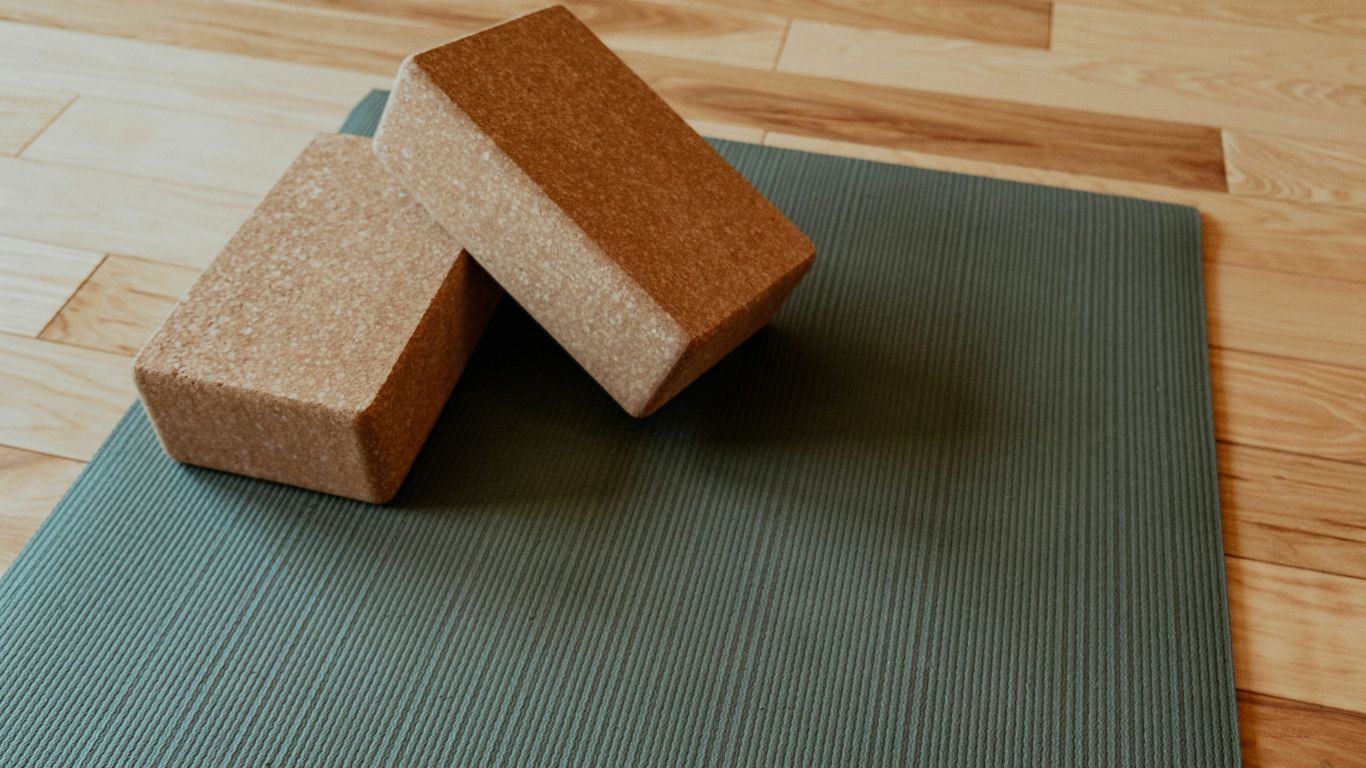
Choosing the right material depends on your specific goals, such as portability or firm support. While natural materials like cork are popular, foam remains the go-to for many due to its unique physical properties. Understanding these differences ensures you select a tool that fits your lifestyle, especially if you move between home and studio frequently.
The lightweight advantage of EVA foam blocks
EVA foam is prized for its featherlight construction, making it an ideal choice for travelers. Because Yune Yoga emphasizes portability, many users prefer these blocks to keep their setup simple while tossing their gear into a bag for a quick getaway. You can easily pair these lightweight blocks with a foldable mat for practice in a hotel room or park.
Stability differences compared to heavier materials
While wood and cork offer a rock-solid feel, foam provides a forgiving, non-slip surface that feels secure during sweatier sequences. A foam block absorbs minor vibrations or imbalances, which helps you stabilize your center of gravity. For those focusing on mastering foundational poses, the slightly softer edge of a block is often more comfortable for supporting the limbs.
Durability and maintenance comparisons
Foam is resistant to moisture and does not break down easily from regular sweat exposure. Unlike wood, which might require specific polishing or care to prevent splintering, foam blocks are designed to last through years of frequent use. You can easily wipe your equipment clean with a mild soap solution.
Price accessibility for home practitioners
For those building a home studio, foam offers the most cost-effective entry point without sacrificing necessary function. You gain a high-quality, long-lasting support tool that enhances your reach and stability while keeping your budget manageable. This makes it easier to invest in other essential props like specialized straps or absorbent towels.
How to choose the right yoga foam block for your needs
Selecting the right block is all about understanding what your body requires during practice. You should consider the height, the firmness, and the material composition to ensure the tool helps rather than hinders your efforts. A well-chosen block becomes an extension of your body, providing invisible support that allows your focus to remain entirely internal.
Standard dimensions versus extra-thick variations
Most blocks are roughly 9” by 6” by 3”, which is perfect for general utility. However, extra-thick variations can provide a greater surface area for specific restorative postures or for practitioners with shorter arms who need additional lift. Taking time to measure your reach can help you determine the height that allows your spine to remain straight.
Assessing physical density for structural support
Density is the most important factor in how much weight a block can bear. Look for a block that does not collapse when you apply pressure with your full body weight during a balance pose. A high-quality firm foam block provides just enough give to be comfortable while maintaining its structural integrity under pressure.
Identifying high-quality non-toxic foam
Safety is paramount, so always prioritize high-density foam that is free of lead, DEHP, or other harmful chemicals. Many reputable providers clearly state their material standards, ensuring that you are using gear that is safe for your skin during long periods of contact. Choosing responsibly sourced materials supports your health and the longevity of your practice.
Color and aesthetic considerations for personal style
While function is key, choosing a color that brings you joy can add a positive layer to your daily routine. Many individuals find that a cohesive setup, where the blocks match their favorite Yune Yoga mat or towel, helps cultivate a sense of order and peace. Whether you prefer calming blues or vibrant energetic oranges, your gear should feel like a personal reflection of your commitment to yourself.
Integrating a foam block into your yoga routine
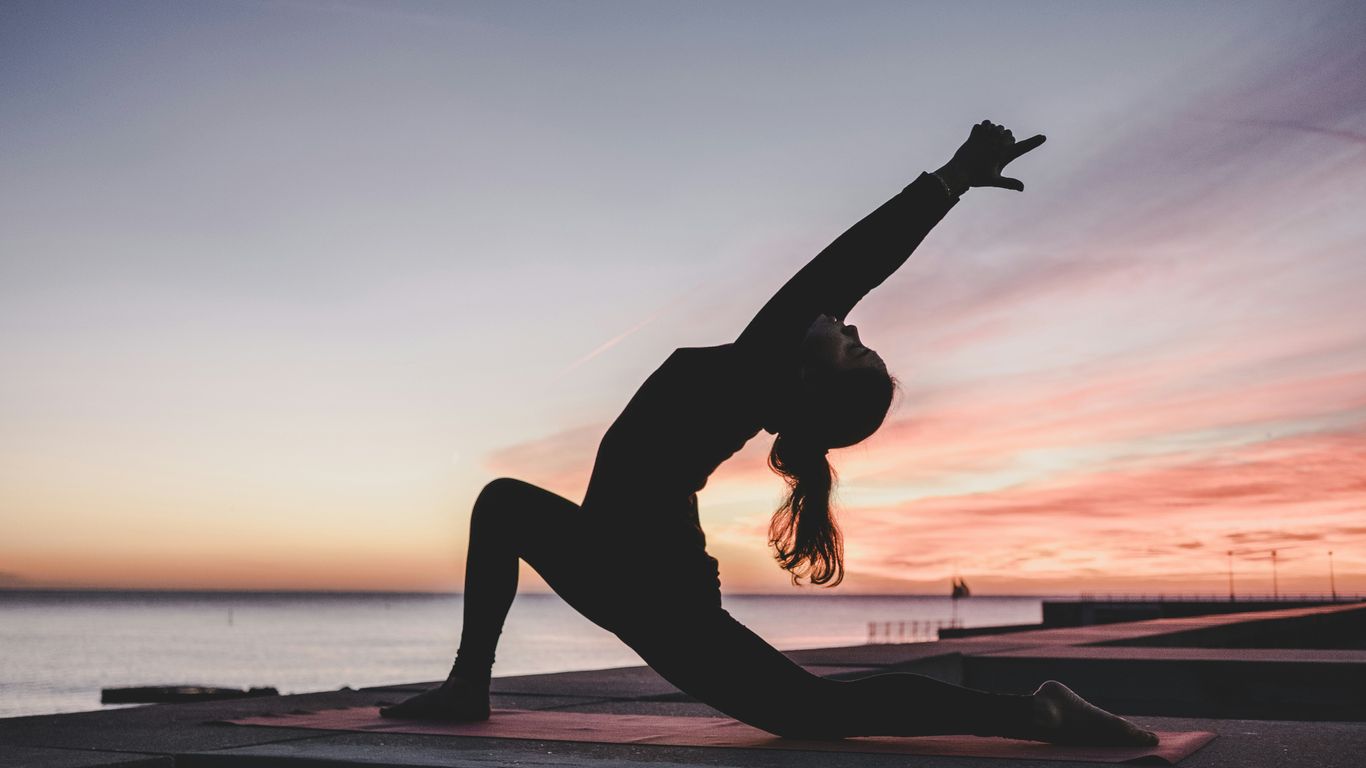
Once you have your block, identifying the best ways to incorporate it into your sessions will deepen your progress. Blocks are not just for beginners; advanced practitioners use them to move deeper into binds or to challenge their balance in new ways. Seeing how these props fit into standard poses is essential, and watching a few demonstrations can really clear up confusion.
Using blocks in standing poses like Triangle and Half Moon
In Triangle pose, place the block at the highest setting directly under your bottom shoulder. This modification improves your alignment and posture by creating space in the torso, allowing you to stack your ribs rather than collapsing toward the floor. Similarly, in Half Moon, the block brings the floor up to meet your hand so you can fully extend your floating leg.
Supporting the spine in seated forward folds
When sitting in a forward fold, placing a block under your heels can take pressure off your hamstrings. Alternatively, if your lower back feels tight, putting a block under your seat helps tilt your pelvis forward. This simple adjustment ensures that you move from the hips instead of the lumbar spine, protecting your back.
Modifications for restorative heart openers
To safely open your chest, place a block at the medium height under the shoulder blades while in a supine position. This allows the heart space to widen and the breath to deepen naturally without relying on extreme muscle effort. It is a wonderful way to wind down after a long day of hunching over a desk.
Utilizing blocks for balance and stability exercises
Try performing a tree pose while standing on two blocks to challenge your proprioception. This adds a variable of height that forces your core to stabilize constantly, which builds immense focus. Consistent practice with these tools ensures you are ready for more complex transitions on the mat.
| Pose Name | Block Placement | Primary Benefit |
|---|---|---|
| Triangle Pose | Under bottom hand | Spinal elongation |
| Seated Fold | Under seat | Pelvic tilt |
| Bridge Pose | Under sacrum | Passive release |
Following a structured approach to your props ensures you get the most out of every transition.
- Check your alignment before entering the pose.
- Adjust the block height based on your current flexibility.
- Breathe deeply without forcing the stretch.
- Slowly exit the shape to maintain stability.
By following these steps, you build a sustainable practice that serves your needs today and in the future.
Proper care and cleaning of your foam block
Taking regular care of your gear extends its lifespan and ensures it stays hygienic. Because yoga involves significant skin contact and perspiration, maintaining a clean surface is essential. Developing a simple post-practice routine keeps your equipment in top condition without requiring too much extra effort.
Sanitizing foam surfaces after hot yoga
After a particularly vigorous or hot class, your block likely has sweat residue on it. Wipe the surface down with a damp cloth and a very small amount of mild, natural soap to eliminate bacteria. Let the block air dry completely before storing it, as trapped moisture inside the pores can eventually lead to unwanted odors.
Avoiding damage from excessive heat or sun
Direct sunlight can cause foam materials to fade, crack, or become brittle over time. Keep your gear away from radiators or windows that receive intense afternoon light. This simple habit keeps the foam structure resilient and prevents it from turning chalky or crumbly.
Preventing permanent indentations and material wear
Do not stack heavy items on top of your blocks when they are not in use. While the foam is designed to support body weight during exercise, constant, localized pressure from heavy household objects can result in permanent dents. Lay them flat or store them on a shelf to keep the surface smooth and consistent.
Storing blocks to retain their original shape
Keep your blocks in a cool, dry area where they have plenty of room. If you are a frequent traveler, consider using a dedicated bag to protect them from dirt and incidental pressure. Maintaining their shape ensures they always provide the exact support level you expect during your transition from one pose to the next.
Safety tips for using yoga props
Safety is the foundation of a long-term yoga practice. While props are designed to help you, they must be used intentionally to avoid unintended strain. By paying attention to the material condition and your technique, you ensure that every session remains a source of growth.
Testing block stability before bearing weight
Before placing your foot or hand firmly onto a block, ensure it is positioned on a flat, non-slip surface. If you are using a professional-grade mat, the block should have significant grip. Press into it gently to confirm it is not prone to rocking, which is a common cause of minor injuries in beginner classes.
Adjusting block height to prevent overstretching
Always start at the highest setting and work your way down as your flexibility increases. If you find yourself reaching toward the floor and your breath becomes constricted, you have gone too low. Raising the block height provides the space you need to breathe correctly, which is the hallmark of a safe physical practice.
Working with wall support during complex transitions
If you are practicing challenging balance poses, position your mat near a wall. This gives you a safety net if you feel you might lose your balance. Using a block in combination with wall support allows you to explore new range-of-motion limits without the fear of falling.
Identifying structural signs that a block needs replacing
Monitor your equipment for significant cracks or large chunks missing from the corners. While minor wear is expected, excessive crumbly edges suggest the foam density is degrading, which can compromise the stability of your poses. Replace your block if it no longer maintains its shape reliably under light pressure.
Conclusion
Choosing and utilizing a foam block is one of the most effective ways to support your personal growth on the mat and ensure your practice remains safe and sustainable. By selecting high-quality materials and learning how to integrate these tools into your poses, you gain the confidence to explore new shapes with total ease.
Frequently Asked Questions
Can I use a yoga foam block if I am a complete beginner?
Yes, blocks are arguably most useful for beginners who are still working on their flexibility and balance. They provide the necessary height to help you reach the floor properly in poses like Triangle or forward folds.
How often should I clean my yoga block?
It is best to wipe down your block after every session, especially if you have been sweating. A deeper clean with a gentle soap solution once a week is usually enough to keep it fresh and free of debris.
Do I need two blocks or just one?
While one block is helpful for many poses, having two is highly recommended for symmetry. Many standing and restorative poses utilize a block under each hand or side, allowing for a balanced reach.
Is foam better for my wrists than cork?
Many practitioners find that foam is slightly more forgiving on the wrists. While cork is sturdy, its harder surface doesn't offer the same slight 'give' that high-density foam provides during weight-bearing movements.
Can a foam block be used for anything other than yoga?
People often use these blocks for physical therapy exercises, Pilates, or any rehabilitation work that requires elevation and support. They are a multi-purpose tool that can assist with a variety of structural movements.
Will a foam block slip on a standard yoga mat?
Most modern foam blocks are designed with a texture that grips most standard mats very well. As long as your mat is clean and not overly dusty, the block should provide a very stable base for your practice.
What should I do if my block develops an odor?
If your block begins to smell, wash it with a gentle, non-toxic cleaner and let it air dry in a well-ventilated space for at least 24 hours. Avoid using harsh chemicals as these can degrade the material and potential cause skin irritation.

