

The complete guide to yoga asanas and names: understanding the practice
Key Takeaways
Practicing yoga is more than just stretching; it is an exploration of legacy and physical form. Discovering how these ancient movements translate into modern routines helps build a sustainable practice.
- Yoga combines ancient lineage with contemporary physical training.
- Poses differ by type, including standing, seated, and balancing forms.
- Sanskrit names hold clues to the meaning and intent of each posture.
- Safety relies on conscious breathing and solid physical foundations.
- Progression is best achieved through consistent, intentional sequence development.
Understanding the history of yoga asanas
The evolution from ancient physical and spiritual roots
The practice of physical movement has deep origins. Understanding how these forms developed provides context for why we hold specific shapes today. Many practitioners find that recognizing this legacy deepens their daily routine, whether they are on a Yoga Poses Guide or simply training at home.
Transliteration and linguistic history of Sanskrit terminology
Moving beyond simple translations requires looking at the roots of language. We often use terms passed down through generations, yet their origins remain a central part of the discipline. Exploring the Yoga Poses Dictionary allows students to connect the ancient terminology with modern body positions.
How yoga taxonomy has changed over the centuries
As the discipline spread globally, the way we categorize postures naturally shifted. While older methods focused on strict hierarchies, modern instruction categorizes movements by mechanical function and physical outcome to make practice more accessible.
Essential categories of yoga poses
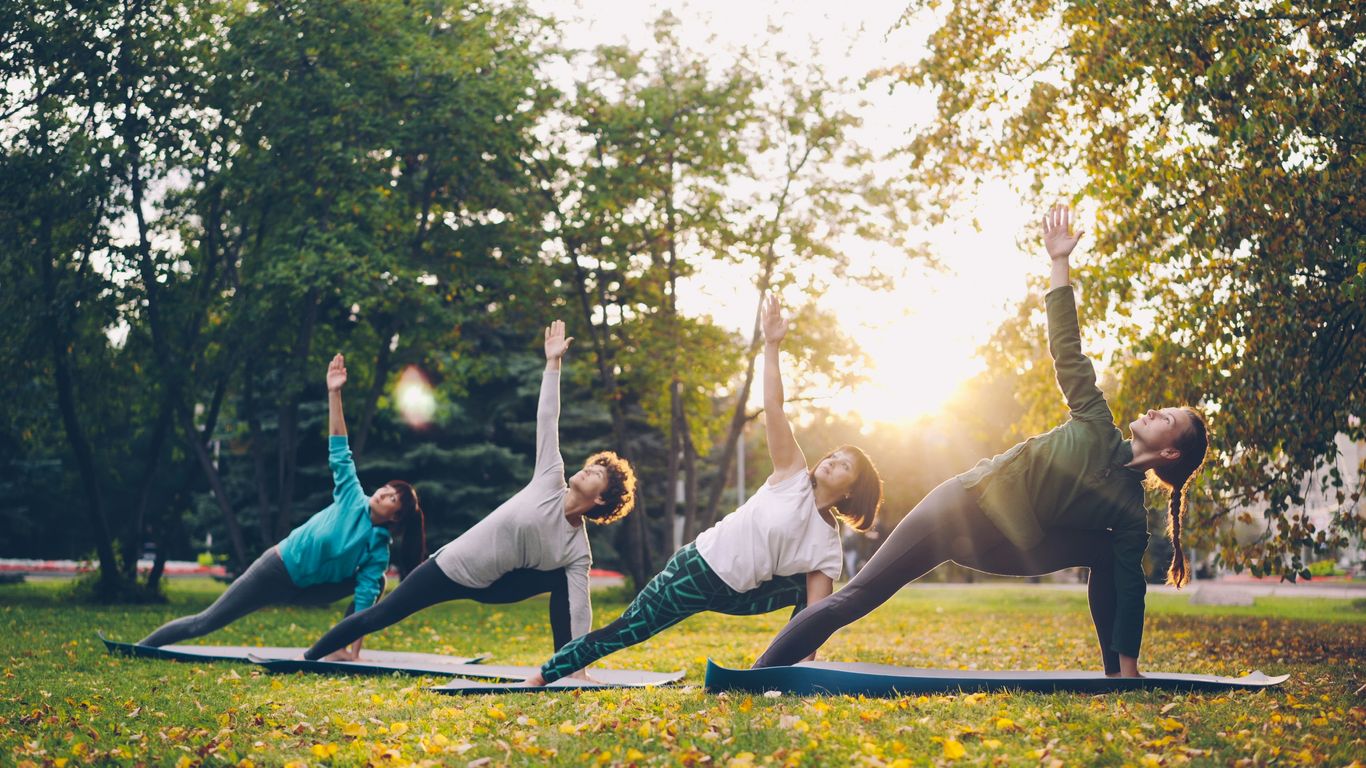
Standing asanas for foundational stability
Standing postures serve as the bedrock of any session. By creating a solid base, you prepare the body for more complex maneuvers while building basic strength in the legs and core.
| Posture Category | Primary Focus | Best Practice Tool |
|---|---|---|
| Standing | Rooting down | Non-slip mats |
| Balancing | Center of gravity | Focused gaze |
| Seated | Hip mobility | Durable yoga straps |
Seated postures for pelvic and spinal flexibility
Seated work is where most students find room for deep release. Using reliable equipment like Yune Yoga foldable travel mats provides the support needed for long-held positions anywhere, from a quiet hotel room to a peaceful park bench.
Balancing poses for core strength and focus
Trying new balancing acts challenges your equilibrium and sharpens concentration. These poses are essential for building core strength as they demand constant micro-adjustments and steady breath to maintain stillness.
Inversions and their unique mechanical benefits
Turning your perspective upside down creates a unique mechanical advantage for circulating blood and refreshing the body after a long day. Many find that carrying lightweight Yune Yoga accessories makes it easier to practice these challenging forms while traveling.
Deciphering Sanskrit names for yoga poses
Analyzing common prefix and suffix meanings
Sanskrit names often act as a roadmap for the pose. By learning specific prefixes, a practitioner can intuit the shape of a posture even if they have never encountered it before. This Yoga Journal A-Z Directory of Yoga Poses serves as a helpful reference to bridge naming conventions with physical execution.
Themes behind animal-inspired asana names
Many classic positions mimic the shapes or spirits of animals found in nature. These names offer a gentle way to embody traits like grace, strength, or flexibility during a session.
The cultural influence of naming poses after ancient sages
Naming postures after legendary figures reinforces the human connection to the history of the practice. It reminds us that these shapes were refined by people who were just as curious about the potential of the human body as we are today.
Safety and alignment in physical asana practice
The importance of grounding and physical foundations
Safety starts from the ground up, requiring a stable surface and mindful placement of hands and feet. Proper foundation prevents unnecessary strain on joints and ensures that the muscles are doing the intended work during high-intensity sequences.
Modifying asanas for injury prevention and accessibility
Customizing the practice to your own body is a sign of maturity rather than a lack of progress. Always listen to your limits and use tools like Yune Yoga straps to extend your reach safely.
Integrating conscious breathing with distinct movements
Breathing provides the rhythm that connects singular motions into a flow. Following a established sequence from a yoga asanas guide helps to coordinate every movement with a breath, making the session feel more organic and less forced.
- Establish a neutral and steady resting breath before you move.
- Initiate every transition during an inhale or exhale cycle.
- Avoid holding the breath even during challenging stretches.
- Maintain smooth, even inhalations to calm the nervous system.
Advanced asana progression techniques
Building physical endurance through repetitive sequences
Endurance develops when we repeat movements with precision. This kind of disciplined repetition is what allows the body to adapt to more demanding, deeper ranges of motion over time.
Deepening range of motion in complex poses
Focusing on gentle, consistent pressure helps the joints and connective tissues open up. It is not about force, but rather steady and persistent effort that creates lasting change in flexibility.
Strategies for creating a balanced personal practice routine
Drafting your own sequence is rewarding, but it must be balanced to be effective. A good routine should cycle through various movements to ensure that every muscle group gets attention without overworking any specific area, much like using Yune Yoga gear to ensure your setup is always practical and ready for travel.
Conclusion
Exploring the vast landscape of yoga asanas and names brings a deeper layer of meaning to a regular workout. By understanding the roots, categories, and safety protocols involved, you can build a practice that feels both grounded and deeply connected to your own unique needs.
Frequently Asked Questions
Why do yoga poses have Sanskrit names?
Sanskrit is the traditional language of yoga, and these names describe the form, function, or historical origins of each position, providing a universal system for teachers and students.
Should I always use props during my practice?
Props like straps or blocks are tools used to assist with alignment and accessibility, allowing you to perform a pose comfortably regardless of your current flexibility level.
Do I need to be flexible to start yoga?
Flexibility is a result of consistent practice rather than a requirement to begin. Many find that they become much more flexible after just a few weeks of regular, moderate movement.
How often should I practice to see improvements?
Consistency is more important than duration, so practicing for fifteen minutes daily is often more effective for building strength and flexibility than doing one long session a week.
Can I learn yoga from online resources?
Digital resources and guides are excellent ways to learn the basics, though starting with professional instruction can help ensure your alignment is correct from the start.
What makes a pose a balancing posture?
Balancing poses require you to distribute your body weight through fewer contact points with the floor, forcing you to utilize your core muscles to maintain stability.
How do I know if a pose is safe for me?
Always prioritize how your body feels during a movement; if you experience sharp pain or inability to breathe, exit the pose immediately or adjust your positioning to release the strain.

