Natural Rubber Latex for Yoga Mats: Tree Sap Can Trigger Allergies
Natural rubber latex is the milky sap tapped from the Hevea brasiliensis rubber tree, and it becomes solid rubber only after coagulation and vulcanization. Because that sap carries tree proteins, it can trigger allergic reactions in some people. That is why the FDA has specific guidance on how products with and without it should be labeled.
TL;DR:
- People with latex allergies should avoid natural rubber, check full material lists, and favor products labeled as not made with natural rubber latex, not simply latex free.
- Choose natural rubber for tacky grip and stretch, but synthetic mats may be lighter, cheaper, and more resistant to sunlight or oils.
- Clean rubber mats with mild soap, dry them fully in shade, and keep them away from direct sun, heat, solvents, bleach, and heavy oils.
- Natural rubber comes from renewable trees, but plantation expansion can harm forests and biodiversity, so responsible sourcing and traceable supply chains still matter.
Table of Contents
- Where does natural rubber latex come from?
- How does raw latex become solid rubber?
- How is natural rubber latex different from synthetic latex?
- What are the key properties and common uses of natural rubber latex?
- What should you know about latex allergy, safety, and labeling?
- Is natural rubber production sustainable?
- How do natural rubber yoga mats compare with synthetic ones?
- How do you care for a natural rubber yoga mat?
- What yoga gear works if you have a latex allergy?
- Why natural rubber still makes sense for most practitioners
- FAQ
- Sources
Where does natural rubber latex come from?
Almost all commercial natural rubber latex comes from one species, Hevea brasiliensis, the rubber tree. Latex from this tree is the sap used to make many products in health care and beyond. Many other plants produce a milky latex, but none supply the bulk of the world’s natural rubber the way Hevea does.
Harvesting is called tapping. A worker cuts a shallow groove into the bark, and the sap slowly drips into a collecting cup. The cut is shallow on purpose, so the tree can heal and keep producing. Here is what to know:
- Immature phase: young trees are planted and grown for several years before they are ready to tap.
- Mature phase: once trees reach tapping size, plantations harvest them repeatedly across many seasons.
- Appearance: fresh latex is a white, watery liquid, much like thin milk, and it begins to thicken quickly if left alone.
- Collection: the sap is gathered, kept liquid with preservatives, and sent for processing.
How does raw latex become solid rubber?
Liquid latex is not usable as a finished material. It has to be turned into something solid, elastic, and durable. The solid form most people mean when they say “dried latex” is the coagulated and dried sap, which is processed into sheets or crumb rubber and then made into products like gloves, mattresses, balloons, and elastic clothing parts.
The path from tree to product follows a few main steps:
- Collection and preservation: raw sap is stabilized so it stays liquid until it reaches a processing facility.
- Coagulation: acid or another agent causes the rubber particles to clump into a solid mass.
- Drying: the solid is pressed and dried into sheets or broken into crumb.
- Compounding: manufacturers add accelerators, antioxidants, and other ingredients, and these formulations are often proprietary.
- Vulcanization: heat and chemical crosslinking cure the rubber, giving it the elasticity and durability that make it useful.
Without vulcanization, rubber stays soft and sticky and breaks down quickly. The curing step is what turns it into a dependable thermoset material.
How is natural rubber latex different from synthetic latex?
“Latex” is a loose word. Scientifically, it refers to any water-based polymer emulsion, which means natural rubber latex is only one kind. Natural rubber latex is the plant-derived, protein-rich sap. Synthetic latex is petroleum-based and lacks the specific tree proteins linked to latex allergy.
Each material has its own strengths:
- Elasticity and strength: natural rubber offers high-performance stretch and tensile strength.
- Weather and chemical resistance: synthetic rubbers are engineered to handle sunlight, oils, and chemicals better, which is why they are preferred in many industrial uses.
- Allergy profile: natural rubber contains tree proteins that can cause reactions, while synthetic formulations do not contain those proteins.
- Source: natural rubber is renewable and plant-based, while synthetics come from petroleum feedstocks.
Natural rubber latex “offers high-performance elasticity” while synthetic rubbers are engineered to address limits like sunlight degradation and chemical resistance. In practice, neither material wins everywhere. The right choice depends on what the product has to do.
What are the key properties and common uses of natural rubber latex?
Manufacturers keep reaching for natural rubber because of how it behaves. It stretches a long way before breaking, snaps back into shape, resists tearing, accepts color well, and stays flexible. Those traits explain why you meet it in so many places.
Common product categories include:
- Medical devices and gloves
- Balloons and condoms
- Mattresses and pillows
- Elastic components in clothing
- Yoga mats and other grip surfaces
These items cover a lot of everyday life, from the clinic to the bedroom to the studio floor.
Pro Tip: Choose natural rubber when you need maximum stretch and grip, and choose a synthetic when chemical or UV resistance, or a latex-free profile, matters most.
That rule of thumb holds up across most purchases. A mat that has to grip a sweaty palm benefits from natural rubber’s tackiness. A product left in sunlight or exposed to oils usually does better with a synthetic. And anyone with a known latex allergy should skip natural rubber entirely and look for clearly labeled alternatives.
What should you know about latex allergy, safety, and labeling?
Latex allergy is a real concern. Latex from Hevea brasiliensis contains multiple protein allergens, numbered Hev b1 through Hev b15, and both those proteins and added chemicals can cause different types of reactions. The FDA notes that latex can cause reactions ranging from skin rashes to anaphylaxis, and that consumers should check ingredient lists and contact manufacturers when they are concerned.
Reactions fall into three broad types:
- Irritant reactions: dry, itchy, irritated skin that is not a true allergy.
- Type IV delayed reactions: a rash that appears hours or days later, often tied to residual chemical additives.
- Type I immediate reactions: an IgE-mediated response that can range from hives to life-threatening anaphylaxis.
Treatment depends on severity, with emergency care for serious immediate reactions. Prevention centers on avoidance. Strict avoidance remains the general gold-standard safety measure, although some patients have had success with specialized immunotherapy under medical care. Testing approaches for skin sensitization are described in FDA guidance on natural rubber products.
The FDA recommends the phrase “Not made with natural rubber latex” instead of “latex-free,” because the latter can be misleading and is analytically unsupported. So when a medical product makes a claim, read the exact wording.
Is natural rubber production sustainable?
Natural rubber is renewable, and much of it is grown by smallholders. Trees need several years before tapping begins, and plantations move from an immature phase to a mature one. That long timeline shapes how growers plan their land and income.
The sustainability picture has real questions in it:
- Land use: converting land to rubber plantations can affect forests and biodiversity.
- Livelihoods: many families depend on rubber income, so fair supply-chain practices matter.
- Production practices: research is working on improving how rubber is grown and processed, along with circular-economy solutions such as reuse and recycling, especially of tires.
No material is perfectly green. Renewable sourcing is a genuine advantage, but it works best when paired with responsible land management and traceable supply chains.
How do natural rubber yoga mats compare with synthetic ones?
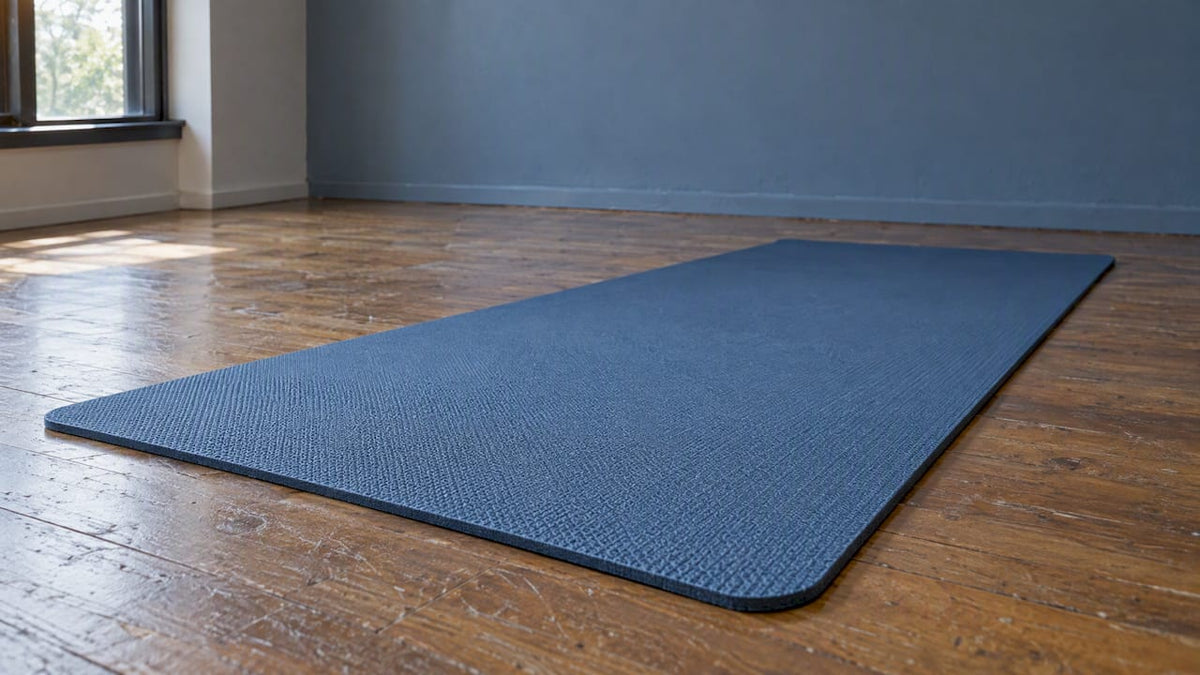
Yoga mats are where the natural versus synthetic question gets practical. Natural rubber mats are prized for grip. The material has a slightly tacky surface that holds your hands and feet in place, even as you sweat, and it has a dense, cushioned feel underfoot. That is why we offer natural rubber mats.
Synthetic alternatives, such as PVC, TPE, and polyurethane, behave differently. Some are lighter and cheaper, and many resist moisture and sunlight well. They also lack the tree proteins tied to latex allergy, which makes them a fit for some buyers. On eco-friendliness, natural rubber starts from a renewable plant source, while synthetics start from petroleum. Durability and recyclability vary a lot by brand and formulation, so a label alone does not settle it.
Here is a fair way to weigh them:
- Grip: natural rubber tends to feel stickier and more secure, especially when hands get damp.
- Cushion and weight: rubber mats are often heavier, which suits home practice but is less convenient for carrying.
- Eco profile: a renewable plant source is appealing, though sourcing practices still matter.
- Allergy: synthetics are the safer starting point for anyone sensitive to latex.
If you want a deeper side-by-side, our guide on PU versus natural rubber yoga mats walks through the grip and eco tradeoffs.
How do you care for a natural rubber yoga mat?
A little routine care keeps a rubber mat gripping and hygienic for a long time. Rubber is a natural material, so it reacts to heat, light, and harsh cleaners more than a synthetic might.
Start with regular cleaning. Wipe the surface after practice with a damp cloth and a small amount of mild soap or a gentle mat spray. Skip harsh solvents, bleach, and heavy oils, since they can break the rubber down and leave it brittle or sticky. Rinse away any residue so the surface stays grippy rather than slick.
Then let the mat dry fully. Hang it or lay it flat in a shaded spot with good airflow. Rolling up a damp mat traps moisture and invites odor and mildew.
A few more habits go a long way:
- Avoid direct sun and heat: long exposure can dry out the rubber and speed up aging.
- Store it rolled or flat: keep it away from radiators, hot cars, and sharp edges.
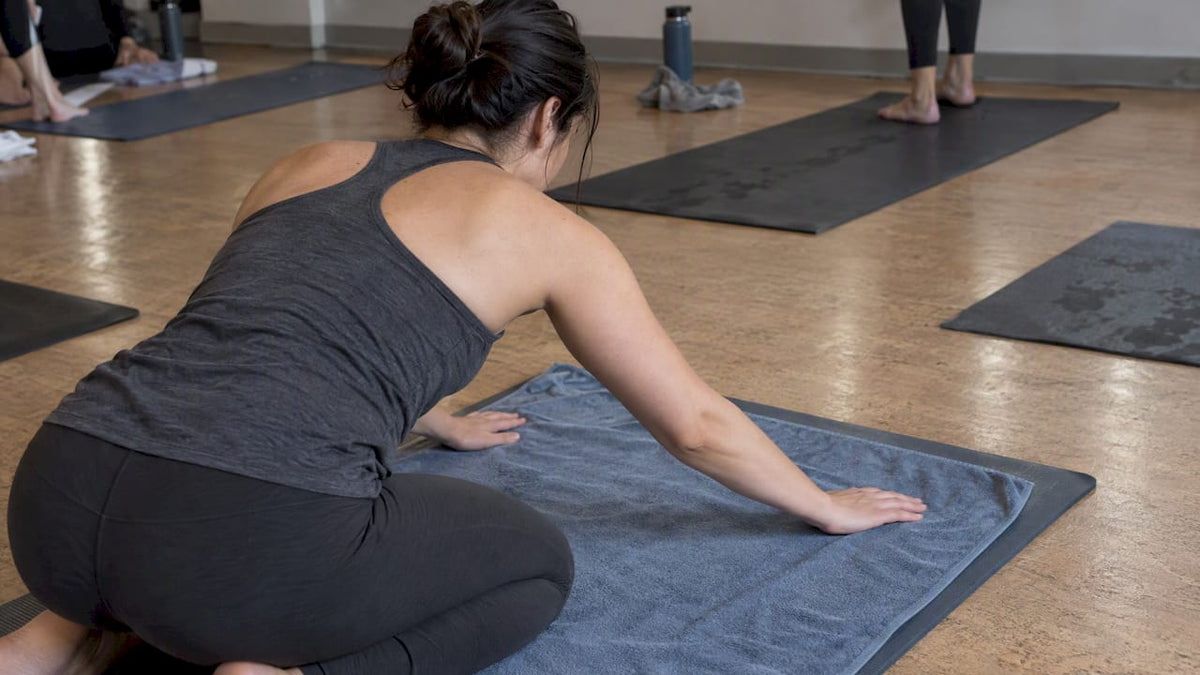
- Use a towel for sweaty sessions: a yoga towel soaks up moisture and protects the surface.
- Expect a break-in period: a new mat may have a natural rubber scent that fades with airing and use.
For more on how the material gets to your studio floor, see our guide from tree to mat.
What yoga gear works if you have a latex allergy?
If you are allergic to latex, a natural rubber mat is not the right pick. Because strict avoidance is the standard safety measure, the goal is to choose gear made from other materials and to read labels carefully. Remember the FDA’s point that “latex-free” can be misleading, so look for clear statements about what a product is made from and ask the maker when anything is unclear.

Good places to look include mats made from polyurethane, TPE, PVC, or cork-based surfaces, which do not use natural rubber latex. Check each product description, because blends exist and some mats combine materials. Yoga towels and straps made from microfiber or cotton are generally good options, since they are not rubber products. Elastic parts in clothing can still contain latex, so check labels on waistbands and bands too.
A few practical steps help:
- Read the full material list: do not rely on a single marketing phrase.
- Contact the seller: ask directly whether any natural rubber latex is used anywhere in the product.
- Layer for safety: a non-rubber towel or mat cover can add a barrier between you and a surface you are unsure about.
- Talk to your clinician: if your allergy is severe, ask about the right precautions for your situation.
Our broader guide to understanding different yoga mat materials can help you compare options before you buy.
Why natural rubber still makes sense for most practitioners
Here is the editorial view: for people with no latex sensitivity, natural rubber is hard to beat for a yoga mat. Its grip and springy cushion solve the exact problem a mat exists to solve, which is keeping you steady while you move. The renewable source is a bonus, though not a free pass. Sourcing and care still matter.
We curate natural rubber and eco-conscious mats and publish guides so you can choose with confidence. If you are weighing grip, sustainability, and upkeep, start with our natural rubber yoga mat benefits guide, and if you are allergic, treat that as the first filter, not an afterthought.
— Nicholas
This article is general information, not a substitute for advice from a qualified doctor. Consult a qualified healthcare professional about your own circumstances before acting on anything here.
FAQ
What antihistamine is recommended for treating a latex allergy?
Treatment depends on how severe the reaction is, so there is no single answer for everyone. Mild skin symptoms are often managed differently from serious immediate reactions, which need emergency care. Ask your doctor which medicine is right for you, and do not rely on an antihistamine alone for breathing trouble or swelling.
Do bras have latex in them?
Some can. Elastic bands and straps are common places for natural rubber, and the FDA advises consumers to check ingredient lists and contact makers when they are concerned about latex in products. Read the care label and ask the brand if it is unclear.
What is dried latex?
Dried latex is the solid form of the sap after it has been coagulated, dried, and processed. It is used to make sheets or crumb rubber, and it ends up in gloves, mattresses, balloons, and other products, as described in this overview of natural rubber.
What are the disadvantages of natural rubber?
Natural rubber is less resistant to sunlight, oils, and some chemicals than many synthetics. It also contains tree proteins that can cause allergic reactions in sensitive people, so those individuals should avoid it.
Sources
- Latex Allergy: Current Status and Future Perspectives - PMC
- Latex in Cosmetics | FDA
- Latex Allergy - StatPearls - NCBI Bookshelf