Rubber Yoga Mats for Eco-Conscious Yogis: A Buyer's Guide
For most eco-conscious buyers, Yuneyoga’s organic natural rubber mat is the clearest pick: it uses responsibly tapped latex, carries third-party sustainability certifications, and grips harder the sweatier your practice gets.
TL;DR:
- Natural rubber is non-toxic and free of the petrochemical off-gassing common in PVC mats
- Grip actually improves with moisture, making it reliable for hot yoga and vinyasa
- Look for GOLS, GOTS, or MADE SAFE certification to verify sustainability claims before buying
To order, visit the Yuneyoga natural rubber mat product page or contact customer support for sizing guidance.
Table of Contents
- What should you look for when buying rubber yoga mats?
- What does “natural rubber” actually mean, and how does it compare to synthetic options?
- Which thickness and texture fit your yoga style?
- Which certifications can you actually trust on a yoga mat?
- Why natural rubber matters for your health and the environment
- How do you clean and extend the life of a natural rubber mat?
- Who should buy a natural rubber mat, and who should look elsewhere?
- Key Takeaways
- The case for going natural, even when it costs more
- Useful sources and verification links
What should you look for when buying rubber yoga mats?
The three criteria that matter most: material sourcing and composition, grip performance for your specific practice, and third-party certification. Everything else, including color and pattern, is secondary.
Here is a concrete checklist to run through before you buy:
- Material composition: Is it 100% natural rubber, a blend, or a synthetic labeled “rubber-like”? Ask directly.
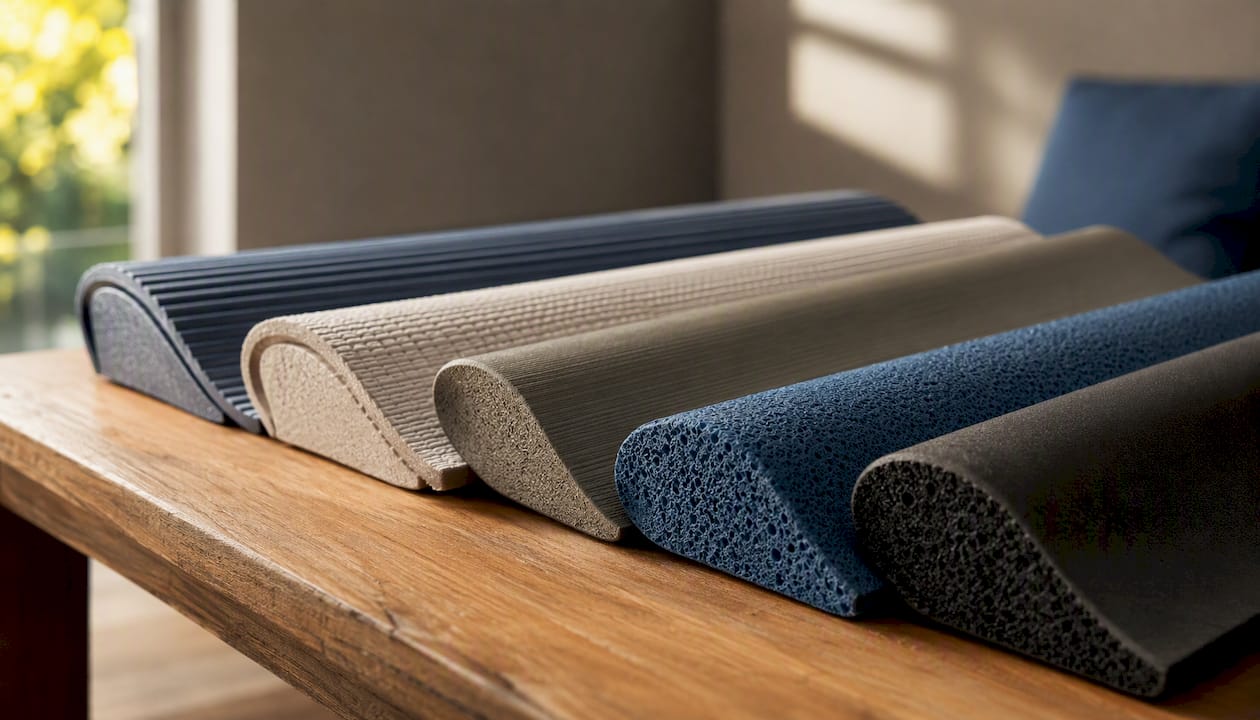
- Thickness: 3mm for travel and balance work, 4–5mm for all-around use, 6mm+ for restorative or joint-sensitive practice.
- Texture: Open-cell or patterned surfaces grip better when wet; smooth surfaces tend to slide.
- Weight: Natural rubber mats typically run heavier than TPE or PVC options. Factor this in for commuting.
- Certifications: GOLS (organic latex), GOTS (organic textiles), and MADE SAFE are the three worth trusting. Others are marketing.
- Manufacturing transparency: Can the brand show where the rubber is tapped and how it is processed?
- Warranty and return policy: A mat backed by a real return window signals the brand stands behind durability.
- Price range: Expect $60–$120 for a genuinely certified natural rubber mat. Below that, scrutinize the materials claim carefully.
Questions to ask any seller before buying:
- Is the rubber processed using Dunlop or Talalay method?
- Are adhesives or petrochemical coatings used anywhere in the mat?
- Can you share the GOLS, GOTS, or MADE SAFE certificate number for independent verification?
Red flags to walk away from:
- Vague labels like “natural rubber-like material” or “eco foam”
- No certification documentation available on request
- A strong chemical smell out of the package (off-gassing from adhesives or synthetic fillers)
- Lifetime warranty claims with no written terms
Pro Tip: Before committing to a mat, unroll it in a warm room and smell it. A faint earthy scent is normal for natural rubber. A sharp chemical or plastic odor points to synthetic fillers or adhesive coatings, regardless of what the label says.
What does “natural rubber” actually mean, and how does it compare to synthetic options?
Natural rubber comes from the latex of Hevea brasiliensis trees, tapped by hand and processed into a mat base. That is meaningfully different from PVC, TPE, or polyurethane, which are petroleum-derived and manufactured through energy-intensive chemical processes.
The two main processing methods for natural latex are Dunlop and Talalay. Dunlop is simpler: latex is poured into a mold, steam-baked, and vulcanized. Talalay adds vacuum and flash-freeze steps, producing a more uniform cell structure but requiring more energy and processing. For yoga mats, Dunlop is the more common choice and the one that can be certified under GOLS standards for organic latex. Talalay is harder to certify at the organic level.
| Material | Off-Gassing Risk | Grip When Wet | Biodegradable | Certification Available |
|---|---|---|---|---|
| Natural rubber (Dunlop) | Low | Improves | Yes (partial) | GOLS, GOTS |
| Natural rubber (Talalay) | Low | Improves | Yes (partial) | Limited |
| PVC | High | Degrades | No | None credible |
| TPE/EVA foam | Moderate | Variable | Partial | Limited |
| PU-coated surface | Moderate | Good initially | No | Rare |
Independent roundups consistently flag PVC and some synthetic foams for containing plasticizers and releasing volatile compounds during use, particularly in heated environments.
Natural rubber vs. synthetic: the practical differences
- Natural rubber grips better as it gets wet; PVC and some TPE surfaces become slippery under sweat
- Natural rubber is heavier but more durable under daily use
- PVC mats are cheaper upfront but carry a higher chemical load and do not biodegrade
On adhesives, coatings, and fragrances: Some mats bond a natural rubber base to a fabric top using synthetic adhesives, which undermines the non-toxic claim. Glue-free bonding, where the layers are vulcanized together or mechanically pressed, is the cleaner option. Detailed non-toxic mat reviews document glue-free constructions and natural cork or latex combos that reduce chemical exposure and improve breathability. Fragrances added to mask rubber odor are another red flag: they introduce additional chemical compounds with no performance benefit.
Latex allergy note: Natural rubber contains proteins that can trigger reactions in people with latex sensitivity. If you have a known latex allergy, choose a TPE or cork-surface mat instead. For those unsure of their sensitivity, place a small piece of the mat against your inner forearm for 30 minutes before extended use. Any redness or itching warrants a different material choice. You can read more about natural rubber mat benefits to weigh the tradeoffs clearly.
Which thickness and texture fit your yoga style?
Choose by practice first. A thin, textured mat gives you direct floor connection for balance-heavy styles. A thicker mat cushions joints in slower, floor-based work. Medium thickness covers most practitioners.
| Practice Style | Suggested Thickness | Key Feature | Notes |
|---|---|---|---|
| Hot yoga / Bikram | 3–4mm | Open-cell or ribbed texture | Grip improves with sweat; pair with a yoga towel |
| Vinyasa / Power yoga | 4mm | Firm, textured surface | Balance between cushion and floor feel |
| Restorative / Yin | 6mm+ | Smooth or lightly textured | Joint support matters more than grip here |
| Travel | 2–3mm (foldable) | Lightweight, packable | Expect some creasing over time |
| General / All-around | 4–5mm | Medium texture | Best default for mixed practice |
For hot yoga specifically, natural rubber is one of the few materials that gets tackier as moisture builds. Most synthetic surfaces do the opposite.
Weight vs. cushioning tradeoffs:
- Natural rubber mats tend to be heavier than comparable TPE mats, which is a factor to consider if you commute with your mat.
- That extra weight comes with better stability and longer lifespan under daily use
- If you commute to class, a foldable natural rubber mat in the 2–3mm range is a reasonable compromise
Foldable natural rubber mats pack into a bag easily but tend to develop crease lines at fold points over months of use. Rolling storage is always preferable for longevity. For a deeper look at slip-resistant options for hot classes, Yuneyoga’s blog covers the performance specifics in detail.
Which certifications can you actually trust on a yoga mat?
The three certifications worth verifying are GOLS, GOTS, and MADE SAFE. Everything else, including terms like “eco,” “natural,” and “non-toxic” printed on packaging without a certificate number, is unverified marketing language.
| Certification | What It Verifies | Issuing Body | What to Check |
|---|---|---|---|
| GOLS (Global Organic Latex Standard) | Organic status of the latex; limits chemical processing aids | Control Union, ECOCERT | Certificate number on product page; verify at the issuer’s public database |
| GOTS (Global Organic Textile Standard) | Organic fiber content and processing of textile layers | GOTS-approved certifiers | Look for the GOTS label and certificate number; check gots.org |
| MADE SAFE | Screens finished product for known toxic chemicals | MADE SAFE (US nonprofit) | Search the brand on madesafe.org |
How to verify a certification before buying:
- Ask the seller for the certificate number, not just the logo
- Cross-check that number in the certifier’s public database (gots.org for GOTS; Control Union or ECOCERT portals for GOLS; madesafe.org for MADE SAFE)
- Confirm the certificate covers the specific product, not just the brand or factory in general
- Request the certificate’s expiry date: certifications lapse and are not always renewed
Terms to treat skeptically without a certificate:
- “Eco-friendly” with no certifier named
- “Non-toxic” with no chemical screening documentation
- “Organic rubber” without a GOLS number
- “Sustainable” with no third-party audit
Supplier transparency and third-party certification are increasingly recognized across retail platforms as the baseline for credible environmental claims rather than optional extras.
Why natural rubber matters for your health and the environment
Independent testing and expert reviews show natural rubber mats can reduce exposure to petrochemical off-gassing and often require less processing energy than synthetic foam alternatives.
Hands-on gear testing consistently places natural rubber options at the top for traction and stability in wet and hot conditions. The grip advantage is not marginal: in sweaty practice, a natural rubber mat tends to hold while synthetic surfaces slide.
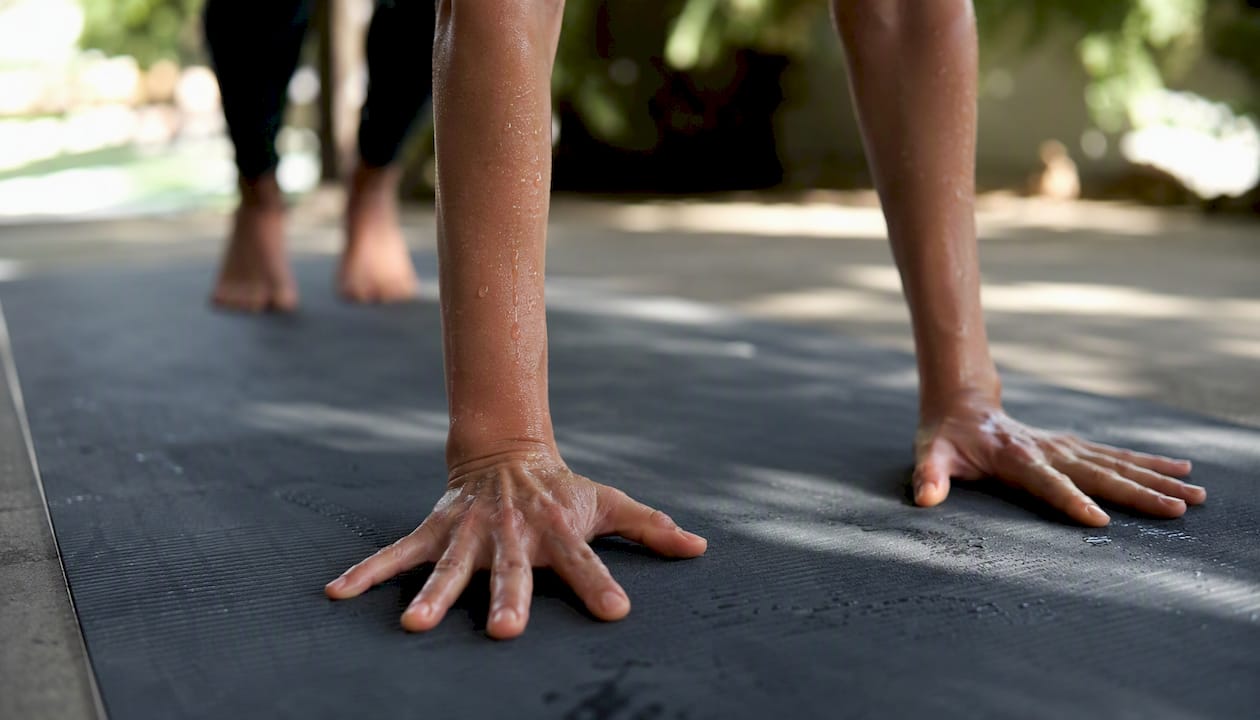
From a health standpoint, the concern with PVC and some synthetic foam mats is not dramatic toxicity but cumulative low-level exposure. Heated rooms accelerate off-gassing, which is why material choice matters more in hot yoga than in a cool home practice. Material science research into product lifecycle and chemical composition supports the case for lower-emission materials in products used in close physical contact.
Certifications like GOLS and GOTS confirm that the organic sourcing claim extends through the supply chain, not just to the raw material. That distinction matters because a mat can use natural rubber at its core while still incorporating synthetic adhesives, dyes, or coatings that undercut the non-toxic premise.
How do you clean and extend the life of a natural rubber mat?
Regular gentle cleaning and proper drying are the two habits that extend a rubber mat’s life more than anything else.
- After each session: Wipe the surface with a damp cloth. Do not soak the mat.
- Weekly clean: Mix a few drops of mild dish soap or castile soap in water. Wipe down both sides, then rinse with a clean damp cloth.
- Drying: Hang the mat flat or drape it over a rack away from direct sunlight. Never leave it rolled up while damp; that is how mold and odor develop.
- Storage: Roll loosely, rubber side out, and store in a cool, dry place. Avoid leaving it in a hot car or compressed under heavy objects.
- Deep clean (monthly or as needed): Lay flat in a bathtub with cool water and a small amount of gentle soap. Rinse thoroughly and air dry completely before rolling.
What accelerates wear:
- Direct sunlight breaks down natural rubber faster than almost anything else
- Harsh cleaners (bleach, alcohol-based sprays) degrade the surface and strip natural tackiness
- Rough concrete or abrasive flooring surfaces wear the underside down quickly
- Body oils from bare skin accumulate and reduce grip over time if not cleaned regularly
Troubleshooting:
- Odor: Sprinkle baking soda on the surface, let it sit for 30 minutes, then wipe clean. A few days of air exposure usually resolves new-mat rubber smell.
- Sticky residue: Wipe with a damp cloth and mild soap. Avoid oil-based cleaners.
- When to replace: Visible cracking, persistent slipping despite cleaning, or surface flaking are clear signals. A well-maintained natural rubber mat typically lasts several years under regular use.
Who should buy a natural rubber mat, and who should look elsewhere?
Natural rubber mats are the right call for eco-conscious practitioners who want reliable grip and verified non-toxic materials. They are a poor fit for people with latex allergies or anyone prioritizing ultralight travel gear above everything else.
Best fit:
- Practitioners who sweat heavily and need grip that holds in hot or vinyasa classes
- Buyers who want verified certifications (GOLS, GOTS, MADE SAFE) and supply chain transparency
- Anyone replacing a PVC mat and wanting to reduce chemical exposure
- Daily practitioners who value durability over low upfront cost
Acceptable compromises:
- Heavier carry weight if you commute to a studio
- Slightly higher price than entry-level synthetic mats
- Mild rubber scent that fades within a few weeks of use
Not recommended for:
- People with confirmed or suspected latex allergies
- Ultralight travelers for whom every ounce matters
- Buyers on a tight budget who cannot verify certifications at the $60+ price point
On cost: a certified natural rubber mat runs $60–$120 from reputable brands. A solid return policy (30 days minimum) changes the risk calculation significantly, since you can test grip and smell before committing.
Key Takeaways
Natural rubber yoga mats with GOLS or GOTS certification deliver the best combination of grip, non-toxicity, and verified sustainability for eco-conscious practitioners.
| Point | Details |
|---|---|
| Certification is non-negotiable | Verify GOLS, GOTS, or MADE SAFE certificate numbers in public databases before buying. |
| Grip improves with moisture | Natural rubber gets tackier as sweat builds; most synthetic surfaces do the opposite. |
| Match thickness to practice | Use 3–4mm for hot yoga, 4–5mm for all-around use, and 6mm+ for restorative work. |
| Latex allergy caution | Patch-test before extended use; switch to TPE or cork if you have latex sensitivity. |
| Yuneyoga’s natural rubber mat | Available at yuneyoga.com with verified certifications; contact support for sizing and warranty details. |
The case for going natural, even when it costs more
The conventional wisdom on eco-friendly yoga mats tends to frame the choice as a values trade-off: pay more, feel better about your purchase, accept some performance compromise. That framing is wrong, and it has been wrong for a while.
Natural rubber does not ask you to sacrifice grip for sustainability. In hot and sweaty conditions, it outperforms most synthetic alternatives on the one metric that actually matters during a class: not sliding. The environmental case and the performance case point in the same direction, which is unusual enough to be worth saying plainly.
What people underestimate is how much the adhesive and coating question matters. A mat can be built on a natural rubber base and still use synthetic glues, petrochemical dyes, or fragrance compounds that undercut every non-toxic claim on the label. The certification system exists precisely to catch this. A GOLS or GOTS number you can look up in a public database is not a marketing exercise; it is the only way to know the claim holds through the supply chain, not just at the raw material stage.
The one honest caveat: natural rubber is heavier. If you carry your mat on a bike or a long commute, that weight is real. A foldable option in the 2–3mm range is a reasonable compromise, though it will crease at fold points over time. For studio-based practitioners, the weight is a non-issue and the durability advantage more than compensates.
Useful sources and verification links
Use these to verify certification claims and read independent reviews before buying:
- The Best Yoga Mats of 2026 | Tested & Ranked
- Non-Toxic Yoga Mats (& Ananday Review)
- The 5 Best Non-Toxic Yoga Mats
- sustainability.aboutamazon.com
- amazon.science