
Eco Choices in Yoga Practice: Your 2026 Guide
Eco-friendly yoga practice is defined as integrating sustainable habits, mindful consumption, and non-toxic gear into your regular routine to support both personal wellness and environmental health. The role of eco choices in yoga practice goes far beyond swapping one mat for another. It shapes how you move, what you buy, how long your practice lasts, and how deeply you connect with the world around you. Yoga and sustainability share a natural overlap: both ask you to slow down, pay attention, and act with intention. This guide covers the materials, mindset shifts, and practical steps that make green choices in yoga real and lasting.
What materials and equipment define eco-friendly yoga practice?
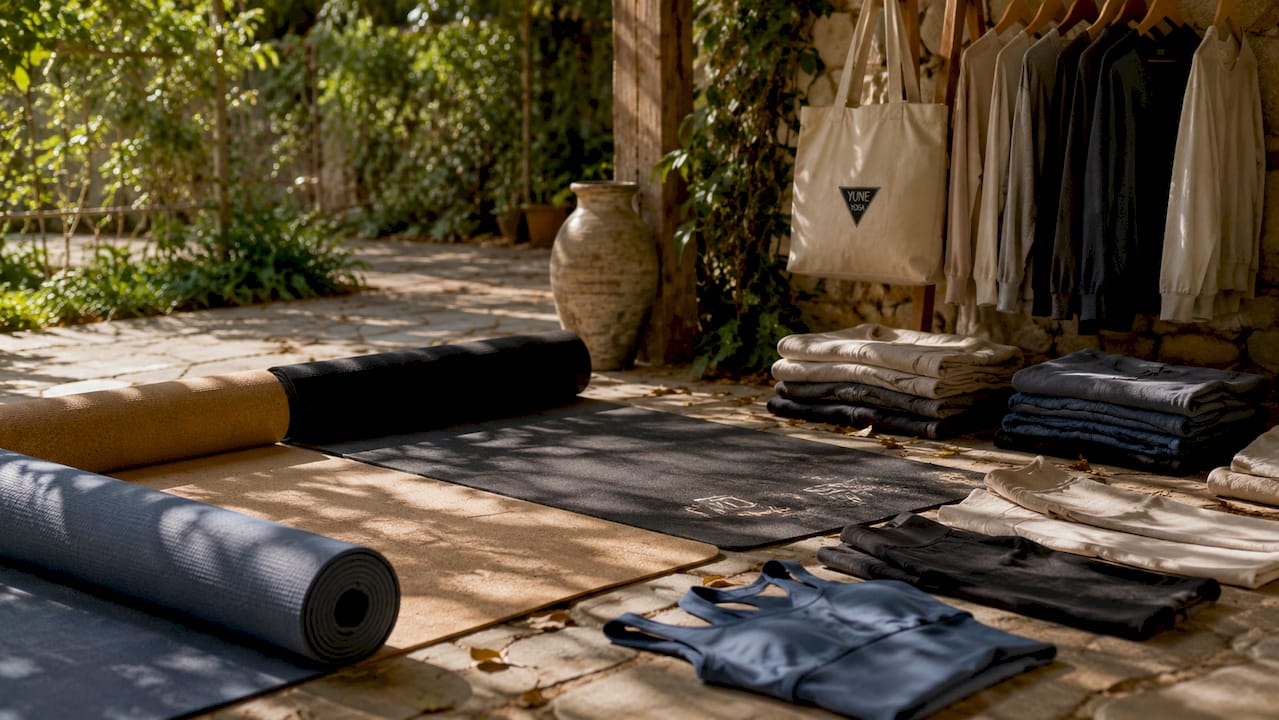
Eco-friendly yoga equipment is made from sustainable, non-toxic materials like natural rubber, jute, or organic cotton and is free from harmful chemicals like PVC and phthalates. This matters because PVC mats off-gas volatile organic compounds during use, meaning you breathe them in during every session. Natural rubber grips better when wet, biodegrades at end of life, and contains no synthetic plasticizers.
Common sustainable materials and what they offer
- Natural rubber: High grip, biodegradable, and free from synthetic chemicals. Best for practitioners who sweat heavily or practice hot yoga.
- Jute: A fast-growing plant fiber that requires no pesticides. Jute mats have a firm, textured surface that suits grounding postures.
- Organic cotton: Soft and breathable, ideal for restorative practice and yoga towels. Look for GOTS (Global Organic Textile Standard) certification to confirm no toxic dyes were used.
- Cork: Naturally antimicrobial and moisture-resistant. Cork surfaces become grippier as they get wet, making them practical for dynamic flows.
- Recycled TPE (Thermoplastic Elastomer): A closed-cell foam that contains no latex or PVC. It is not biodegradable, but it is recyclable and far less toxic than standard foam mats.
Investing in durable, recyclable yoga mats and ethically made clothing minimizes waste and toxic chemical exposure over time. A well-maintained natural rubber mat lasts three to five years with proper care, which means fewer replacements and less landfill waste.
Second-hand markets are an underused option. Platforms like Facebook Marketplace and local studio swap boards regularly list lightly used props, blocks, and straps. Buying second-hand extends the life of existing products and cuts the demand for new manufacturing entirely.
Pro Tip: Check for third-party certifications like OEKO-TEX Standard 100 or GOTS on any yoga textile you buy. These certifications confirm the product was tested for harmful substances, not just marketed as “natural.”
| Material | Sustainability level | Health impact |
|---|---|---|
| Natural rubber | High: biodegradable, renewable | No PVC or phthalates; latex allergy risk |
| Jute | High: fast-growing, pesticide-free | Non-toxic; rough texture may irritate skin |
| Organic cotton (GOTS) | High: no toxic dyes | Soft, breathable, hypoallergenic |
| Cork | High: harvested without cutting trees | Antimicrobial, no off-gassing |
| Recycled TPE | Medium: recyclable but not biodegradable | No latex or PVC; not fully natural |
| Standard PVC | Low: non-biodegradable | Off-gasses VOCs; contains phthalates |
How do eco choices in yoga practice support physical and mental wellness?
Sustainable yoga practice moves away from high-intensity, performative routines toward regulated, non-reactive nervous system engagement for long-term benefits. This shift is not just philosophical. It has direct physical consequences: lower cortisol output, fewer repetitive-strain injuries, and a practice you can maintain into your 60s and beyond.
Sensation over performance
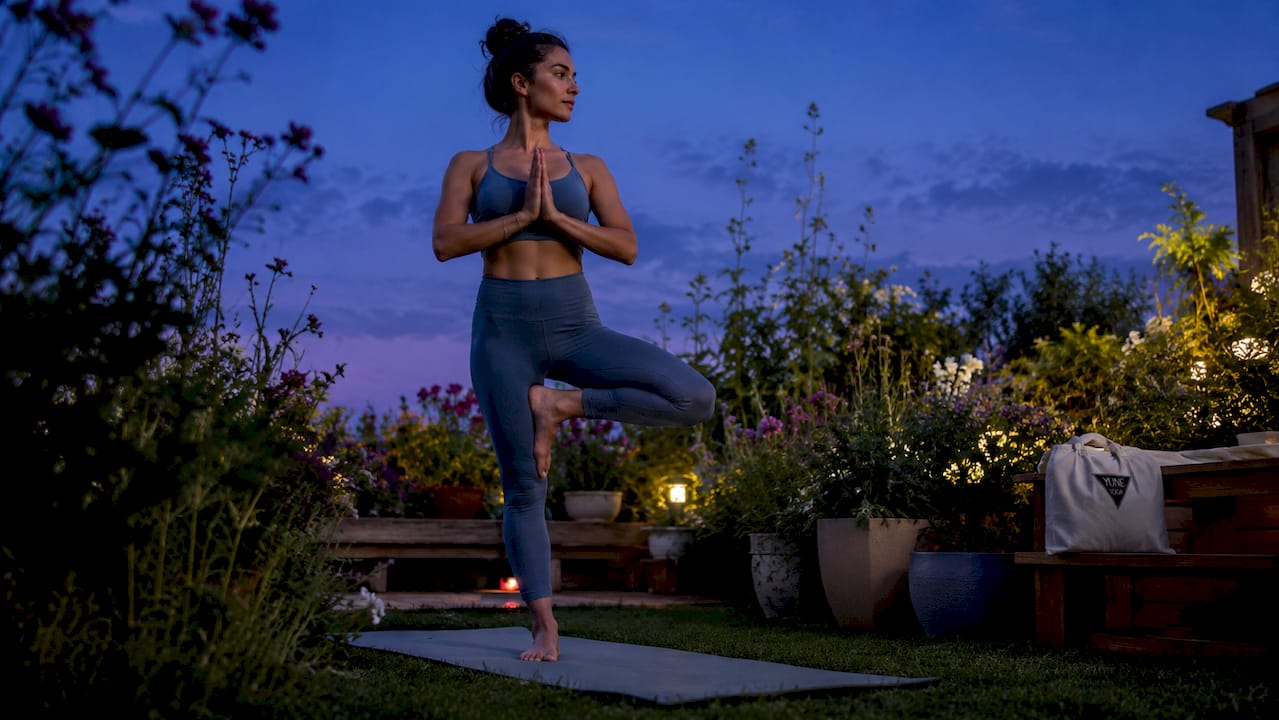
Sustainable home yoga practice focuses on sensation rather than performance, emphasizing breath quality, effort awareness, and internal feedback to prevent injury and burnout. When you stop chasing the deepest forward fold or the most advanced arm balance, you start listening to what your body actually needs. That shift is where yoga becomes a genuine wellness tool rather than another fitness metric.
Non-performative yoga functions as a lifelong anti-aging practice that avoids injury and cortisol spikes. Cortisol is the stress hormone that, when chronically elevated, accelerates cellular aging, disrupts sleep, and suppresses immune function. A practice built around internal feedback keeps cortisol in check.
Consistency beats intensity
Effective yoga routines last 5–20 minutes rather than traditional longer sessions, with consistency being the priority. This finding challenges the common assumption that longer classes produce better results. A 15-minute daily practice done every day outperforms a 90-minute class attended twice a month in terms of nervous system regulation and habit formation.
Shorter, consistent sessions tuned to internal signals help regulate hormones and prevent burnout versus traditional intensive classes. The practical implication is clear: you do not need a studio membership, a full hour, or peak physical condition to benefit. You need a mat, a few minutes, and the willingness to pay attention.
Pro Tip: Set a minimum viable practice of just five minutes. On days when motivation is low, five minutes is enough to maintain the habit. Most practitioners naturally extend the session once they start.
The role of wellness in yoga practice is inseparable from the choices you make around it. Choosing a non-toxic mat, a quiet home space, and a pace that matches your energy all feed directly into the quality of your nervous system response.
Why does yoga philosophy align naturally with eco-conscious values?
Practicing yoga in an eco-conscious way encourages mindfulness and fosters a compassionate, relational connection with the Earth. This is not a modern add-on to yoga philosophy. The concept of ahimsa, or non-harm, is one of the five Yamas in Patanjali’s Yoga Sutras. Applied outward, ahimsa means avoiding harm to other living beings and ecosystems, not just to yourself.
The principle of aparigraha, or non-grasping, maps directly onto mindful consumption. When you stop accumulating gear you do not need, you reduce the environmental impact of your practice and simplify your space. A cleaner space supports a clearer mind during practice.
Yoga practice can help process emotional responses to the climate crisis, fostering presence and a compassionate relationship with the planet rather than avoidance. This is a dimension of eco-friendly yoga methods that rarely gets discussed. Climate anxiety is real and widespread. A grounded, embodied practice gives you a way to feel that anxiety without being paralyzed by it.
Key yoga values that support eco-consciousness:
- Ahimsa (non-harm): Extends to purchasing decisions, material choices, and how you treat shared natural spaces.
- Aparigraha (non-grasping): Encourages buying only what you need and caring for what you own.
- Svadhyaya (self-study): Builds the self-awareness needed to recognize greenwashing and make genuinely informed choices.
- Santosha (contentment): Counters the consumer impulse to constantly upgrade gear or chase trends.
- Interconnectedness: The yogic view that all living systems are linked makes environmental stewardship a natural extension of practice.
Integrating sustainable decor into your home yoga space is one concrete way to bring these values into your physical environment. The objects you surround yourself with during practice shape the quality of your attention.
What practical steps make your yoga practice more eco-friendly?
Greening your yoga practice works best as a series of small, permanent changes rather than a single large overhaul. Each step compounds over time.
- Audit your current gear. Check your mat, blocks, straps, and clothing for PVC, synthetic dyes, or unknown materials. Replace items as they wear out, not all at once.
- Choose certified sustainable replacements. When you do buy new gear, look for OEKO-TEX, GOTS, or FSC (Forest Stewardship Council) certification. These standards are independently verified, not self-reported.
- Care for what you own. Clean your mat with a diluted vinegar and water solution instead of chemical sprays. Store it rolled loosely in a cool, dry place to extend its lifespan. Explore zero-waste yoga gear practices to reduce ongoing waste.
- Practice at home or outdoors to reduce carbon emissions from travel. A home practice eliminates commute emissions entirely. Outdoor practice in a park or garden costs nothing and connects you directly to the natural environment.
- Switch to reusable essentials. A stainless steel water bottle, a washable cotton towel, and biodegradable props replace single-use or low-quality alternatives that end up in landfills.
- Support ethical brands. Research a brand’s supply chain before buying. Look for transparency about where materials are sourced and how workers are paid. Yuneyoga publishes product details that help practitioners make informed choices about material origins and manufacturing standards.
- Explore second-hand options first. Check local studio boards, resale apps, and community groups before buying new. Many eco yoga store alternatives also carry refurbished or sustainably sourced gear.
Pro Tip: Greenwashing is common in the wellness industry. A product labeled “eco” or “natural” without a third-party certification is a marketing claim, not a verified standard. Always ask: certified by whom?
Minimalist consumption is the most underrated eco-friendly yoga method. You do not need ten props, five mat options, and a new outfit for every season. One well-made mat, two blocks, a strap, and a cotton blanket cover the full range of most home practices.
Key Takeaways
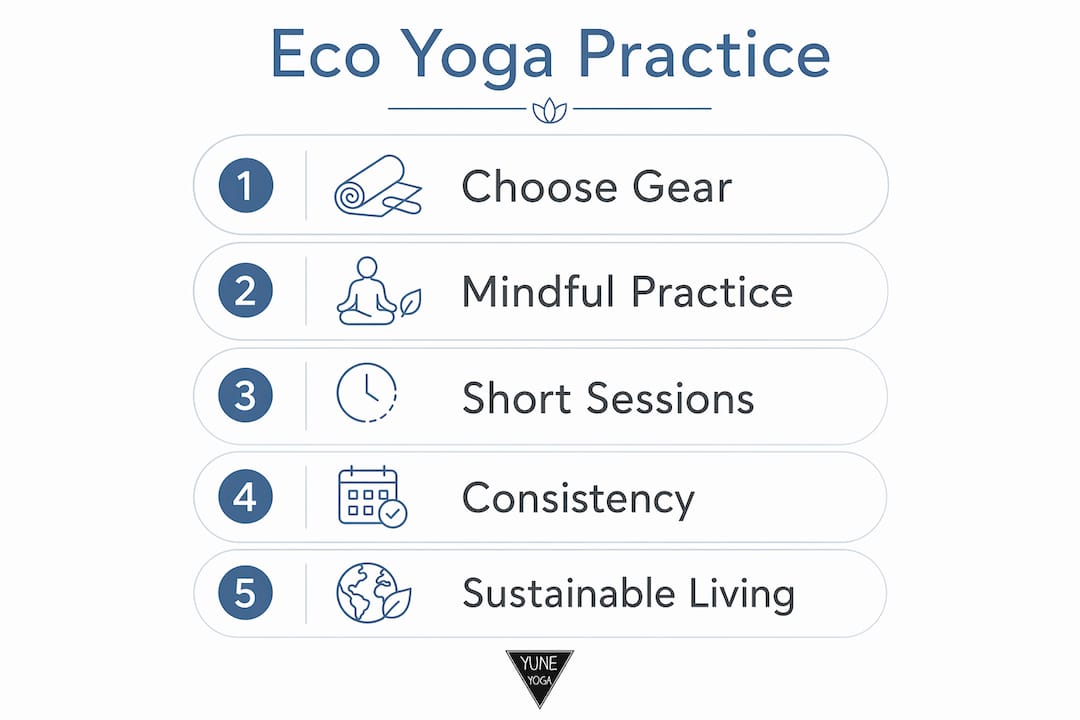
Eco-friendly yoga practice combines sustainable gear, mindful philosophy, and consistent short sessions to support both personal health and environmental responsibility.
| Point | Details |
|---|---|
| Choose certified materials | Look for OEKO-TEX, GOTS, or FSC certification to verify sustainability claims. |
| Prioritize consistency over intensity | Sessions of 5–20 minutes daily outperform occasional long classes for nervous system health. |
| Apply yoga philosophy outward | Ahimsa and aparigraha directly support eco-conscious purchasing and consumption habits. |
| Reduce travel emissions | Home and outdoor practice eliminates commute-related carbon output entirely. |
| Avoid greenwashing | Third-party certification is the only reliable way to confirm a product’s eco credentials. |
Why I think most “eco yoga” advice misses the point
The conversation about sustainable yoga practice almost always starts and ends with the mat. Buy natural rubber instead of PVC. Done. But that framing treats the environmental impact of yoga as a shopping problem, and it is not.
The deeper shift is behavioral. I have watched practitioners spend $200 on a certified natural rubber mat and then drive 25 minutes each way to a heated studio five times a week. The mat choice is real, but it is marginal compared to the emissions and energy cost of that commute and that heated room.
What actually moves the needle is practicing at home more often, buying less overall, and caring for what you already own. A $40 jute mat that lasts eight years because you clean it properly and store it well is more sustainable than a premium mat replaced every 18 months because you did not know how to care for it.
The philosophy angle matters too, and I do not think it gets enough credit. Aparigraha, the yogic principle of non-grasping, is a direct antidote to the wellness industry’s constant push to buy the next thing. When you internalize that principle, the eco choices follow naturally. You stop needing a checklist.
The practitioners I have seen make the most lasting changes are not the ones who overhauled everything at once. They are the ones who slowed down, asked better questions, and let their practice teach them what they actually needed.
— Nicholas
Gear that matches your values, from Yuneyoga

Yuneyoga carries a curated range of yoga mats, towels, and accessories built from natural rubber, organic cotton, and other sustainable materials. Every product in the store is selected with both performance and environmental impact in mind. Whether you practice at home, travel frequently, or are building your first setup, Yuneyoga’s sustainable yoga essentials give you a starting point that aligns with the values covered in this guide. No greenwashing, no vague claims. Just gear made to last, sourced with care, and designed for practitioners who take both their practice and their planet seriously.
FAQ
What is eco-friendly yoga practice?
Eco-friendly yoga practice integrates sustainable gear, non-toxic materials, and mindful consumption habits into your regular routine. It applies yoga’s core principles, like ahimsa and aparigraha, to purchasing decisions and lifestyle choices.
What materials should I look for in a sustainable yoga mat?
Natural rubber, jute, cork, and GOTS-certified organic cotton are the most sustainable options. Avoid mats made from PVC or materials without third-party certification, as these may contain phthalates or toxic dyes.
How long should a sustainable yoga practice session be?
Effective sustainable yoga sessions last 5–20 minutes, with daily consistency producing better long-term results than occasional longer classes. Shorter sessions reduce cortisol spikes and support nervous system regulation over time.
Does practicing at home really reduce my environmental impact?
Practicing at home eliminates commute-related carbon emissions entirely, making it one of the most direct ways to reduce the environmental impact of yoga. Outdoor practice in natural spaces adds the benefit of direct connection with the environment.
How do I avoid greenwashing when buying yoga gear?
Look for independently verified certifications like OEKO-TEX Standard 100, GOTS, or FSC rather than self-reported “natural” or “eco” labels. A third-party certification confirms the claim; a marketing label does not.


