

The ultimate guide to yoga cork blocks: Benefits and how to choose the right one
Key Takeaways
Yoga enthusiasts often turn to specialized props to deepen their practice, and selecting the right equipment makes all the difference for long-term consistency. These essential items help build strength, improve flexibility, and ensure you remain safe during challenging poses.
- Cork blocks provide superior stability thanks to their dense, natural material composition.
- They offer excellent grip even during high-intensity, sweaty yoga sessions.
- Choosing the right size and density depends largely on your specific body dimensions and practice style.
- Proper maintenance ensures these tools last for years, avoiding the common degradation seen in foam alternatives.
- Investing in sustainable material reduces environmental impact while supporting your personal wellness journey.
The benefits of using cork yoga blocks
Finding the right yoga props can significantly elevate your daily mat experience by bridging the gap between current flexibility and pose depth. Cork has become a preferred choice for many because it serves as a sturdy, reliable foundation that simply does not shift during use. Practitioners find that integrating these blocks allows for safer explorations in more demanding stretches.
Environmental sustainability impact
Selecting equipment that aligns with conscious living is a common goal for many modern yogis. Cork is harvested from the bark of oak trees without harming the tree itself, making it a highly renewable resource that supports healthy forest ecosystems. By choosing eco-friendly cork yoga blocks, you are supporting a material cycle that prioritizes both longevity and environmental stewardship.
Superior grip and non-slip surface
One of the most praised attributes of cork is its ability to maintain traction even when dampened by moisture. This feature is particularly helpful during hot yoga sessions where surfaces often become slick and unstable. The Manduka Cork Yoga Block stands out as a prime example, providing the reliable surface integrity needed to maintain focus without worrying about loss of traction.
Durability and structural integrity
Unlike softer materials that can compress or dent over time, a high-quality cork block maintains its shape under significant pressure. This consistent and reliable support acts as an extension of the floor, helping you reach your goals without the equipment losing its structural form during heavy weight-bearing exercises.
Understanding the physical characteristics of cork
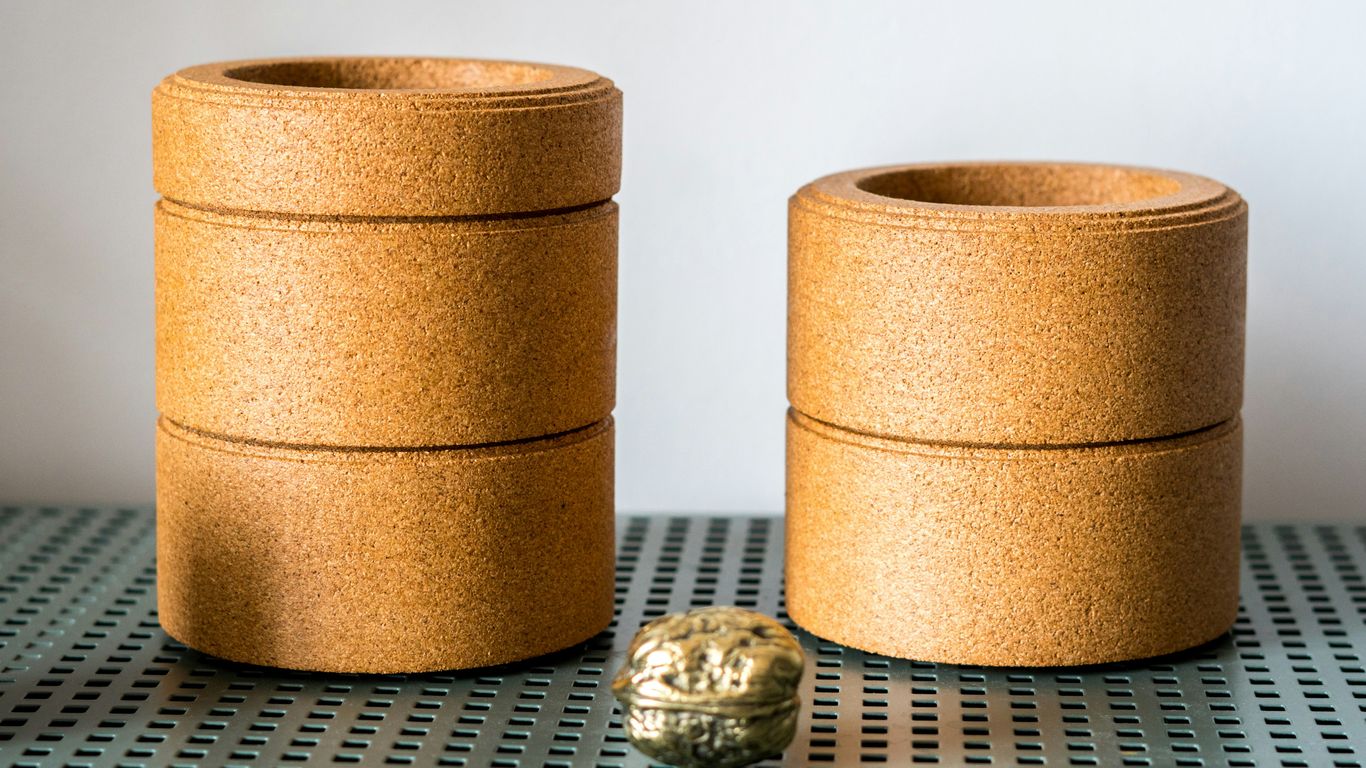
Cork is fundamentally different from the lightweight foam options commonly found in beginner studios. Its unique cellular structure makes it an exceptionally dense, firm material that feels substantial under the hand. This weight is a deliberate feature rather than a flaw, as it ensures your support prop remains exactly where you place it.
Natural antimicrobial properties
Cork naturally resists mold, mildew, and bacteria, which is a major advantage for equipment meant to handle daily sweat. Because it does not absorb fluids like synthetic foams, it stays fresher for longer with minimal effort. This makes it an ideal option for those who practice frequently or in humid environments.
Weight and portability considerations
While cork is heavier than foam, the tradeoff provides a level of grounding that most yogis appreciate during balance work. Practitioners who visit studios often find JadeYoga's collection offers a perfect balance of weight, making them substantial enough to feel secure yet portable enough to carry in a gear bag. If you need a more lightweight solution for travel, consider how your transport method fits your routine.
Texture and skin sensitivity
Cork features a naturally grippy, organic texture that feels smooth against the palms rather than abrasive. This surface quality is gentle on the skin, even during long hold times in restorative poses. Choosing blocks with a refined finish ensures that every contact point remains comfortable throughout your session.
How to incorporate cork blocks into your daily practice
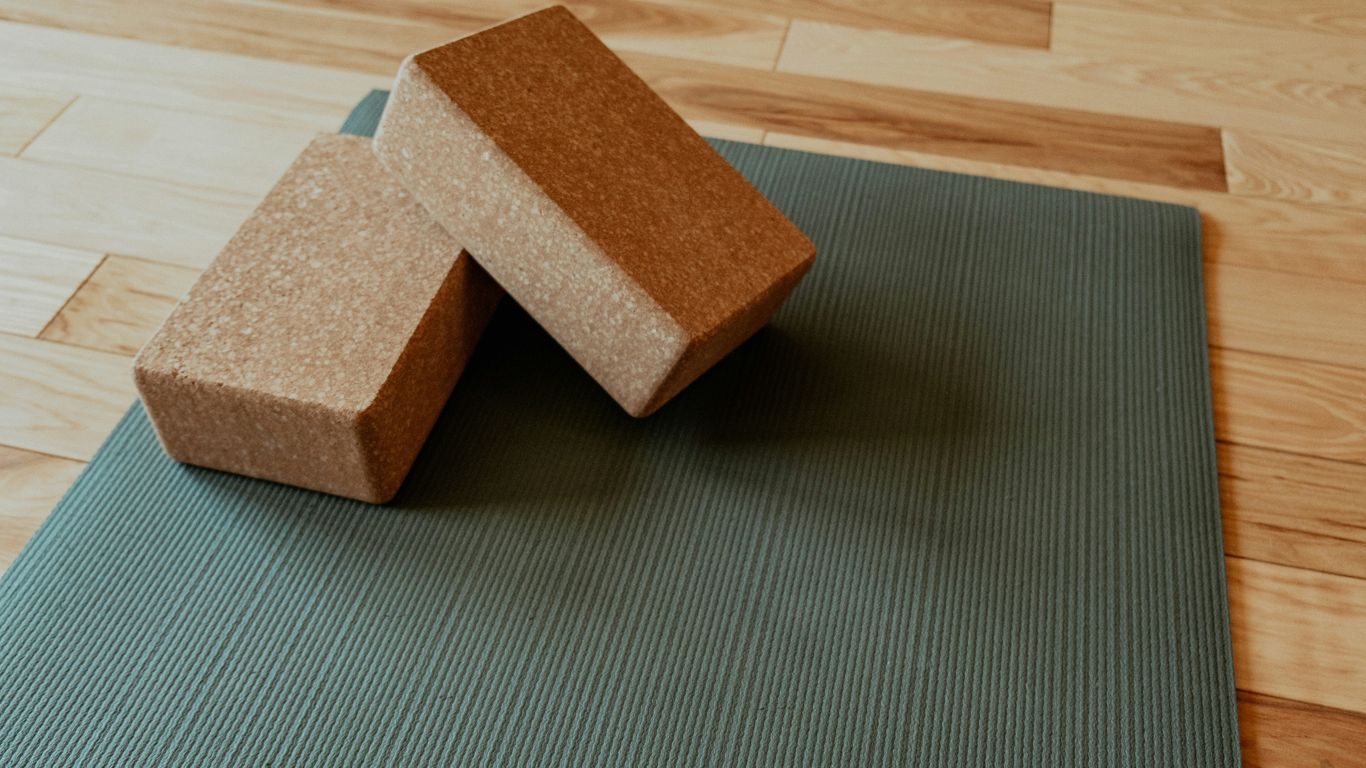
Integrating tools into your movement routine transforms how you approach challenging shapes. Using these props correctly can help you apply Timeless Core principles to your health, prioritizing stability and quality of alignment over simply forcing a stretch. By using these props as a steady extension of your arm, you create more space for thoughtful movement.
Using blocks for standing pose stability
When working on standing postures like triangles or half-moons, blocks act as a grounded landing spot for your hands. To determine your ideal block height, compare the standard dimensions used by most brands:
| Feature | Standard Block | Jumbo Block | Extra Support |
|---|---|---|---|
| Height | 4 inches | 5 inches | 4.5 inches |
| Width | 6 inches | 6 inches | 6 inches |
| Stability | High | Superior | High |
You should choose the height that allows your spine to remain long and tall, rather than collapsing forward toward the mat.
Enhancing restorative yoga and backbends
Restorative poses require the body to feel completely supported to truly relax the nervous system. By using blocks to elevate your torso or support your sacrum, you achieve a deeper sense of ease in passive movements. Many practitioners find that using two blocks together provides the best scaffold for long-held restorative shapes.
Improving alignment during seated poses
Sitting on a block helps tilt the pelvis forward, which is essential for maintaining a healthy curve in the lower back during forward folds. Consider these benefits when deciding to add a block to your seated setup:
- It helps lift the hips to release tightness in the hamstrings.
- It provides constant feedback for maintaining an upright torso.
- It makes long sessions of meditation much more comfortable.
Using these props properly enables you to stay in alignment without straining your muscles, which is vital for long-term progress.
Factors to consider before buying your cork blocks
When you are ready to invest in best yoga cork blocks, look for details that fit your personal practice needs. Quality varies across the market, so focusing on the craftsmanship and intended use will save you from needing replacements later. Prioritizing well-made gear is a standard practice for long-term health.
Standard versus jumbo block sizes
Size selection is mostly a matter of your height, reach, and the intensity of the poses you perform. While standard sizes are perfect for the majority of practitioners, those with a longer reach or limited range of motion may find extra-large versions beneficial. Testing your reach while standing with a book or makeshift prop can help you decide.
Density levels for different practice styles
Different manufacturers offer varying levels of density depending on their manufacturing process. Denser blocks provide more stability for heavy weight-bearing in strength-focused sequences, while slightly lighter-density options might feel softer in high-impact restorative work. You might notice that REP Fitness Cork Yoga Blocks provide the exact density needed for heavy-duty support without feeling unnecessarily clunky.
Evaluating edge finish and comfort
Look for beveled, rounded edges as these significantly decrease pressure on your hands and wrists. A smooth, well-sanded finish is a sign of high-quality manufacturing that prevents splinters and skin irritation. Taking a moment to touch the edges before buying can indicate whether the product will feel comfortable during a long session.
Proper care and cleaning for long-lasting blocks
Maintaining the structural integrity of your props is simple if you follow a few basic habits. Since cork is a natural material, it responds best to gentle cleaning and proper storage methods. A few minutes of care each week prevents surface wear and ensures your blocks remain in top condition for years.
Routine disinfecting techniques
Periodic cleaning with a mild, diluted soap solution is sufficient for most users. Use a soft cloth to gently wipe the exterior, ensuring you do not soak the material, as excess water penetration is unnecessary and potentially harmful. Always allow your props to dry completely in a well-ventilated space before placing them in a storage bin.
Managing moisture and sweat
After a particularly intense session, wipe away any residual moisture from the surface to prevent salt buildup or lingering odors. Cork is naturally resistant to such issues, but wiping it down keeps the grip surface clean and effective. This simple habit keeps your gear feeling fresh and ready for the next workout.
Tips for storage to prevent surface damage
Store your blocks in a cool, dry place away from harsh direct sunlight. Intense heat or prolonged UV exposure can eventually cause the material to become brittle. keeping them on a shelf away from humid areas like bathrooms ensures they retain their suppleness and structural strength.
Conclusion
Choosing the right yoga cork blocks is an investment in your personal practice, offering the stability, comfort, and sustainability required to grow physically and mentally. By understanding the unique qualities of cork—its grounding density, reliable grip, and natural durability—you can find the perfect support tool that lasts for years. Focus on high-quality materials and match the block size and density to your unique body to transform your home setup into a professional-grade space for movement and alignment.
Frequently Asked Questions
Can I use cork blocks on all types of floor surfaces?
Yes, cork blocks work well on carpet, hardwood, and yoga mats, though they are most stable when placed directly on a high-traction rubber mat to prevent sliding.
Do cork blocks lose their shape over time?
Unlike foam, high-quality cork is extremely resistant to compression and will maintain its shape even after years of daily, heavy use.
Are cork blocks better than foam blocks for beginners?
While foam is softer, many beginners prefer cork because the firm, stable feel provides more confidence when learning balancing poses or practicing deep stretches.
Is it normal for cork to have small cosmetic imperfections?
Yes, because it is a natural material, slight variations in the bark texture and color are completely normal and do not affect the functionality or durability of the block.
How often should I clean my cork blocks?
Depending on how frequently you practice, a quick wipe-down once a week is usually sufficient, with a more thorough cleaning reserved for when you notice significant moisture buildup.
Will cork blocks sliver if they get wet?
No, properly finished cork blocks are smooth and sealed, so they do not sliver or break apart even when exposed to sweat or mild cleaning moisture.
Can these blocks be recycled?
Most cork blocks are made from natural, biodegradable tree bark, making them an excellent sustainable choice, though you should check with the manufacturer for information on their specific binding agents.

