
The ultimate guide to finding the right cleaner for yoga mat maintenance
Key Takeaways
Maintaining your equipment is essential for both your practice and the longevity of your gear. Follow these five key principles to keep your space clean and functional.
- Know your material to choose the right cleaning agent.
- Use dilution to protect against product build-up.
- Wipe down your mat after every session.
- Allow adequate drying time to prevent unwanted odors.
- Inspect the surface regularly for wear or damage.
Understanding your yoga mat material
Identifying the surface composition of your gear is the foundation of proper hygiene. Different materials interact uniquely with moisture and chemical cleaners. Whether you own a high-tech travel mat from Yune Yoga or a standard studio piece, understanding how to treat the texture is crucial for maintaining your practice.
Why material matters for cleaning
Different mats handle moisture in distinct ways. Some materials are non-porous, meaning they resist absorbing liquids, while others are designed for high sweat absorption. Knowing the absorbency level of your gear helps you select the right routine wipe-downs to ensure you are not saturating the core accidentally.
Cleaning requirements for open-cell mats
Open-cell structures are designed with tiny pores that act like a sponge to wick away sweat during an intense set. Because of this, they trap debris and bacteria more effectively than closed-cell alternatives. You must use only mild cleaners and avoid deep soaking, as these mats can take days to fully dry out if they become waterlogged.
Maintaining closed-cell rubber and PVC mats
Closed-cell mats are generally easier to wipe down because they are designed to repel rather than absorb moisture. When you clean a JadeYoga natural rubber mat, you should stick to gentle, plant-based solutions. Avoid harsh scrubbing that could abrade the protective surface, which could ruin the grip you rely on during practice.
Special considerations for cork and jute mats
Cork and jute mats offer a natural feel but require a delicate touch due to their organic properties. These materials can easily degrade if subjected to abrasive cleaning tools or heavy moisture. To maintain them properly, you should follow this maintenance schedule.
| Material | Best Cleaning Frequency | Proactive Care |
|---|---|---|
| Cork | Light wipe weekly | Keep away from direct heat |
| Jute | Spot clean monthly | Brush off dried debris |
| Natural Fibers | Misted clean bi-weekly | Air dry thoroughly after use |
Because of their sensitive nature, maintaining these natural structures requires patience to keep the surface stable and supportive. Following the suggested care intervals ensures the integrity of the mat remains intact throughout its use.
Benefits of store-bought versus DIY cleaners

Navigating the market for a cleaner for yoga mat products often feels overwhelming given the variety of choices available. Some users prefer the convenience of pre-formulated sprays, while others find peace of mind in mixing their own solutions. Integrating products like Manduka's Yoga Mat Wash & Refresh can simplify your routine by providing a balanced blend of ingredients that are safe for your equipment. Yune Yoga focuses on portability, and our customers value solutions that are easy to pack alongside their gear when they are on the move.
Examining common ingredients in commercial sprays
Commercial sprays are often designed with specific stabilizers to prevent the growth of mold. They frequently include purified water, gentle surfactants, and essential oils that have been laboratory-tested for efficacy. When you rely on these, you avoid the guesswork associated with DIY mixtures, which might accidentally create a slick surface or leave behind a gummy residue.
Pros and cons of using vinegar and essential oils
Using simple household staples like diluted vinegar is an affordable way to refresh your gear. While vinegar is a strong disinfectant, it can be quite pungent and harsh if the concentration is too high. Adding essential oils like lavender can improve the scent, though you must ensure the concentration is low enough to avoid staining the porous material of your mat.
Avoiding harsh chemicals that degrade grip
Your mat's grip is often its most important feature. Harsh bleaches or aggressive industrial degreasers will strip away the finish, making the surface dangerously slippery. Always choose a peaceful lavender yoga mat cleaner or similar pH-balanced option to ensure your stability remains consistent, adhering to the unwavering principles of safe yoga practice.
Long-term cost efficacy of homemade solutions
Homemade cleaners are generally the most affordable option over the long term. By purchasing bulk ingredients like witch hazel or essential oils, you can create a large supply for a fraction of the cost of individual store-bought bottles. However, you must carefully monitor your mixing ratios to maintain that essential long-term cost efficacy without sacrificing the health of your mat surface.
Essential ingredients for a natural yoga mat cleaner
Creating a natural cleaner allows you to customize the scent and strength of your solution. Natural formulas, much like Kinfill's eco-friendly Yoga Mat Cleaner, emphasize plant-based integrity while getting the job done. It is important to remember that DIY solutions should be measured precisely, especially when you are thinking about decluttering your space for a minimalist home studio setup.
The role of witch hazel as a base
Witch hazel serves as an excellent carrier for cleaning sprays because it dries very quickly. Unlike plain water, which might leave a damp spot for hours, the evaporation rate of witch hazel helps keep your mat ready for use. It acts as a gentle astringent, stripping away light dirt without harming the delicate rubber or foam structure underneath.
Selecting antimicrobial essential oils like tea tree
Essential oils provide more than just a pleasant aroma. Tea tree oil is widely known for its natural antimicrobial and antifungal properties, making it a standout choice for combatting the bacteria built up during hot yoga. When combined with other clean oils, it helps keep your gear smelling fresh after every single practice.
Diluting solutions to prevent surface residue
Concentrated cleaners, even natural ones, can leave a film on your mat if you do not add enough water to the mix. Following simple, repeatable ratios allows you to avoid this common issue. Consider these tips for mixing your formula at home:
- Combine one part witch hazel with two parts pure water.
- Add no more than five drops of your preferred oil per eight ounces.
- Shake the bottle vigorously before every single application.
By keeping your mixture lean, you ensure that no leftover soap stays behind on your mat. This practice helps maintain the natural friction of the surface, preventing the unwanted buildup that can occur with heavier solutions.
Why distilled water is safer than tap water
Using distilled water is better for your textile maintenance because it lacks the minerals found in tap water. Over time, calcium and magnesium deposits from city water can leave behind a white, powdery residue on your mat surface. Using distilled water keeps your cleaning spray clean and ensures that your gear doesn't accumulate unwanted mineral scales.
Proper application techniques for deep cleaning
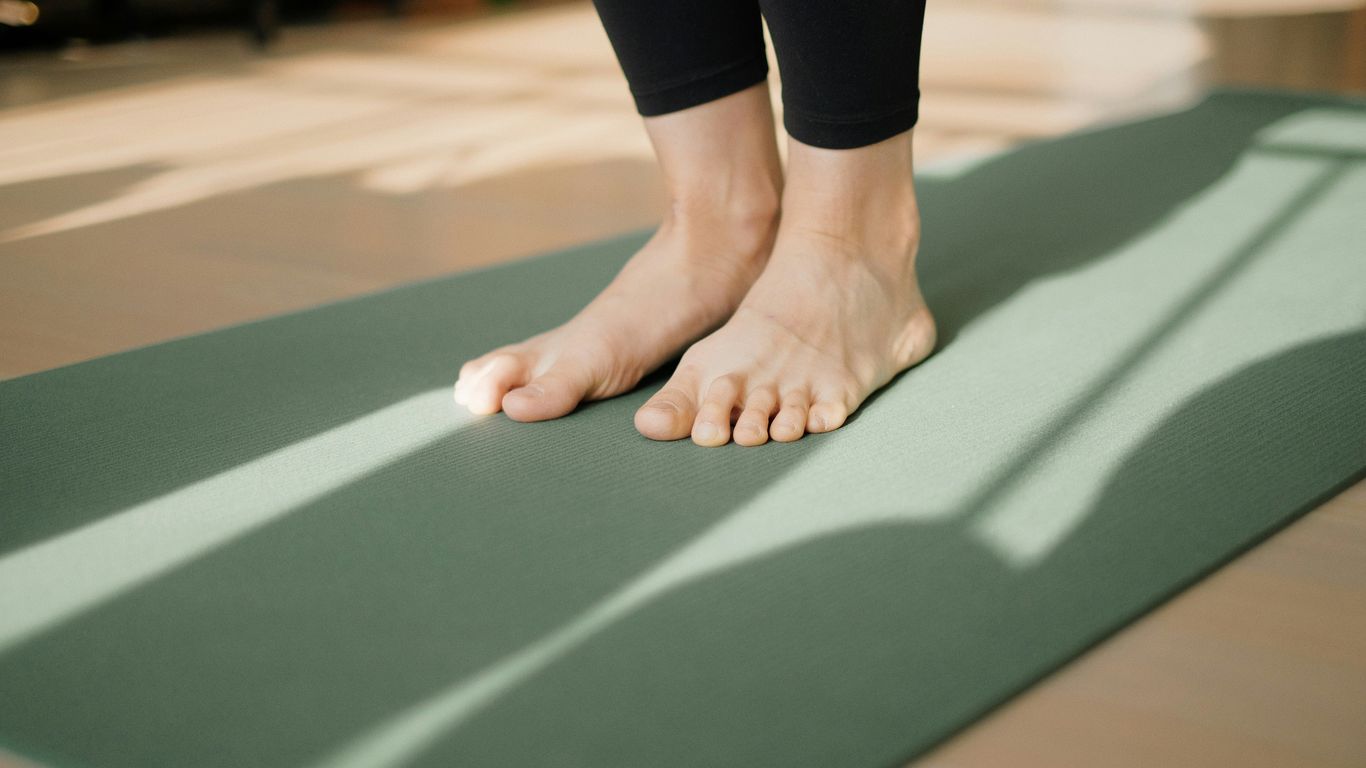
Maintaining the structural integrity of your mat requires a thoughtful approach to deep cleaning. Yune Yoga travel mats, which are thin and foldable, require less surface area coverage than heavier home mats, but the technique remains consistent. Deep cleaning serves as the final step in ensuring your personal space is fresh for the next session.
Step-by-step process for a standard wipe-down
Start by clearing your mat of any loose dirt or hair. Spray your solution lightly across the entire surface instead of soaking one concentrated spot. Use a clean cloth to wipe in circular motions, which effectively lifts away oils transferred from your skin during your practice.
Managing excess moisture to prevent mold growth
Excess moisture is the primary enemy of a clean yoga mat. If your mat remains damp before you roll it up, you are inviting microbial growth that will eventually cause unpleasant odors. Always ensure you have enough time to wipe away the moisture until the surface is merely cool to the touch rather than damp.
Best tools for scrubbing without damaging the surface
Soft microfiber cloths are the safest tools for scrubbing, as they catch dirt without creating abrasions. Avoid coarse scouring pads or abrasive sponges that could tear the top layer of your equipment. When you treat the material with respect, it rewards you with years of reliable, non-slip performance.
Drying procedures to ensure safety during the next session
After a deep cleaning, lay your mat flat in a shaded area. Never use a hairdryer or a clothes dryer, as the concentrated heat can warp the material permanently. Give your mat several hours to fully air out, ensuring that the underside is also dry before you roll it for storage.
Signs your yoga mat needs a deep cleanse or replacement
Even with the best maintenance, high-performance mats eventually hit their limit. Being able to recognize these signs ensures you are always practicing on a clean, safe surface. For those who prioritize portability like our community at Yune Yoga, noting your mat's condition after travel is essential.
Identifying odor buildup despite regular cleaning
If you find that an unpleasant scent persists even after a thorough wipe-down, your mat may have trapped sweat deep within its core. This indicates that bacteria have colonized the material, and a standard surface spray may no longer be sufficient. At this point, the fibers are deeply saturated and likely require a professional-grade soak or replacement.
Visual cues of material degradation and microbial growth
Look for uneven patches, flaking foam, or darkened areas of discoloration. These are clear visual markers that the material is breaking down. microbial growth or mold can often appear as tiny, dark, or fuzzy spots that do not go away with simple wiping, which is a significant indicator that the mat is no longer safe to use.
Understanding the lifespan of high-performance mats
Even the most expensive, high-performing mats have a natural life cycle. Frequent, heavy use will inevitably lead to material compaction, where the mat loses its responsiveness and cushioning. Monitoring these changes helps you identify the right time to transition to a newer model, maintaining your comfort during practice.
When to move from surface wiping to a full soak
Surface wiping works for daily refreshing, but a full soak might be necessary if your mat has been exposed to extreme humidity or spilled substances. If you do attempt a soak, ensure you are using a very mild soap, and be prepared for a long drying period. If the mat still shows signs of wear, it is likely time to invest in a replacement.
Safety precautions and storage tips
Properly stowing your gear is the last step in your cleaning routine. Good storage habits minimize the need for frequent deep cleans and help preserve the life of your equipment. Yune Yoga gear is designed for easy storage, making these practices even simpler to incorporate into your day.
Storing mats away from direct sunlight
Sunlight is a powerful force that can break down synthetic rubber and foam very rapidly. UV radiation causes the material to become brittle, leading to cracking and a loss of elasticity. Always tuck your mat away in a cool, dark closet or out of the reach of windows to prevent premature solar damage.
Importance of letting the mat breathe after practice
Unroll your mat or wipe it down before rolling it back up after a sweaty session. Trapped sweat inside a tightly rolled mat creates a humid, dark environment that is perfect for bacteria. Letting your gear breathe for just a moment significantly cuts down on your cleaning requirements in the long run.
Avoiding cross-contamination with gym gear
Try to keep your mat separated from dirty gym clothes or outdoor shoes. Cross-contamination occurs when dust and bacterial debris from other gear settle on your mat. When traveling, store your bag in a clean compartment to ensure your yoga equipment stays protected from environmental contaminants.
Tips for rolling versus hanging mats for better hygiene
Generally, rolling your mat is fine provided it is completely dry. If you have the space, hanging it on a gentle rack or wall hook can promote better airflow, allowing both sides to dry evenly. Using these small organizational methods will keep your mat in peak condition for years to come.
Conclusion
Developing a consistent maintenance routine turns the task of caring for your equipment into a simple, rewarding part of your lifestyle. By selecting the right cleaning agents, monitoring your mat's condition, and practicing smart storage, you ensure your practice remains hygienic and supportive for every single session. With a little attention to detail, you will extend the life of your gear and keep your focus firmly on your movement and growth.
Frequently Asked Questions
How often should I clean my yoga mat?
You should perform a light wipe-down after every single session to remove surface oils and perspiration. A more thorough deep clean can be done once or twice a month, depending on how frequently you practice and how much you sweat.
Can I use household bleach to disinfect my mat?
No, you should never use bleach on a yoga mat. It is far too harsh and will quickly degrade the integrity of the material, causing it to lose its grip and potentially damaging the structural foam or rubber.
What do I do if my mat smells like mildew?
Mildew usually indicates that moisture has been trapped in the mat for too long. If the smell is faint, try a deep cleaning with a mild soap solution and ensure it dries completely in a well-ventilated area, but if the smell is strong or signs of mold are visible, it is likely safer to replace the mat.
Does sunlight help kill bacteria on yoga mats?
While UV rays have some antimicrobial properties, direct sunlight is more harmful to the mat material itself than it is helpful for cleaning. Constant sun exposure will break down your mat's fibers and cause it to dry out, crack, and lose its cushioning.
Is it safe to clean a travel mat the same way as a home mat?
The cleaning method should be based on the mat material rather than its size. Whether your mat is full-sized or a portable travel version, you must use a gentle cleaner and avoid over-saturating the surface to prevent damage.
Can I use essential oils on all types of yoga mat materials?
Yes, provided they are heavily diluted, but you should always patch-test a small, inconspicuous corner first. Some porous, organic materials might absorb the oil differently or show faint stains, so take care to observe how your specific material responds.
Should I use a microfiber towel to wipe down my mat?
Yes, a microfiber towel is the gold standard for cleaning yoga mats because it is soft enough to avoid scratching the surface while being highly effective at lifting away dirt, dust, and oils from the material.

