Yoga Accessories: Beginners Can Skip the Wheel
Start with a reliable mat, a couple of blocks, a longer strap, a small blanket or bolster, and a sweat-absorbing towel: that combination covers nearly every beginner class. Everything else, including wheels and specialty bolsters, is optional until your practice tells you otherwise. For eco-minded mats and towels, we curate practical options worth a look once you know what you need.
TL;DR:
- Choose mat thickness by joint needs: 3 millimeters offers better balance and ground feel, while 5 millimeters or more cushions sensitive knees and wrists.
- Test grip in person or buy with a generous return policy, especially for sweaty classes, and check materials if you have latex sensitivity.
- Natural rubber and cork improve grip when wet and biodegrade, but cost more; TPE offers a durable option at lower cost for occasional practice.
- Restorative classes benefit from bolsters and extra blankets, while yin practice usually needs only a cushion or folded blanket beneath hips or knees.
- Clean mats after sweaty sessions, dry them fully before rolling, and avoid harsh cleaners; damp storage traps moisture, while sunlight can degrade rubber and fade fabric.
Table of Contents
- 1. Essential accessories beginners actually need
- 2. How to pick a mat and gear that fit your body and budget
- 3. Matching props to restorative, yin, hot, and studio classes
- 4. Balancing budget and eco-friendly choices
- 5. DIY substitutes to start practicing today
- 6. What new practitioners get wrong when buying gear
- 7. Maintenance and care tips that extend the life of your gear
- 8. How to clean and store your yoga gear properly
- 9. Packing yoga gear for travel without the bulk
- 10. Starter bundles and what they typically include
- Priorities that actually move the needle for beginners
- Where to find a starter bundle that covers the basics
- FAQ
- Sources
1. Essential accessories beginners actually need
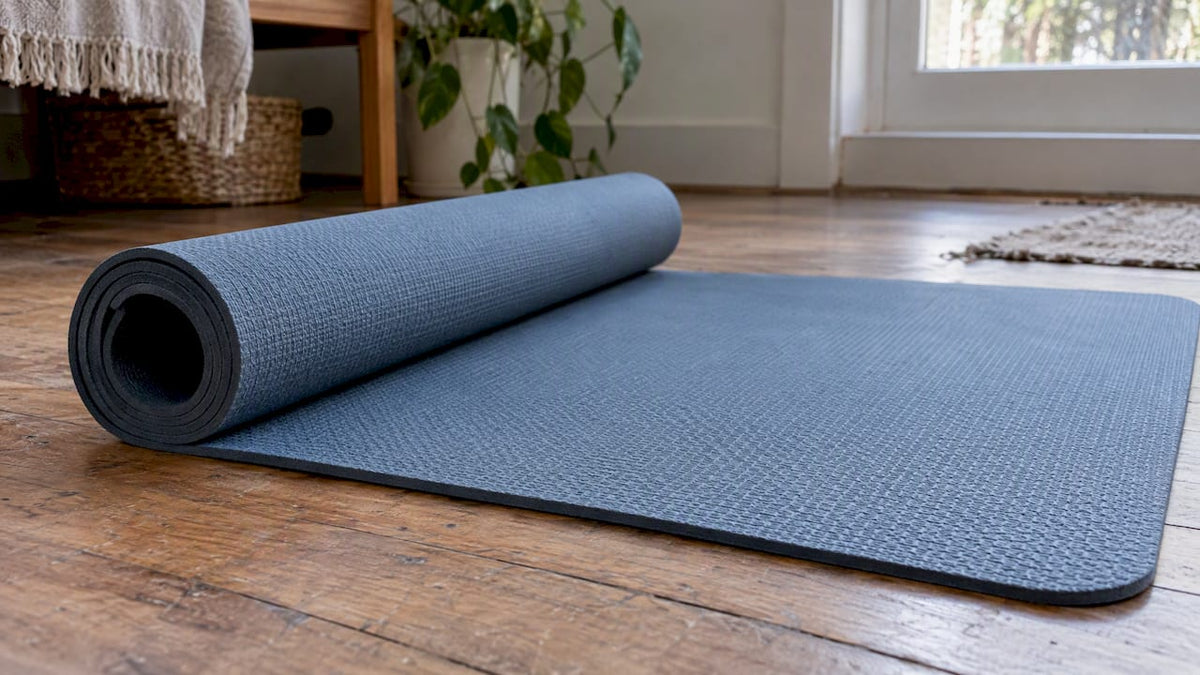
Every beginner kit starts with a mat. Look for a non-slip surface, 3 to 5 millimeters of thickness for most studio and home practice, and a size that matches your height and storage space. If you have a latex sensitivity, check the material before buying, and wipe your mat down after each use to keep it hygienic.
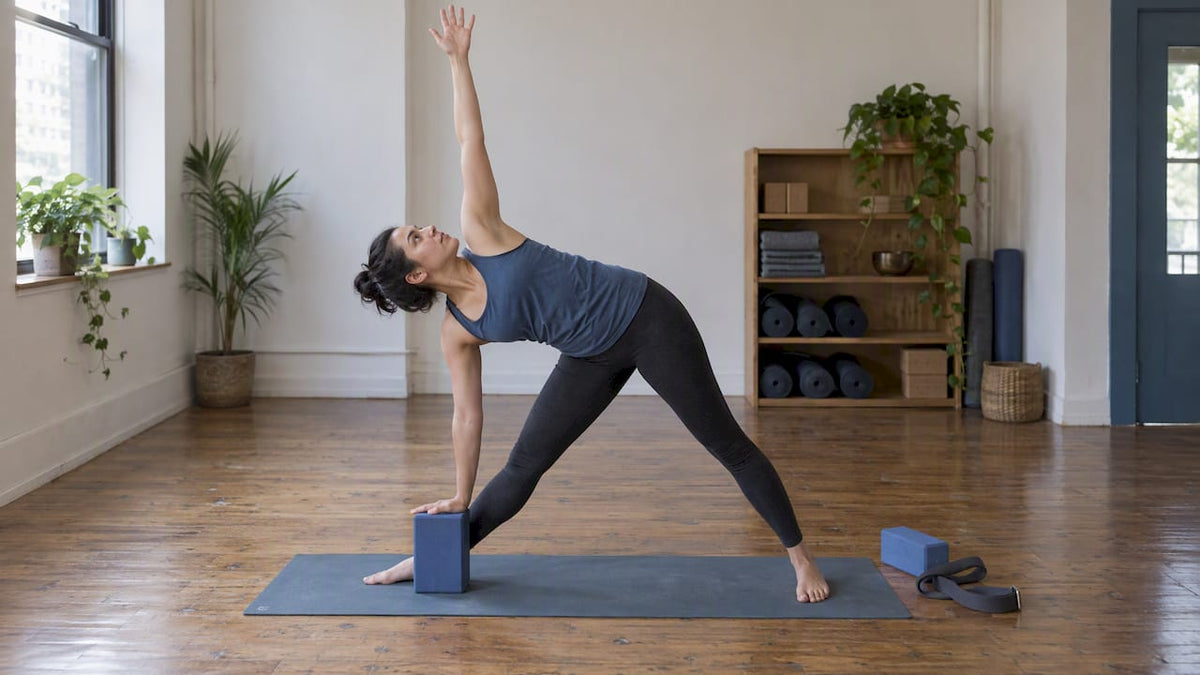
Two blocks earn their place in almost every beginner bag. Foam blocks are lighter and softer underhand, while cork blocks grip better and last longer under weight. Cleveland Clinic guidance on yoga props notes that two blocks are commonly recommended for the range of poses beginners encounter, from supporting a hand in a twist to building height under the hips in a restorative pose.
A strap closes the gap between where your body is and where a pose wants it to go. An 8-foot strap is more versatile than a 6-foot version for forward folds, shoulder openers, and binds, since the extra length gives you room to adjust as flexibility changes.
A blanket works for cushioning knees and shoulders, while a bolster offers firmer, shaped support for restorative holds. Fold a blanket into thirds for knee padding or roll it for lumbar support.
For hot or sweaty classes, a microfiber towel dries faster and grips better than cotton.
- Clothing: choose fitted, breathable layers that won’t slip during inversions or binds.
- Footwear: practice barefoot; socks reduce grip on most mat surfaces.
2. How to pick a mat and gear that fit your body and budget
- Match thickness to your joints. A thinner mat (around 3 millimeters) gives better balance and ground feel, while 5 millimeters or more cushions sensitive knees and wrists.
- Test grip before you commit. A buyer’s guide from Wired recommends testing slip resistance in person or relying on a generous return policy when shopping online.
- Weigh material tradeoffs. Natural rubber grips well and biodegrades but costs more; PVC is cheap and durable but less eco-friendly; TPE is lightweight and a reasonable middle ground.
- Consider portability. A foldable travel mat packs smaller and weighs less, though standard mats often cushion better for daily home use.
- Set a budget tier. Entry-level mats cover the basics for a few classes a week; mid-range mats add grip and durability; premium mats add eco-certified materials and longer warranties.
Pro Tip: Press a damp palm into the mat surface before buying. If your hand slides, the mat will slide under you in a sweaty class too.
3. Matching props to restorative, yin, hot, and studio classes
Different class styles call for different extras, so buy based on what you actually attend rather than stocking up on everything at once.
- Restorative: bolsters and extra blankets support long, passive holds and help the body settle into deeper relaxation, a use Cleveland Clinic ties to calming longer holds.
- Yin: fewer props than restorative, but a cushion or folded blanket under the hips or knees makes multi-minute holds more comfortable.
- Hot or power classes: a microfiber towel, a mat with reinforced grip, and moisture-wicking clothes keep you steady as the room heats up.
- General studio classes: a mat bag, a small hand towel, and sanitizing wipes round out basic etiquette for shared spaces.
4. Balancing budget and eco-friendly choices
Natural rubber and cork mats cost more upfront, but their grip improves with sweat rather than against it, and both materials biodegrade at the end of their life. That premium makes sense if you practice often or sweat heavily.
- Synthetic mats like TPE offer solid grip and durability at a lower price point, a fair tradeoff for occasional practice.
- Buying secondhand or during seasonal sales can cut costs further; just check for cracking, odor, or worn grip before buying a used mat.
- A relevant consideration: eco-friendly materials such as natural rubber and cork improve both grip and biodegradability, according to a beginner equipment guide from Verywell Fit, though it’s worth confirming latex-allergy safety and manufacturing claims on the product page itself.
For shoppers who want that eco-conscious angle without hunting across multiple sites, consider mats and towels designed around sustainable materials and travel-friendly folding, which aims to keep the sustainability premium reasonable per use.
5. DIY substitutes to start practicing today
You don’t need a full kit on day one. A few household items cover the basics while you decide what’s worth buying.
- Books as blocks: stack hardback books low and wide, never tall and narrow, for stability under a hand or hip.
- Rolled towels as bolsters: roll a bath towel tightly for knee padding or lower-back support during seated poses.
- A belt or robe tie as a strap: use it for simple forward folds, though a dedicated strap holds up better over time.
DIY works fine for occasional use, but a real prop wins on stability, hygiene, and longevity once you’re practicing a few times a week. Whatever you substitute, check that it sits flat and won’t slide out from under you.
6. What new practitioners get wrong when buying gear
The most common mistake is buying the cheapest mat available and discovering it slides during a sweaty class, a problem a grip test or generous return policy would catch early. The second is grabbing a 6-foot strap that turns out too short for binds and shoulder stretches.
A sensible order: buy a reliable mat first, add two blocks and an 8-foot strap once you know your practice style, then bring in a towel or bolster based on how hot or restorative your classes run. Our guide to using yoga straps walks through common stretch sequences once you have one in hand.
7. Maintenance and care tips that extend the life of your gear
A mat’s biggest enemy is trapped sweat and dirt ground into the surface. Wipe it down with a damp cloth after every sweaty session, and let it air dry fully before rolling it up, since rolling a damp mat traps moisture and breeds odor.
Blocks need less attention, but cork and foam both benefit from a quick wipe if they pick up sweat or dust. Avoid soaking foam blocks, since they absorb water and can soften or warp.
Straps rarely need more than an occasional wash by hand, especially cotton versions that pick up sweat from your hands and feet during binds. Check buckles periodically for wear if your strap sees heavy use.
Blankets and bolsters should be laundered per their care label, and bolsters with removable covers last longer when you wash the cover instead of the whole prop. Keep all props out of direct sunlight for long stretches, since UV exposure breaks down rubber and fades fabric over time.
A little consistency here beats the occasional deep clean. A quick wipe after each use keeps grip and smell in check far better than letting buildup accumulate and trying to fix it later.

8. How to clean and store your yoga gear properly
Cleaning and storage work together: a well-cleaned prop that’s stored poorly degrades just as fast as one you never wipe down.
For mats, a simple mix of water and a few drops of mild soap applied with a soft cloth handles most grime. Skip harsh chemical cleaners, which can break down rubber and foam surfaces over time. Dry the mat flat or hang it over a rail rather than folding it while damp.
Store mats rolled loosely rather than folded, since sharp creases weaken the material at the fold line. A mat bag or strap keeps a rolled mat compact and protects it from dust between uses.
Blocks and straps store easily in a drawer or open bin, since they don’t need special climate control. Keep blankets and bolsters somewhere dry; damp storage invites mildew, especially with natural fiber covers.
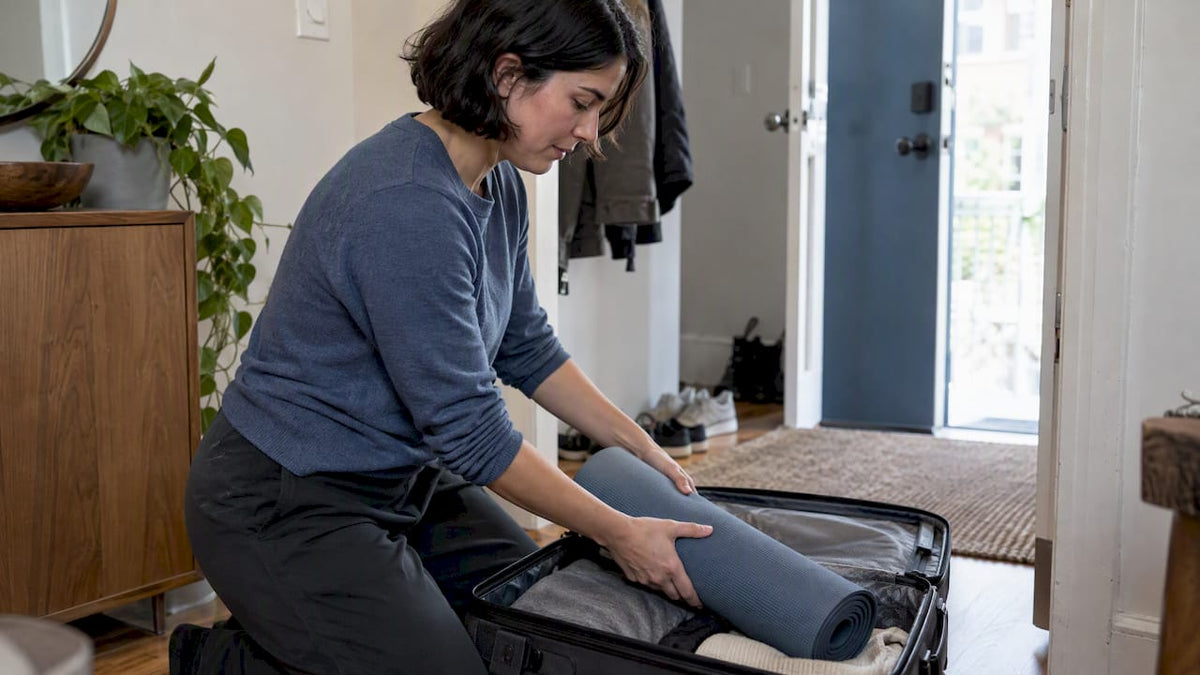
If you travel with your gear, let everything dry completely before packing it away, even for a short trip. A damp towel or mat sealed in a bag for a day or two can start to smell, and that smell tends to stick around.
9. Packing yoga gear for travel without the bulk
Travel changes what you prioritize. Weight and fold size matter more than they do for a mat that stays in your closet between home and the studio down the street.
A foldable travel mat packs into a smaller, flatter shape than a standard rolled mat, which matters when you’re working with a carry-on. These mats trade a little cushioning for portability, a fair exchange for occasional trips.
Blocks are the easiest prop to leave behind, since most hotel rooms and studios on the road either provide them or let you improvise with a folded towel. A strap, by contrast, is light enough to toss in a bag without a second thought.
Pack a small microfiber towel for sweaty sessions in unfamiliar climates. It dries faster than cotton and takes up far less space.
10. Starter bundles and what they typically include
A sensible starter bundle covers the mat, strap, and towel together, since those three see the most use across class styles. Some bundles add blocks for a more complete beginner set.
Buying a bundle can cost less per item than buying each piece separately, and can remove the guesswork of matching materials and colors across brands. Look for a bundle that lets you swap in a travel mat if portability matters more than cushioning for your situation.
A good bundle check: does it include a strap with enough length for forward folds, a towel suited to how hot your classes run, and a mat thickness that matches your joint needs. If any of those don’t fit, buying the pieces individually still beats forcing a bundle that’s close but not quite right.
Priorities that actually move the needle for beginners
The conventional advice to buy everything upfront wastes money and clutters your mat bag before you know what you’ll use. A mat, two blocks, and a strap cover most of the first three months; a towel or bolster comes later once your class style is clear.

What’s overrated: specialty wheels, scented sprays, and themed sets that look appealing online but rarely earn their shelf space for a beginner. What’s underrated: a properly sized strap, since the length difference between 6 and 8 feet changes what you can actually do with it.
If you take one thing from this guide, let it be sequencing. Buy the mat first, test it for a few weeks, then add blocks and a strap once you know which poses challenge you. Skip the rest until your own practice tells you it’s missing.
— Nicholas
Where to find a starter bundle that covers the basics
A simple starter bundle covering a mat, a strap, and a towel handles the large majority of beginner classes without overbuying. Some mats and towels are built around sustainable materials, with foldable travel options for anyone who wants the same setup at home and on the road.
- Browse the full Yune Yoga catalog for mats, towels, and straps in one place.
- Check the Yoga Clothes and Accessories collection for straps and towels that round out a starter kit.
- Consider a travel mat if portability matters as much as cushioning.
If you’re ready to put together your own starter set, start with the mat and build from there.
FAQ
What should I wear to a beginner yoga class?
Wear fitted, breathable layers that won’t ride up or slip during binds and inversions, such as leggings or fitted shorts with a snug top. Most beginners practice barefoot, since socks reduce grip on the mat surface.
What is the best yoga to start with as a beginner?
A general or beginner-labeled studio class is the most common starting point, since it introduces foundational poses and alignment cues at a manageable pace. Restorative or yin classes are also gentle entry points if a faster-paced studio class feels intimidating at first.
What is a good gift for someone who enjoys yoga?
A quality strap, a set of two blocks, or a microfiber towel all make practical gifts that most practitioners use regularly. A foldable travel mat is a strong option for anyone who travels or practices outside a home studio.
What are the best yoga accessories for beginners to buy first?
A reliable mat, two blocks, and an 8-foot strap cover the widest range of beginner poses, according to guidance from Cleveland Clinic on how props support safety and alignment. A towel or bolster can wait until your class style makes the need clear.