Best Yoga Pads for Knee and Pressure-Point Comfort
For most practitioners dealing with sore knees or bony pressure points, Yuneyoga’s natural rubber mat is the top pick: it delivers enough cushioning to protect joints without the instability that comes from overly soft foam. The natural rubber base grips the floor, the closed-cell surface resists sweat and odor, and it folds flat for travel or layers cleanly over a studio mat.
Key reasons it works for knee and pressure-point protection:
- Thickness with density: Enough cushion for knees and elbows without the spongy give that throws off balance in standing poses
- Non-slip grip: Textured natural rubber holds position on hardwood, tile, or carpet
- Mat-top compatibility: Compact enough to place over a full-size mat for targeted joint support
- Eco credentials: Natural rubber sourced with sustainability in mind, free of PVC and harsh synthetic coatings
Table of Contents
- What are yoga pads and when should you use one?
- How materials change feel, grip, and durability
- What instructors say about thickness vs. firmness
- Where to buy in the U.S. and what prices to expect
- Key Takeaways
- The case for getting this choice right
- Useful sources and further reading
What are yoga pads and when should you use one?
A yoga pad is not the same thing as a full yoga mat, though the terms get used interchangeably. The distinction matters when you’re buying.
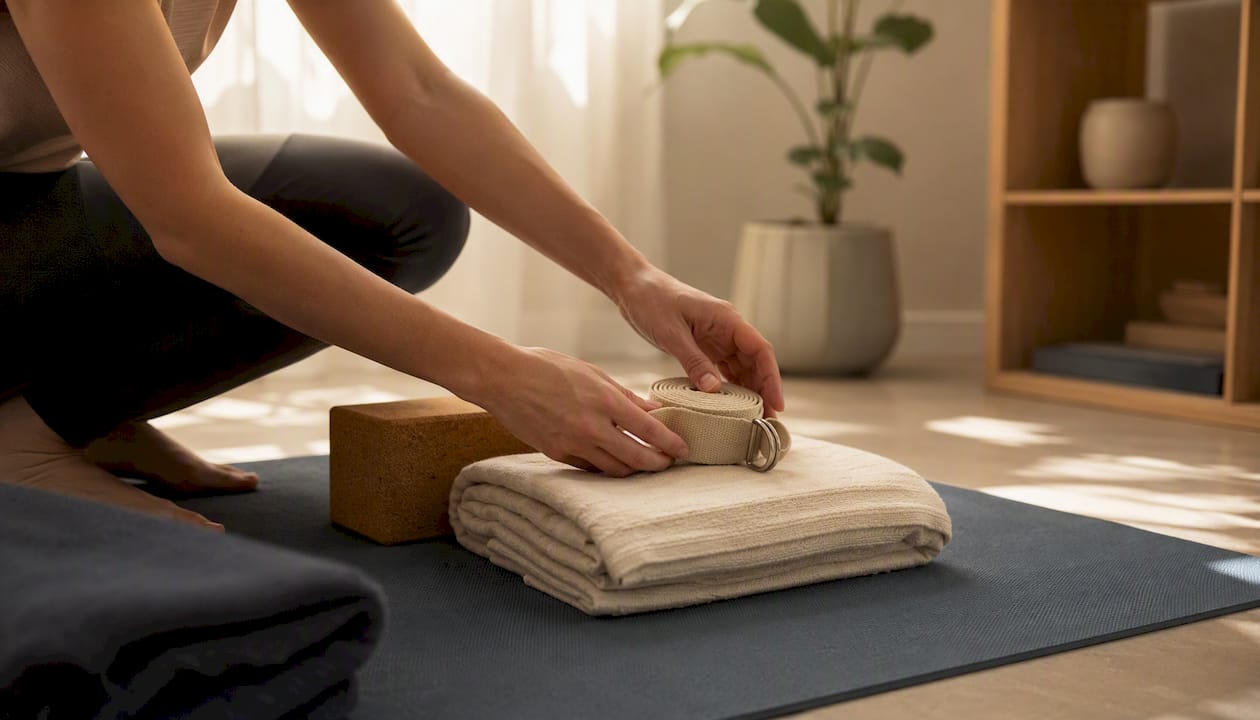
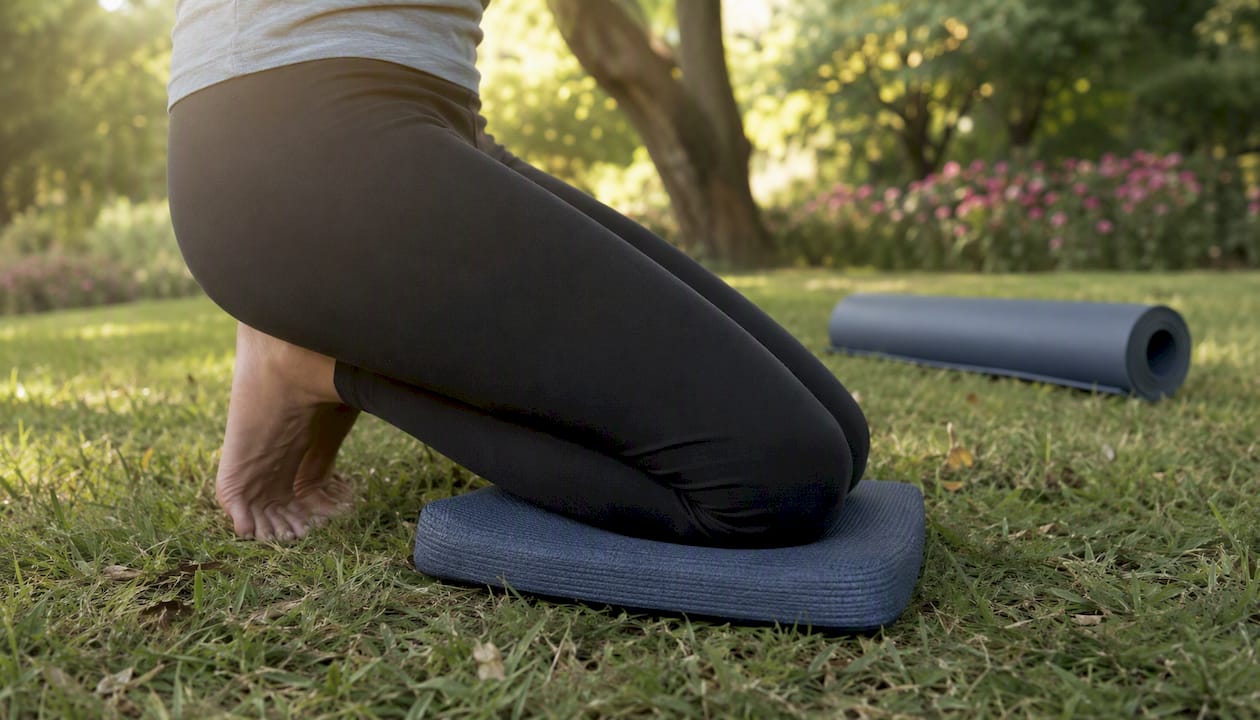
A mat-top pad is a smaller, often thicker insert you place over your existing mat to cushion a specific area, typically under the knees during low lunges or under the wrists in tabletop. A mat-width pad covers the full surface area of a mat but at a greater thickness, functioning as a standalone surface for Pilates or physical therapy floor work. A travel pad is a thin, foldable strip designed for portability rather than maximum cushioning.
The right type depends on your practice. If your knees ache in crescent lunge or your tailbone digs into the floor during seated work, a mat-top pad solves the problem without replacing your mat. If you do Pilates-style rolling exercises, spinal articulation, or prolonged supine work, a thicker mat-width pad protects the spine and pelvis more effectively. Travelers and studio practitioners who want one lightweight surface for everything tend to reach for a foldable travel pad.
How materials change feel, grip, and durability
The material determines almost everything: how the pad grips, how long it lasts, whether it smells after a sweaty session, and whether it holds up to regular cleaning.
| Material | Firmness | Grip | Eco profile | Odor risk | Best for |
|---|---|---|---|---|---|
| TPE | Medium | Good | Better than PVC | Low | Everyday yoga, travel |
| High-density EVA foam | Soft–medium | Moderate | Moderate | Medium | Pilates, floor therapy |
| Natural rubber | Firm | Excellent | High | Low–medium | Vinyasa, balance work |
| Cork | Firm | Excellent (wet) | High | Very low | Hot yoga, sensitive skin |
| PVC | Soft | Good | Low | Medium | Budget use |
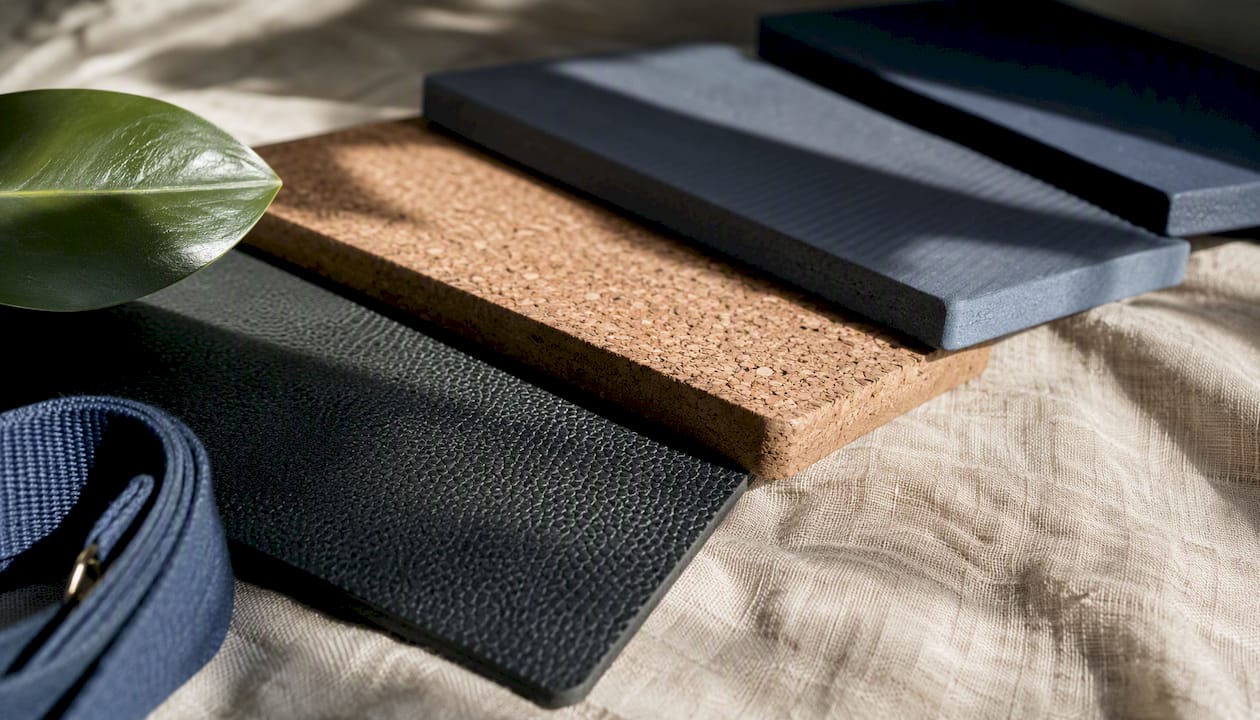
According to material comparisons, PVC is the most budget-friendly option but carries the weakest eco profile, while TPE and natural rubber offer better sustainability without sacrificing durability. Cork is naturally antimicrobial, which makes it a strong choice for practitioners who sweat heavily or share surfaces.
Construction quality shows up in the details. A closed-cell surface resists moisture absorption, which means bacteria and odor stay on the surface where you can wipe them off. Open-cell foam absorbs sweat, which feels softer underfoot but degrades faster and harbors odor. Layered construction, where a dense base supports a softer top layer, gives you cushioning without the instability of a uniformly soft pad. Reinforced edges and consistent thickness across the full surface are signs a pad will hold its shape after months of rolling and unrolling.
For readers who want to go deeper on material trade-offs and sustainability certifications, Yuneyoga’s guide to eco-friendly yoga mat materials covers natural rubber and cork in detail.
What instructors say about thickness vs. firmness
The thickness vs. firmness debate is where most buyers go wrong. They assume more cushion is always better for joints. It isn’t.
Heather Andersen, founder of New York Pilates, emphasizes that thickness is especially important for Pilates-style floor work, where the tailbone, spine, and pelvis make repeated contact with the surface. For that kind of work, a thicker pad genuinely protects.
But certified Pilates instructor Julie Erickson warns that excessive plushness can hinder balance. A surface that compresses unevenly under your foot makes single-leg balance poses significantly harder. High-density materials support controlled movement precisely because they don’t give way unpredictably.
| Practice type | Recommended thickness | Priority |
|---|---|---|
| Vinyasa / flow yoga | 1/8"–1/4" (3–6mm) | Density and grip |
| Yin / restorative yoga | 1/4"–1/2" (6–12mm) | Cushioning |
| Pilates floor work | 1/2"–1" (12–25mm) | Thickness and spinal support |
| Physical therapy / rehab | 1/2" (12mm) | Cushioning and stability |
| Mixed yoga + Pilates | 1/4" (6mm) | Balance of both |
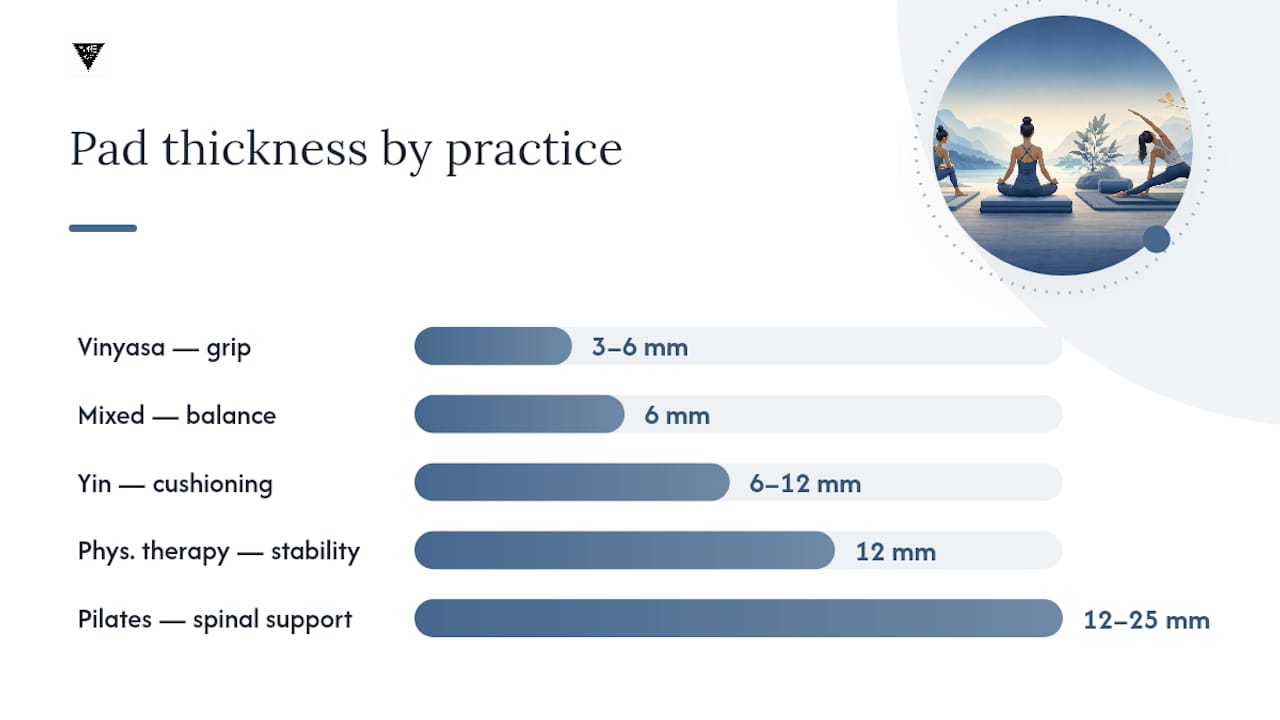
The difference between yoga and Pilates mat specs comes down to this: yoga mats prioritize grip and ground connection, Pilates mats prioritize cushioning for rolling and spinal protection. A pad that tries to do both at maximum levels will do neither well.
Where to buy in the U.S. and what prices to expect
Price bands in the U.S. market break down roughly as follows:
Budget ($10–$25): PVC or low-density EVA foam pads. Adequate for occasional use, but material specs are often vague and return policies thin. Fine for a beginner testing whether a pad helps before committing.
Midrange ($25–$60): TPE, high-density EVA, or entry-level natural rubber. This is where most practitioners should shop. You get clear material specs, reasonable thickness options, and return windows worth trusting.
Premium ($60–$120+): Natural rubber, cork, or layered hybrid construction. Longer lifespan, better grip, and brands that stand behind their products with real warranties.
Buying directly from a brand’s website gives you the clearest product information, the most reliable return policy, and direct access to customer service if something goes wrong. Marketplaces offer broader selection and competitive pricing, but return and warranty clarity varies widely by seller. For a product where material quality is the whole point, knowing exactly what you’re getting matters more than saving $8.
Specialty yoga retailers, both online and physical, often carry a curated selection with staff who can answer material questions. Worth visiting if you’re buying your first pad and want to feel the density difference in person.
Key Takeaways
A high-density, natural rubber or TPE pad in the 1/8"–1/4" range covers most yoga needs, while 1/2"–1" thickness is recommended for Pilates or floor exercise work.
| Point | Details |
|---|---|
| Thickness by practice | Use 1/8"–1/4" for yoga, 1/2"–1" for Pilates and floor therapy. |
| Density over plushness | High-density surfaces support balance; soft foam can destabilize standing poses. |
| Material matters | Natural rubber and cork outlast PVC and offer better grip and eco credentials. |
| Closed-cell for hygiene | Closed-cell surfaces wipe clean; open-cell foam absorbs sweat and degrades faster. |
| Yuneyoga for most buyers | Yuneyoga’s natural rubber mats deliver the density, grip, and eco standards most practitioners need. |
The case for getting this choice right
The conventional wisdom is that a thicker pad is always kinder to your joints. That’s true for Pilates and prolonged floor work. For standing yoga, it’s the opposite: a pad that compresses under your foot introduces instability that strains the ankle and knee more than a firm surface would. The joint protection comes from density, not depth.
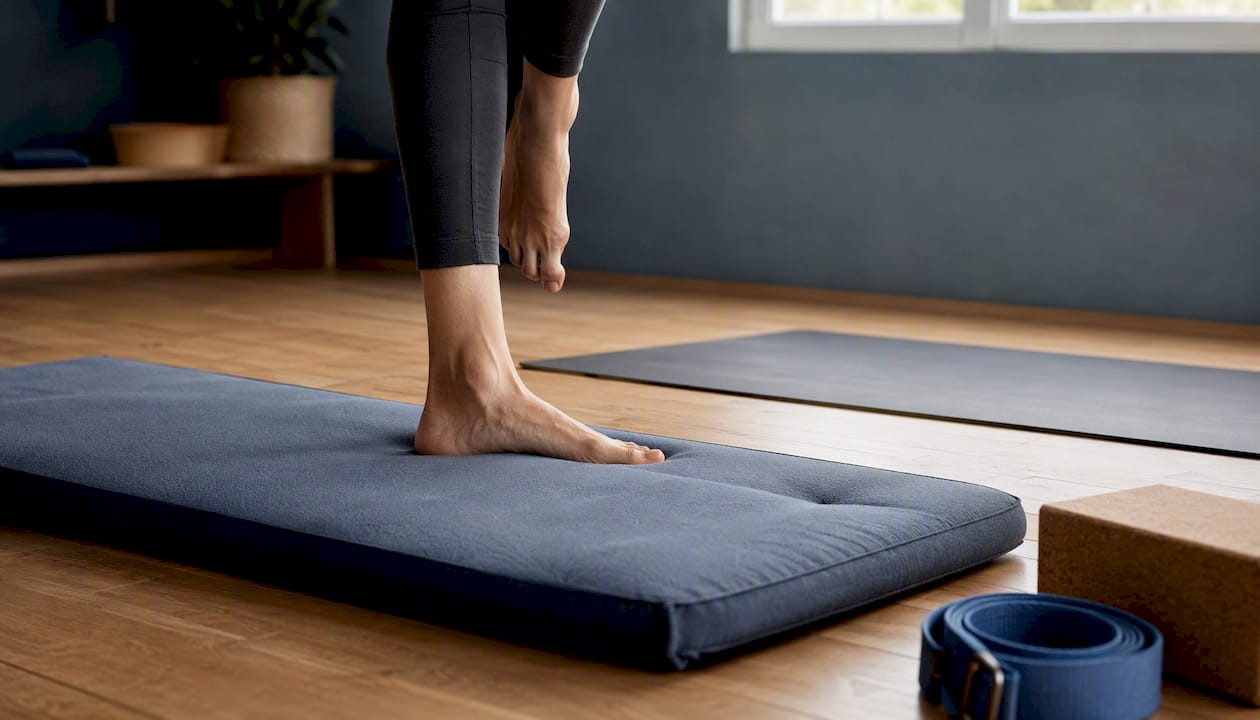
What Yuneyoga gets right is building mats that hold their density over time. A pad that starts firm and compresses to mush after six months hasn’t protected your knees. It’s delayed the problem. Natural rubber resists compression set better than EVA foam, which is why the lifespan difference between the two materials is measured in years, not months.
For practitioners who care about what their equipment is made of, the eco-friendly yoga mat options from Yuneyoga are worth a close look before defaulting to whatever’s cheapest on a marketplace.
Useful sources and further reading
For anyone who wants to verify material claims, thickness recommendations, or compare yoga and Pilates surface specs independently, these are the most useful references:
- The 12 Best Yoga Mats, According to Experts
- Best Pilates Exercise Mats
- Yoga mats vs Pilates mats: which one is right for you?
- Yoga Mat vs Pilates Mat vs Exercise Mat: Which One Should You Choose - The Brand Hub
- Yune Yoga
- 5 Best Eco-Friendly Yoga Mats for a Sustainable Practice