
10 best mat for yoga picks for every practice and budget
Key Takeaways
The best mat for yoga depends on where and how you practice, not simply on price or appearance.
- Choose medium cushioning for a versatile everyday practice.
- Prioritize grip and easy cleaning for heated sessions.
- Look for extra thickness when kneeling comfort matters most.
- Pick a thin, foldable design for travel and small spaces.
- Consider material, maintenance, and accessories alongside the mat itself.
1. Best overall mat for yoga
The best overall mat for yoga should feel steady in standing poses, comfortable during floor work, and practical enough for regular use. A medium thickness is usually the most adaptable starting point because it offers some cushioning without making balance work feel unstable. Texture matters just as much as padding, especially if your practice includes flowing transitions.
Pay attention to dimensions, too. A mat that is slightly longer or wider can make a noticeable difference when you move through poses, but extra material often adds weight. The ideal everyday choice is easy to unroll, simple to wipe down, and dependable across gentle and more active sessions. A useful yoga mat comparison guide can help you weigh these details without getting distracted by color alone.
The right all-purpose mat should disappear into the background of your practice. It should not bunch up at the corners, feel slippery when your hands warm up, or leave your knees searching for support. If you are buying only one mat, favor a balanced combination of grip, moderate cushioning, manageable weight, and a surface you will be willing to clean often.
2. Best budget mat for yoga
A budget mat can be a sensible first purchase when you are still learning what kind of practice you enjoy. Look for a surface with enough traction for basic standing poses and a thickness that does not feel paper-thin under your hands. You do not need every premium feature at once, but you do need a mat that stays flat and feels predictable.
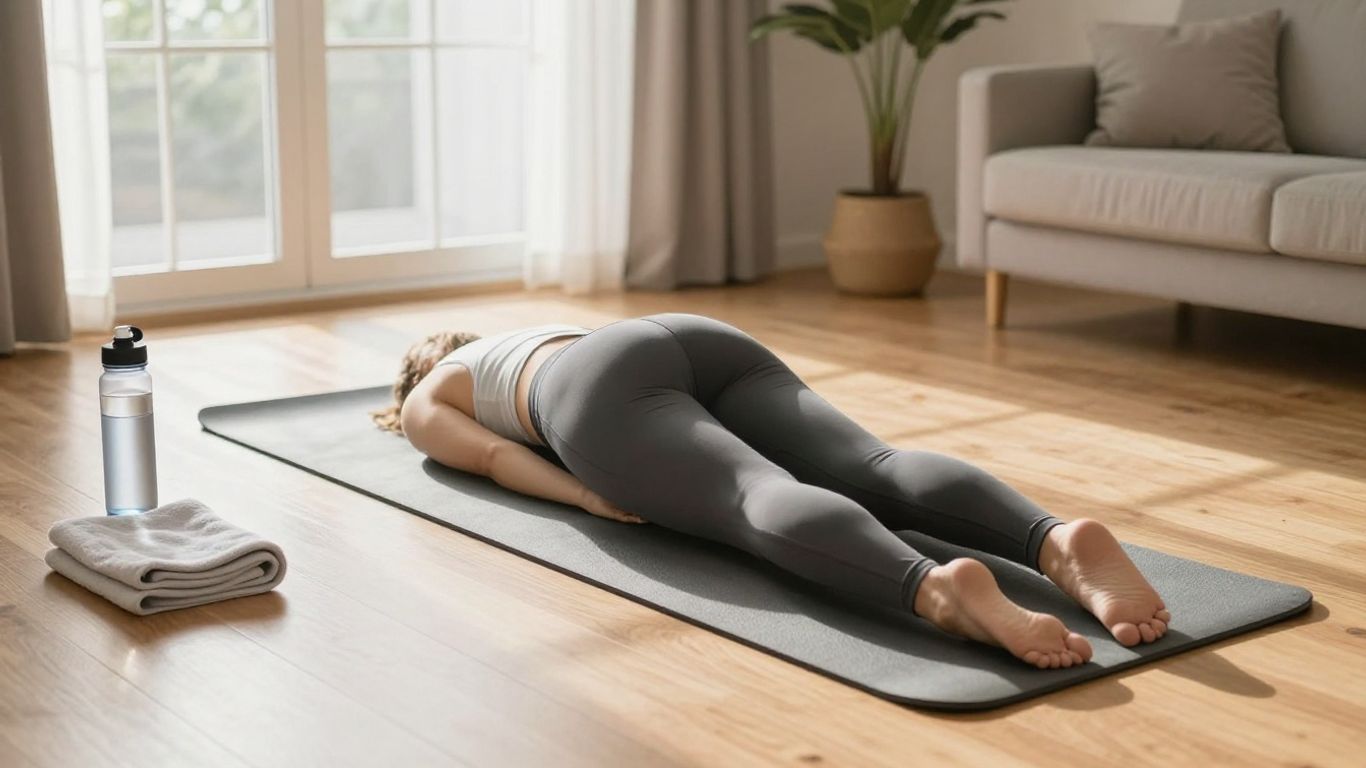
Lower-priced mats often trade long-term durability for accessibility, so care becomes part of the value equation. Keep the mat away from excessive heat, wipe it after sweaty sessions, and let it dry fully before rolling it up. A budget option that remains pleasant to use will serve you better than a slightly cheaper mat that quickly develops tears, strong odors, or a curled edge.
Before buying, compare the total setup rather than the sticker price. A mat with enough grip may reduce the need for extra accessories, while a very thin model may make a towel or blanket useful for kneeling. For a broader look at materials and prices, browse this guide to affordable yoga mats, then choose the simplest option that fits your actual routine.
3. Best mat for hot yoga
The best mat for hot yoga starts with traction. Heat and sweat can make an otherwise comfortable surface feel unreliable, so look for a texture that stays secure as your hands and feet become damp. A mat that is easy to wipe down after class is also a practical advantage when moisture is part of every session.
Some practitioners prefer pairing their mat with an absorbent layer during especially sweaty practices. Yune Yoga absorbent yoga towels are designed for convenience in a portable setup, and a towel can also make cleanup easier between sessions. Keep in mind that adding a layer changes the feel beneath your hands, so test the combination before relying on it for demanding transitions.
Material and maintenance should be considered together. A grippy surface may collect dust or lint more readily, while textured materials can take longer to clean thoroughly. The useful hot yoga mat guide offers another way to think through grip, cushioning, and portability before choosing a setup for heated rooms.
4. Best thick mat for yoga
A thick mat is appealing when your practice includes frequent kneeling, seated work, or long periods on the floor. Extra cushioning can make a hard studio floor feel friendlier, particularly for people who dislike pressure beneath their knees or hips. It can also make slower sessions more comfortable when you spend more time in each position.
There is a trade-off, however. Very soft or very thick mats may feel less stable under one foot, and they are usually heavier to carry. If balance is a regular part of your practice, look for cushioning with a reasonably firm base rather than choosing the plushest option available. This thick yoga mat selection is useful for comparing support and stability as separate qualities.
Think about where the mat will live. A thick model may be ideal for a home corner but inconvenient for a daily commute, especially if it is difficult to roll tightly. If you need cushioning only for certain poses, a folded blanket or small pad can sometimes supplement a thinner everyday mat without turning your entire setup into a bulky piece of equipment.
5. Best travel mat for yoga
The best travel mat for yoga is light enough to carry without hesitation and thin enough to fit into luggage. Portability changes the question: you may accept less cushioning if the mat folds easily, takes up little space, and lets you practice in a hotel room, park, or unfamiliar studio. A compact mat is useful only if you will actually bring it along.
Yune Yoga foldable travel mats fit the practical appeal of a portable setup: the emphasis is on being thin, light, and easy to pack. Place a travel mat over a clean floor or another mat when you want more cushioning, and check the surface beneath it before beginning. Outdoor grit and uneven ground can affect comfort more than the mat itself.
A few simple features make travel easier: a wipeable surface, edges that lie flat after unfolding, and enough length for your normal movements. The travel yoga mat guide can help you compare portability with durability, but your own luggage habits matter most. If your mat stays home because it is awkward to carry, even excellent cushioning has little practical value.
6. Best mat for yoga beginners
The best mat for yoga beginners should make practice feel straightforward. A medium thickness, reliable grip, and standard dimensions are generally easier to learn on than an extremely soft, ultra-thin, or highly specialized design. Beginners benefit from a surface that feels stable while they get used to foot placement and transitions.
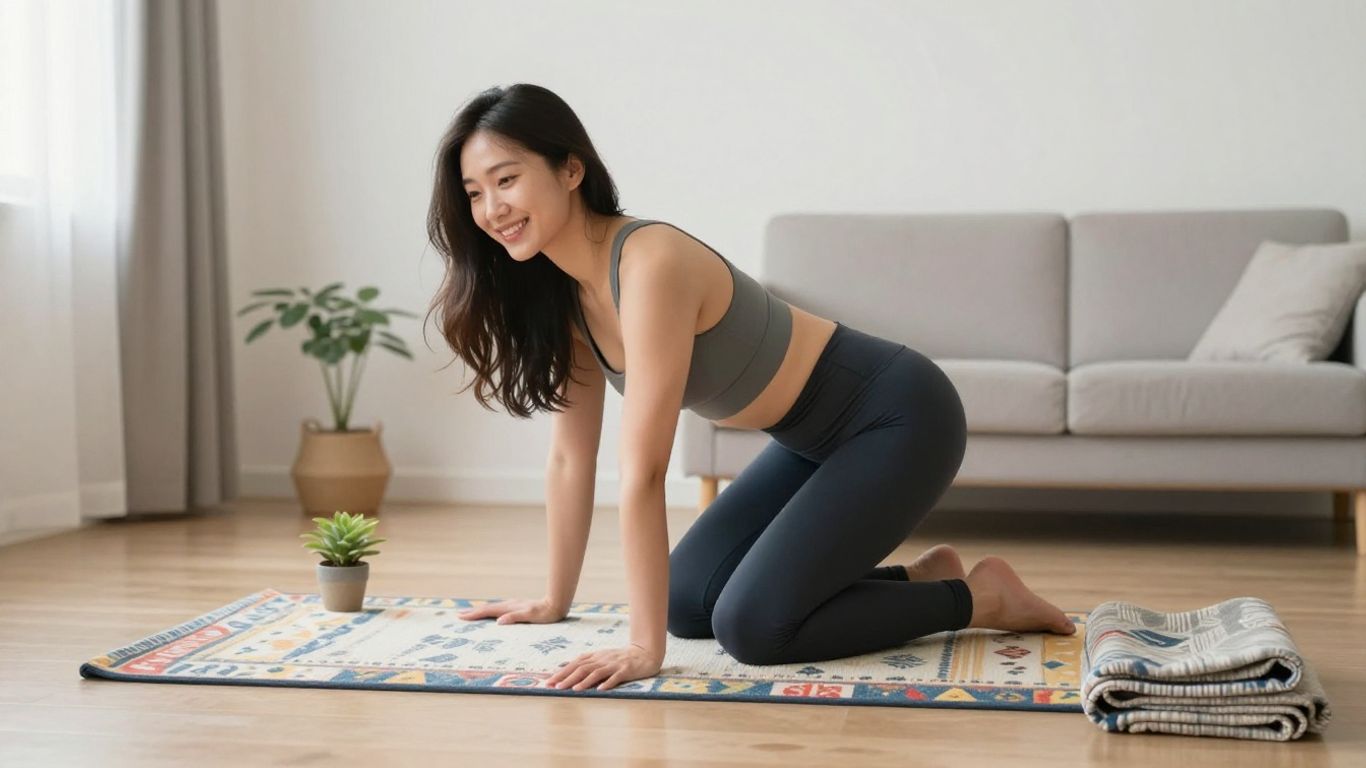
It is also worth choosing a mat that does not require a complicated care routine. A quick wipe and complete air-dry should be enough for ordinary use, and the mat should roll or fold without a struggle. This beginner yoga mat guide can provide useful context, especially if you are comparing comfort, grip, and cost for a first purchase.
Do not feel pressured to buy for an advanced version of yoga you may never practice. Start with the kinds of sessions you can imagine doing consistently, whether that means short home flows, gentle classes, or occasional stretching. As your preferences become clearer, you can decide whether you need more grip, more cushioning, a lighter design, or a larger practice area.
7. Best non-slip mat for yoga
A non-slip mat should give your hands and feet a dependable surface without feeling harsh. Grip is especially noticeable in downward-facing poses, lunges, and transitions, where small movements can interrupt concentration. The best texture is one that feels secure while still allowing you to reposition deliberately.
Sweat, lotion, dust, and cleaning residue can all change how a mat performs. Even a naturally grippy surface needs regular care, and a damp mat may require more drying time before storage. Consider whether you practice mostly at home, in a heated room, or outdoors, since each setting places different demands on traction.
A practical way to compare options is to separate dry grip from wet grip, then consider how much cushioning you need. This non-slip yoga mat overview explores that distinction across different practice styles. Whichever mat you choose, use controlled movement rather than forcing your hands or feet into place; secure traction should support technique, not replace it.
8. Best eco-friendly mat for yoga
An eco-friendly mat is not defined by one material alone. Natural rubber, cork, recycled components, and other lower-impact choices can each have different textures, odors, weights, and care requirements. Read the material description carefully and consider whether the manufacturing details are clear enough for your priorities.
Durability is part of the environmental calculation. A mat that lasts through regular use may be more practical than one that needs frequent replacement, even if the first option costs more. You should also check whether the material reacts poorly to sunlight, moisture, or certain cleaners before making it part of your everyday routine.
Choose based on both values and usability. If a mat has a beautiful material story but feels too slippery or difficult to carry, it may not remain in your practice for long. This eco-friendly yoga mat guide offers a useful starting point for comparing material preferences with grip, thickness, and maintenance.
9. Best mat for yoga and Pilates
The best mat for yoga and Pilates has to balance stability with floor comfort. Pilates often involves more time lying down and rolling through the spine, while yoga may ask for a firmer, more stable base during standing work. A medium-to-thick surface can be comfortable, but excessive softness may make balance poses feel less controlled.
Measure the space you have at home before choosing an oversized mat. Extra width is pleasant for floor exercises, yet it can make storage and transport more difficult. Yune Yoga yoga straps are a practical accessory for a portable setup, particularly when you want to carry supporting gear without adding much bulk.
A flexible arrangement may work better than one compromise mat. Use a stable yoga mat for standing sequences and add a folded blanket or separate pad for Pilates movements that need more softness. This yoga mat buying guide can help you compare thickness, texture, and style without assuming that one surface is perfect for every type of movement.
10. Best luxury mat for yoga
A luxury mat earns its place through details you notice repeatedly, not simply through a higher price. Consistent traction, comfortable support, clean finishing, generous dimensions, and durable construction are more meaningful than decorative packaging. The mat should improve the ordinary moments of practice, from unrolling it to wiping it clean afterward.
Premium materials can still require compromises. A heavier mat may feel wonderfully stable at home but become inconvenient on the way to class, while a specialized surface may need more careful cleaning. Before paying more, decide which quality you will use every week and which feature is merely attractive in a product description.
A thoughtful purchase also considers accessories, storage, and replacement costs. A mat bag, towel, or strap can make an expensive mat more useful, but the extras should solve a real problem. For perspective on the broader value of premium purchases, even this unrelated discussion of high net worth financial planning makes a familiar point: preservation and long-term usefulness deserve attention alongside the initial choice.
Conclusion
The best mat for yoga is the one that matches your practice, space, comfort preferences, and willingness to carry and clean it. Start with grip, thickness, material, and portability, then choose the features that will make it easier to practice consistently rather than simply look impressive on a shelf.
Frequently Asked Questions
How thick should a yoga mat be?
A medium-thickness mat is a versatile starting point for most people. Choose more cushioning if kneeling comfort is a priority, but remember that very thick mats can feel less stable in standing poses.
Is a thicker yoga mat better for beginners?
Not always. Beginners often do well with moderate cushioning and a stable surface, while an overly soft mat may make balance and foot placement harder to understand.
What makes a yoga mat good for hot yoga?
Look for dependable traction, a surface that remains manageable when damp, and easy cleaning. An absorbent towel can also be useful during particularly sweaty sessions.
Are travel yoga mats comfortable enough for daily use?
They can be, especially on a carpeted or padded floor, but thin travel mats usually provide less cushioning. Some people place them over a standard mat when they want portability and comfort together.
How do I stop my yoga mat from slipping?
Clean away sweat, lotion, and residue, and make sure the floor beneath the mat is dry. If slipping continues, consider whether the mat's texture suits your practice and whether a towel layer would help.
How often should a yoga mat be cleaned?
Wipe it after sweaty or outdoor sessions and allow it to dry fully before rolling it up. A deeper clean can be done periodically according to the material's care instructions.
Can one mat work for yoga and Pilates?
Yes, if it offers enough floor comfort without becoming unstable for standing poses. A stable medium-thickness mat with an additional pad or blanket can cover both activities well.