
Article: 10 best mat hot yoga options for a secure, sweat-resistant practice

10 best mat hot yoga options for a secure, sweat-resistant practice
Key Takeaways
A good hot-yoga mat should stay steady as sweat builds, while still feeling comfortable and manageable to carry. The right choice depends on your grip needs, cushioning preferences, cleaning routine, and practice style.
- Prioritize traction that remains dependable when the surface gets damp.
- Match thickness to your balance preferences and joint comfort.
- Consider weight and foldability if you practice away from home.
- Use a towel when you want extra moisture control and easy laundry.
- Clean and dry the mat consistently to protect its feel over time.
1. Best overall mat for hot yoga
The best mat hot yoga practice can offer is one that feels stable without becoming cumbersome. Look for a surface that gives your hands and feet reliable contact, a base that does not shift easily, and enough cushioning for kneeling or transitions. A balanced design is usually more useful than an extreme focus on softness or stickiness.
Heat changes the way a mat feels under pressure. As moisture collects, a surface that seemed secure in a cool room may begin to feel slick, so test your hand placement during downward dog and wide-legged positions. The mat should also lie flat quickly, since curled edges are distracting in a crowded studio.
Your own routine matters just as much as the material. If you move between home, class, and outdoor practice, portability becomes part of performance. A dependable mat is one you will actually bring with you, wipe down after class, and keep ready for the next session.
2. Best budget mat for hot yoga
A budget mat can work well for heated practice when it covers the essentials rather than trying to imitate every premium feature. Focus first on a textured, non-slip surface, a stable underside, and a thickness that does not make balancing feel vague. Those qualities matter more than decorative finishes or elaborate packaging.
For an affordable option with a practical hot-yoga profile, the Yune Yoga Hoth Yoga Mat is described as a 6mm non-slip mat with confidence-building traction, balanced cushioning, and a design that lies flat. It is also presented as easy to care for, which helps keep the overall cost of regular practice manageable.
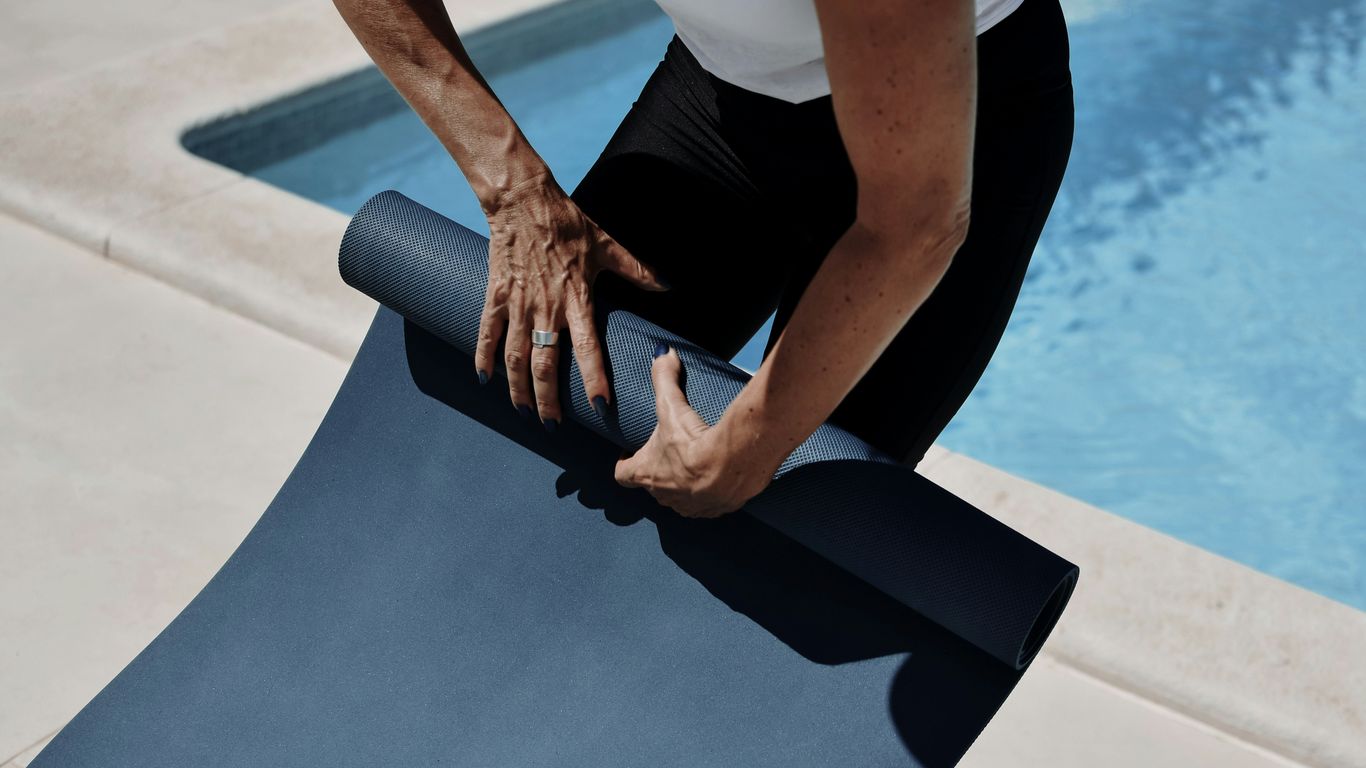
The best value is not always the cheapest item on the shelf. Consider how often you practice, whether you need to carry the mat, and how simple it is to maintain. A mat that stays useful through frequent sessions can be a better purchase than one that saves money upfront but quickly becomes unpleasant to use.
3. Best non-slip mat for sweaty hands
Sweaty hands need traction that feels predictable rather than aggressively sticky. A textured surface can help your palms settle into the mat, but grip also depends on pressure, alignment, and whether moisture is sitting on top instead of being absorbed or dispersed. Try a few familiar poses before deciding that a mat is truly non-slip.
The surface should support movement without catching so sharply that transitions feel awkward. That distinction is especially noticeable during flows that move from plank to cobra, or when the hands need to adjust by a few inches. Good traction gives you confidence while still allowing controlled repositioning.
A towel can help if your hands become damp quickly, but it should not bunch beneath the palms. For broader guidance on what supports a steady grip in heated practice, compare moisture handling, surface texture, and base stability rather than relying on a single marketing phrase.
4. Best extra-thick mat for joint support
An extra-thick mat can make kneeling, seated work, and low lunges feel more forgiving. It is most useful for practitioners who dislike direct contact with a hard studio floor or who want a softer landing during transitions. The tradeoff is that too much give may make standing balances feel less precise.
Choose cushioning with care when your practice includes frequent weight shifts. A dense, supportive surface generally feels more controlled than a very soft one, particularly in heated classes where sweat can make the top layer feel less stable. Width and length also matter if you tend to move beyond the standard footprint.
The Skaro Yoga Mat is described as a 6mm non-slip mat with joint-friendly cushioning and balanced density. That combination illustrates the practical middle ground many people want: enough support for comfort, but not so much softness that the floor connection disappears.
5. Best lightweight mat for studio and travel
A lightweight mat earns its place when it is easy to carry, store, and set up in unfamiliar spaces. Travelers may practice in a hotel room, on a balcony, or in a park, where a bulky roll quickly becomes a nuisance. A thinner profile can also fit more easily into a tote or suitcase.
Portability should not mean ignoring traction. Check whether the mat lies flat, whether it shifts on the floor, and whether its surface remains manageable after a sweaty session. If you practice outdoors, consider how much cleaning the material will need after contact with dust, grass, or sand.
The Airstream Mt. Hood Yoga Mat is described as a 6mm non-slip mat designed for studio use, travel, and outdoor practice, with reliable traction, supportive cushioning, and easy cleaning. Its documented focus on mobility makes it a natural fit for anyone who wants one mat for several locations.
6. Best natural rubber mat for hot yoga
Natural rubber appeals to practitioners who want a grippy, substantial foundation for heated movement. The feel can be especially appealing when the hands and feet need a firm connection during standing sequences. Before buying, check care instructions and make sure the material suits your preferences and sensitivities.
A rubber mat may have a noticeable odor when new, so ventilation and patience can be part of the setup. It is also worth considering how moisture interacts with the surface and whether the mat needs a more careful drying routine after class. These small maintenance details affect whether the mat remains pleasant over time.

For a natural-rubber-oriented comparison, the natural rubber mat guide discusses wet grip and cushioning as central considerations for hot yoga. Use those criteria alongside the manufacturer's care guidance, and remember that no material eliminates the need to wipe and dry the mat after a sweaty practice.
A useful way to compare the main tradeoffs is to separate grip, cushioning, and upkeep rather than treating them as one feature.
| Priority | What to look for | Main tradeoff |
|---|---|---|
| Wet grip | Textured or moisture-managing surface | May need careful cleaning |
| Joint comfort | Supportive, moderately cushioned profile | Can reduce floor feel |
| Portability | Manageable weight and easy storage | May use a thinner construction |
| Maintenance | Wipeable, moisture-resistant finish | Still needs thorough drying |
That framework keeps the choice practical. Natural rubber may be a strong fit for one person's heated flow, while another practitioner may value a lighter mat or simpler cleaning above all else.
7. Best eco-friendly mat for conscious yogis
Eco-friendly shopping is easier when you look beyond a broad label. Consider the material, expected lifespan, packaging, and whether the mat can be cleaned without harsh routines. A durable product that stays in rotation can be a more practical choice than something that must be replaced often.
You should also check for details that matter to your household, such as latex or phthalate information. The Moab Plains Yoga Mat is described as an eco-friendly mat with double-sided grip, durable tear-resistant construction, and an easy-to-clean surface. Those are concrete attributes to compare when sustainability and daily convenience need to coexist.
Design can support longevity too. A mat that works for different styles and locations is less likely to become a single-purpose purchase. Choose the surface you will enjoy using, then build a simple cleaning and storage habit around it.
8. Best mat for advanced hot yoga flows
Advanced flows place unusual demands on a mat because the practice may move quickly between hand-supported, standing, and low-to-the-floor positions. The surface needs to feel secure during transitions without trapping the hands or feet. A stable base is just as important as the top texture.
Precision also matters. A very soft mat may feel comfortable at first but can make weight transfers less clear, while a hard, thin mat may become distracting during repeated kneeling. Aim for a profile that lets you sense the floor while providing enough support for long sessions.
The Zeus Yoga Mat is described as a 6mm non-slip mat with traction that keeps practitioners anchored even when sweating, plus cushioning that supports joints without sacrificing floor feel. Those documented features align with the needs of dynamic practice, though your own balance and hand pressure should guide the final choice.
9. Best mat towel combination for maximum grip
A mat towel is useful when sweat is the main reason your hands or feet begin to slide. It can absorb moisture from the practice surface and make cleanup easier after class. The towel should fit the mat closely, stay reasonably flat, and be easy to wash between sessions.
Use the combination thoughtfully rather than placing a loose towel on a dry mat and hoping it stays put. A towel with enough coverage for your hands and feet can be helpful during vigorous sequences, while a smaller towel may be more convenient for spot drying. The mat underneath still needs a stable underside.
These practical checks help you decide whether the pairing will suit your routine:
- Choose a towel that covers the areas where sweat collects most.
- Smooth it flat before class and reset it if it bunches.
- Wash it regularly so absorbed moisture does not linger.
- Let both the towel and mat dry fully before storing them.
A towel is an accessory, not a substitute for a suitable mat. When the base already feels stable, the added absorbency can make a noticeable difference without requiring a complete change of equipment.
10. Best easy-to-clean mat for frequent practice
Frequent practitioners need a mat that does not turn cleanup into a major chore. A moisture-resistant surface can make routine wiping simpler, while a durable finish helps the mat remain usable through repeated handling. Still, easy care depends on consistent habits rather than material alone.
Wipe the mat after sweaty sessions and follow the manufacturer's directions for deeper cleaning. Avoid rolling it up while damp, since trapped moisture can create an unpleasant smell and may affect the surface. Give it enough air before storing it in a bag or closet.
The Nakata Yoga Mat is described as a 6mm non-slip mat with a moisture-resistant, easy-clean finish and a design intended for home, studio, or travel. Those features make it a practical reference point for shoppers who want cushioning and grip without a complicated maintenance routine. For a broader perspective on cleaning and mat care, compare wipe-down guidance, drying time, and storage requirements before you buy.
Conclusion
The best hot-yoga mat is the one that matches your sweat level, preferred cushioning, travel habits, and willingness to maintain it. Start with dependable traction and a stable base, then weigh portability, material, and cleaning needs so your choice continues to feel useful beyond the first class.
Frequently Asked Questions
What makes a mat suitable for hot yoga?
A suitable hot-yoga mat offers dependable traction when moisture builds, stays stable on the floor, and provides enough cushioning for your practice. Easy cleaning and thorough drying are also valuable for frequent use.
Is a thicker mat better for hot yoga?
Not always. Extra cushioning can feel more comfortable for kneeling and floor work, but too much softness may make standing balances less precise. Choose the thickness that supports your joints without reducing control.
Do I need a yoga towel for hot yoga?
A towel is helpful when sweat makes the surface slippery or when you want easier cleanup. It works best when it lies flat and pairs with a mat that already has a stable underside.
How often should I clean a hot-yoga mat?
Wipe it after sweaty practices and follow the care instructions for occasional deeper cleaning. Always let the mat dry fully before rolling or storing it.
Can I use a hot-yoga mat outdoors?
Yes, if the mat is suitable for outdoor use and you are prepared to remove dust, grass, or sand afterward. A portable, easy-to-clean design is especially useful for outdoor sessions.
Is natural rubber a good choice for sweaty practice?
Natural rubber can provide a firm, grippy feel, but care requirements and odor may vary. Check the material information and cleaning directions before purchasing.
How do I stop my hands from sliding on the mat?
Choose a surface designed for reliable wet traction, keep the mat clean, and use a towel if sweat remains the main issue. Hand placement and pressure also affect how secure each pose feels.

