

10 best mats for yoga for every practice and budget
Key Takeaways
The best mats for yoga are not the same for every person or practice. Start with grip, cushioning, size, weight, and care needs, then match those features to where and how you actually practice.
- Choose a balanced 4–6mm mat for a versatile everyday practice.
- Prioritize moisture-friendly grip for hot or vigorous yoga.
- Look for extra cushioning if your knees, wrists, or hips need more support.
- Pick a lightweight or foldable design if you practice while traveling.
- Check the material, dimensions, cleaning needs, and price before buying.
1. Best overall yoga mat
The best overall yoga mat should feel steady without being overly heavy, soft without feeling unstable, and versatile enough for slow stretches and quicker flows. A medium thickness around 4–6mm is a practical starting point for many people. It gives you some cushioning while preserving enough contact with the floor for standing poses.
Grip is just as important as thickness. A mat that shifts beneath your hands or curls at the corners can interrupt a session, even when its surface feels comfortable. For a useful comparison of performance-focused options, browse these performance yoga mats, then pay attention to the details that fit your own routine rather than choosing by appearance alone.
Before ordering, compare the basics side by side. The table below keeps the decision focused on the features that tend to matter most in daily use.
| Feature | What to look for | Why it matters |
|---|---|---|
| Thickness | About 4–6mm | Balances cushioning and floor feel |
| Surface | Reliable dry or moisture-friendly traction | Helps hands and feet stay placed |
| Size | Enough length and width for your movement | Reduces cramped transitions |
| Weight | Manageable for your commute | Makes regular practice easier |
A well-rounded mat does not need every possible feature. It needs to perform predictably in the setting where you will use it most, whether that is a studio, living room, or park.
2. Best budget yoga mat
A budget mat can be a sensible first purchase, especially if you are still learning what kind of practice you enjoy. Look for a surface that lies flat, a thickness that does not feel flimsy, and materials that are simple to wipe clean. The least expensive option is not always the best value if it slides or needs replacing quickly.
Price should be considered alongside portability and durability. A mat that travels easily may get more use than a heavier one with a slightly softer feel. If you are furnishing a guest space, this guide to yoga mats for rentals also highlights practical concerns such as hygiene, grip, durability, and comfort.
A lower price does not mean you have to give up all comfort. Focus on the features you will notice every time you unroll it, and avoid paying extra for decorative details that do not improve your practice.
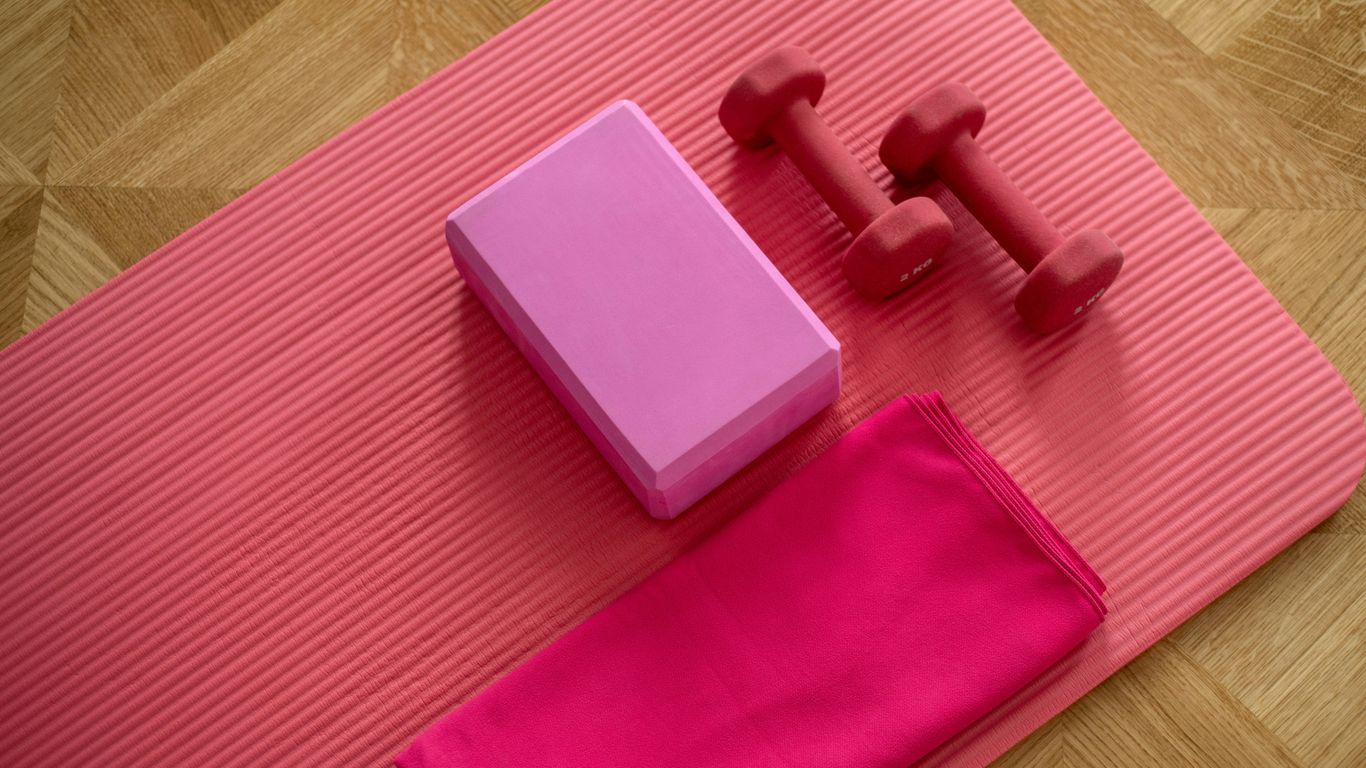
For many beginners, a moderate thickness and dependable traction are enough. It is also worth checking whether the mat has a moisture-resistant surface, since easy cleaning can make a basic mat feel much more convenient over time.
3. Best yoga mat for hot yoga
Hot yoga changes the grip question because sweat can turn an ordinary surface into a slippery one. Look for a mat described as moisture-resistant or designed to maintain traction when damp, and consider whether you will also use a towel. A towel can add absorbency, but it should not be a substitute for a stable base that works for your style.
Thickness still matters in a heated class. A very soft, thick mat may feel comfortable during kneeling but less secure during standing transitions. A medium profile often gives a more grounded feel, while a grippy top layer can make repeated flows less distracting.
The Hoth Yoga Mat is described as a 6mm non-slip mat with balanced cushioning for hot yoga, vinyasa, restorative poses, and meditation. Its documented features include a durable design that lies flat and is easy to care for, which can be useful when a mat moves between home and studio.
Whatever you choose, clean the mat according to its care instructions after sweaty sessions. Letting it dry fully before rolling it up is a small habit that helps keep the practice surface fresh.
4. Best yoga mat for beginners
Beginners usually benefit from a mat that feels predictable rather than highly specialized. Moderate cushioning, a surface that does not move easily, and enough room to spread out can make the first classes less frustrating. There is no need to buy the thickest or most technical mat before you know which practices you prefer.
A clear, uncluttered design can help too. Alignment markings are optional, but a stable surface and visible edges make it easier to notice where your hands and feet are landing. Materials that wipe clean are another practical advantage for someone building a regular routine.
The Pagoda Mat is described as a 6mm non-slip mat with cushioning for joint protection and stability, including in sweaty conditions. Its documented construction uses eco-friendly PER material, and the design is described as spacious and suitable for beginners as well as advanced practitioners.
Try a few simple poses on a mat before committing when possible. The right choice should feel supportive without making balance work feel soft or wobbly.
5. Best cushioned yoga mat
Extra cushioning can be welcome during kneeling poses, seated stretches, and restorative practice. It can also make a hard floor more comfortable, particularly if you practice at home without a carpet underneath. Still, more padding is not automatically better for every pose.
A mat that is too soft may make standing balance work feel less stable. Look for cushioning that supports pressure points while retaining a reasonably firm base. A textured surface can help the mat feel planted, especially when your hands are bearing weight.
The Moab Plains Mat is described as a 6mm non-slip mat with double-sided grip, cushioning, and tear-resistant construction. Its product description also identifies it as lightweight, easy to clean, and suitable for beginners, eco-conscious practitioners, and people who practice on the go.
Think about where you feel pressure most often rather than choosing thickness by number alone. If your knees need relief but your standing poses need a firm connection, balanced cushioning is likely a better fit than a very plush mat.
6. Best lightweight yoga mat for travel
A travel mat earns its place by making practice possible in imperfect spaces. It should pack without becoming a burden, lie reasonably flat, and offer enough traction for a short session in a hotel room, park, or rental apartment. Thinness helps with weight, but an ultra-thin mat may feel less comfortable on hard floors.
Portability is also about handling. A mat that folds or rolls neatly and dries quickly is easier to bring along than one that needs a large carrier. Before a trip, check its packed dimensions as well as its full practice size; both affect whether it will actually fit your luggage and suit your movement.
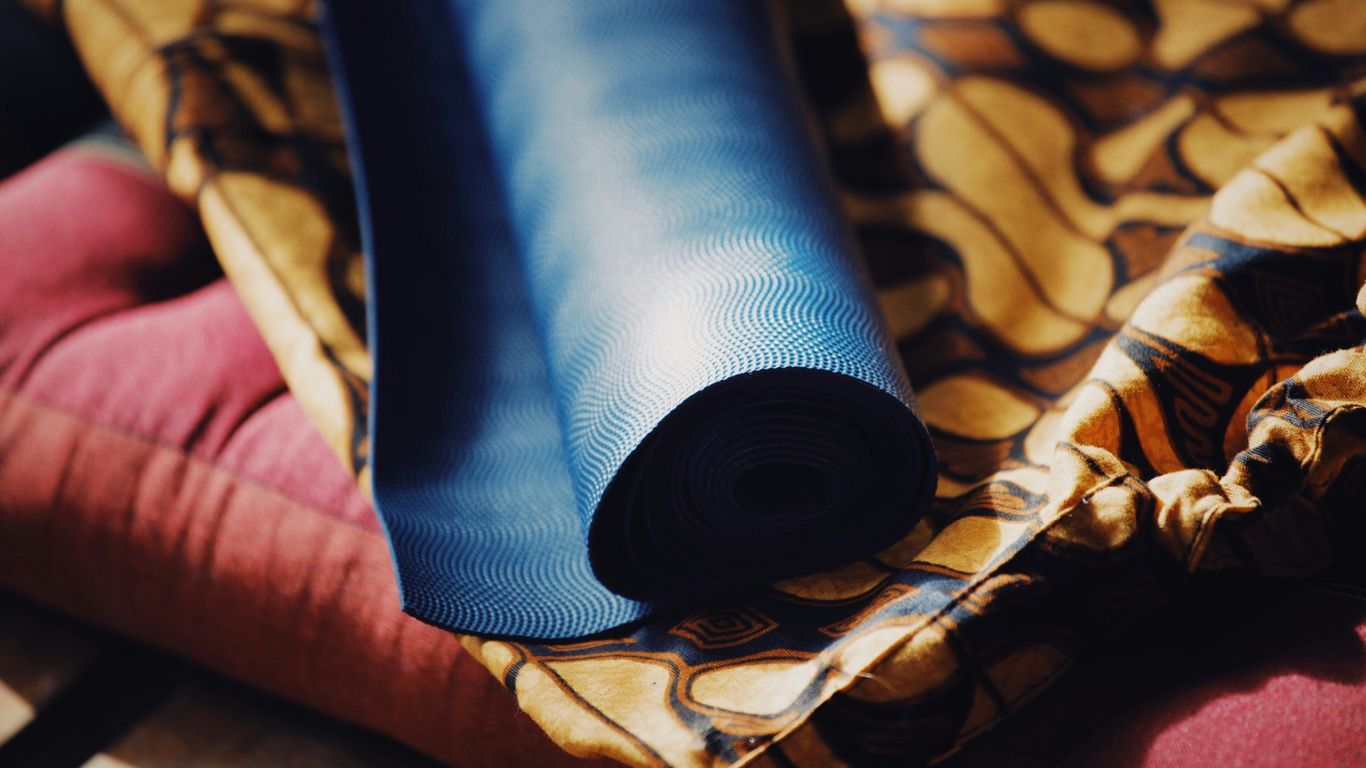
The Juliet Trekk Travel Mat is described as a 2.5-pound, 24-by-72-inch, 5mm mat with a double-sided design. Its documented features include a soft ridged top, a firmer stickier bottom, eco-friendly PVC-, phthalate-, and latex-free materials, and moisture resistance.
That combination is aimed at convenience without reducing the mat to a disposable travel layer. If you travel often, compare weight, folded size, surface feel, and cleaning requirements before deciding which compromise feels easiest to live with.
7. Best eco-friendly yoga mat
Eco-friendly shopping involves more than a green color or a natural-looking print. Check the material, whether the product is free from substances you want to avoid, how it is made, and how long it is likely to remain useful. A durable mat that gets used for years may be a more practical choice than a short-lived alternative.
You should also consider cleaning and storage. A moisture-resistant surface can be easier to maintain, while a mat that stays flat and resists tearing may be less likely to be replaced prematurely. The material should still feel comfortable and stable under your hands.
The Pagoda Mat has already been mentioned for its beginner-friendly cushioning, but its documented use of eco-friendly PER also makes it relevant here. For another perspective on sustainability, this overview of eco-friendly natural rubber mats discusses material sourcing and grip without making those qualities universal to every mat.
Read environmental claims carefully and separate documented material information from broad marketing language. The most useful choice is one whose construction, care instructions, and expected lifespan fit your habits.
8. Best yoga mat for grip and stability
Grip becomes especially noticeable when a practice includes lunges, flowing transitions, or repeated weight shifts. A stable mat should resist sliding on the floor while giving your hands and feet a surface they can trust. It should not feel so sticky that repositioning becomes awkward.
Surface texture, moisture handling, and floor contact all affect stability. If you practice outdoors, dust and uneven ground can change the experience, so a wipe-clean surface and a mat that lies flat are valuable. A portable mat option can be useful for people who move between locations and still want double-sided grip.
When grip is a priority, use this short checklist while comparing products:
- Check whether traction is described for dry or damp conditions.
- Look for a base that stays flat instead of bunching underfoot.
- Consider whether the texture allows easy hand repositioning.
- Match the mat’s size to the width of your usual stance.
These details help distinguish a genuinely stable mat from one that simply feels tacky in the packaging. Give a new mat time to settle, and clean it in the recommended way before judging its long-term feel.
9. Best yoga mat for sensitive joints
People with sensitive knees, wrists, hips, or elbows often need more support from the practice surface. A 6mm mat can provide a useful middle ground, particularly for kneeling and floor-based work. Cushioning should reduce harsh contact without making standing poses unstable.
You can also adjust the setup rather than relying on the mat alone. A folded towel under the knees, a small cushion, or a second layer for specific poses may be more useful than buying the thickest mat available. Comfort is personal, so stop or modify a movement if the surface does not feel right.
The Hoth Yoga Mat is described as a 6mm mat with balanced cushioning and non-slip performance. Those documented features may suit someone looking for a supportive, steady surface, though no mat can determine what will feel comfortable for every body or pose.
Pay attention to density as well as thickness. A firm, supportive mat may offer better balance than a softer one, even when both have similar measurements.
10. Best extra-large yoga mat for home practice
An extra-large mat can make home practice feel less constrained. More space is helpful when you move through wide lunges, turn between poses, or keep props nearby. It is also worth measuring the room first, since a generous mat can quickly become awkward in a small space.
Size should not come at the cost of stability or storage. Check whether the mat lies flat, whether its surface is easy to clean, and where you will keep it between sessions. A larger mat may also weigh more, so consider how often you will need to move it.
A good home setup leaves enough clearance around the mat for safe transitions. It can help to mark the available floor area with tape before buying, then compare that footprint with the product dimensions rather than guessing from photographs.
Extra space is most useful when it supports the way you practice. If your routine is mostly seated or stationary, a standard-size mat may be simpler; if you move broadly or share the floor with props, the additional room can be worth the storage trade-off.
Conclusion
The best mats for yoga combine the features that match your real routine: dependable grip, suitable cushioning, enough space, manageable weight, and materials you are comfortable maintaining. Choose for the practice you actually do, and a simple mat can become a reliable part of it.
Frequently Asked Questions
What thickness is best for most yoga practices?
A mat around 4–6mm is a practical starting point because it balances cushioning with floor contact. Choose toward the thicker end if kneeling comfort matters most, and toward the thinner end if you prioritize portability or a firmer feel.
Is a thicker yoga mat always more comfortable?
No. Extra thickness can soften pressure on knees and wrists, but a very soft mat may feel unstable during balance poses. Density and surface grip matter alongside the measurement.
What type of yoga mat is best for hot yoga?
Look for reliable traction in damp conditions and consider pairing the mat with an absorbent towel. A surface that dries and cleans easily is also helpful after a sweaty class.
How do I choose a yoga mat for travel?
Compare packed weight, folded or rolled size, full dimensions, and cleaning needs. A slightly thinner mat may be worthwhile if it is light enough to bring consistently.
How often should a yoga mat be cleaned?
Wipe it after regular use and clean it more thoroughly after sweaty sessions or outdoor practice. Always follow the care instructions for the specific material and let the mat dry fully before storing it.
Are eco-friendly yoga mats durable?
Some are designed for long-term use, but environmental claims vary by material and construction. Check the product information for durability, care requirements, and the substances it excludes.
Can one yoga mat work for every style?
Yes, a versatile medium-thickness mat can suit many practices, but specialized needs may call for a different choice. Hot yoga, sensitive joints, frequent travel, and large home movements each place different demands on the surface.

