

10 best mats for yoga for every practice and budget
Key Takeaways
The best mats for yoga depend on how, where, and how often you practice. Cushioning, grip, material, price, and portability all matter, but they do not matter equally for everyone.
- Choose cushioning that supports your practice without making balance poses feel unstable.
- Prioritize grip for vigorous or heated sessions, especially when you sweat.
- Natural rubber and other lower-impact materials may suit eco-conscious shoppers.
- Beginners can keep things simple with a comfortable, reasonably priced reversible mat.
- A thin, foldable mat is useful for travel, parks, beaches, and hotel rooms.
1. Manduka PRO yoga mat for cushioning and durability
A firm, supportive mat can make a noticeable difference when your practice includes kneeling, seated work, or longer holds. The Manduka PRO is often considered by shoppers who want a substantial surface rather than an especially light one. Its dense feel is better suited to a dedicated home or studio setup than to a carry-on bag.
The trade-off is weight. A mat built around generous support can be awkward to carry across town, and it may take more time to settle flat after being rolled. Before choosing this kind of option, consider where it will live between sessions and whether you regularly transport it.
For readers comparing several styles, this Manduka PRO guide offers another perspective on cushioning, support, and everyday practice. A heavier mat can be a sensible choice when stability and a lasting setup matter more than convenience.
2. Liforme Original yoga mat for alignment guidance
Alignment markings can give a practice a useful visual reference, particularly for beginners who are still learning where hands and feet should land. The Liforme Original is a recognizable choice for shoppers who like that kind of guidance on the mat itself. It may feel more structured than a completely plain surface.
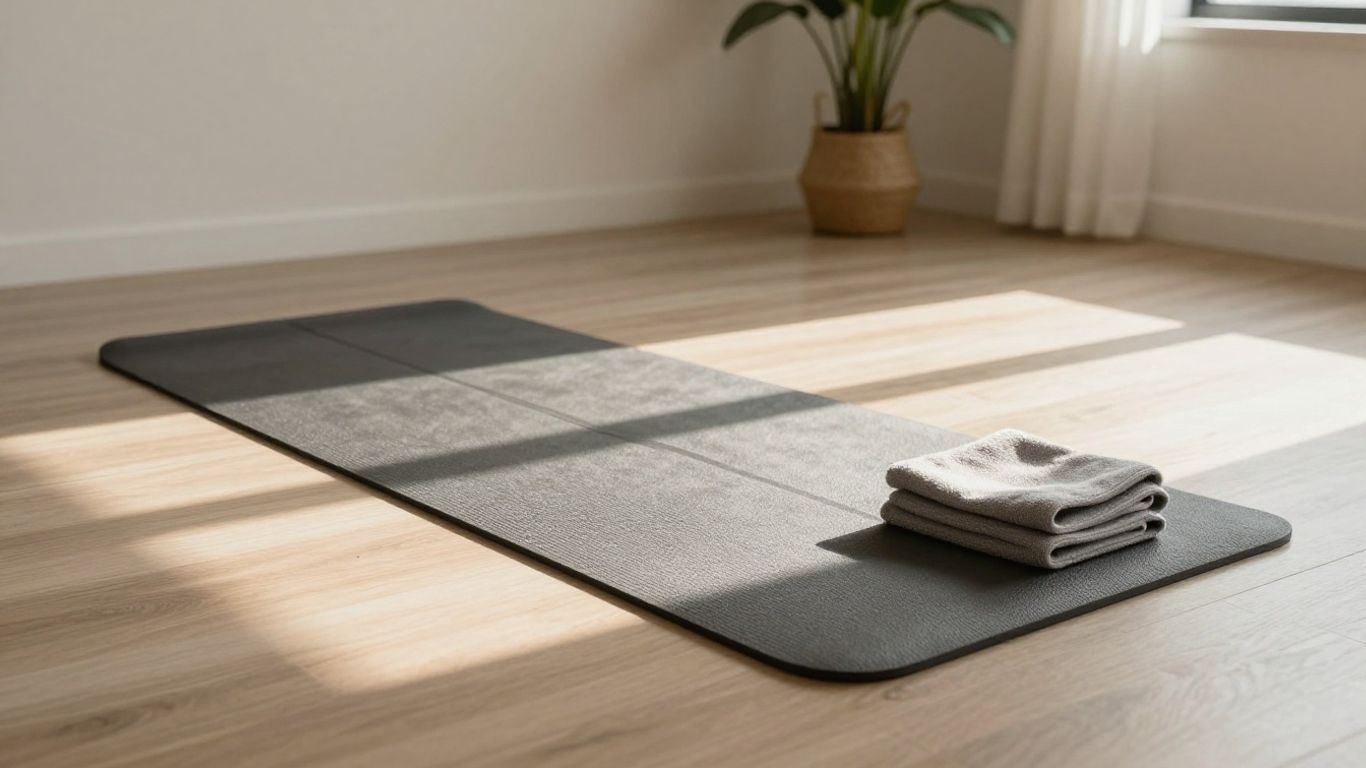
A marked surface is not a substitute for instruction, though. It works best as a quiet reminder while you adjust your stance, check symmetry, or return to a familiar position. If you prefer a visually minimal mat, the markings may feel distracting rather than helpful.
Take a moment to compare alignment guidance with your actual practice habits. A beginner yoga mat guide can help place that feature alongside cushioning, grip, and price instead of treating one detail as the whole decision.
3. JadeYoga Harmony mat for natural rubber grip
Natural rubber is appealing to shoppers who want a grippy-feeling surface and a material commonly associated with lower-impact mat choices. The JadeYoga Harmony is frequently discussed in that context, making it a reasonable style to investigate when traction is high on your list. The feel of rubber can be pleasantly grounded under bare feet and hands.
Material preference comes with practical considerations. Natural rubber can have a noticeable odor when new, and people with latex sensitivities should check product information carefully before buying. It also deserves routine cleaning so sweat, dust, and skin oils do not build up on the surface.
Grip should match the way you move. A slow restorative class may not require the same traction as repeated transitions, so compare the mat with your normal pace and the conditions in which you practice. This non-slip mat guide is a useful companion when surface feel is your main concern.
4. Alo Yoga Warrior mat for hot yoga
Hot yoga changes the mat question because warmth and perspiration can make a slick surface frustrating. The Alo Yoga Warrior mat is a name shoppers may encounter while looking for a mat associated with heated sessions. In this category, the priority is a surface that feels dependable as your hands and feet become damp.
A mat alone may not solve every grip problem. Many practitioners also use a towel, especially when sweat becomes heavy, and they clean the surface after class rather than leaving moisture to dry in place. Studio floors, room temperature, and personal perspiration all affect how a mat feels.
For a wider look at heated-practice choices, see this hot yoga mat guide. Keep the decision practical: check the mat’s dimensions, weight, cleaning instructions, and how easily you can carry it to class.
5. Gaiam Premium reversible mat for beginners
Beginners usually benefit from a mat that is easy to understand and easy to live with. A reversible design offers two surfaces to try, which can help a new practitioner learn what texture feels comfortable without immediately buying a second mat. The Gaiam Premium reversible mat fits that straightforward starting point.
Extra thickness can feel welcoming during kneeling and seated poses, although very soft padding may make standing balance less steady. It is worth trying a few basic movements before deciding that more cushion is automatically better. A comfortable mat should support practice without becoming something you have to constantly manage.
Price matters here, too. A first mat does not need every specialty feature, and a sensible choice leaves room in the budget for blocks, a strap, or a towel later. This yoga mat guide for beginners can help you compare those priorities in a less overwhelming way.
6. Hugger Mugger Para Rubber mat for eco-conscious yogis
Shoppers who care about materials often begin with natural rubber and other alternatives to conventional plastic-based surfaces. The Hugger Mugger Para Rubber mat is a product name that belongs in that conversation, especially for someone weighing material choices alongside grip. It is still wise to check current care and disposal information before purchasing.
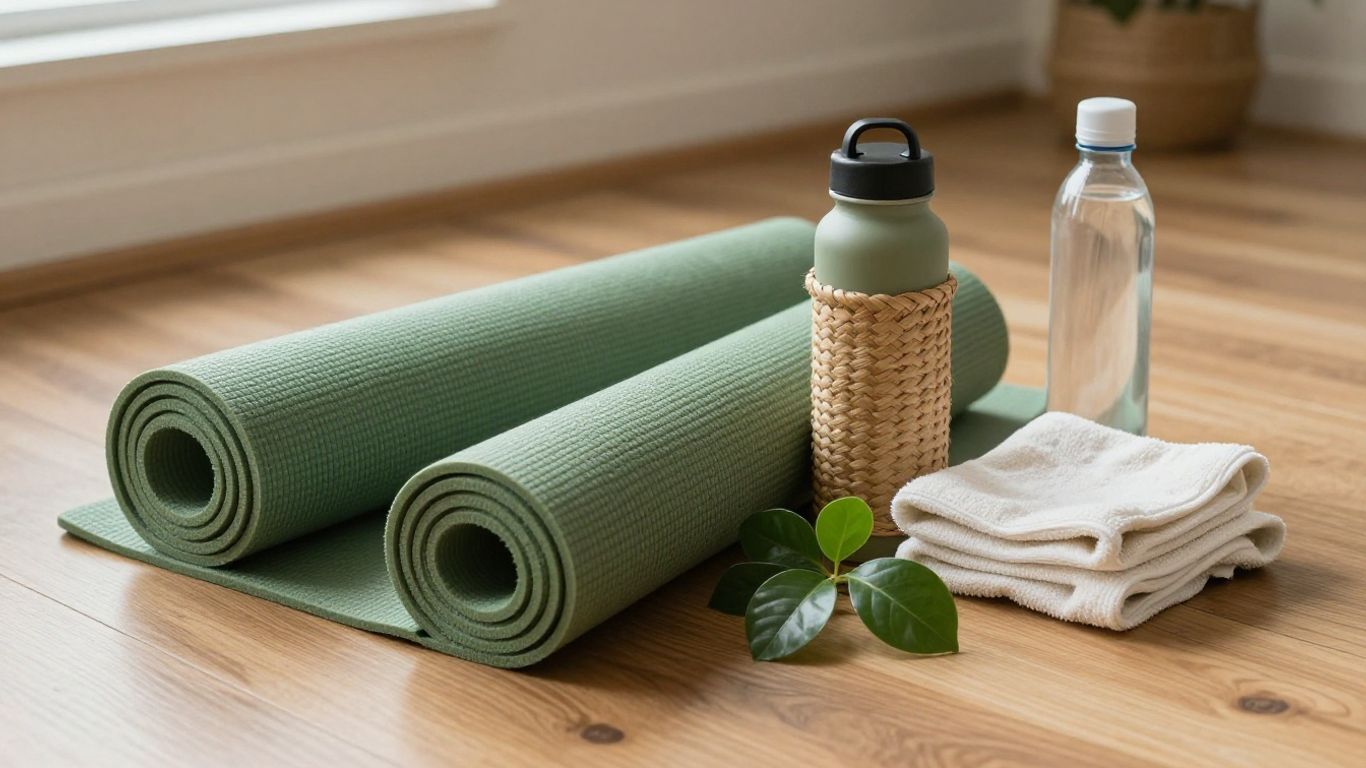
Eco-conscious buying is rarely just about one label. A mat that lasts through regular use may prevent an earlier replacement, while a mat that is difficult to clean or unsuitable for your practice can end up unused. Think about durability, maintenance, odor, sensitivity concerns, and the distance the mat will travel with you.
This sustainable yoga mat guide gives more context on material choices without requiring every shopper to choose the same surface. The best fit is one you can use consistently and care for properly.
7. Lululemon The Mat 5mm for versatility
A medium-thickness mat is often a useful middle ground for people who move between different kinds of classes. The Lululemon The Mat 5mm is a familiar option for shoppers looking for a versatile everyday thickness. Five millimeters can provide some comfort while retaining a relatively stable base for standing work.
No thickness performs identically for every body or floor. A hard studio floor may make cushioning feel more valuable, while a soft carpet can make a thick mat feel less stable. Consider your usual surface, how much kneeling you do, and whether you carry the mat regularly.
A quick comparison can make the choice clearer:
| Priority | Thinner mat | Medium mat | Thicker mat |
|---|---|---|---|
| Portability | Usually easier to pack | Moderate | Usually bulkier |
| Floor feel | More direct | Balanced | More padded |
| Balance | Often firmer | Middle ground | May feel softer |
| Kneeling comfort | More limited | Moderate | Usually greater |
The table is only a starting point, but it shows why “versatile” means balancing compromises rather than eliminating them. Choose the column that reflects your real routine, not an idealized one.
8. prAna Verde mat for sustainable materials
Material sourcing can shape how a mat feels, how it smells when new, and how you maintain it over time. The prAna Verde mat appeals to shoppers who want to investigate a sustainability-minded option rather than choosing solely by color or price. That interest is best paired with a close look at the product’s current specifications.
A responsible purchase also considers use. If a mat is too heavy for your commute or too delicate for the surface where you practice, its environmental appeal will not make it a practical match. Try to balance the material decision with grip, cushioning, cleaning, and expected frequency of use.
For more comparisons across materials and price points, explore this yoga mat materials guide. It helps frame sustainability as one part of a broader buying decision rather than a feature that works in isolation.
9. Amazon Basics extra-thick mat for budget shoppers
Budget shoppers often want a comfortable starting surface without committing to a premium price. An extra-thick mat can feel forgiving during floor-based poses and may be appealing for casual home practice. The Amazon Basics extra-thick mat belongs to the kind of search where cost and immediate comfort lead the conversation.
The main question is whether the thickness suits your movements. Very soft padding can make balance poses feel less precise, and a bulky roll may be annoying if you have limited storage. Check the mat’s dimensions as well as its price, since a bargain is less useful when it does not fit your body or practice space.
Look beyond the sticker price by considering cleaning needs and how frequently you expect to replace the mat. This Amazon yoga mat guide offers a broader way to compare affordable, mid-range, and premium choices without assuming that the most expensive option is automatically best.
10. Travel yoga mats for portability and convenience
Travel mats are designed around a different compromise: less bulk in exchange for less cushioning. A thin, foldable surface can slip into luggage, a tote, or a small car without taking over the available space. That makes it useful for hotel rooms, parks, beaches, and quick sessions away from home.
Yune Yoga focuses on convenience and portability with foldable travel mats that are thin, light, and easy to pack. Its wider range also includes absorbent yoga towels and durable yoga straps, which can help create a compact setup for people practicing in different locations. The goal is not to imitate a heavy studio mat; it is to make showing up simpler.
When choosing a travel setup, these details deserve a quick check:
- Folded size and whether it fits your usual bag.
- Surface grip on the floor where you expect to practice.
- Cushioning expectations for kneeling and seated poses.
- Cleaning and drying after outdoor or sweaty sessions.
Those checks keep portability from becoming a vague promise. A travel yoga mat guide can help you compare dedicated lightweight options, while Yune Yoga’s portable approach makes sense for anyone who would rather pack a mat than skip practice entirely.
Conclusion
The best mats for yoga are not identical because practices, bodies, floors, and budgets are not identical. Start with the feature you will notice most—cushioning, grip, material, price, or portability—then accept the trade-offs that come with it. A mat that fits your real routine is more valuable than one that looks perfect on paper.
Frequently Asked Questions
How thick should a yoga mat be?
A medium thickness is a practical starting point for many people because it balances cushioning and stability. Choose more padding if kneeling comfort is a major concern, but remember that very soft mats can feel less steady in balance poses.
Is a grippy mat necessary for every style of yoga?
No. Grip becomes more significant during vigorous or heated sessions, while slower practices may place greater value on cushioning and comfort. Your pace, perspiration, and studio conditions all influence the right choice.
Are natural rubber yoga mats a good option?
They can suit people who want a grippy surface and are comfortable with natural rubber as a material. Check product information for latex concerns, odor expectations, cleaning instructions, and disposal considerations before buying.
What should beginners look for in a yoga mat?
Beginners should focus on a comfortable size, manageable thickness, dependable surface feel, and a price that feels reasonable. A simple mat is often enough while you learn which features matter most in your practice.
Can an extra-thick mat make balance poses harder?
It can. Softer, thicker padding may feel comfortable for kneeling but less stable during standing poses. If your practice includes both, a medium-thickness mat may offer a more balanced compromise.
Are travel yoga mats comfortable enough for daily practice?
That depends on your floor, body, and tolerance for a thinner surface. Travel mats are excellent for portability, but someone practicing daily on a hard floor may prefer more cushioning at home.
How can I keep a yoga mat clean?
Follow the care instructions for the specific material, wipe the surface regularly, and allow it to dry fully before rolling it up. A towel can also help manage sweat during heated sessions and reduce moisture left on the mat.

