6 Items Every Yoga Bag Needs, Packed by Class and Skill Level
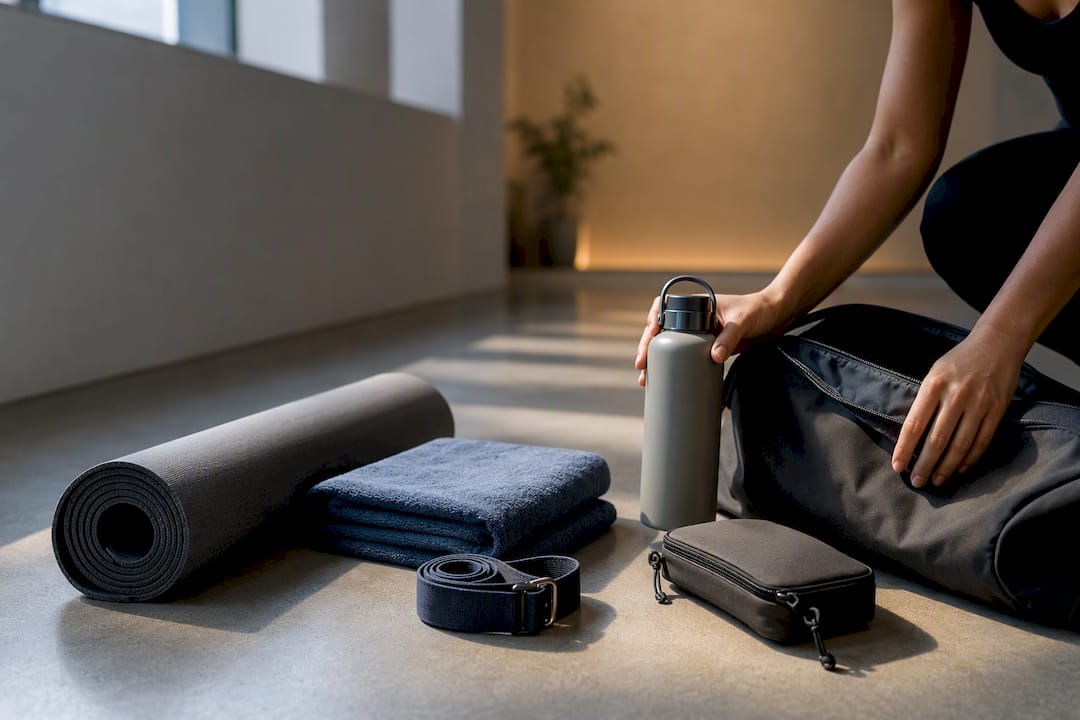
Six items belong in every yoga bag: a mat, a water bottle, a towel, a change of clothes, a small hygiene kit, and a bag built to carry them without falling apart. From there, add or skip items based on the class type: hot yoga calls for a full mat towel and extra water, and restorative asks for a blanket, and travel favors a foldable mat. Various brands make it easier to build this kit around eco-friendly mats and towels rather than piecing it together from random sources.
TL;DR:
- Carry a leakproof water bottle with a secure cap and a towel suitable for the class type to prevent slipping and maintain hygiene.
- Pack a full mat towel and extra water for hot yoga, a small hand towel and grip mat for flow classes, and a blanket or socks for restorative sessions.
- Include a block and strap for better flexibility support, and keep them permanently packed for convenience and hygiene reasons.
- Use gentle soap and water to clean the mat after sweaty classes, and store it in a dry, shaded place to prevent damage and odors.
- Bring only essential electronics like a phone in a secure pocket or armband, avoiding unnecessary gadgets that add weight without benefit.
Table of Contents
- 1. The core essentials checklist
- 2. Packing differently for hot yoga, flow, and restorative classes
- 3. Which props are worth carrying yourself
- 4. Cleaning and protecting your mat between classes
- 5. How to pack and behave in a shared studio space
- 6. Overpacking mistakes that weigh your bag down
- 7. Yune Yoga’s take on materials and fit
- 8. Choosing footwear for before and after class
- 9. Snacks and light nutrition around your practice
- 10. Packing for safety and small emergencies
- 11. Electronics that actually earn a spot in your bag
- 12. Why packing light changes how you show up
- Building your kit with Yune Yoga
- Sources
- FAQ
1. The core essentials checklist
Every checklist starts with the mat. A moderate mat thickness balances joint cushioning with the stability you need for standing poses, and grip texture matters more than brand name for anyone sweating through a flow. A full-size mat suits home studios and regular classes, while a foldable travel mat trades a bit of cushioning for something that fits in a suitcase.
A leakproof water bottle sounds obvious until you have wet gym socks from a bottle that tipped over mid-class. Look for a flip-top or screw cap that seals fully, and a mouthpiece you can drink from without stopping to unscrew anything.
Towels split into two jobs. A small hand towel wipes sweat from your face and hands during a normal class, while a full mat towel covers the entire mat surface for grip and hygiene in heated rooms. Bringing the wrong one to a hot class means sliding through your poses.
Quick-dry fabrics matter for the change of clothes you bring, especially a shirt, since heavy cotton stays damp long after class ends. Slip-on sandals or flip-flops make the walk to your car or the subway far easier than tying wet sneakers.
A small hygiene kit rounds things out:
- Travel-size deodorant for a quick reapply before you leave the studio
- Individually wrapped wipes for a fast face and hand cleanup
- A couple of adhesive bandages for small blister or grip-related scrapes
- A compact comb and a spare hair tie or two
The bag itself needs a dedicated mat compartment or strap, a separate pocket for damp towels so they do not soak your clothes, and a strap sturdy enough for daily carrying.
2. Packing differently for hot yoga, flow, and restorative classes
Not every class calls for the same bag. Adjust based on heat, pace, and how much your body is asked to move.
- Hot yoga: pack a full mat towel, extra water beyond your usual bottle, and a complete change of clothes for after. Hot yoga rooms often run between 90 and 105 degrees Fahrenheit, so hydrating before class, not just during it, helps prevent dizziness and dehydration.
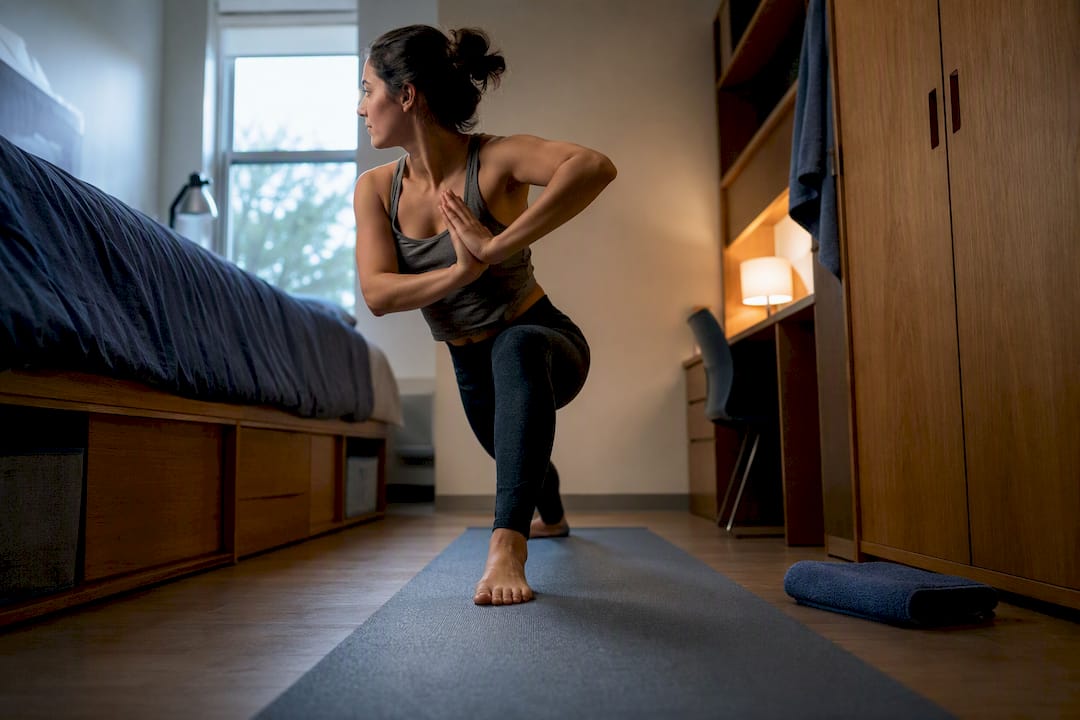
- Vinyasa or flow: a grippy mat and a small hand towel are usually enough, along with a bottle secured somewhere it will not tip during faster transitions.
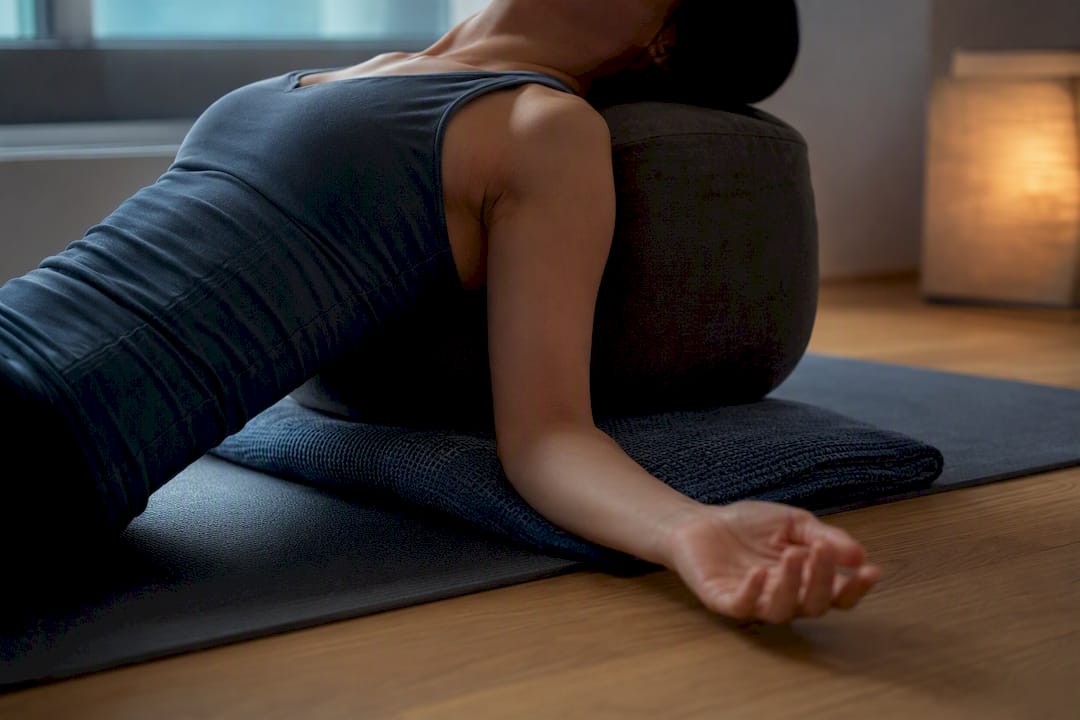
- Restorative or yin: bring a blanket or bolster if you own one, plus a warm layer for the stillness between poses, since body temperature drops when you are not moving much. Socks are fine here in a way they are not in a sweaty flow class.
- Travel: a foldable mat, a compact towel, and props that pack flat save luggage space, paired with quick-dry clothing that does not need much room.
Save the detailed hot yoga packing rundown for a deeper look if heated classes are your regular practice.
3. Which props are worth carrying yourself
Blocks and a strap do more for beginners than almost anything else in the bag. A block adds height so your hand reaches the floor in poses like triangle or half-moon, and a strap extends your reach in seated forward folds or shoulder openers where flexibility has not caught up yet.
- Standard foam blocks work for most bodies and pack easily into a mat bag’s side pocket.
- A cotton or nylon strap with a D-ring buckle holds tension without slipping.
- For travel, a rolled sweatshirt or a firm pillow can substitute for a bolster in a pinch, as long as it stays stable under weight.
Studios usually stock blocks, straps, and blankets, so owning your own is about consistency and hygiene rather than necessity. Shared props get used by dozens of people between cleanings, and having your own means you know exactly how it feels every time.
Pro Tip: Keep one block and one strap permanently packed in your bag so you never have to remember them separately from your mat.
4. Cleaning and protecting your mat between classes
A mat holds onto sweat, oil, and whatever the studio floor picked up that day, so cleaning it matters as much as choosing it. Gentle soap and water outperform harsh disinfectant sprays on natural rubber and other eco-friendly mat materials, since strong chemical cleaners can break down the surface over time and shorten the mat’s life.
- Wipe down with a damp cloth and a drop of mild soap after sweaty classes.
- Carry a small spray bottle with diluted soap and water for a quick pass between studio and car.
- Air dry the mat fully before rolling it up, since trapping moisture inside is what causes odor and mildew.
- Store it somewhere dry and out of direct sunlight, which degrades rubber faster than regular use does.
For heated classes specifically, a dedicated mat towel keeps sweat off the mat surface entirely, cutting down on how often deep cleaning is needed.
5. How to pack and behave in a shared studio space
Pack for the specific class on your calendar, not for every possible scenario. A restorative class does not need a spare towel for sweat, and a flow class does not need a blanket.
- Use a small zippered pouch inside your bag for hygiene items so they do not scatter loose.
- Keep your phone silenced and in a bag pocket, not on the floor next to your mat.
- Keep belongings within your mat’s footprint and return any studio props to their shelf after class, since most studios run without staff between sessions.
Pro Tip: Lay your mat out and set your props beside it before class starts, so nothing needs digging through your bag mid-flow.
6. Overpacking mistakes that weigh your bag down
A heavy toiletry bottle, a container that rattles every time you move, dangling jewelry, and props you never actually use all add weight without adding value. If a studio rents or lends mats, check ahead rather than hauling your own on top of a rental fee you already paid.
- Skip full-size toiletries when a travel version does the same job.
- Leave jewelry at home since rings and bracelets catch on straps and mats.
- Avoid messy snacks that crumble or need refrigeration before or after class.
7. Yune Yoga’s take on materials and fit
Different practices call for different materials. A natural rubber mat offers grip and durability for regular studio use, while a foldable travel mat trades some cushioning for portability. Some brands position their towels and straps around sustainability and functional trade-offs, aiming for gear that holds up to repeated washing without losing grip or shape.
8. Choosing footwear for before and after class
Yoga itself is practiced barefoot, but the trip to and from class deserves its own footwear plan. Slip-on sandals or flip-flops are the easiest option since you can kick them off at the studio door without bending over to untie laces, and they slide back on quickly when you are gathering a mat, bag, and water bottle at the same time.

For colder months or outdoor walks to the studio, a pair of slip-on sneakers with no-tie laces or elastic panels gets you there without the hassle of full lace-up shoes before and after. Some practitioners keep a dedicated pair of studio sandals in their bag year-round, since floors near the entrance can be wet or gritty in wet weather.
Avoid anything with a complicated buckle or high heel, since you want footwear that comes off fast and stores flat in a side pocket. A simple pair of foam flip-flops takes up almost no space and dries quickly if the walk from your car is a rainy one.
9. Snacks and light nutrition around your practice
What you eat before and after class affects how your body feels through the session. A light snack 30 to 60 minutes before class, such as a banana, a small handful of nuts, or a piece of toast, gives you enough energy without leaving you sluggish through sun salutations.
After class, especially a longer or more physically demanding session, a snack with some protein helps recovery. A piece of fruit paired with a small amount of nut butter, a protein bar, or a handful of trail mix are easy options that travel well in a bag without needing refrigeration.
Keep portions small and mess-free. Anything crumbly, sticky, or strong-smelling is better saved for the car ride home than for a shared bag pocket next to your towel and mat. A resealable bag or small container keeps snacks contained and keeps your other gear crumb-free.
10. Packing for safety and small emergencies
A small first aid kit takes up very little space and covers the basics: a few adhesive bandages, an alcohol wipe, and maybe a small tube of antiseptic ointment for minor scrapes or blisters. Grip-related slips happen more often in heated classes, so this is worth keeping even if you rarely need it.

Anyone managing a health condition should think about what that means for practice. Heated classes in particular carry added risk for certain groups, since heat-based activities are not recommended during pregnancy or for people with heart conditions or certain respiratory issues, and checking with a doctor first is the safer move.
Beyond a first aid kit, a small packet of electrolyte powder or tablets can help after a sweat-heavy class, especially in the heat. It is not a required item, but it costs little bag space and helps if you tend to feel lightheaded after longer or hotter sessions.
11. Electronics that actually earn a spot in your bag
A phone comes to class whether it is planned or not, so a simple armband or a pocket in your bag that keeps it secured and silent matters more than any other electronic accessory. Some practitioners use a phone holder that clips to the mat bag strap for hands-free carrying between the car and the studio door.
Headphones matter mostly for home practice or outdoor sessions rather than in-studio classes, where the teacher’s cues are part of the point. A small, tangle-free pair stored in a dedicated pouch works better than loose earbuds rattling around at the bottom of the bag.
Beyond that, keep electronics minimal. A smartwatch for tracking heart rate during a demanding flow is useful for some, but anything beyond phone and headphones usually adds bulk without adding much benefit to the actual practice.
12. Why packing light changes how you show up
Packing with intention says more about your practice than the price tag on your mat. I have found that a lighter bag, one built around what a specific class actually needs rather than every possible scenario, makes the walk into the studio feel less cluttered before you even unroll your mat. Sustainability and style matter, but only after the basics are covered.
— Nicholas
Building your kit with Yune Yoga
A natural rubber mat, a quick-drying towel, and a durable strap cover most of what this guide recommends, and Yune Yoga’s collection is built around those same eco-conscious materials for practitioners who want gear that lasts beyond one season. Browse the full range of yoga clothes and accessories to round out your bag before your next class.
Sources
- Is hot yoga right for me? - Cleveland Clinic
- What to Bring to a Yoga Class: Essentials, Extras, and Expert Tips for Every Yogi - Yogattude
FAQ
What should you carry for a yoga class?
Bring a mat, a leakproof water bottle, a towel suited to the class type, and a small hygiene kit with items like deodorant and wipes. Add props such as blocks and a strap if you are still building flexibility and reach.
What basic equipment does a beginner need for yoga?
A non-slip mat and comfortable clothing are the true starting essentials, according to beginner yoga guidance. Blocks and a strap are worth adding early since they support poses while your flexibility develops.
Is a yoga mat bag worth buying?
A dedicated mat bag keeps your mat, towel, and small props organized and protects the mat between classes, which matters more once you are practicing regularly. It becomes especially useful for anyone who carries a mat towel and extra layers to heated classes.
Do you need to bring anything specific to hot yoga?
Yes, hot yoga calls for a full mat towel, extra water, and a change of clothes since rooms often run between 90 and 105 degrees Fahrenheit. Hydrating before class, not just during it, helps prevent dizziness from the heat.