

Reddit best yoga mat: 10 top picks for grip, comfort, and every practice
Key Takeaways
The best yoga mat depends on how, where, and how often you practice. These picks focus on grip, cushioning, portability, easy care, and value rather than assuming one mat suits everyone.
- Choose medium thickness and balanced grip for an all-purpose mat.
- Hot yoga calls for dependable traction and a surface that is easy to clean.
- Thicker mats can soften kneeling, but they are usually heavier and less stable.
- Lightweight or foldable mats make travel, small spaces, and outdoor practice simpler.
- Match the mat to your routine so it gets used regularly.
1. Best overall yoga mat
The best overall yoga mat is usually the one that balances grip, cushioning, stability, and upkeep. A medium-thick surface works for standing poses, seated stretches, and floor-based strength work without feeling overly soft. It should also lie flat and stay in place, because a shifting mat becomes distracting quickly.
Look for a texture that feels secure under dry hands and feet, while still being manageable if the room gets warm. Size and weight deserve equal attention: a mat that feels perfect in a home corner may become annoying if you carry it to class several times a week. The yoga mat buying guide offers a useful way to compare material, thickness, and grip before shopping.
For a broad routine, prioritize a surface that is easy to wipe down and a construction that does not feel flimsy. Balanced support matters most when one mat needs to handle gentle mobility, flowing sequences, and occasional bodyweight exercises. Reddit discussions can be useful for spotting recurring preferences, but your own practice should make the final decision.
2. Best budget yoga mat
A budget mat does not need to feel disposable. The practical question is whether it provides enough traction, padding, and stability for the sessions you actually do. If you practice a few times a week, a straightforward mat with a comfortable feel can be better value than paying for features you will never use.
Before buying, check the dimensions, thickness, cleaning instructions, and return policy. A lower price may be worthwhile for a spare mat, a first purchase, or a setup that stays at home. This broader product review guide can also help frame a purchase around price, use, and long-term value.
A simple comparison keeps the choice grounded. Think about what matters most in your routine rather than chasing the longest feature list.
| Budget priority | What to look for | Why it matters |
|---|---|---|
| Grip | Textured or lightly tacky surface | Helps reduce hand and foot movement |
| Cushioning | Moderate thickness | Adds comfort without excessive squish |
| Care | Wipe-clean finish | Makes regular practice easier |
| Portability | Manageable weight and roll | Useful for classes or storage |
After comparing those basics, choose the mat that meets the most important need without stretching your budget. A cheaper mat can be a sensible option when it encourages consistent practice and is easy to store.
3. Best yoga mat for hot yoga
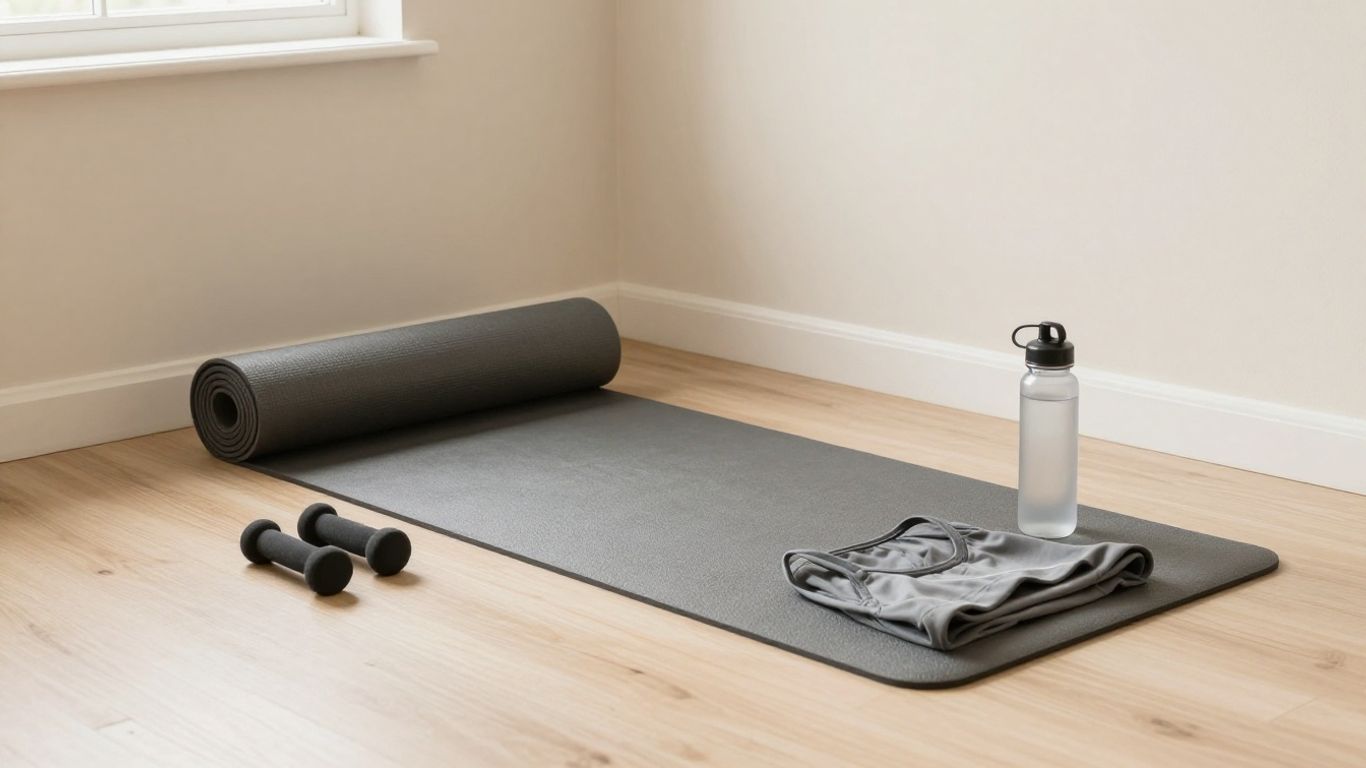
Hot yoga changes the grip question because moisture can make a normally comfortable surface feel slippery. A good choice should provide dependable traction when hands and feet become damp, and it should be simple to clean after class. A towel may still be useful, especially during longer or especially warm sessions.
Avoid choosing by thickness alone. A very soft mat can feel unstable during standing work, while a thin mat may not feel comfortable during kneeling transitions. The best hot-yoga setup is the one that keeps your contact points predictable without becoming difficult to carry.
The hot yoga mat guide is a useful starting point for comparing grip and practice style. Whichever mat you choose, allow it to dry fully before rolling it up, and follow the maker’s care directions rather than relying on harsh household cleaners.
4. Best yoga mat for beginners
Beginners usually benefit from a mat that feels predictable. A moderate amount of cushioning can make kneeling and seated work more comfortable, while a stable surface helps new practitioners focus on positioning instead of constantly correcting the mat. A neutral texture is often easier to understand than an extremely slick or aggressively sticky finish.
Size also matters at the beginning. If the mat is too short or narrow, you may spend more time adjusting your body than learning the movement. At the same time, an oversized mat can be awkward in a small room or crowded studio.
Start with the practices you expect to do most often, then choose accordingly. The beginner mat recommendations cover several needs, including extra cushioning and portability, but the simplest reliable option is often the one that is easy to unroll, clean, and put away.
5. Best thick yoga mat for cushioning
A thick yoga mat can be appealing when knees, wrists, or hips meet a hard floor. Extra padding may make floor work feel more forgiving, especially during restorative poses or extended kneeling. The tradeoff is that more cushioning often means more weight and a less planted feeling during balances.
Pay attention to density, not just the thickness printed on the package. A soft mat may feel comfortable at first but compress under the hands, while a denser mat can offer steadier support. If you practice dynamic flows, test whether the padding allows your feet to transition without wobbling.
A thick mat comparison can help separate genuine cushioning from simple bulk. For many people, a moderately thick mat offers the most useful compromise: enough comfort for floor work, but enough stability for standing poses and basic strength exercises.
6. Best lightweight yoga mat for travel
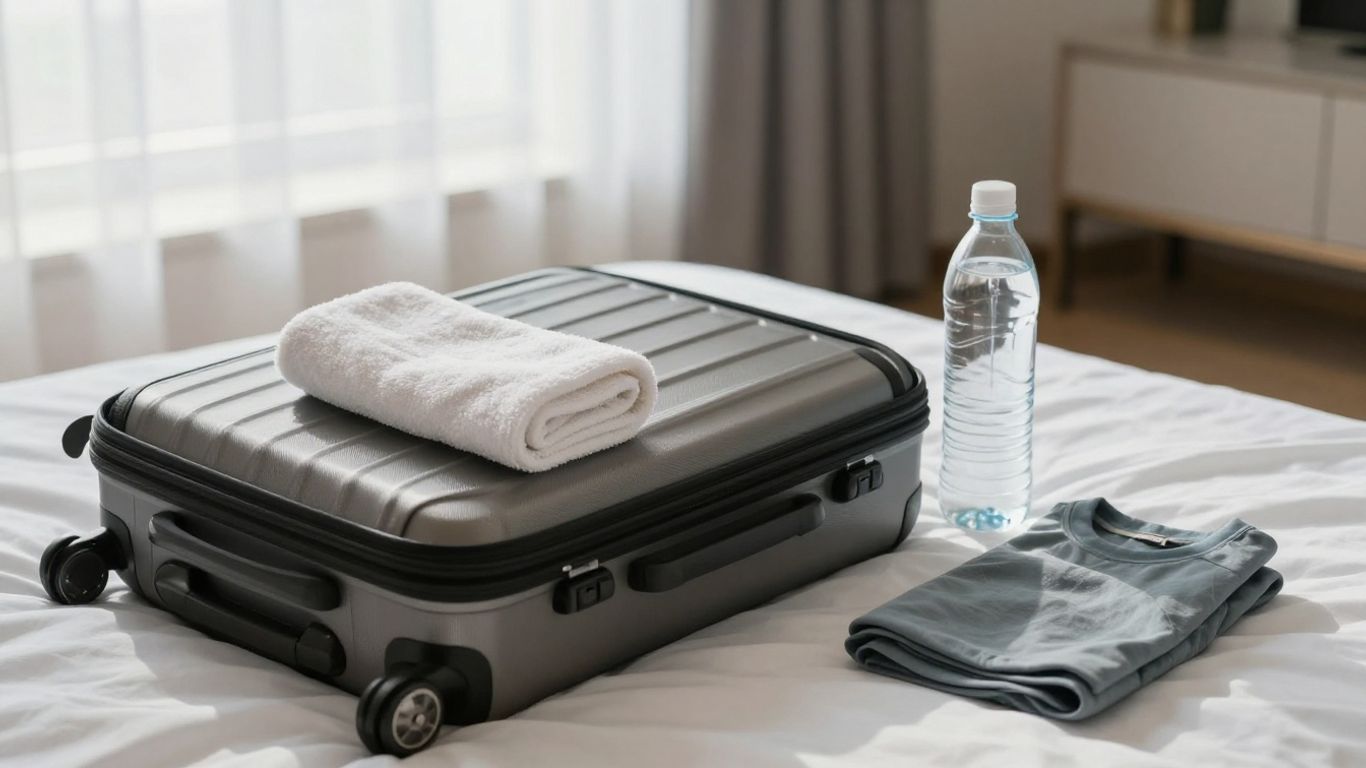
Travel changes the definition of a good yoga mat. The priority is not maximum padding but a combination of low weight, compact packing, and a surface that works in hotel rooms, parks, or other temporary spaces. A mat that fits easily into a suitcase is more likely to be used once the trip begins.
Yune Yoga focuses on portable, foldable mats designed to make practicing in different locations more convenient. The Yune Yoga Hoth Yoga Mat is described as a 6mm blue non-slip mat with supportive cushioning, traction, and a design suited to vinyasa, hatha, hot yoga, and yin. Those documented features make it relevant for travelers who still want a fuller mat feel rather than an ultra-thin layer.
For frequent flyers, compare folded size and packed weight with the amount of support you actually need. The travel mat overview is another useful reference, while a compact towel and strap can round out a portable setup without adding much bulk.
7. Best yoga mat for sensitive knees and wrists
When knees and wrists feel uncomfortable on a firm floor, cushioning becomes a central buying factor. A mat with enough density can soften contact without making the hands sink too far into the surface. It is also worth considering a folded towel or small support pad for poses that place sustained pressure on one area.
Thickness alone cannot solve every comfort issue. Alignment, pacing, and how long you hold a pose all influence how the mat feels. If your wrists remain uncomfortable, changing hand position or taking a rest may be more useful than simply buying a thicker surface.
Try to balance padding with stability. A cushioned yoga mat is described as a 6mm mat with plush cushioning and stable grip, a combination that illustrates why moderate thickness can work well for mixed routines. Choose the density and texture that let you move with control rather than sinking into the material.
8. Best non-slip yoga mat
“Non-slip” can mean different things, so look beyond the label. Some surfaces rely on texture, some feel tacky when dry, and others are designed to manage moisture. Your preferred grip depends on whether you practice slowly, move through repeated transitions, or regularly exercise in warm rooms.
A stable mat should stay flat and resist sliding across the floor as well as limiting hand and foot movement. Cleanliness matters too: residue, dust, and moisture can change how a surface feels from one session to the next. Wiping the mat according to its care instructions is part of maintaining traction.
This non-slip mat guide compares grip, cushioning, and material across different styles. In practice, the best non-slip choice is the one that feels secure without forcing you to peel your hands or feet away after every pose.
9. Best eco-friendly yoga mat
Eco-friendly choices begin with understanding the material rather than relying on a broad label. Natural rubber, cork, recycled materials, and other alternatives can have different textures, odors, care needs, and durability. Check the product description carefully for the specific material and any allergy information.
A responsible choice should also fit your real routine. If a mat is difficult to clean, too heavy to carry, or uncomfortable under your hands, it may not stay in use for long. Longevity and regular use are practical parts of evaluating a purchase, alongside the material itself.
The eco-friendly mat guide offers more context on materials such as natural rubber and cork. Consider where the mat will live, how often it will be transported, and whether the maker gives clear care instructions before deciding.
10. Best yoga mat for home workouts and yoga practice
A home mat often needs to do more than support yoga. It may also be used for stretching, bodyweight exercises, mobility work, or short workouts between other tasks. That makes a stable, wipe-clean surface with enough room to move a practical choice.
Yune Yoga’s Romeo Mat is described as a 6mm multicolor, eco-friendly, latex-free mat with cushioning, a non-slip texture, and a moisture-resistant PER construction that is easy to clean. Those listed qualities fit a mixed home routine where comfort, grip, and straightforward upkeep all matter. It can also suit different practice styles, from vinyasa to restorative sessions.
Before settling on a home mat, measure the available floor area and decide where it will be stored. A mat that can remain accessible is more useful than one that must be dragged from a crowded closet, and a washable surface makes repeated workouts less of a chore. For additional perspective, the home practice guide discusses how mat choices can extend beyond yoga to stretching, Pilates, and bodyweight work.
Conclusion
The Reddit best yoga mat conversation is most useful when it helps you identify your own priorities: grip for sweat, cushioning for floor work, portability for travel, or easy care for frequent use. Compare those needs with the space, budget, and practice you actually have, then choose the mat you will be happy to unroll again tomorrow.
Frequently Asked Questions
How thick should a yoga mat be?
A moderate thickness is a practical starting point for most people because it can provide cushioning while preserving stability. Thicker mats may feel kinder during kneeling, but they can also be heavier and less steady for balance work.
Is a thicker yoga mat better for sensitive knees?
It can offer more padding on a hard floor, but thickness is only one part of comfort. Density, pose duration, alignment, and whether you use an additional folded towel can matter just as much.
What makes a yoga mat non-slip?
Grip may come from texture, surface feel, or moisture management. A mat should also stay stable on the floor, since a grippy top surface is less useful if the whole mat slides.
Do I need a special mat for hot yoga?
Not always, but hot rooms make moisture more relevant. Look for dependable traction, follow cleaning instructions, and consider using a towel if your hands or feet become very sweaty.
Are lightweight yoga mats comfortable?
Some are comfortable enough for travel and short sessions, though they may provide less cushioning than heavier mats. Choose based on the surfaces you will use and how much support you need.
How often should I clean my yoga mat?
Wipe it regularly, especially after sweaty sessions, and let it dry completely before storing it. Use only cleaning methods recommended for the material to avoid damaging the surface.
Can one mat work for yoga and home workouts?
Yes. A stable, easy-clean mat with enough space and moderate cushioning can support yoga, stretching, mobility work, and many bodyweight exercises. Check that the surface suits the movements you plan to do most often.


