

How to choose the best yoga mat for home workout routines
Key Takeaways
The best yoga mat for home workout routines is the one that matches your movements, floor, storage space, and cleaning habits. A thoughtful choice can make everyday sessions feel simpler and more comfortable.
- Match thickness and firmness to the exercises you do most often.
- Prioritize dependable traction, especially for sweaty or fast-paced sessions.
- Compare PVC, natural rubber, TPE, and other materials by feel and upkeep.
- Measure your workout area before choosing an extra-long or extra-wide mat.
- Treat portability, cleaning, and storage as part of the buying decision.
Understand what makes a yoga mat suitable for home workouts
A mat used at home may support stretching one day and strength work the next. That makes grip, cushioning, firmness, and size more important than a fashionable color or a long list of specifications. Before comparing materials, think about the movements you repeat and the floor beneath you. The right yoga mat for home workout routines should feel stable without making every other part of your setup difficult.
Grip and traction for stable movement
Traction helps your hands and feet stay where you place them during lunges, planks, downward-facing dog, and transitions. A lightly textured surface can provide control without feeling abrasive, while a very smooth surface may become less dependable when damp. Test the mat with both bare hands and bare feet if possible, since a finish that feels secure in one position may slide in another.
Pay attention to whether the mat stays planted on the floor as you shift your weight. Reliable traction matters most when your routine includes quick changes of position, balancing, or repeated core exercises. For more practice-specific comparisons, this guide to non-slip yoga mats is a useful companion.
Cushioning for joints and floor comfort
Cushioning can make kneeling, seated work, and floor-based core exercises more pleasant, particularly on hard tile or hardwood. It should soften contact without making your hands sink deeply into the surface. Too much give can make balance work feel unstable and can slow down transitions.
Your body and your floor both matter here. Someone exercising on carpet may prefer a firmer, thinner mat, while a person using bare tile may appreciate more padding. Notice whether the mat feels supportive after several minutes, not just during the first pose.
Thickness, firmness, and balance
Thickness is only one part of comfort. Density and firmness determine how that thickness behaves under your weight, so two mats with similar measurements can feel quite different. A thicker option may suit gentle mobility or floor exercises, while a moderately thick, firmer mat often handles standing work and bodyweight training more confidently.
For additional perspective, compare the advice in this thick yoga mat guide before assuming that maximum padding is always best. The practical target is a surface that cushions pressure points while still giving you feedback from the floor.
Size and workout space requirements
Measure the area where you plan to exercise, including room for your arms and legs to extend beyond the mat. A mat that fits your body but crowds furniture can make a home routine awkward. Also check the rolled diameter and storage location if the mat must live in a closet or beside a sofa.
Length is especially useful for full-body stretching, but extra width is not always necessary. Leave enough clearance to step on and off safely, and consider whether the mat will be used in more than one room.
Match the mat to your workout style
The ideal surface depends on how you move on it. Slow stretching rewards comfort and quiet stability, while HIIT calls for traction, quick cleanup, and enough room for repeated transitions. If your routine changes from week to week, choose a balanced mat instead of optimizing for one narrow activity. This yoga mat style guide can help you compare needs across different practices.
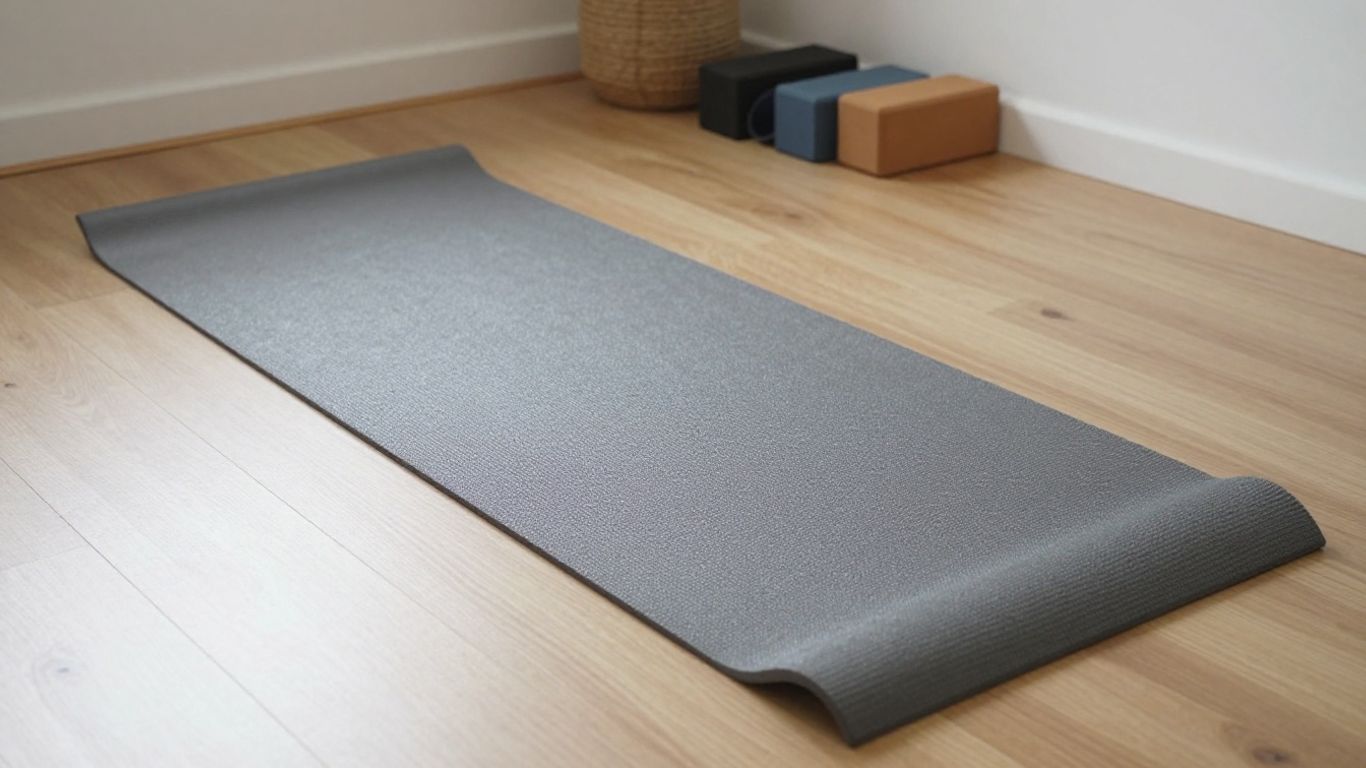
Yoga, stretching, and mobility sessions
For yoga and mobility, look for a surface that allows controlled hand and foot placement. A moderate cushion can make kneeling and seated poses more comfortable, but excessive softness may make standing balances harder. If you hold poses for a long time, texture and skin comfort may matter as much as raw thickness.
A calm practice also makes noise and portability noticeable. Yune Yoga offers foldable travel mats designed for convenient transport, which can suit people who move between rooms, parks, hotel rooms, or other practice spaces.
Strength training and bodyweight exercises
Planks, mountain climbers, glute bridges, and push-ups place repeated pressure on hands, knees, and elbows. Choose a mat that resists bunching and does not shift when you drive through your feet. A firmer surface generally supports these movements better than a very plush one.
Check the mat's usable area as well. If your routine includes lunges or exercises that travel sideways, a narrow yoga mat may feel restrictive even when it is comfortable for static poses. A general comparison of yoga mats for workouts can help clarify where a yoga mat differs from a general exercise mat.
HIIT, cardio, and high-sweat workouts
Fast routines expose weak traction quickly. Look for a surface that remains predictable as moisture builds, and keep a towel nearby if you sweat heavily. Closed or easy-clean surfaces may also be convenient when the mat needs to be wiped down after every session.
Yune Yoga makes absorbent yoga towels, which can be useful as an additional layer during sweaty workouts. A towel can help manage moisture, but it should not compensate for a mat that already slides across the floor.
Pilates and low-impact floor exercises
Pilates and similar low-impact sessions benefit from a surface that feels comfortable during repeated rolling, lying, and seated movements. Moderate cushioning can reduce pressure from the spine and hips, while a smooth-but-controlled finish makes repositioning easier. Avoid a texture so aggressive that it catches clothing or distracts from slow movement.
For these routines, sound and floor contact may matter more than extreme grip. Place the mat on a stable surface and check that its edges lie flat before starting.
Choose the right yoga mat material
Material influences traction, weight, odor, durability, and how a mat responds to heat and moisture. No single option wins for every home. Think about whether you carry the mat, how often you clean it, and whether you prefer a firm or slightly springy feel. Material guides such as this rubber mat comparison are helpful, but your routine should remain the deciding factor.
PVC mats for durability and strong grip
PVC mats are often chosen for their durable feel and dependable grip. They can be a practical choice for frequent home workouts, especially when a mat stays in one place and needs to withstand repeated use. Their weight and environmental considerations may be less appealing to some buyers.
Inspect the surface texture and firmness rather than assuming every PVC mat feels identical. A denser construction may feel more stable, while a softer version can be more forgiving on hard flooring.
Natural rubber mats for cushioning and traction
Natural rubber can offer a grippy, cushioned feel that suits yoga, mobility, and bodyweight work. It may also have a noticeable rubber odor when new, so ventilation and cleaning instructions deserve attention. People with latex sensitivities should check the manufacturer's material information carefully.
Rubber mats can be heavier than lightweight travel options. That trade-off may be worthwhile for a permanent home setup, but less convenient if the mat must be carried regularly.
TPE mats for lightweight home use
TPE is often used in lightweight mats that are easy to move and store. It can suit a beginner or a household that needs one mat for occasional stretching and general exercise. Feel, traction, and durability vary by construction, so read the specifications and reviews rather than judging by material name alone.
A light mat is not automatically a portable mat if it curls, shifts, or takes up too much rolled space. Consider how it behaves after being stored and unrolled repeatedly.
Eco-friendly materials and potential trade-offs
Cork, jute, natural rubber, and other lower-plastic or plant-based materials appeal to shoppers who want to consider environmental impact. They can also bring distinctive textures and care requirements. Cork, for example, may feel different when dry or damp, while natural materials may need gentler cleaning.
Ask what matters most to you: renewable content, low odor, longevity, weight, or easy maintenance. A material choice is useful only when its everyday trade-offs fit your actual routine.
Evaluate practical features for home use
A mat can have excellent grip and still be frustrating if it smells strongly, curls at the corners, or cannot fit in your storage space. Home workouts happen around real furniture, pets, floors, and busy schedules. Practical details often determine whether a mat gets used consistently. This guide to finding yoga mats nearby also covers portability, alignment features, maintenance, and floor compatibility.
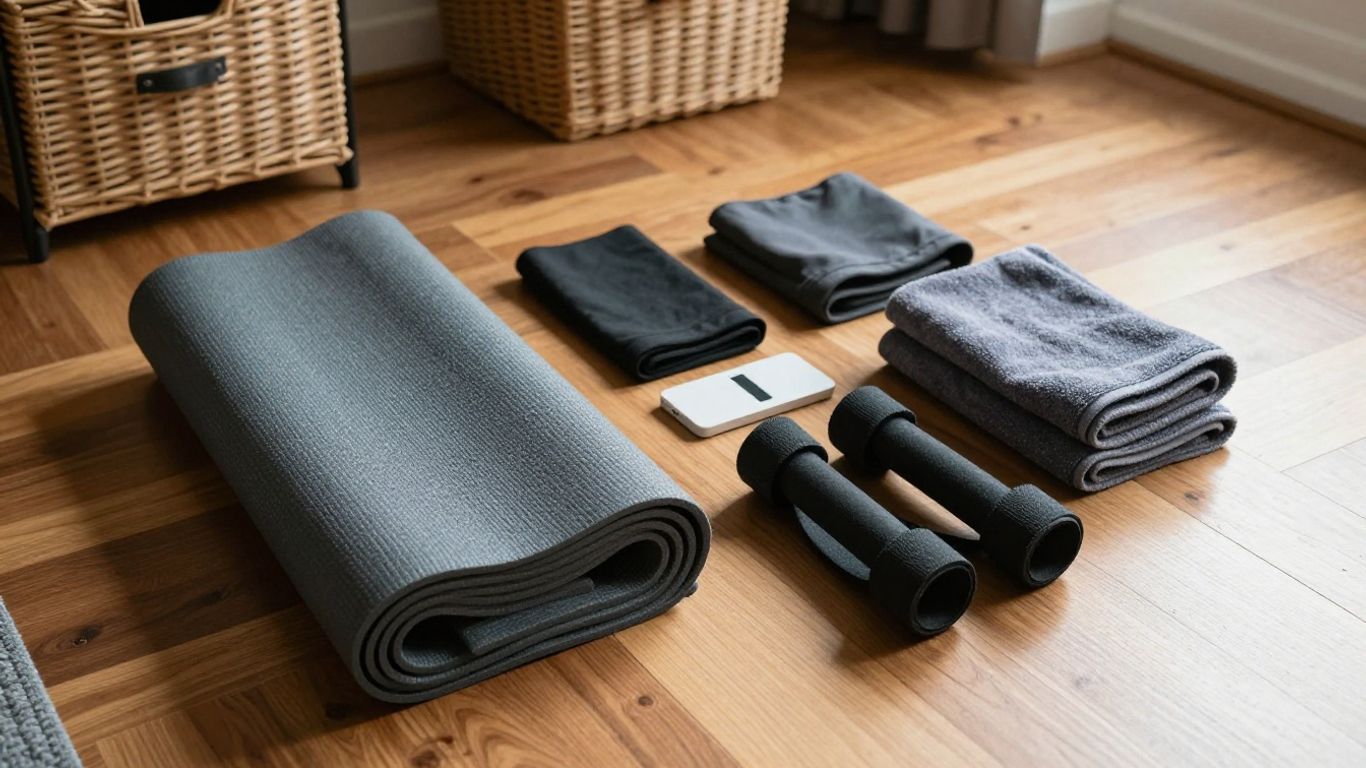
Easy-clean surfaces and odor control
Choose a surface that can be wiped without special equipment, then follow the care instructions supplied with it. Sweat, skin oils, and dust build up even during gentle sessions. Let the mat dry fully before rolling it tightly, especially after a damp workout.
Odor can come from new materials, moisture, or poor ventilation. Airing out a new mat in a shaded, well-ventilated space may help, but avoid harsh cleaners that can damage the finish.
Portability, storage, and rolled-up size
Storage is part of usability. A mat that is easy to carry but difficult to fold or roll may still be inconvenient in a small home. Measure the shelf, hook, or basket where it will live, and check whether straps or a carrying handle are included.
For frequent travel, Yune Yoga's foldable travel mats are designed around convenient packing and transport. For a stationary setup, weight and compact storage may matter less than surface comfort and durability.
Alignment marks and textured finishes
Alignment marks can offer visual reference points for hand and foot placement, particularly for people practicing without an instructor. They are helpful but not essential, and some users prefer an uninterrupted surface. Texture, meanwhile, affects both traction and how easily the mat can be cleaned.
Look closely at product photos and user reviews for comments about raised patterns, edge curling, or marks wearing away. These details are easier to judge when reviews describe actual use rather than repeating marketing language.
Compatibility with carpet, hardwood, and tile floors
The same mat can behave differently on carpet, hardwood, and tile. Carpet may reduce sliding but can make a soft mat feel unstable. Smooth floors may provide a firm base, yet they reveal any weakness in the mat's underside or edge grip.
Clear dust from the floor before laying the mat down and test it with a few lunges. If the mat travels during basic movement, changing the workout surface or adding a compatible underlay may be safer than simply buying a thicker mat.
Avoid common yoga mat buying mistakes
Most buying mistakes come from treating one specification as the whole answer. Thickness does not guarantee comfort, low price does not guarantee value, and a highly portable mat may not be ideal for intense daily training. A short trial at home can reveal problems that product photos hide. Slow down enough to imagine the mat in your actual room and routine.
Choosing a mat that is too soft or too thin
A thin mat may pack easily but transmit more pressure from a hard floor. A very soft mat may feel pleasant at first and then make balance or strength work less controlled. Match the cushioning to your floor and movements rather than choosing the largest number available.
If joint comfort is your main concern, consider firmness as carefully as thickness. A stable, moderately cushioned mat can be more useful than a thick surface that compresses unevenly.
Overlooking slipping during sweaty workouts
Dry-floor grip is not the same as wet grip. If you do cardio, hot yoga, or fast transitions, read reviews that mention moisture and test the mat after your hands become damp. A towel can improve comfort, but it should not conceal poor traction underneath.
Keep a small towel within reach and stop if the mat shifts unexpectedly. Safety depends on the complete setup, including the floor beneath the mat.
Prioritizing low price over long-term durability
A bargain mat may be sensible for occasional use, but frequent workouts can expose peeling, compression, and loss of grip. Compare warranty terms, cleaning requirements, and review patterns alongside the purchase price. A mat that stays useful for years may cost less per session than one replaced repeatedly.
Do not assume premium pricing guarantees a perfect match. The best value is the material and construction that suit how often and where you exercise.
Buying a mat that is too large for the available space
An oversized mat may provide generous movement room but become difficult to unroll, clean, or store. Measure around furniture and leave enough space to step safely onto the floor. A slightly smaller mat that fits your room can encourage more consistent use.
If you want additional coverage, consider whether a separate floor protector is more practical than a permanently oversized mat.
Build a home workout setup around your yoga mat
The mat is the foundation, not the entire workout area. A few small additions can make transitions smoother and reduce the temptation to skip a session because something is missing. Keep accessories close, but avoid filling the room with equipment you rarely use. Convenience should make the routine feel lighter.
Add towels, blocks, and resistance bands
A towel can manage moisture, while blocks can bring the floor closer during stretching and support controlled positioning. Resistance bands add variety without requiring much storage space. Choose accessories that directly serve the movements you already enjoy.
Store them beside the mat in one basket or drawer. This simple arrangement reduces setup time and makes it easier to start without searching through the house.
Protect floors and reduce noise
A yoga mat can soften contact, but it may not protect delicate flooring from every accessory or movement. Avoid dragging weights across it, and place equipment down carefully. On hard floors, a rug or suitable protective layer beneath the workout area may reduce vibration and noise.
Check that any extra layer does not make the mat slide. More padding is not useful if the entire surface shifts during exercise.
Create a consistent workout area
A permanent corner can make home workouts easier to begin. Keep enough clearance for full arm and leg extension, position the mat away from sharp furniture edges, and use natural light or a lamp that makes the area pleasant without creating glare. The setup need not be elaborate.
A consistent location also helps you notice dust, moisture, and wear before they become problems. Small routines around the mat can support regular use.
Clean and maintain the mat for longer use
Wipe the surface according to the material's instructions, allow it to dry, and avoid storing it while damp. Roll it evenly rather than forcing a bent edge into place. Keep pets, shoes, and abrasive objects away from the surface when possible.
Yune Yoga also offers durable yoga straps, which can be stored separately so buckles or hardware do not rub against the mat. Replace a mat when it repeatedly slips, flakes, or loses its shape despite proper care.
Compare yoga mats before making a purchase
Comparison becomes easier when you turn vague preferences into a few practical tests. Decide whether you need portability, cushioning, sweat management, or long-term durability first. Then compare only the mats that meet those needs. For broader research, this beginner yoga mat guide covers material, thickness, grip, and durability in accessible terms.
Which features matter most for your routine
Start with the movements you perform most often, not the features that sound most impressive. A mat for gentle mobility may prioritize comfort and easy cleaning, while a mat for HIIT may need stronger traction and a surface that handles sweat. If you travel, folded size and weight move higher on the list.
A useful comparison asks whether each feature solves a real problem in your home. If it does not, it may not deserve extra cost or storage space.
How to assess reviews and performance claims
Look for reviews that describe floor type, session length, moisture, and frequency of use. Specific observations are more useful than short comments saying a mat is simply “great.” Pay attention to repeated complaints about odor, curling, sliding, or surface wear.
Independent testing can add context, but remember that a reviewer’s body, climate, and workout style may differ from yours. Product descriptions should be treated as a starting point, not a substitute for practical fit.
When premium materials are worth the cost
Premium construction may be worthwhile when you practice often, need consistent traction, or want a mat that can tolerate years of use. It is less compelling if the mat will be used occasionally and stored in a small space. Consider the total experience: feel, care, portability, and replacement risk.
A premium mat should solve a specific problem for you. If its main advantage is a feature you will rarely notice, a simpler option may be the better purchase.
A simple checklist for choosing your mat
Before ordering, write down the few requirements that cannot be compromised. This keeps attractive extras from distracting you while you compare specifications and reviews.
- Measure the workout and storage areas.
- Choose cushioning based on your floor and exercises.
- Check grip in both dry and sweaty conditions.
- Confirm the material, care instructions, and rolled or folded size.
Once those points are clear, compare the remaining options by comfort, durability, and price. A useful outside perspective is this yoga mat testing overview, provided you interpret its findings through your own routine.
Conclusion
Choosing a yoga mat for home workouts is mostly a matter of matching the surface to your movements and your living space. Consider traction, firmness, size, material, cleaning, and storage together rather than chasing one perfect specification. The right mat should be comfortable enough to use often, stable enough for your exercises, and practical enough to put away when the room needs to serve another purpose.
Frequently Asked Questions
How thick should a yoga mat for home workouts be?
A moderate thickness often balances cushioning and stability, but the best choice depends on your floor, body comfort, and exercises. Thicker mats can feel softer, while firmer thinner mats may provide better balance and feedback.
Can I use a yoga mat for strength training?
Yes, many yoga mats work well for bodyweight exercises such as planks, bridges, lunges, and stretching. Choose one that stays flat, resists sliding, and provides enough room for the movements you perform.
What material is best for a yoga mat?
PVC, natural rubber, TPE, cork, and other materials each involve trade-offs in grip, weight, odor, cushioning, durability, and care. Your workout style and portability needs should guide the decision.
How do I stop my yoga mat from slipping?
Start with a clean, dry floor and make sure the underside is free of dust. If the mat still moves, consider a different underside texture or a compatible underlay, and check whether moisture is reducing grip.
How should I clean a yoga mat?
Follow the care instructions for its material, usually using a gentle diluted cleaner or water-based wipe. Let the mat dry completely before rolling it, and avoid harsh products that may damage its finish.
Is a foldable mat good for home workouts?
A foldable mat can be convenient when storage and transport matter most. For demanding daily workouts, also check whether it lies flat, provides enough cushioning, and remains stable on your floor.
How long should a yoga mat last?
Lifespan depends on material, usage, storage, cleaning, and workout intensity. Replace a mat when it repeatedly slips, loses its shape, flakes, or no longer provides a dependable surface.

