

How to choose the best folding yoga mat for travel
Key Takeaways
A good folding yoga mat for travel should fit your actual routine, not just look compact in a product photo. Prioritize the details that will affect setup, grip, comfort, and care once you leave home.
- Check folded dimensions against your backpack, carry-on, or personal item.
- Balance low weight with enough cushioning for your joints and practice style.
- Choose material and grip based on the surfaces and climate you encounter.
- Test how quickly the mat folds, unfolds, dries, and packs away.
- Read return and warranty terms before committing to a travel mat.
Understand what makes a folding yoga mat travel-friendly
Travel mats solve a simple problem: a full-size mat can be awkward to carry when luggage space is limited. Folding designs make that space easier to manage, but portability is only useful when the mat still feels stable and practical under your hands and feet. Think about where you will practice, how far you will carry it, and how much comfort you are willing to trade for a smaller bag.
Folded size and storage footprint
Start with the folded measurements rather than the mat’s open dimensions. A mat that folds into several neat panels may slide into a suitcase or laptop-style backpack, while a mat with a larger folded footprint can still take up more room than expected. Leave space for the mat to unfold without pressing against wet clothing or toiletries.
A compact design can also be easier to store in a hotel room, beneath a bed, or in a crowded car. Before buying, measure the pocket or compartment where you expect to carry it; product photographs rarely give a reliable sense of scale.
Weight for carry-on and backpack travel
Weight matters most when you are walking through airports, changing trains, or carrying a backpack all day. Still, the lightest option is not automatically the most suitable one. Very little material may mean less cushioning, more sensitivity to uneven floors, or a surface that needs a towel or base layer for certain sessions.
Consider the rest of your kit too. A compact mat may leave room for a strap, towel, clothing, and water bottle, which can make the total setup easier to carry than a slightly heavier mat with fewer accessories.
Thickness, cushioning, and portability trade-offs
Thin mats are usually easier to fold and pack, but they transmit more of the floor beneath you. That may be fine on carpet or a padded studio floor and less pleasant on hard tile. If your practice includes kneeling, long holds, or seated work, compare thickness with the actual surfaces you expect to use.
The best choice is often a compromise rather than a maximum. A little less cushioning can be worthwhile if it means you will actually bring the mat with you instead of leaving it at home.
Differences between folding and rolling mats
A folding mat generally has a flatter storage profile and can fit inside luggage without creating a long cylinder. A rolling mat may be quicker to spread across a large room, but it can need more vertical or horizontal space in a bag. Fold lines can also influence how the surface feels during movement, so inspect the construction before ordering.
For a wider look at space-saving designs, this foldable yoga mat guide is a useful place to compare folding formats, materials, and accessories. The right format is the one that matches your luggage and your preferred setup, not simply the one with the smallest advertised weight.
Choose the right material and construction
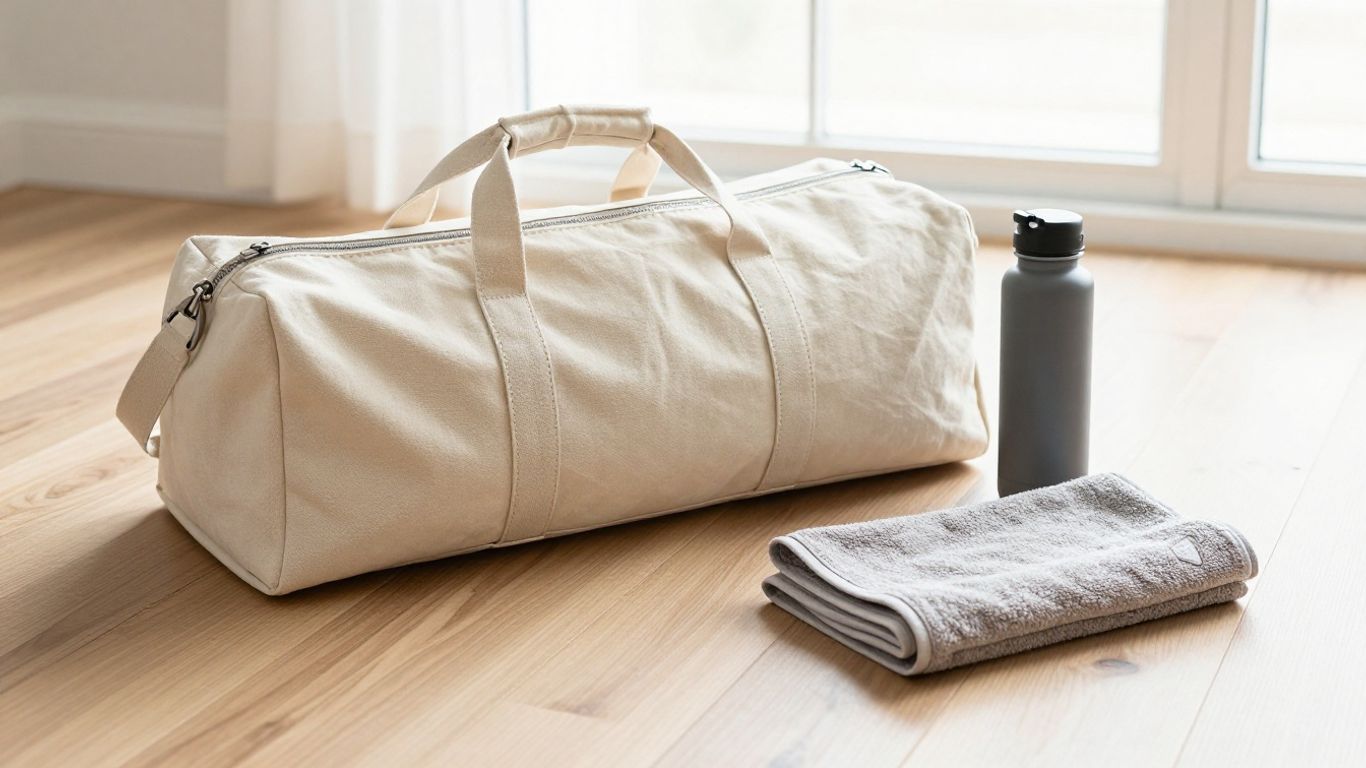
Material affects feel, traction, odor, cleaning, and how a mat responds to repeated folding. There is no single best surface for every traveler, especially when one trip may include a hotel room, a studio, and an outdoor patch of grass. Read the care instructions as closely as the feature list.
Natural rubber, PVC, TPE, and other common materials
Natural rubber often feels dense and grippy, while PVC can offer a smooth, familiar surface and straightforward cleaning. TPE is commonly chosen for a lighter feel, though the exact texture and durability vary by product. Recycled or vegan suede-style tops can create a different feel again, particularly when moisture changes the traction.
For example, the Apollo Foldable Suede Yoga Mat is described as a 2mm travel mat with a biodegradable natural rubber base and recycled vegan suede top. That combination is aimed at a slim, portable setup, but you should still check whether the feel suits your hands and the surfaces you use most.
Fold lines, seams, and long-term durability
A folding mat should have clean, deliberate fold lines rather than random creases from shipping. Open it fully and look for uneven edges, separated layers, or seams that resist lying flat. Repeated folding is normal for this category, but forcing a mat against its intended direction can shorten its useful life.
If you expect frequent studio hopping, choose a construction that feels resilient when lifted by a corner and packed several times a week. Durability is less about making the mat indestructible and more about matching its construction to your habits.
Odor, cleaning, and material sensitivity
New materials can have a noticeable smell, especially when sealed in packaging. Airing the mat in a well-ventilated place before your first trip may make the experience more comfortable. Always follow the maker’s cleaning guidance, since strong cleaners or excessive soaking can affect texture and bonding.
Travelers with material sensitivities should read the full product description and contact the seller with specific questions. A pleasant surface is not much help if you avoid using it because the odor or texture bothers you.
Eco-friendly features to consider
Look beyond broad sustainability language and check the specific material claims. PVC-free construction, recycled components, plastic-free packaging, and biodegradable or natural materials each describe different choices. Consider durability as part of the equation too: a mat that lasts through many trips may be more useful than one that needs frequent replacement.
The Ataraxy Foldable Suede Yoga Mat is described as using PVC-free natural rubber with a vegan suede top, making it a relevant example for shoppers comparing material choices. Treat those features as part of your decision, alongside grip, care, price, and expected use.
Evaluate grip and stability on different surfaces
Grip is highly personal, but it is also environmental. A surface that feels secure in a dry studio may behave differently on hotel tile, carpet, wood, or damp grass. Try to judge both the top surface and the underside, since movement can come from either your hands and feet or the mat shifting below you.
Traction for yoga styles and movement levels
Slow stretching and seated practice place different demands on a mat than repeated transitions or faster flows. If you move often between plank, downward-facing positions, and standing poses, look for a surface that stays predictable as pressure changes. A very soft or textured finish may feel comfortable but still need time to learn.
Sweat-activated materials can be useful for warm sessions, while a dry-grip surface may feel more consistent in a cool hotel room. The important question is whether the grip matches your practice rather than whether it sounds impressive in a listing.
Performance on tile, wood, carpet, and hotel floors
Hard, smooth surfaces expose slipping and limited cushioning quickly. Carpet may add softness but can also allow a thin mat to bunch if the underside lacks traction. Hotel floors vary widely, so carrying a small towel or testing the mat with a few controlled movements is sensible.
A mat meant for several locations should be stable enough for ordinary changes in direction without requiring constant adjustment. That does not mean every surface will feel identical; it means the differences should remain manageable.
Grip changes caused by sweat and humidity
Humidity can make some surfaces tackier and others feel slick. Sweat may improve traction on absorbent or suede-like materials, but it can also create a slippery film on smooth finishes. If you practice in hot climates, consider how quickly the surface becomes damp and how easily it can be wiped between sessions.
The Calacatta Foldable Travel Yoga Mat is described as an ultra-thin, non-slip option made with sustainable, PVC-free materials. That makes it worth examining for compact travel, while the final judgment should come from the grip you experience in your own conditions.
When to use a towel or base layer
A towel can help manage moisture, add a little softness, or create a cleaner barrier on an unfamiliar floor. A base layer can also make a very thin mat more comfortable on carpet or outdoor ground. Keep in mind that extra layers may change traction, so test the complete setup rather than the mat alone.
For longer trips, pack the lightest layer that solves your specific problem. Carrying too many accessories can cancel out the convenience of choosing a folding mat.
Match the mat to your travel routine
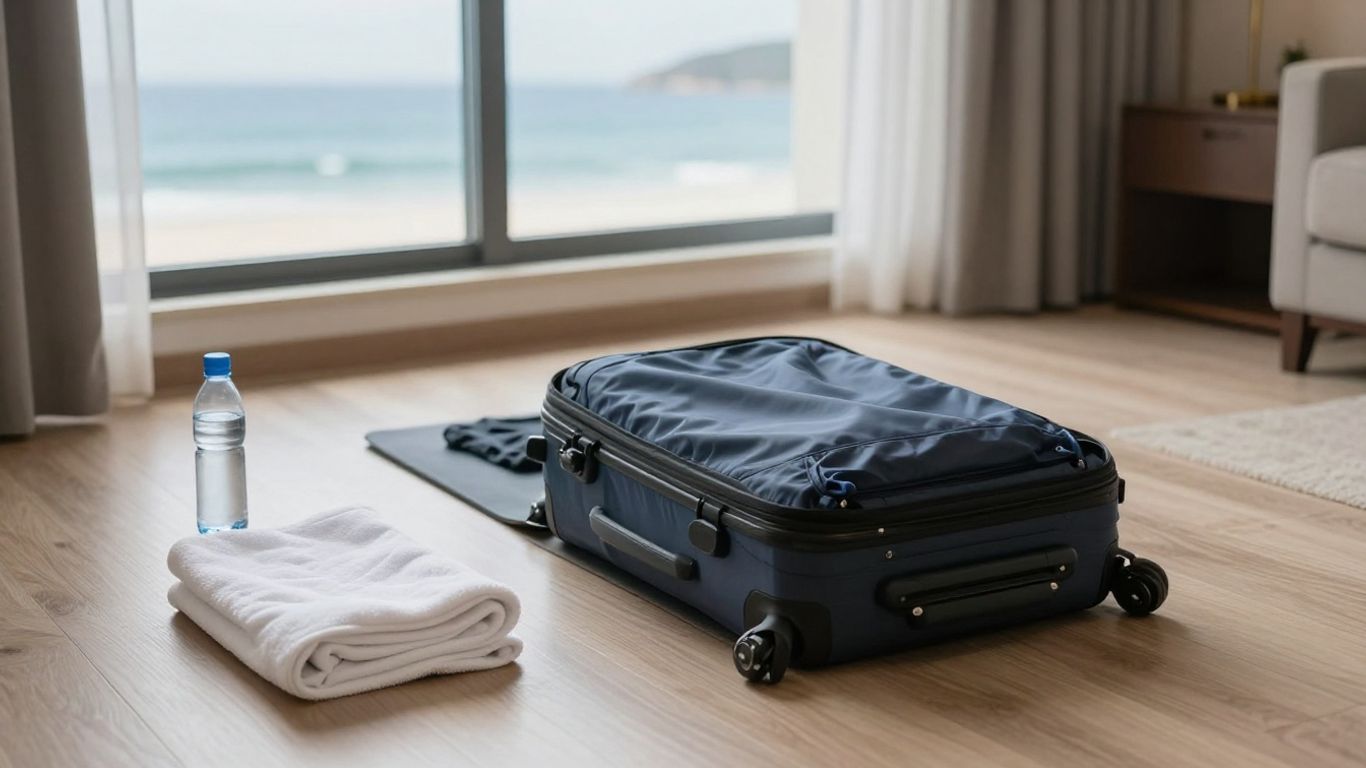
The right mat depends on the rhythm of your trip. Someone moving between airports and hotel rooms may value compact storage above all else, while a road-tripper or retreat guest may have room for more cushioning and accessories. Picture the entire journey, from packing to drying after the last session.
Airplane, road trip, and outdoor use cases
For air travel, folded dimensions and easy retrieval matter more than dramatic styling. A road trip gives you more flexibility, but the mat may encounter hot car interiors, dusty campsites, or damp grass. Outdoor sessions call for a surface that is easy to wipe and a setup that does not become frustrating on uneven ground.
If your plans include beaches or parks, bring a small cloth for debris and avoid packing the mat while it is still wet. A few minutes of preparation can prevent grit from reaching the folds and luggage.
Yoga retreats and studio-to-studio travel
Retreats often involve repeated packing, shared storage, and practice in several rooms. A mat that folds neatly and dries quickly can be easier to live with than one that needs a dedicated carrier. You may also want enough grip for unfamiliar studio floors without making the bag unnecessarily bulky.
A compact, durable option is especially helpful when you move between accommodation and classes on foot. The mat becomes part of your daily carry rather than a separate piece of luggage.
Minimalist packing versus maximum comfort
Minimalist packing favors thin construction, low weight, and fewer accessories. Maximum comfort favors more cushioning and perhaps a towel, blocks, or a supportive layer. Neither approach is universally better; the useful choice depends on how much room and carrying capacity you have.
The Iceland Foldable Travel Yoga Mat is described as an ultra-thin, 2mm option for compact packing and studio use. It illustrates the minimalist end of the spectrum, which can be appealing when every centimeter of luggage space matters.
Pairing the mat with blocks, straps, and towels
Accessories should earn their place in your bag. A strap can help with carrying and selected stretches, while a towel may address sweat or cleanliness. Blocks are useful when you already know you will need them, but they can add considerable bulk to a short trip.
Before leaving, lay out the full kit and try packing it once. This simple test shows whether the mat is genuinely portable or whether the accessories turn it into a second suitcase.
Compare comfort and portability before buying
Product specifications make comparison easier, but they do not replace a realistic test. A mat can be wonderfully light and still feel wrong under your knees, or comfortably padded and too awkward to carry. Compare the compromises in the context of your own practice and travel frequency.
When a thinner mat is the better choice
A thinner mat is often the better option for frequent flyers, commuters, and travelers who practice on carpet or another forgiving layer. It can also make sense as a clean top layer over a studio mat. If you mostly do standing sequences and mobility work, limited cushioning may not be a serious drawback.
The trade-off becomes clearer when you consider frequency. A slim mat that comes on every trip may serve you better than a thicker mat that stays in a closet.
How much cushioning your joints need
Think about where your body contacts the floor and for how long. Knees, wrists, hips, and the tailbone may need more support during certain sessions, particularly on hard hotel floors. A folded towel under a sensitive area can sometimes help, but it changes the setup and may move.
Choose enough cushioning for your normal practice without assuming that maximum thickness equals maximum comfort. Stability and surface feel also contribute to how supported the mat feels.
Testing foldability and setup speed
If possible, fold and unfold the mat in a shop or inspect demonstration footage carefully. Notice whether the panels align, whether the mat lies flat, and whether the folded shape stays manageable without a strap. A fast setup matters when you have only a small window between checkout and departure.
A useful pre-trip test is to pack it, carry it for ten minutes, unfold it, and repack it after a session. That routine reveals more than a single measurement.
Balancing price with expected use
Price should reflect how often you will use the mat and how demanding your trips are. An occasional traveler may prefer a simple, inexpensive design, while someone practicing several times a week may value better construction and easier care. Include replacement costs and accessories in the comparison.
The goal is not to find the cheapest mat or the most elaborate one. It is to buy a mat that removes enough practical friction that you will keep using it.
Care for a folding yoga mat while traveling
Care is easy to overlook when a trip is busy, yet small habits protect the surface and fold lines. Wipe away sweat and grit before packing, give the mat room to dry, and avoid treating it like a wet towel. These steps take little time and can prevent unpleasant odors or premature wear.
Cleaning after hotel and outdoor sessions
Remove visible grit outdoors before wiping the surface. For hotel use, a soft cloth and the cleaner recommended for the material are usually safer than improvised solvents or abrasive sponges. Do not assume that a washable-looking surface should be put in a washing machine.
Pack a small cloth or spray bottle only if it fits your normal routine. The best care system is one you will actually use after a tired travel day.
Drying and preventing trapped moisture
Moisture trapped inside folded panels can create odor and affect the surface over time. Let the mat dry open whenever possible, even if that means laying it across a chair or hanging it briefly in a ventilated room. Keep it away from intense heat that could distort the material.
If you must leave quickly, fold it loosely until you reach a place where it can dry properly. A few extra minutes of airflow are preferable to sealing dampness into your luggage.
Packing without damaging the fold lines
Follow the existing fold pattern and keep the surface free of sand, crumbs, and sharp objects. Avoid compressing the mat beneath heavy shoes or hard-edged toiletries. If the manufacturer gives a specific folding direction, use it rather than forcing the panels backward.
A dedicated compartment or soft sleeve can prevent rubbing against zippers. This is a small detail, but it helps the mat arrive ready for use instead of covered in fresh creases.
Storing the mat between trips
When you return home, clean and dry the mat before putting it away. Store it in a cool, dry place with the folds aligned, and avoid leaving it compressed under luggage for months. Periodically opening it lets you check for changes in texture, seams, or odor.
Between trips, storage should preserve the mat’s shape rather than merely hide it. That makes the next departure easier and gives you a chance to spot problems while they are still manageable.
Avoid common buying mistakes
Most disappointing purchases come from comparing one specification in isolation. Weight, thickness, grip, and price all matter, but none tells the whole story. Read the dimensions, care instructions, material details, and return terms together before you decide.
Choosing based on weight alone
A very light mat may be appealing at first glance, especially for flights. But if it lacks the cushioning or grip you need, you may end up carrying a towel, extra layer, or replacement mat. Calculate the weight of the complete setup rather than the mat by itself.
A slightly heavier choice can be more practical if it works across more of your usual surfaces and sessions.
Ignoring folded dimensions and luggage space
“Foldable” does not mean universally small. Check the folded length, width, and depth, then compare those numbers with the compartment you will use. Pay attention to whether the folded shape is a tidy rectangle or an awkward bundle.
This is also where a broader travel mat comparison guide can help you build a shortlist before checking individual product measurements. Use general guidance to narrow the field, but let your luggage decide.
Overlooking surface compatibility
A mat that feels excellent on studio wood may shift on tile or bunch on carpet. If your travel routine includes several locations, look for reviews and specifications that address more than one type of floor. When that information is missing, assume you will need to test the setup carefully.
Surface compatibility also includes climate. A humid beach trip and a dry hotel room can produce noticeably different grip.
Failing to check return policies and warranties
Fold lines, odor, and texture are difficult to judge from a screen. Confirm how long you have to return the mat, whether it must be unused, and who pays return shipping. A warranty can also clarify what the seller considers normal wear versus a construction defect.
Keep your order confirmation and inspect the mat soon after it arrives. That gives you time to identify a mismatch before the first trip.
A few practical details outside the mat itself can make travel planning smoother. For example, a large group dining checklist may be useful when organizing a retreat meal, while Sabi Sands travel planning shows how much easier a complex itinerary becomes when packing and timing are considered together. Those links are not substitutes for mat research, but they reflect the same habit: plan around the real conditions of the trip.
Privacy and review tools can matter when you are researching travel purchases online. Read a site’s privacy policy details before sharing personal information, and consider how review collection tools distinguish useful experiences from vague praise. A little source-checking makes product comparisons more trustworthy.
For a wider product overview, this portable travel mat overview can provide another comparison point, while the essentials remain the same: folded size, surface grip, comfort, care, and the places where you will practice.
Conclusion
The best folding yoga mat for travel is the one that fits your luggage, your surfaces, and your actual practice without creating extra work. Compare folded dimensions, material, grip, cushioning, care, and return terms together, then test the complete packed setup before your first trip. A thoughtful choice can make a short hotel session or an outdoor practice feel simple rather than improvised.
Frequently Asked Questions
Is a folding yoga mat better than a rolling mat for travel?
A folding mat usually fits more easily into luggage and has a flatter storage shape, while a rolling mat may spread quickly across a larger space. Choose based on your bag, available storage, and how the mat feels when fully open.
How thick should a travel yoga mat be?
Choose enough thickness for your joints and the surfaces you use most. Thinner mats are lighter and easier to pack, while thicker mats generally provide more cushioning but take up more room.
Can I use a folding yoga mat outdoors?
Yes, provided the surface is reasonably clear and the mat’s material can be cleaned as recommended. Grass, sand, and damp ground may affect stability, so inspect and dry the mat before packing it.
Do folding mats crease permanently?
Most folding mats are designed around intentional fold lines, but sharp creases, heat, heavy compression, or folding in the wrong direction can damage the material. Follow the maker’s folding and storage instructions.
How do I stop a travel mat from slipping?
Clean both the practice surface and the mat, then test the mat on the intended floor. A towel or base layer may help in some situations, although it can also change traction and should be tested before travel.
What should I pack with a folding yoga mat?
A small cleaning cloth, towel, or strap may be useful depending on your routine. Add blocks only when you know you will use them, since accessories can quickly reduce the space savings of a compact mat.
How should I store a folding yoga mat between trips?
Clean and dry it fully, align the intended folds, and store it in a cool, dry place away from heavy compression. Opening it periodically helps you check the surface and seams before your next journey.


