
Best yoga mat for price: 10 affordable options worth buying
Key Takeaways
A good yoga mat does not have to be expensive, but it should match the way you practice, store, and travel. The best yoga mat for price is the one that gives you the right balance of grip, cushioning, portability, and useful lifespan.
- Choose grip first if your practice is dynamic or heated.
- Look for moderate cushioning if you want one mat for everyday use.
- Thicker mats feel softer but can make balance work less steady.
- Lightweight, moisture-resistant materials are helpful for travel.
- A slightly higher upfront price can be worthwhile when the mat lasts longer.
1. Best overall yoga mat for the price
The best overall value usually sits in the middle: enough cushioning for kneeling, enough grip for standing poses, and a surface that is easy to wipe clean. You do not need every premium feature, especially if your practice is occasional or still taking shape. A dependable 5mm or 6mm mat is often the most sensible starting point.
Before buying, consider where the mat will live. A mat that is wonderful in a dedicated home space may feel inconvenient if you carry it to a studio, park, or hotel room. Width, rolled size, surface feel, and whether it lies flat can matter just as much as the sticker price.
Here is a simple way to compare the features that tend to affect value:
| Priority | What to look for | Why it matters |
|---|---|---|
| Grip | Textured or non-slip surface | Helps you feel steady during transitions |
| Cushioning | Around 5mm to 6mm | Balances comfort with floor connection |
| Care | Moisture-resistant, easy-clean surface | Makes regular use less fussy |
| Portability | Manageable weight and compact roll | Encourages practice away from home |
A middle-ground mat is a safer purchase than choosing solely by price. The best value is practical fit: a mat you enjoy using often will usually serve you better than a cheaper mat that slides, bunches, or stays in a closet.
2. Best budget yoga mat for beginners
Beginners benefit from a mat that feels predictable rather than specialized. Moderate thickness can make floor-based poses more comfortable, while a lightly textured surface gives useful traction without feeling overly sticky. Spend enough to avoid obvious compromises, but do not assume that the highest price is necessary for learning basic sequences.
Pay attention to the return policy, cleaning instructions, and dimensions before ordering. A budget mat can be a smart first purchase when it fits your available space and supports the kinds of sessions you actually plan to do. For broader buying context, this budget yoga mat guide offers another way to think about affordable choices.
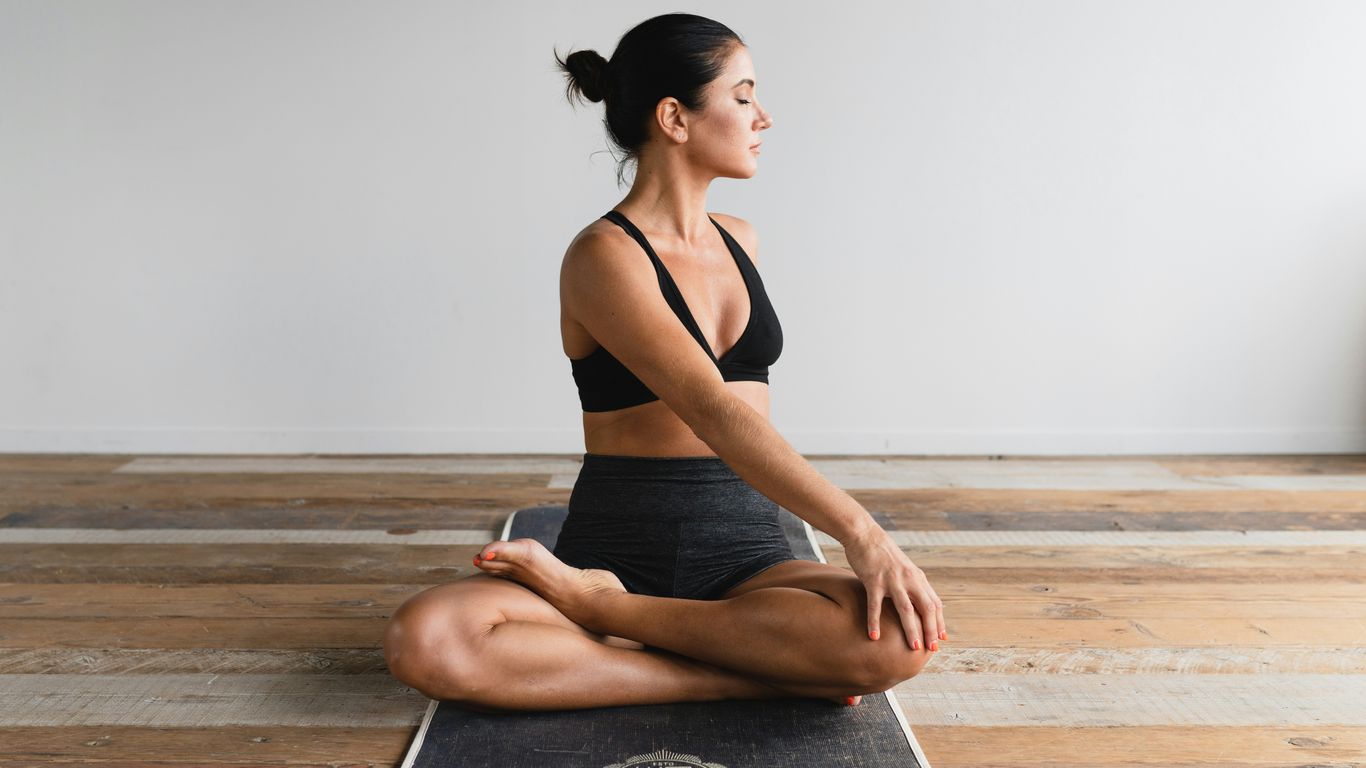
A beginner-friendly mat should also be easy to handle after class. If you need to carry it regularly, a lighter option may be more useful than a very thick one. The right first mat is not the one with the longest feature list; it is the one that removes small barriers to practicing consistently.
3. Best non-slip yoga mat for hot yoga
Heat and perspiration change what feels secure under your hands and feet. For hot yoga, prioritize a surface that stays grippy when damp, along with enough structure that the mat does not shift during transitions. A towel may also be useful when sweat accumulates, particularly during longer or faster sessions.
The feel of grip is personal. Some practitioners prefer a tacky surface, while others like a textured finish that allows small adjustments. If possible, read care instructions carefully and let the mat dry fully after class; trapped moisture can make any mat feel less pleasant over time.
A non-slip mat should not encourage you to force a pose or lock your hands into place. Good traction simply gives you a stable base while you move at a pace that feels controlled. For more comparison ideas, this performance mat guide discusses different mat priorities, including options intended for more demanding practices.
4. Best cushioned yoga mat for sensitive joints
Extra cushioning can make kneeling, seated work, and low-to-the-floor sequences more comfortable. It is especially appealing if you practice on hard flooring or spend a lot of time in poses that place pressure on the knees. Still, softness is only one part of the decision; a mat that compresses too easily may feel less stable when you stand.
A 6mm mat is a useful middle ground for many people, while a thicker mat can suit a home setup where portability is not a concern. You can also add a folded towel under a particular joint rather than choosing the softest mat available for every pose.
Look for a surface that feels supportive without being spongy. A balanced mat lets you settle comfortably into floor work and still notice where your feet are during standing poses. That combination often feels more useful than maximum thickness alone, especially when one mat needs to serve several styles of practice.
5. Best lightweight yoga mat for travel
Travel changes the value equation. A mat that weighs only a little less can be much easier to pack, particularly when your bag already holds clothing, toiletries, and a laptop. A thin or foldable design can fit into a suitcase or daypack, though it may provide less cushioning than a full home mat.
For frequent trips, inspect the folded dimensions as closely as the weight. A mat that rolls tightly or folds without fighting you is more likely to come along. The Juliet Trekk Travel Mat is described as a 2.5-pound, 5mm mat with a double-sided design, which makes that kind of portability a useful benchmark when comparing travel options.
A travel mat does not need to replace your home mat. It can simply give you a clean, consistent surface in a hotel room, outdoors, or another temporary space. If you practice on rough ground, pair portability with a surface designed to resist tearing and moisture so convenience does not come at the cost of frequent replacement.
6. Best eco-friendly yoga mat for the price
Eco-friendly materials are worth considering, but the practical details still matter. Check what the mat is made from, how it should be cleaned, and whether its expected durability suits your routine. A mat that lasts through regular use can be a better value than one marketed as sustainable but replaced often.
Design also plays a role in whether you will keep using it. A comfortable surface, reliable traction, and a size that fits your practice make the environmental choice easier to maintain. The Pagoda Mat is described as a 6mm, non-slip mat made with eco-friendly PER, so it illustrates how material and everyday performance can sit in the same comparison.
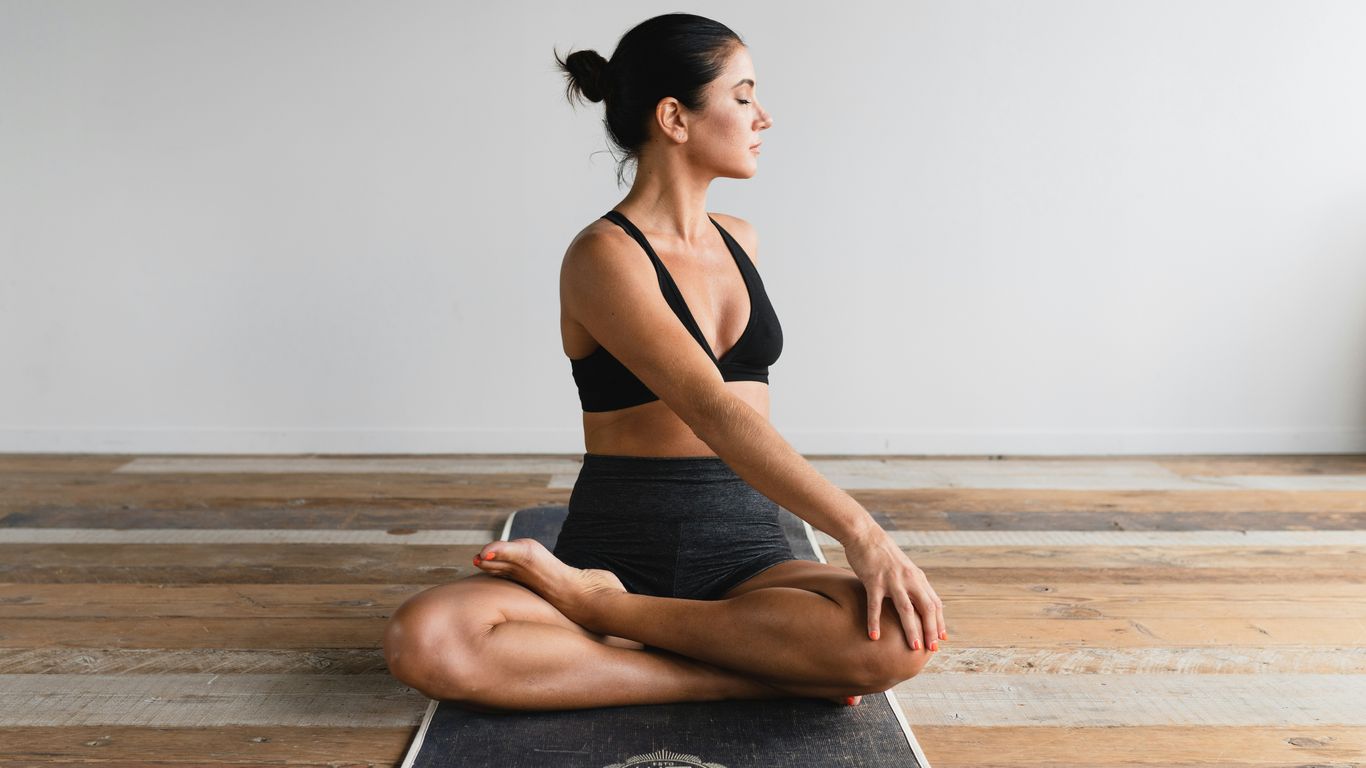
When comparing materials, avoid treating one label as a complete answer. Consider manufacturing information, care, lifespan, and what happens when the mat is no longer usable. Paying a little more for a durable, easy-to-clean option may make sense if it remains a regular part of your routine for years.
7. Best thick yoga mat for home workouts
A thick mat can make a home workout area feel more inviting, especially when sessions include stretching, floor exercises, or mobility work. The extra padding is comfortable on tile, wood, or concrete and can soften the feel of repeated contact with the floor. It also gives you a defined space for movement.
The tradeoff is stability. Very soft surfaces can make balancing poses and strength exercises feel less precise, and thick mats are usually less convenient to carry. For a home-only setup, however, that may be a reasonable compromise if comfort is your first concern.
Measure the space where you plan to practice before choosing an oversized design. Leave enough room to extend your arms and legs without bumping furniture. A thick mat is most useful when it supports the complete workout rather than simply adding softness beneath a small section of the floor.
8. Best yoga mat for durability and long-term value
Durability is difficult to judge from appearance alone. Look for construction details such as resistance to tearing, a surface that can be cleaned without special effort, and edges that remain flat. Consistent storage also matters: avoid leaving a mat in extreme heat or keeping it damp after practice.
A durable purchase does not have to be the heaviest option. The Hatsumi Yoga Mat is described as a premium, non-slip mat designed to lay flat and support multiple practices, qualities that are useful reference points when thinking about long-term value without assuming every premium mat is right for every person.
The most useful question is how often you expect to use the mat. Someone practicing several times a week may save money with a sturdier design, while an occasional user may be happier with a simpler option. Buy for your actual routine, then protect the investment with gentle cleaning and proper drying.
9. Best yoga mat for beginners and everyday practice
An everyday mat should be forgiving. It needs enough grip for basic standing sequences, enough cushioning for floor poses, and a surface that does not require elaborate care after each use. This is where a balanced 6mm mat often feels appealing: it offers comfort without making the practice surface excessively soft.
Look for dimensions that let you move naturally and a design that you will not mind seeing in your home. The Raliegh Yoga Mat is described as a 6mm eco-friendly mat with cushioning and a sweat-activated grip, so those features show the kind of balance many beginners want from a general-purpose option.
You can also make an everyday mat work harder by storing it where you can reach it easily. A visible, ready-to-use setup removes one more decision from a busy day. If you are comparing broader purchase criteria, this yoga mat testing guide is a useful reminder to consider grip, size, feel, and durability together rather than in isolation.
10. Best premium yoga mat worth the upgrade
A premium mat earns its place when its improvements solve a real problem. That might mean a surface that feels more secure, construction that stays flat, or materials that hold up to frequent use. It should not simply add a higher price to features you will rarely notice.
Before upgrading, identify what frustrates you about your current mat. If it slides, focus on traction. If it hurts to carry, look at weight. If it wears quickly, examine construction and care requirements. A more expensive mat is worthwhile when it addresses the exact issue that keeps interrupting your practice.
Give yourself time to adjust to a new surface, especially if its texture differs from what you already use. Premium does not mean universally better; it means the added cost has a clear purpose for your routine. A thoughtful upgrade can be a long-term value, but a well-chosen affordable mat can be just as satisfying.
Conclusion
The best yoga mat for price is not defined by a single number. Match cushioning, grip, weight, materials, and durability to the way you practice, then choose the option you are most likely to use regularly and care for well.
Frequently Asked Questions
How much should a beginner spend on a yoga mat?
A beginner can start with a reasonably priced mat that offers moderate cushioning, dependable grip, and dimensions suited to the available practice space. Spending more is useful only when it adds a feature you genuinely need.
Is a thicker yoga mat always more comfortable?
Not always. A thicker mat can feel softer under the knees and hips, but excessive softness may reduce stability during balance work. Comfort and floor connection should be considered together.
What thickness is best for everyday yoga?
Around 5mm to 6mm is a practical range for many everyday users because it balances cushioning and stability. The ideal thickness also depends on the floor, your preferences, and the poses you practice most.
How do I choose a yoga mat for hot yoga?
Prioritize traction in damp conditions, easy cleaning, and a surface that stays stable during transitions. A towel can provide additional moisture management during especially sweaty sessions.
Are lightweight yoga mats good for home use?
Yes, particularly if you move the mat between rooms or store it in a small space. The main compromise is that lightweight designs may offer less cushioning than thicker home-focused mats.
How often should I clean my yoga mat?
Wipe the mat after sweaty sessions and follow the maker's care instructions for deeper cleaning. Let it dry completely before rolling it up to help prevent unpleasant odors and surface wear.
When is an expensive yoga mat worth it?
An expensive mat is worth considering when you practice frequently and need better grip, durability, portability, or comfort than your current mat provides. If the extra features do not solve a real problem, a mid-priced mat may be the better value.


