

10 types of yoga: How to choose the right style for your goals
Key Takeaways
The best yoga style depends on what you want from practice today: steadiness, movement, strength, rest, or support during a changing season of life.
- Hatha and Iyengar are useful starting points for learning foundations and alignment.
- Vinyasa, Ashtanga, and Power yoga offer more movement and physical intensity.
- Yin and Restorative yoga suit slower sessions focused on release and recovery.
- Hot, Kundalini, and Prenatal yoga each bring a distinct setting or purpose.
- Trying different teachers and class formats is often the simplest way to find your fit.
1. Hatha yoga for a gentle, foundational practice
Hatha yoga is often a comfortable entry point when you want time to learn individual poses rather than rush through transitions. Classes commonly combine physical postures, breathing, and a quieter pace. That slower rhythm gives you room to notice how your body responds and adjust without feeling behind.
For beginners, Hatha can build familiarity with standing, seated, and resting shapes. It may also suit experienced practitioners who want a less hurried session between more demanding workouts. If your broader goal is present-moment awareness, a beginner mindfulness guide can complement the calm attention developed on the mat.
Choose Hatha when you want a clear introduction or a dependable reset. Ask whether the class is beginner-friendly, how long poses are held, and whether props are available. A simple setup at home can work well too, especially when portability matters; a yoga mat guide can help you think through grip, cushioning, and practice style before buying gear.
2. Vinyasa yoga for movement and flow
Vinyasa links movement with breath, so the class feels more like a continuous sequence than a collection of separate poses. The exact flow can change substantially from one teacher to another. Some classes are gentle and spacious, while others move quickly through sun salutations, standing poses, and balancing work.
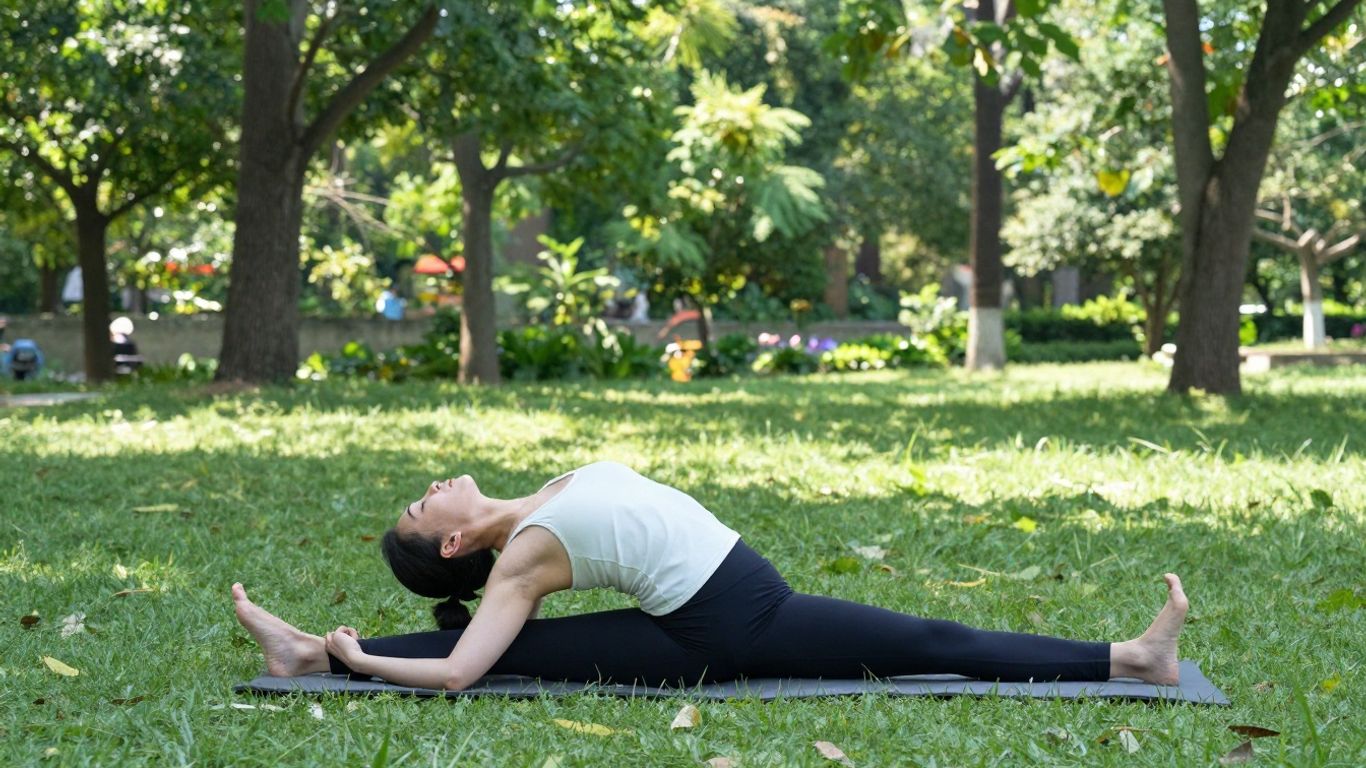
This style can be a good match if you enjoy variety and want a practice that feels active without following one fixed routine. Pay attention to transitions, not just the poses themselves, and take pauses when your breathing becomes strained. For a closer look at common sequences, explore this guide to Vinyasa yoga poses.
A portable setup makes Vinyasa easier to take outside, into a hotel room, or to a park. Yune Yoga offers foldable travel mats for practitioners who want a mat that is easy to pack. Before class, check the floor and give yourself enough space to step wide without bumping into furniture or other students.
3. Ashtanga yoga for a structured, challenging sequence
Ashtanga is known for a set sequence of postures practiced in a consistent order. That structure can make progress easier to observe because familiar poses return regularly. It also asks for commitment: the practice is physically demanding, and the pace may feel intense for someone new to yoga.
The repeated sequence can be appealing if you prefer clear expectations over improvisation. Rather than wondering what comes next, you can focus on breath, technique, and gradually becoming more familiar with the series. New practitioners should consider an introductory class where modifications and pacing are explained carefully.
Ashtanga works best when challenge is balanced with patience. A mat with dependable traction, enough room for movement, and a towel nearby can make practice more comfortable. If you are comparing class descriptions before booking, this overview of major yoga styles offers another way to distinguish structured practices from slower ones.
4. Power yoga for strength and intensity
Power yoga is a vigorous, modern style that often uses flowing sequences, longer holds, and challenging transitions. Unlike a single fixed series, classes can vary widely depending on the instructor. You may leave feeling that you have trained your whole body, particularly when the class includes standing work, balances, and core-focused movements.
This is a reasonable choice for people who want yoga to feel athletic. Still, intensity is not the same as quality, and pushing through sharp pain is never a useful goal. Take breaks, modify a pose, and look for a teacher who explains options rather than treating every student as if they need the same level of difficulty.
Equipment should support movement without becoming a distraction. A towel can help if your hands become slippery, while straps may make certain stretches more manageable. Since gear decisions vary by budget and use, practical product reviews can help you compare features before purchasing accessories.
5. Yin yoga for deep stretching and relaxation
Yin yoga slows the class down by holding selected poses for longer periods, often with the body supported close to the floor. The sensation is usually less about muscular effort and more about staying present with a gradual stretch. The quiet pace can feel very different from an active flow class.
Because poses are held for time, comfort and support matter. Blocks, bolsters, blankets, and a mat with suitable cushioning can help you settle without forcing range of motion. A meditation mat guide may be useful when you are choosing equipment for gentler, opening practices.
Yin is a good option when you want fewer transitions and more space to notice your breathing. It does not need to be painful to be effective, and the right depth may change from day to day. Leave enough time afterward to move slowly rather than treating the session like a quick workout squeezed between errands.
6. Restorative yoga for stress relief and recovery
Restorative yoga is built around support, stillness, and deliberately easy shapes. Props help hold the body so that the muscles can soften instead of working to maintain a pose. A class may include only a handful of positions, with plenty of time in each one.
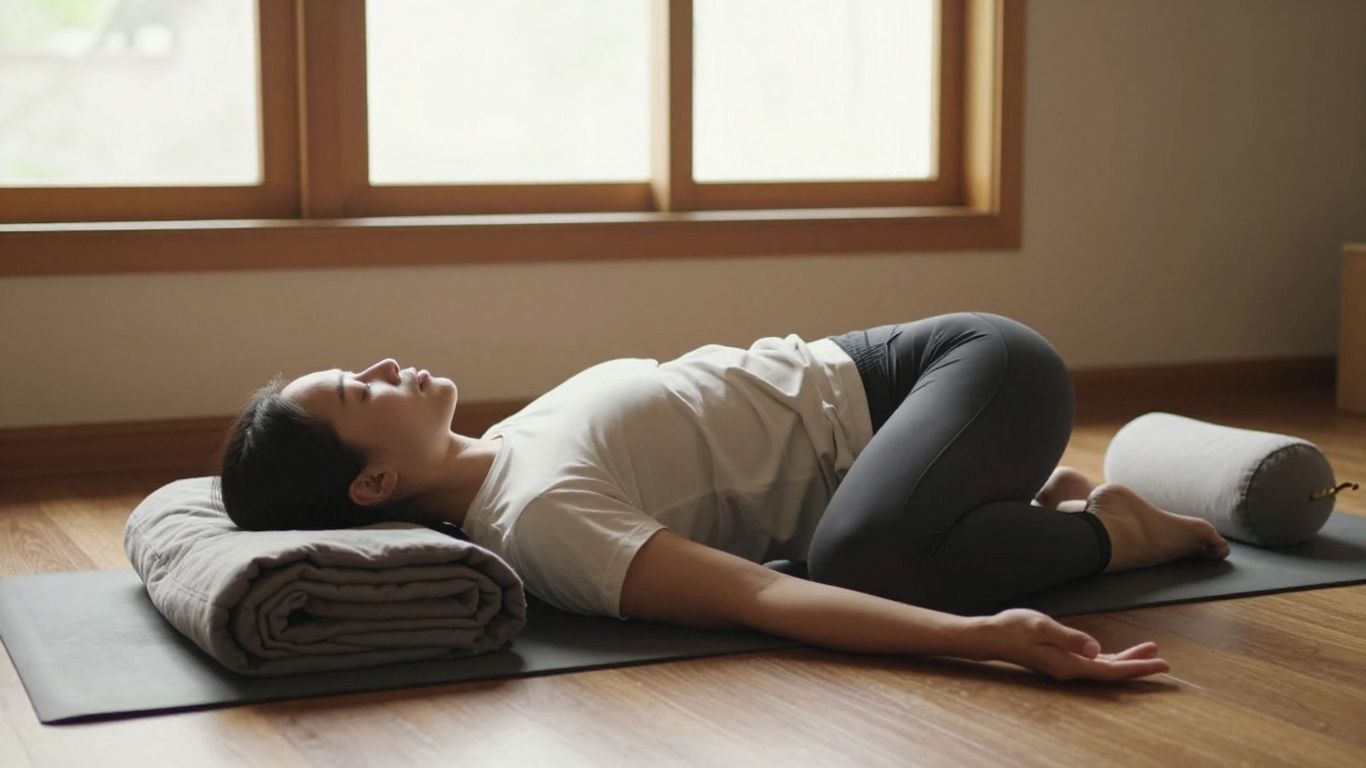
This style fits days when your energy is low or when you want a quiet practice after travel, a demanding workout, or a busy week. A calm room, comfortable clothing, and enough floor space can matter as much as the mat itself. Creating a simple home yoga studio can make it easier to practice without turning setup into another task.
Restorative practice is also highly portable in spirit: the goal is not to fill the hour with movement. A thin, light mat can be convenient when you practice in different rooms or locations, while extra support from household blankets may be enough for some poses. Keep the session gentle, and treat any discomfort as a reason to adjust rather than endure.
7. Iyengar yoga for alignment and precision
Iyengar yoga places close attention on alignment, body positioning, and the details of each pose. Teachers may use props such as blocks, straps, chairs, or blankets to make a posture more accessible or to clarify its shape. The pace often leaves room for instruction and careful observation.
This approach can suit analytical learners who like specific feedback. Instead of chasing a deeper pose, you may spend more time understanding where your feet, hips, shoulders, or spine are positioned. Small adjustments can change the experience of a posture, especially when you are building a foundation.
Look for an instructor who welcomes questions and explains how props are being used. Precision does not mean every student must look identical; it means finding a stable, considered version of the pose for your body. A well-sized mat can also help you place hands and feet consistently, so measure your practice area before choosing one.
8. Bikram and hot yoga for heat-based practice
Bikram yoga refers to a specific sequence practiced in a heated room, while hot yoga is a broader term for classes held in elevated temperatures. The class format, sequence, and heat level can differ, so read the studio description rather than assuming every heated class is the same. The environment alone can make a familiar posture feel more demanding.
Hydration, ventilation, and pacing deserve attention before you begin. If you feel dizzy, nauseated, unusually weak, or confused, leave the room and ask for help. A first class should be approached as an experiment in tolerance, not a test of willpower.
Sweat management is part of the practical setup. Yune Yoga offers absorbent yoga towels, which can be useful for a practice where moisture affects grip and comfort. Bring water, arrive early enough to acclimate, and ask the studio what it recommends for mats, towels, and cleaning.
9. Kundalini yoga for breathwork, meditation, and energy
Kundalini yoga commonly combines physical movement with breathwork, meditation, chanting, or periods of stillness. The class may feel more ritual-centered than a posture-focused flow, and the balance between its elements depends on the teacher. If you are curious, read the description and choose a class whose approach feels comfortable.
This style may appeal to someone who wants yoga to include more than physical exercise. You might spend time repeating a movement, working with a breathing pattern, or sitting quietly after a sequence. There is no need to force an interpretation; simply notice whether the format helps you stay engaged and present.
A flexible attitude is useful when trying Kundalini for the first time. Clothing that allows easy movement, a stable place to sit, and a willingness to ask questions can make the experience more approachable. A durable strap may also be handy for general practice, and Yune Yoga offers durable yoga straps among its accessories.
10. Prenatal yoga for pregnancy-safe movement and support
Prenatal yoga is adapted to support movement during pregnancy, with attention to comfort, balance, changing anatomy, and energy levels. Classes may use gentle strengthening, breathing, mobility work, and supported rest. The right class should be taught by someone familiar with prenatal modifications.
Before attending, ask your prenatal care professional whether yoga is appropriate for you and mention any restrictions to the instructor. Avoid treating a general yoga class as interchangeable with a prenatal class, especially as pregnancy progresses. Positions, intensity, and balance can need frequent adjustment from one trimester to the next.
The most useful setup is the one that lets you move without strain. Extra space, props, a stable mat, and easy access to water can all help. If you are preparing for a major life transition at the same time, practical planning resources such as a moving guide may help keep your routines manageable, while a supportive travel setup can make short sessions easier to maintain.
Choosing among the types of yoga
There is no single best answer when comparing the types of yoga. Your choice can depend on your current energy, preferred pace, available time, physical experience, and whether you want instruction, movement, or stillness. A class that feels right on a Tuesday morning may not be the right fit after a long trip or demanding week.
| If you want | Consider starting with | What to expect |
|---|---|---|
| A slower introduction | Hatha | Foundational poses and breathing |
| Continuous movement | Vinyasa | Breath-linked transitions and variety |
| A set challenge | Ashtanga | A structured, repeated sequence |
| Deep rest | Yin or Restorative | Longer holds and supported stillness |
| Alignment feedback | Iyengar | Detailed instruction and props |
Use the table as a starting point, not a ranking. Class names are not perfectly standardized, so read the description and ask the teacher what a typical session includes. If you practice away from home, a yoga mat size guide can help you choose equipment that fits both your body and your usual spaces.
Practical ways to find your fit
Trying a new style is easier when you give yourself a small, realistic experiment instead of making a permanent decision after one class. Notice how you feel during the session, how you feel later that day, and whether the teacher offers clear options. These details often tell you more than the label alone.
Before your first class, it can help to:
- Read the studio description and check the expected pace.
- Tell the teacher about injuries, pregnancy, or movement limitations.
- Bring water and arrive early enough to ask questions.
- Start with a shorter or introductory class when available.
Afterward, write down what worked and what did not. You may prefer the steady concentration of Iyengar one week and the spacious quiet of Restorative yoga the next. The goal is not to choose one identity; it is to build a practice you can approach safely and enjoyably.
Conclusion
The right yoga style is the one that matches your needs, energy, and willingness to return. Explore slowly, ask for modifications, and let your preferences change as your life changes. With a suitable class and a practical setup, yoga can fit into a studio, a home, a hotel room, or an outdoor space without becoming complicated.
Frequently Asked Questions
Which type of yoga is best for beginners?
Hatha is often a comfortable starting point because it usually gives students time to learn foundational poses and breathing. Beginner-friendly Vinyasa or Restorative classes can also work well, depending on your goals and the teacher's instructions.
Which yoga style is the most physically demanding?
Ashtanga, Power, and some Vinyasa classes can be demanding, but intensity varies by instructor and class level. Read the description, choose an appropriate option, and take breaks when needed.
What is the difference between Yin and Restorative yoga?
Yin generally uses longer-held poses to explore gradual stretching, while Restorative yoga relies more heavily on props and supported stillness. Both are slower practices, but the physical experience and teaching approach can differ.
Is hot yoga suitable for everyone?
Not necessarily. Heat can make practice feel more strenuous, and some people may need to avoid or modify heated classes. Ask a healthcare professional if you have concerns, and stop if you feel unwell during class.
Can I practice more than one yoga style?
Yes. Many people combine an active style such as Vinyasa or Power with slower sessions such as Yin or Restorative. Different formats can serve different needs across the week.
How often should I do yoga?
A sustainable schedule matters more than a perfect number of sessions. You might begin with one or two classes each week and add short, gentle sessions when your body and schedule allow.
What should I bring to a yoga class?
A mat, comfortable clothing, water, and any prescribed or preferred props are useful basics. For hot or especially active classes, a towel may improve comfort and grip. Check with the studio because equipment policies vary.

