

Unlock Calm: Effective Yoga Poses for Stress Relief
Life can feel like a lot sometimes, can't it? You might notice tension building up in your body, maybe in your shoulders or neck. It's like your body is carrying all that stress. Turns out, yoga can be a really helpful way to deal with that. It's not just about stretching; it's about using specific movements and even how you breathe to help things calm down. This article will look at some simple yoga moves and breathing tips that can make a difference when you're feeling overwhelmed. It's a way to find some quiet when things get busy.
Key Takeaways
- Gentle yoga shapes, like Child's Pose and Legs Up the Wall, can help quiet your mind and relax your body.
- Flowing movements such as Cat-Cow can help ease tightness along your spine.
- Poses like Standing Forward Fold offer a full-body stretch and can help you feel more at ease.
- Breathing exercises, done alongside yoga, can help you relax more deeply.
- Fitting even short yoga sessions into your day can help manage stress and improve how you feel overall.
Gentle Yoga Poses For Deep Tension Relief
Life can feel like a constant rush sometimes, leaving you with a tight feeling in your shoulders or a knot in your stomach. It's like your body is just holding onto all that stress. When you're feeling this way, the best approach is often to slow things down. This section is all about those really gentle yoga shapes that help you unwind without asking too much of your body. They're meant to be a soft place to land, helping to ease tightness and bring a sense of calm to your whole system.
Child's Pose For Calming The Mind
Child's Pose, or Balasana, feels like a comforting hug for your body. It's a resting pose that's really good at quieting down a busy mind. When you fold yourself into this shape, it gently stretches your back and hips. The simple act of letting gravity do some of the work can be incredibly therapeutic, and the pressure on your forehead can feel quite soothing. It's a simple way to tell your body it's time to slow down and let go of the day's worries.
To get into Child's Pose:
- Start on your hands and knees.
- Bring your big toes to touch and widen your knees apart, or keep them closer if that feels better for you.
- Sink your hips back towards your heels.
- Rest your forehead on the mat, a block, or a folded blanket. Let your arms relax in front of you or place them alongside your body.
- Focus on breathing deeply into your back ribs for a minute or two.
Restorative Poses For A Soft Landing
Restorative yoga is all about comfort and ease. It uses props like blankets and bolsters to support your body in gentle poses, allowing you to relax deeply without any effort. These poses are designed to help you release tension held in the body and calm your nervous system. Think of it as giving yourself permission to truly rest and recharge.
Hatha Yoga For Body Awareness
Hatha yoga is a great way to connect with your body. It involves holding poses for a few breaths, which gives you time to really feel what's happening in your body and connect with your breath. This practice helps you become more aware of where you're holding tension and how to release it. It's active enough if you feel restless, but also encourages you to turn inward and find a sense of calm.
The goal with these gentle poses isn't about how they look, but how they feel. It's about creating space and ease, allowing your body to naturally let go of held tension. Don't push yourself; just allow yourself to be.
Key Yoga Poses For Stress Relief
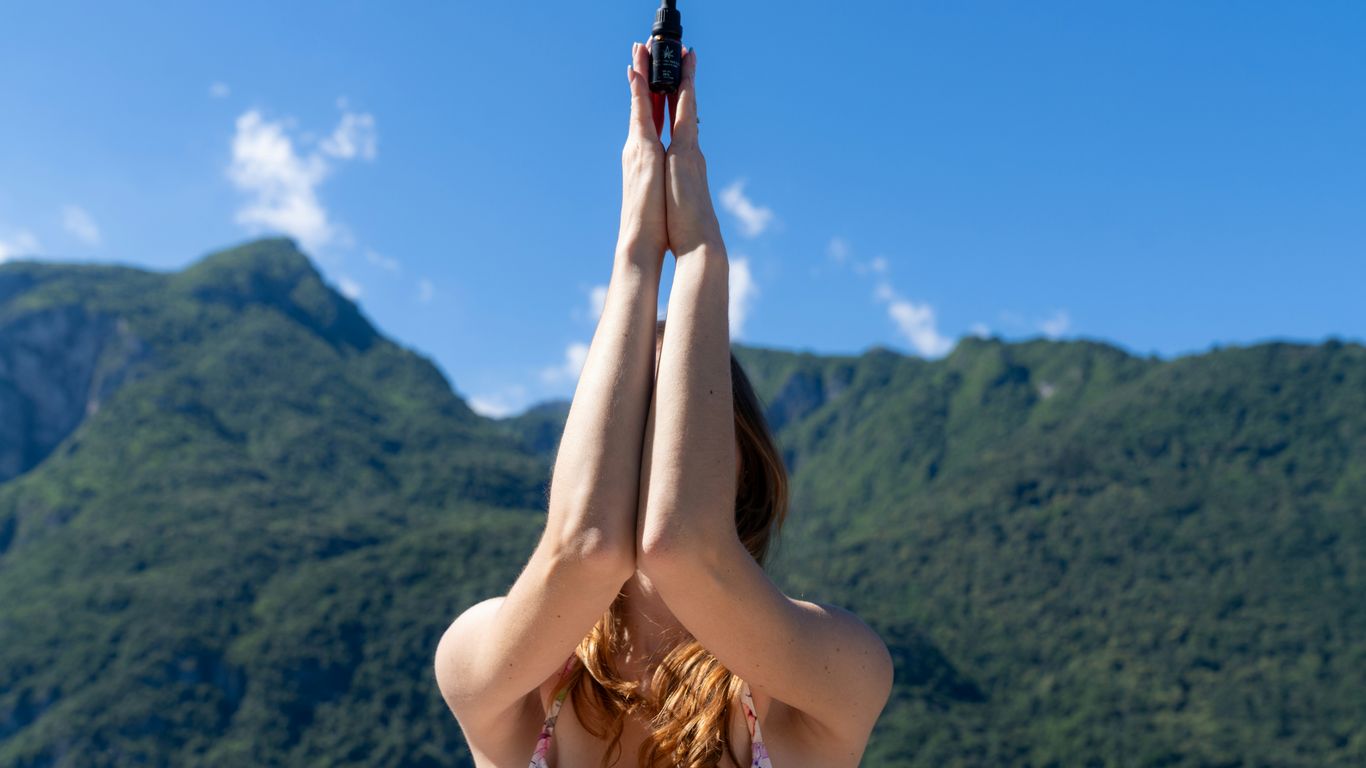
Life can get pretty overwhelming sometimes, right? You feel it in your shoulders, your neck, maybe even your head. It's like your body is holding onto all that stress. Well, I found out that certain yoga poses can really help with that. It's not just about stretching; it's about using specific shapes and even how you breathe to calm everything down. This section talks about some simple yoga moves that can make a big difference when you're feeling all wound up. It’s a way to find some peace when things get hectic.
Forward Fold For Full Body Relaxation
Standing Forward Bend, or Uttanasana, is a pose that really lets you let go. You simply hinge at your hips and let your upper body hang down towards the floor. This simple act of letting your head hang below your heart can be incredibly calming for your nervous system. It's like giving your brain a little break from all the thinking. Plus, it stretches out the entire back side of your body, from your heels all the way up to your neck. If you can't quite reach the floor, don't worry about it. You can bend your knees quite a bit, or even rest your hands on blocks or your shins. The goal here isn't to touch your toes, it's to feel that release.
Cat-Cow Flow For Spinal Mobility
Cat-Cow, or Marjaryasana-Bitilasana, is a gentle flow that warms up and mobilizes your spine. Moving between these two poses with your breath helps to release tension stored along your back and can improve posture. It's a simple sequence that connects movement with breath, making it a mindful practice.
Here's how to do it:
- Start on your hands and knees, with your wrists directly under your shoulders and your knees under your hips. Your back should be flat.
- As you inhale, drop your belly towards the mat, arch your back slightly, and lift your gaze for Cow Pose. Feel a gentle stretch in your abdomen.
- As you exhale, round your spine towards the ceiling, tuck your chin towards your chest, and draw your navel in for Cat Pose. Feel the stretch across your upper back.
- Continue flowing back and forth between these two poses, matching each movement with your breath. Aim for about 5-10 rounds, or as many as feels good.
Supine Twist For Spinal Release
A supine twist is a wonderful way to gently release tension in your spine and hips while lying down. It's a passive stretch that encourages relaxation. It's particularly good for easing stiffness that can build up from sitting or stress.
Here's a simple way to do it:
- Lie down on your back with your knees bent and feet flat on the floor.
- Extend your arms out to the sides in a "T" shape, palms facing down.
- Gently let both knees fall over to one side, keeping them stacked if possible. Turn your head to look in the opposite direction of your knees.
- Breathe deeply and allow your body to relax into the twist. Try to keep both shoulders grounded on the mat.
- Hold for 5-10 breaths, then gently bring your knees back to center and repeat on the other side.
This sequence of poses is designed to be accessible and effective. The focus is on gentle movement and breath awareness, helping to calm the nervous system and release physical tightness. It's about finding a moment of stillness and ease in your day.
Restorative Poses To Soothe The Body And Mind
Sometimes, you just need to slow down and let your body melt. That's where restorative yoga comes in. It's all about giving yourself permission to rest, using props like blankets and bolsters to support you so you can truly relax without any effort. These poses are designed to be held for longer periods, allowing your nervous system to calm down and release stored tension. It’s a gentle way to signal to your body that it's safe to let go.
Child's Pose For Releasing Tension
Child's Pose, or Balasana, is like a warm hug for your body. You start on your hands and knees, then bring your big toes to touch while widening your knees. Sink your hips back towards your heels and let your torso rest between your thighs. You can rest your forehead on the mat, a block, or a folded blanket. Let your arms relax in front of you or by your sides. The key here is to focus on your breath, feeling it expand into your back. This pose is fantastic for calming the mind and easing any tightness in your back and shoulders.
Legs-Up-The-Wall Pose For Deep Relaxation
Legs-Up-The-Wall Pose, or Viparita Karani, is pure bliss, especially if your legs feel tired or your whole system is just frazzled. It's a passive inversion, meaning you don't have to do much work. You simply lie on your back with your legs extended up against a wall. This helps with circulation and really calms your mind. You just need a wall and maybe a cushion for comfort. It's a wonderful way to give your body a break and let gravity do some of the work. You can find more about restorative yoga and its benefits online.
Gentle Twists For Nervous System Ease
Gentle twists are like a soft massage for your spine and your nerves. Lying on your back, you'll bring one knee across your body, allowing your spine to gently rotate. This helps release tension held in the back and hips, and it can really help quiet your mind. The gentle rotation encourages a sense of ease throughout your body.
Here’s a simple way to try a supine twist:
- Lie on your back with your knees bent and feet flat on the floor.
- Extend your arms out to the sides in a T shape.
- Gently drop both knees to one side, keeping your shoulders as flat on the mat as possible.
- Turn your head to look in the opposite direction of your knees.
- Hold for a few breaths, then switch sides. Repeat on the other side.
These poses are about surrender, not strain. The goal is to create space and ease, allowing your body to naturally let go of held tension. Don't worry about how it looks; focus on how it feels.
Beginner's Guide To Yoga Stress Relief
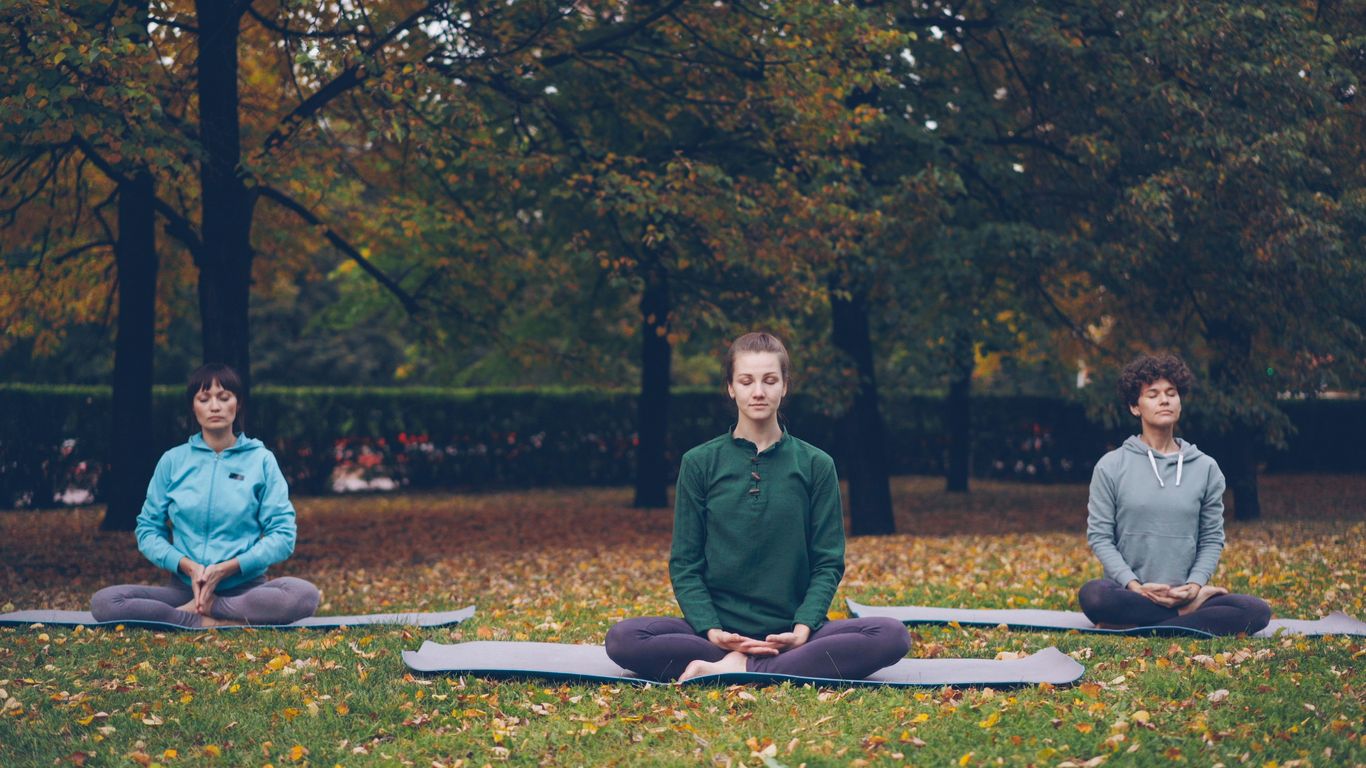
Starting yoga to help with stress doesn't have to be complicated. You don't need to be super flexible or own all the fancy gear. The most important thing is finding a quiet spot where you can move around a bit without feeling like you're in the way. A yoga mat is a good idea for grip and comfort, but honestly, a rug or even carpeted floor can work in a pinch. If you have them, things like blankets, pillows, or even some books can help make poses feel better.
Essential Props For Comfort And Support
Props are your best friends when you're starting out. They aren't cheating; they're tools to help you get the most out of the poses. Think of them as ways to adjust the pose to fit your body, not the other way around. Using props helps you find ease and stability, making the practice accessible to everyone.
Here's a quick look at some helpful props:
- Blocks: These are great for bringing the floor closer to you. For example, in a forward fold, you can place blocks under your hands if you can't reach the floor. They also help support you in poses like seated forward bends.
- Blankets/Pillows: Use these to cushion your knees in poses like kneeling or to support your head in resting poses. A rolled-up blanket can also go under your knees when you're lying down to ease lower back pressure.
- Straps: While not always needed for basic stress relief, a strap can help you extend your reach in certain stretches, like binding your hands behind your back or holding your foot in a hamstring stretch.
Listening To Your Body's Signals
This is probably the most important part of any yoga practice, especially when you're trying to reduce stress. Your body is constantly giving you information. The trick is learning to tune in. What feels good? What feels like too much? Pushing yourself too hard can actually create more tension, which is the opposite of what we want. Instead, aim for a feeling of gentle engagement, not strain. Remember, yoga is about how you feel, not how you look.
Your breath is like a secret remote control for your nervous system. When you're stressed, your breathing is usually fast and shallow. Yoga teaches you to breathe slowly and deeply, which signals your body that it's safe to relax. Think of it as hitting the 'calm down' button.
Finding Your Quiet Space
Creating a dedicated space for your practice, even if it's just a corner of a room, can make a big difference. It signals to your brain that it's time to switch gears and focus inward. Make sure it's a place where you won't be interrupted. This could be your bedroom, a quiet living room area, or even a spot outdoors if the weather is nice. Having this personal sanctuary helps you disconnect from the daily hustle and truly connect with yourself. You can find simple ways to incorporate yoga and breathwork into your existing schedule [037c].
Beyond Poses: The Power Of Consistent Practice
Integrating Yoga Into Your Daily Routine
So, you've found some yoga poses that really help you feel more relaxed. That's great! But just doing them once in a while might not give you the lasting calm you're looking for. Making yoga a regular part of your day, even for just a few minutes, can make a big difference. Think of it like watering a plant; a little bit every day keeps it healthy.
Here’s how you can start fitting it in:
- Morning Wake-Up: Before you even check your phone, try a few gentle stretches. Maybe start with Cat-Cow to get your spine moving.
- Lunch Break Reset: If you're feeling stressed at work, take 10 minutes to do a simple forward fold or Child's Pose at your desk (if possible) or in a quiet corner.
- Evening Wind-Down: Before bed, a few restorative poses like Legs-Up-The-Wall can help you transition to sleep.
Consistency is more important than intensity when it comes to stress relief. Even short, regular sessions build up over time.
Combining Yoga With Other Calming Techniques
Yoga is fantastic on its own, but pairing it with other relaxation methods can really boost its effects. It’s like adding extra ingredients to a recipe to make it even better. Think about what else helps you feel peaceful.
- Mindful Breathing: While you're in a pose, focus on your breath. Deep, slow breaths can calm your nervous system quickly.
- Meditation: Even five minutes of quiet sitting after your yoga practice can deepen the sense of calm.
- Spending Time in Nature: A walk outside, even a short one, can complement the grounding effects of yoga.
- Journaling: Writing down your thoughts after a yoga session can help process feelings and worries.
Sometimes, the simplest combinations yield the most profound results. Don't overcomplicate it; just find what feels good and stick with it.
The Benefits Of Regular Yoga Practice
Sticking with yoga isn't just about feeling good in the moment; it has long-term perks. It's not just about flexibility or strength, though those are nice bonuses. The real magic happens when you make it a habit.
Here are some things you might notice:
- Better Sleep: Regular practice can help you fall asleep faster and sleep more soundly.
- Improved Mood: You might find yourself feeling more positive and less easily bothered by daily annoyances.
- Increased Resilience: Over time, you may find you handle stressful situations with more ease.
- Greater Self-Awareness: You'll likely become more in tune with your body and mind, noticing stress signals earlier.
It's a journey, not a race. Be patient with yourself, celebrate the small wins, and enjoy the process of finding more peace, one breath at a time.
Keep Practicing, Keep Calming
So, we've gone over some ways yoga can help you feel less stressed. It's not about being perfect or doing fancy poses. It's really about finding what works for you, whether that's a few minutes of deep breathing or a gentle stretch. Remember to listen to your body and be patient with yourself. Even small, regular efforts can make a big difference over time. Keep showing up on your mat, even for just a little bit, and you'll start to notice a calmer you. It’s a journey, and you’ve got this.
Frequently Asked Questions
Can yoga really help me feel less stressed?
Yes, it totally can! Yoga is like a special tool for your body and mind when you're feeling stressed. By doing certain poses and focusing on your breathing, you can actually tell your body to chill out. It helps loosen up tight muscles and quiet down a mind that's going a mile a minute, making you feel much more peaceful.
What are some easy yoga poses for beginners who are stressed?
Great question! For folks just starting out, poses like Child's Pose (it feels like a warm hug for your body), Legs Up the Wall (which is super relaxing for your legs and mind), and a gentle Forward Fold are awesome. They help your body unwind without being too tough.
How does breathing in yoga help with stress?
Your breath is kind of like a remote control for your body's stress response. When you're stressed, you usually breathe fast and shallow. Yoga teaches you to breathe slowly and deeply, which tells your body it's okay to relax. Think of it as pressing the 'calm down' button.
What if I'm not very flexible or I'm new to yoga? Can I still do it?
Absolutely! Yoga isn't about being able to touch your toes or do fancy moves. It's more about how you feel and how you breathe. You can use things like pillows or blankets to make the poses more comfortable. The most important thing is to listen to your body and not push yourself too hard. It's your own personal journey!
How often should I practice yoga to feel the stress relief benefits?
You don't need to spend hours on your mat every day! Even just 10 to 15 minutes most days can start to make a real difference. Doing it regularly is the key. It helps your body and mind get better at handling stress over time, like building up a defense.
Besides poses, what else does yoga include for stress relief?
Yoga also involves being mindful and using special breathing techniques. Mindfulness means paying attention to what's happening right now, without judging it. Breathing exercises, like breathing in for a count of four and then breathing out for a count of six, can really help you relax quickly.


