

Your First Beginner Yoga Class: A Gentle Introduction
Thinking about signing up for your first beginner yoga class? It’s totally normal to feel a little unsure or even a bit nervous. The good news is, you don’t have to be flexible or know anything about yoga to get started. This guide is here to walk you through what you might experience in your first class, how to get ready, and some simple tips to help you feel comfortable. Let's take a look at what your first step into yoga might look like.
Key Takeaways
- Arrive a bit early for your beginner yoga class so you have time to settle in and get comfortable.
- Wear clothes that let you move easily and bring a water bottle; most studios have mats and props if you don’t have your own.
- Expect a calm space, a friendly instructor, and a slow introduction to basic poses and breathing.
- It’s okay to rest or use props—listen to your body and don’t push yourself too hard.
- Beginner yoga classes can help you feel better both physically and mentally, even if you’re brand new to the practice.
Preparing For Your Beginner Yoga Class
Getting ready for your first yoga class doesn't have to be complicated. It's mostly about making sure you feel comfortable so you can actually focus on what you're doing. Think of it like getting ready for any activity where you'll be moving around a bit.
Choosing A Welcoming Studio
When you're picking a place to practice, look for studios that mention they are beginner-friendly. Sometimes studios will even have specific classes designed for people who have never done yoga before. A good studio will make you feel welcome from the moment you walk in. It's also worth checking out the instructors. A welcoming instructor is approachable and offers clear directions, making sure you feel safe and supported, even if you're new to all the poses. They should be open to questions and offer modifications if you need them.
What To Wear For Comfort
Comfort is the main thing when it comes to clothing for yoga. You want to wear something that lets you stretch and bend without feeling like it's holding you back. Breathable fabrics are a good idea so you don't get too hot. Many people find that athletic wear works well, but you can also use leggings, sweatpants, or shorts paired with a t-shirt or tank top. Just avoid anything too baggy that might get in your way or anything too tight that feels restrictive. You really only need a yoga mat for your first class; most studios have mats you can borrow or rent if you don't want to buy one right away. If you do decide to get your own, look for one that's not too thin and not too thick – a good middle ground is usually best. Some helpful, but not required, items include blocks to help you reach the floor or straps to extend your reach in stretches. A water bottle is also a good idea, though maybe sip before class rather than chug.
Arriving Early To Settle In
Try to get to the studio about 10-15 minutes before class starts. This gives you time to find the room, get your mat set up, and maybe even chat with the instructor if you have any questions or want to mention any injuries. It's also a good chance to just take a breath and get your mind ready before class begins. You don't need to have eaten a big meal right before class; a couple of hours between your last meal and yoga is usually good. A small snack is fine if you're feeling hungry. Remember, yoga is a practice, not a competition. There's no pressure to be perfect. Just show up, be present, and do what feels right for your body on that day. Everyone started somewhere, and instructors are used to having beginners in their classes. This introductory yoga class is perfect for individuals with little to no prior yoga experience. It's designed to guide absolute beginners into the practice of yoga, providing a welcoming and accessible starting point.
Yoga is a practice that connects the body and mind through movement and breath, not just about flexibility. Different yoga styles exist, but gentle or Hatha yoga are good starting points for a yoga beginners class. Wear comfortable clothes that let you move freely, and bring a yoga mat if you have one; studios often provide props. Listen to your body during class; it's okay to modify poses or rest when needed – progress is more important than perfection. Arrive a little early, be mindful of the space and others, and focus on your own experience during your yoga beginners class.
Understanding The Studio Environment
Stepping into a yoga studio for the first time can feel a little intimidating, but most places are designed to be welcoming. Think of it as a shared space where everyone is there to focus on their own practice and find a bit of calm. It's not a competition, just a place to be.
The Calming Atmosphere
As soon as you walk in, you'll probably notice a shift. Studios often use soft lighting, maybe some quiet music, and a general sense of peace to help you start unwinding even before class begins. It's meant to be a sanctuary from the outside world. This peaceful vibe is intentional, helping you transition from your busy day to a more centered state. Take a moment to just breathe it all in when you arrive. It’s a good idea to silence your phone or leave it in your bag entirely so there are no unexpected interruptions.
Setting Up Your Personal Space
Once you've checked in, you'll find the practice room. Most studios have mats you can use, or you can bring your own if you prefer. Look around and pick a spot that feels comfortable for you. You might see blocks, straps, or blankets – these are called props, and they're there to help you. Don't hesitate to grab a block or two if they look helpful; they're not just for advanced yogis. They can make poses more accessible and comfortable for beginners.
- Find a spot: Choose a place on the floor where you feel you have enough room.
- Gather props: If you think you might need a block or blanket, grab one or two.
- Settle in: Take a few deep breaths and let go of any lingering thoughts from your day.
Meeting Your Instructor
Your teacher will likely introduce themselves at the start of class. This is a great opportunity to let them know it's your first time. A good instructor will make you feel at ease and offer modifications if needed.
Here’s what to look for in an instructor:
- Clear instructions: They should explain how to get into poses and what to focus on.
- Observant: They notice if someone is having trouble and offer gentle suggestions.
- Approachable: They create a space where you feel comfortable asking questions.
Remember, yoga is a personal journey. Your instructor is there to guide you, but the practice is ultimately about what feels right for your body on any given day. Don't worry about looking perfect; focus on how you feel.
It's also worth noting that many studios have information about their instructors online, or you can ask other students for recommendations. Finding a teacher you connect with can really make a difference in your yoga journey.
What To Expect During Your First Class
So, you've picked a studio and found some comfy clothes. Now, what actually happens when you step onto the mat for your very first yoga class? It's totally normal to feel a bit curious, maybe even a little nervous. Think of it like trying any new activity – there's a bit of a learning curve, but it's usually much simpler than you might imagine.
Gentle Warm-Up Movements
Most classes kick off with some gentle movements to get your body ready. This isn't about breaking a sweat; it's more about waking up your muscles and joints. You might do some simple stretches, maybe some gentle twists, or even just some slow, controlled movements to get your blood flowing. The idea is to prepare your body for the poses to come without any strain. It’s a nice way to start connecting with your body and leaving the outside world behind.
Introduction To Foundational Poses
Don't worry about knowing fancy Sanskrit names or contorting yourself into impossible shapes. Your instructor will guide you through basic yoga poses, often called asanas. They'll show you how to get into them and what to focus on. You'll likely learn poses like Mountain Pose (Tadasana), Downward-Facing Dog (Adho Mukha Svanasana), and maybe a simple seated forward bend. The focus is on understanding the alignment and feeling the pose in your body, not on achieving a perfect look. Remember, everyone starts somewhere, and modifications are always available. If you're curious about what some of these poses look like, you can check out basic yoga poses.
Connecting Breath With Movement
Breathing is a huge part of yoga, and your instructor will likely guide you on how to coordinate your breath with your movements. This might sound a bit abstract, but it's really about making your breath a steady anchor. You'll be encouraged to breathe in through your nose and out through your nose, with the breath guiding when you move into or out of a pose. It helps to calm your mind and makes the physical practice feel more fluid. It’s a skill that takes practice, so don't stress if it feels awkward at first.
Yoga is a practice that connects the body and mind through movement and breath, not just about flexibility. Different yoga styles exist, but gentle or Hatha yoga are good starting points for a yoga beginners class. Wear comfortable clothes that let you move freely, and bring a yoga mat if you have one; studios often provide props. Listen to your body during class; it's okay to modify poses or rest when needed – progress is more important than perfection. Arrive a little early, be mindful of the space and others, and focus on your own experience during your yoga beginners class.
Here’s a quick look at what you might experience:
- Warm-up: Gentle stretches and movements to prepare your body.
- Poses (Asanas): Introduction to basic postures with guidance on alignment.
- Breathwork: Learning to link your breath with your movements.
- Cool-down: Often includes gentle stretches and a period of relaxation.
In your first month of yoga, expect to learn fundamental poses and breathing techniques. Classes typically conclude with a brief relaxation period. This initial phase focuses on building a basic understanding and comfort with the practice. Classes often end with relaxation, which is a great way to absorb the benefits of your practice.
Navigating Poses And Sensations
Listening To Your Body's Signals
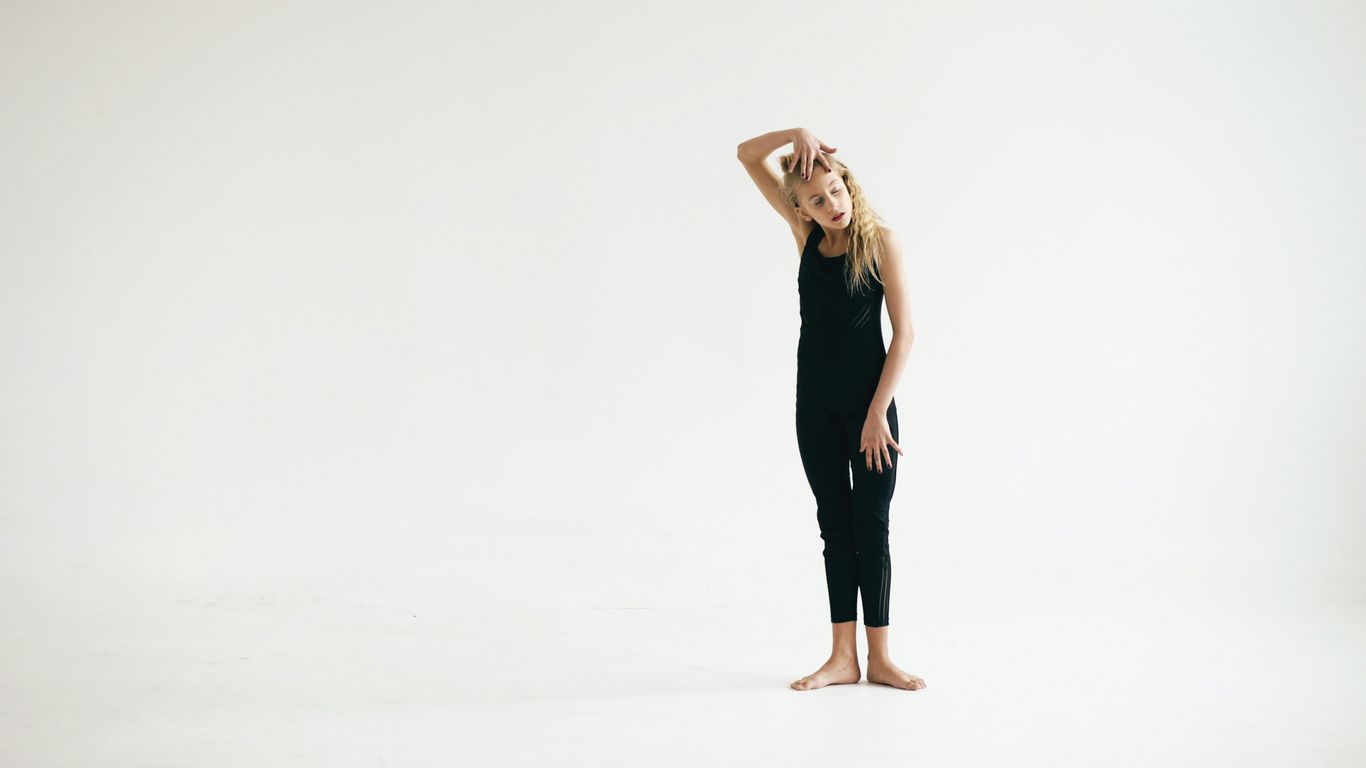
This is probably the most important thing to remember when you're new to yoga. Your body is going to tell you what it needs, and it's not a competition with anyone else. Forget about what the person on the mat next to you is doing. It’s about your own experience. You might feel a stretch, a gentle pull, or maybe some warmth in a muscle. That's usually fine. But if you feel any sharp, shooting, or intense pain, that's your cue to ease up. Seriously, back off a bit.
Embracing Modifications And Props
Don't feel like you have to do every pose exactly as the instructor demonstrates. Modifications are totally normal, and honestly, they're your friend. If a pose feels too hard, just don't go as deep. You can also use props like blocks or blankets to make things more comfortable. For example, placing a block under your hands in a forward fold can make it much more accessible. It's not about how far you can bend; it's about how the pose feels for you. Many instructors are great at offering options for different levels, so listen for those. You can explore a wide range of yoga poses suitable for all levels, from beginner-friendly options like Mountain Pose and Downward Facing Dog to more advanced postures. This resource offers something for every yoga practitioner, regardless of their experience.
Resting When Needed
If you start to feel tired, overwhelmed, or just need a break, it is absolutely okay to rest. Child's Pose is a common resting pose where you fold forward onto the mat. You can also just sit quietly for a few moments. Your body knows best, so honor that. It's perfectly fine to take a moment to catch your breath and recenter.
Yoga is a practice, not a performance. There's no need to feel pressure to be perfect. Just show up, be present, and do what feels right for your body on that day. Everyone started somewhere, and instructors are used to having beginners in their classes.
Remember to connect your breath with your movement. You'll hear a lot about inhaling and exhaling. Your breath is your anchor. Try to breathe into your belly, letting it expand on the inhale and drawing it in on the exhale. It's calming. When you lift your arms, you might inhale. When you fold forward, you might exhale. The teacher will guide you, but don't stress if you don't get it right away. Just breathing is the main thing. Your breath will help you move with more intention and less rushing. It's like a gentle rhythm guiding you through the poses. If you find yourself holding your breath, that's a sign to ease back a bit. Michelle Baldino offers beginner-friendly yoga poses, especially beneficial for men starting their yoga journey.
Choosing The Right Beginner Yoga Style
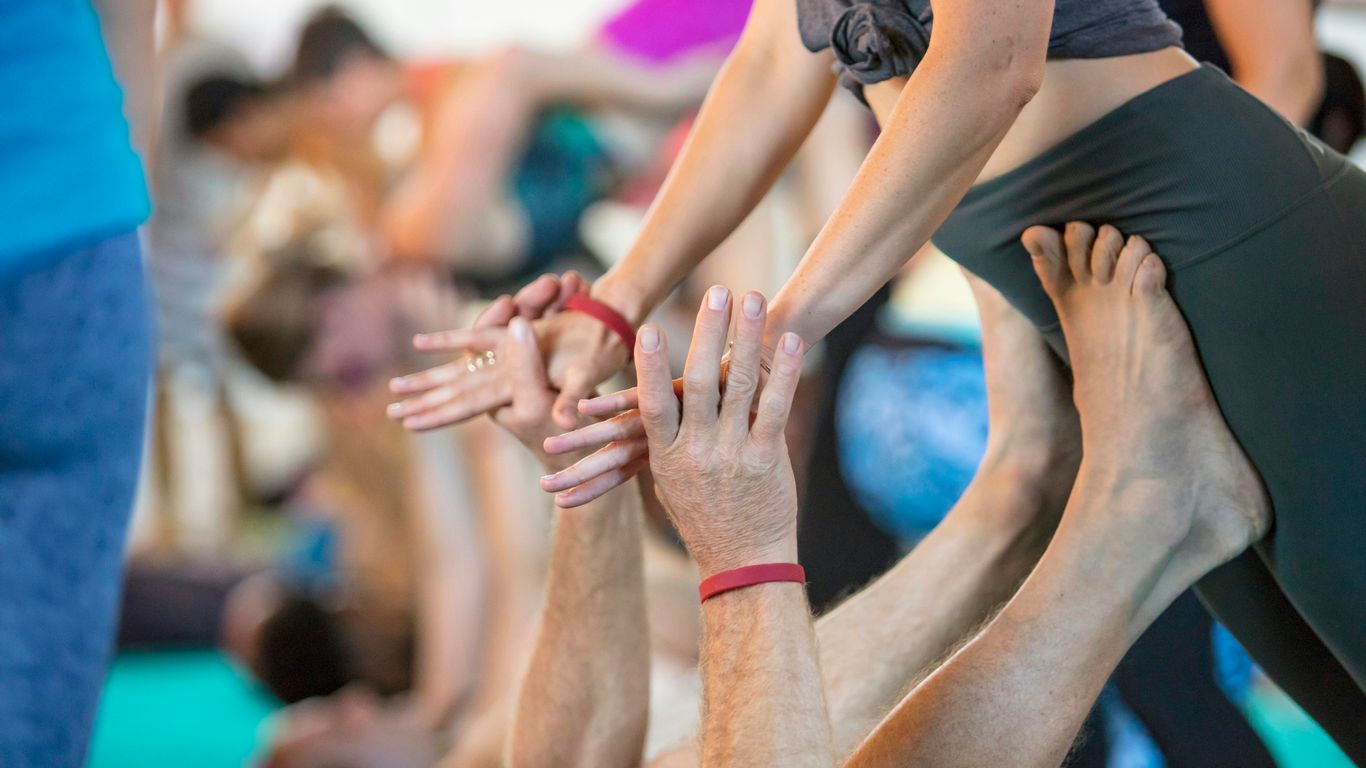
Stepping into your first yoga class is exciting, but the sheer variety of styles can feel a bit much. Don't get bogged down in the names; the most important thing is finding a class that feels right for you right now. Think of it like picking out a comfortable pair of shoes – you want something that supports you as you start your journey.
Gentle Yoga For A Soft Start
Gentle yoga is pretty much what it sounds like: a slower, more relaxed approach to the practice. It's perfect for beginners because it focuses on basic movements and gives you ample time to get a feel for what your body is doing. You won't be rushed, and the emphasis is on mindful movement and breath awareness. This style is great if you're feeling a bit stiff, recovering from an injury, or just want a really calming experience. It's a wonderful way to ease into the practice without any pressure.
Hatha Yoga Fundamentals
Hatha yoga is another excellent starting point for newcomers. It's a broad category that often forms the basis for many other styles. In a Hatha class, you can expect to hold poses for a few breaths, focusing on proper alignment and connecting your breath to the movement. It's not as fast-paced as some other styles, making it a good way to learn the building blocks of yoga. You'll likely encounter foundational poses like Mountain Pose and Downward-Facing Dog, which are great for building body awareness. Many studios offer beginner-friendly yoga routines that fall under the Hatha umbrella.
Beginner-Specific Class Options
When in doubt, look for classes explicitly labeled for beginners. Studios often offer classes titled "Intro to Yoga," "Beginner Yoga," or "Gentle Flow." These classes are designed with newcomers in mind. The instructor knows everyone is new and will tailor the pace and instruction accordingly, offering plenty of modifications and explanations. It's a safe space to ask questions and learn the basics without feeling out of place. You can expect clear instructions on basic yoga poses and a supportive atmosphere.
Remember, yoga is a personal journey. There's no competition here. Focus on what your body needs on any given day and be patient with yourself. The goal is to find a practice that feels good and supports your well-being.
It's generally a good idea to steer clear of more intense styles like Ashtanga, Vinyasa (unless it's specifically a beginner Vinyasa), or hot yoga for your very first few classes. These can be quite demanding and might be better explored once you've built a bit more strength and familiarity with the practice.
The Benefits Of A Beginner Yoga Class
So, you've taken the plunge and signed up for your first yoga class. That's awesome! Beyond just getting a good stretch, showing up on the mat can actually do a lot for you, both inside and out. It's not just about touching your toes, though that's a nice bonus.
Improving Physical Well-Being
Think of your first yoga class as a gentle tune-up for your body. You'll start moving in ways that might feel new, waking up muscles you didn't even know you had. This practice helps build a better connection between your mind and your body, making you more aware of how you move through the world. You'll likely notice improvements in flexibility over time, and even a little more strength can start to creep in. It's about making your body feel more comfortable and capable in its everyday movements. You can find out more about the initial focus of yoga practice when you're starting out.
Reducing Stress And Finding Calm
Life can get pretty hectic, right? Yoga offers a chance to hit the pause button. The focus on breath and slow movements helps quiet down that busy mind. It's like giving your nervous system a much-needed break.
Here’s what you might experience:
- A noticeable drop in that feeling of being overwhelmed.
- A greater sense of peace, even after the class is over.
- Better sleep, as your body and mind start to unwind more easily.
Cultivating Mindfulness
Mindfulness is basically paying attention to what's happening right now, without judging it. Yoga is a fantastic way to practice this. You'll be encouraged to notice how your body feels in different poses, how your breath flows, and what thoughts pop into your head.
It's a practice of being present, moment by moment. Instead of worrying about the past or stressing about the future, you learn to appreciate the here and now. This skill can spill over into all areas of your life, helping you feel more grounded and less reactive.
Don't worry if your mind wanders – that's totally normal! The goal isn't to have a perfectly blank mind, but to gently bring your attention back when it drifts. It’s a skill that gets better with practice, and your first yoga class is the perfect place to start building it.
Your Yoga Journey Begins
So, you've made it through your first yoga class! That's a pretty big step, and you should feel good about that. Remember, this is just the start. Yoga isn't about being perfect right away; it's about showing up and seeing how your body feels. Keep coming back, listen to what your body tells you, and don't be afraid to try different classes or instructors as you get more comfortable. You've already taken the hardest part, which is just getting started. Enjoy the process of discovering what yoga can do for you.
Frequently Asked Questions
What is yoga all about, and why should I try it?
Yoga is an ancient practice from India that combines body movements, breathing exercises, and calm thinking. It's more than just stretching; it's a way to feel better in your mind and body. People try yoga to become more flexible, less stressed, and more focused. Think of it as a full-body workout that helps you feel stronger and more peaceful.
What kind of clothes should I wear for my first yoga class?
Wear comfortable clothes that let you move freely, like stretchy pants or shorts and a t-shirt or tank top. You don't need fancy yoga outfits; just make sure you can bend, stretch, and twist without feeling held back. Since most people do yoga barefoot, you won't need special shoes.
Do I need to buy a lot of special yoga stuff before I start?
Not at all! The main thing you might want is a yoga mat, which gives you better grip and makes the floor feel softer. Many studios let you borrow or rent mats if you're not ready to buy one. Sometimes, teachers use things like blocks or straps to help with poses, but you can often use household items like books or belts if needed.
What if I can't do all the poses perfectly in my first class?
That's totally normal, especially when you're just beginning! Yoga is about the journey, not about being perfect or competing with others. It's okay to change poses to fit your body. Listen to what your body tells you and don't push yourself too hard. Your teacher can show you easier ways to do things, and using props can really help. The goal is to feel good, not to be flawless.
What's the best type of yoga for someone who's completely new?
For beginners, it's best to start with gentler styles. Look for classes called "Beginner," "Hatha," "Gentle Yoga," or "Restorative." These classes usually move at a slower speed and focus on basic poses and breathing. They're a great way to learn the basics without feeling overwhelmed.
What should I do if I feel uncomfortable or unsure during class?
It's perfectly fine to feel a little unsure when you're new. Remember to listen to your body. If a pose feels too difficult or causes pain, ease out of it or take a break. You can always rest in Child's Pose or just sit quietly. Don't hesitate to let your instructor know you're new; they are there to help you feel comfortable and safe.


