
Unlock Calm: Effective Yoga for Stress Relief Techniques
Life can get pretty hectic, right? Between work, family, and just trying to keep up, it's easy to feel overwhelmed. If you're looking for a way to find some calm in the chaos, you've come to the right place. This article is all about how yoga can help you manage stress and feel more at peace, even when things get tough. We'll explore simple techniques that you can actually use.
Key Takeaways
- Yoga helps calm your body and mind by activating the relaxation response and reducing stress hormones.
- Specific yoga poses, like forward bends and restorative poses, are great for releasing physical tension.
- Focusing on your breath through techniques like diaphragmatic breathing can significantly lower stress levels.
- Adding mindfulness and meditation, even for a few minutes, deepens the calming effects of your yoga practice.
- Consistency is more important than intensity; a short, regular yoga practice offers lasting benefits for stress relief.
Understanding Yoga's Impact on Stress Relief
Life throws a lot at us, doesn't it? Between work deadlines, family stuff, and just the general hum of modern living, it's easy to feel overwhelmed. Stress isn't just a feeling; it's a physical response that can really wear you down over time. When we're stressed, our bodies go into a sort of alarm mode, releasing hormones that, while useful in a pinch, can cause problems if they stick around too long. This is where yoga steps in, offering a way to gently guide your body and mind back to a more balanced state.
The Science Behind Yoga and Stress Reduction
It's not just about feeling good after a class; there's actual science backing up why yoga helps with stress. When you practice yoga, you're doing more than just stretching. You're engaging in a process that can actually change how your nervous system responds to stress. Studies have shown that regular yoga practice can lead to lower levels of cortisol, the body's main stress hormone. This practice encourages a shift from the 'fight or flight' response to the 'rest and digest' state. It's like giving your internal alarm system a much-needed break. Research indicates that yoga is a beneficial intervention for mental well-being [0075].
How Yoga Calms the Nervous System
Think of your nervous system like a busy highway. Stress causes traffic jams, making everything feel chaotic. Yoga helps to clear those jams. The combination of physical movement, focused breathing, and mindfulness helps to activate the parasympathetic nervous system. This is the part of your nervous system responsible for calming you down. By slowing your heart rate and encouraging deeper breaths, yoga signals to your brain that it's safe to relax. This can lead to a noticeable decrease in feelings of anxiety and tension, making it easier to handle whatever life throws your way. Yoga offers a holistic approach to health, reducing stress and promoting emotional well-being [8883].
The Role of Breath in Stress Management
Our breath is a direct link to our nervous system. When we're stressed, our breathing often becomes shallow and rapid. Yoga teaches us to breathe more deeply and intentionally, using the diaphragm. This type of breathing, known as diaphragmatic breathing, is incredibly effective at triggering the relaxation response. It's a simple yet powerful tool that you can use anytime, anywhere, to bring yourself back to a state of calm. Focusing on the exhale, in particular, can be very soothing.
The practice of yoga is not about achieving perfect poses, but about cultivating a kinder relationship with yourself. It's about noticing where you hold tension and learning to release it, breath by breath.
Here's a quick look at how different elements of yoga contribute:
- Movement: Gentle poses help release physical tension stored in muscles, especially in the neck, shoulders, and back.
- Breath: Controlled breathing techniques activate the body's natural relaxation response.
- Mindfulness: Focusing on the present moment reduces rumination and mental chatter.
- Meditation: Quieting the mind helps to calm the nervous system and improve emotional regulation.
Key Yoga Poses for Releasing Tension
Sometimes, you just need to slow down and let your body melt. That's where certain yoga poses come in handy. They're not about being super flexible or doing fancy arm balances; they're about finding a bit of ease and letting go of the tightness that builds up from daily life. The goal is to move gently and breathe, allowing your body to signal that it's okay to relax.
Calming Forward Bends
Forward bends are like a gentle hug for your nervous system. They encourage you to turn inward and can help quiet a busy mind. Think of poses like Standing Forward Fold (Uttanasana) or even a simple seated forward bend. When you fold forward, you're essentially giving your back and hamstrings a nice stretch, which can release a lot of stored tension. It's important to keep a slight bend in your knees here, especially if your hamstrings feel tight, to protect your lower back.
Energizing Backbends
Now, backbends might sound counterintuitive when you're stressed, but gentle ones can actually be quite uplifting. They open up the chest and shoulders, areas where we often hold stress. Poses like Cobra Pose (Bhujangasana) or even a gentle Bridge Pose (Setu Bandhasana) can help create a sense of spaciousness. They encourage you to breathe more deeply and can counteract that slumped posture we adopt when feeling overwhelmed. It's about finding a little lift, not forcing anything.
Detoxifying Twists
Twists are fantastic for giving your spine a gentle massage and helping to release tension in your back and hips. A simple Supine Spinal Twist, done lying on your back, is a great way to start. You let your knees fall to one side while keeping your shoulders grounded. This movement can help stimulate your digestive system and also calm your mind. It's like wringing out any stress that's gotten stuck.
Restorative Poses for Deep Relaxation
These are the poses where you really get to surrender. Restorative yoga uses props like blankets and bolsters to fully support your body, so you can hold poses for longer without any effort. Child's Pose (Balasana) is a classic for a reason – it’s incredibly grounding. Legs-Up-the-Wall Pose (Viparita Karani) is another gem, offering deep relaxation and helping to calm an overactive mind. These poses are about giving yourself permission to truly rest and recharge, signaling to your body that it's safe to let go. You can find more about restorative yoga and its benefits online.
Harnessing Breathwork for Inner Peace
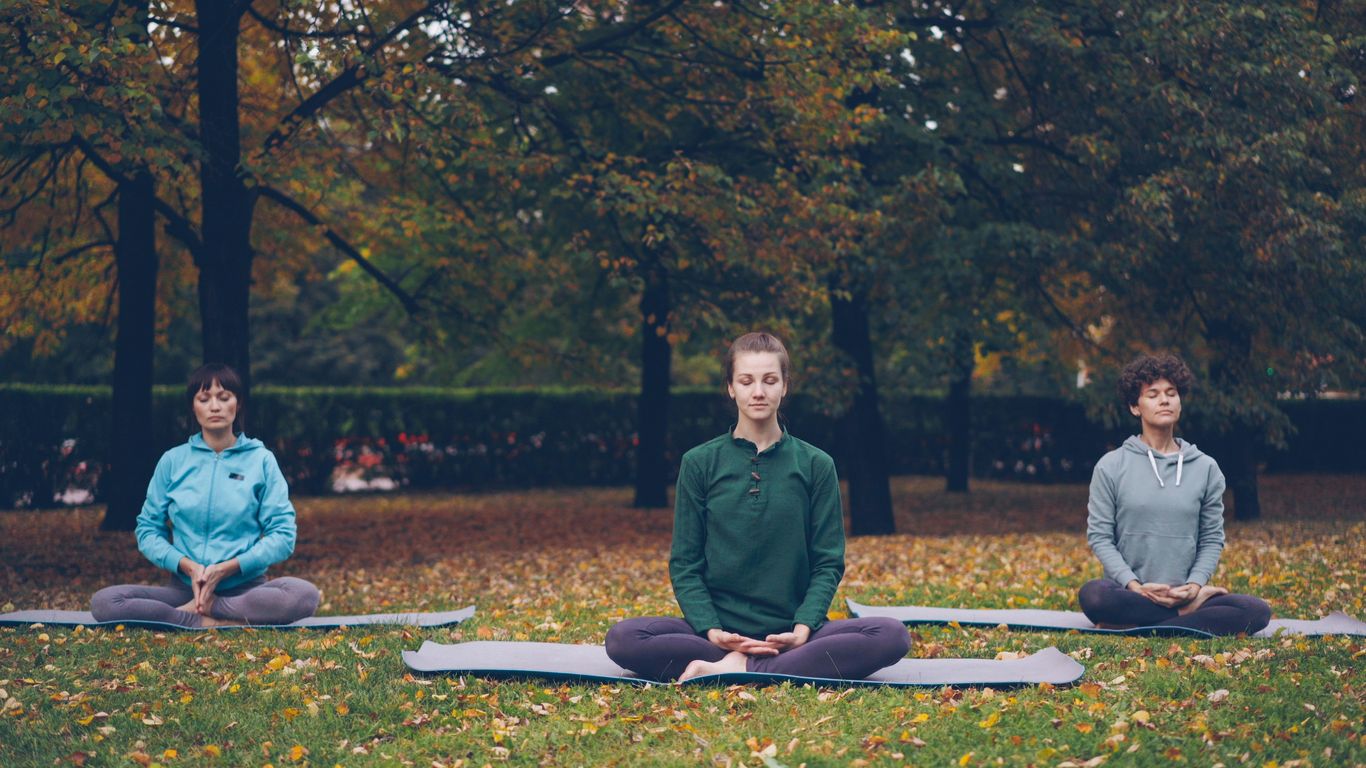
Your breath is a direct line to your nervous system. When you're feeling overwhelmed, your breathing often gets short and shallow. Yoga teaches us to intentionally slow down and deepen our breath, sending a signal to your body that it's okay to relax. It's like having a built-in remote control for stress.
Diaphragmatic Breathing Techniques
This is all about breathing into your belly, not just your chest. It's how babies breathe naturally. To try it, lie down or sit comfortably. Place one hand on your belly and the other on your chest. As you inhale through your nose, feel your belly rise. When you exhale, let your belly soften. Try to keep your chest relatively still. This kind of deep breathing helps slow your heart rate and makes you feel more grounded. It's a simple yet powerful way to calm yourself down, and you can practice diaphragmatic breathing anytime, anywhere.
The Power of Longer Exhales
When you exhale for longer than you inhale, you activate your parasympathetic nervous system, which is your body's 'rest and digest' mode. Try this: inhale for a count of four, and then exhale for a count of six or even eight. You'll notice a difference pretty quickly. It tells your brain, "Hey, everything's fine, we can chill out now." This simple shift can make a big impact on how you feel.
Pranayama for Stress Reduction
Pranayama is the yogic term for breath control. There are many different techniques, but a popular one for stress is called Box Breathing. Here's how it works:
- Inhale slowly through your nose for a count of four.
- Hold your breath for a count of four.
- Exhale slowly through your nose for a count of four.
- Hold your breath out for a count of four.
Repeat this cycle for a few minutes. It's a structured way to bring focus to your breath and quiet the mental chatter. Another technique you might find helpful is the 4-7-8 breathing method, which also uses specific counts to promote relaxation.
The breath is a bridge between your body and your mind. By consciously working with your breath, you can influence your emotional state and bring a sense of calm into your day. It's a practice that requires patience and consistency, but the rewards are well worth the effort.
Integrating Mindfulness and Meditation
Beyond the physical movements, weaving mindfulness and meditation into your yoga practice can really boost its stress-busting power. Mindfulness is all about paying attention to what's happening right now, without getting caught up in thoughts about the past or future. It helps you connect more deeply with yourself and the world around you.
Mindful Breathing During Practice
As you move through your yoga poses, try to really focus on your breath. Take slow, intentional breaths in and out. Let your breath be your guide. You can also take a few moments during your day, away from your mat, to just focus on your breath. It's a simple way to ground yourself when things feel a bit chaotic. This practice offers techniques to help you become more present and aware of the world around you, ultimately contributing to a calmer state of mind [4d0e].
Guided Meditation for Clarity
Sometimes, a little guidance can go a long way. Exploring guided meditations can be a great addition to your yoga routine. These sessions can help you cultivate a sense of inner peace and clear out some of the mental clutter that often comes with stress. You can find tons of resources online or through apps that offer meditations specifically designed to help you relax.
Yoga Nidra for Profound Rest
Yoga Nidra, often called "yogic sleep," is a special kind of guided meditation. You usually do it lying down, and it's designed to bring on a state of deep relaxation. It's particularly helpful if you're feeling really worn out or find it hard to sit still for meditation. It can be a powerful tool for unwinding and letting go of tension.
A month-long mindfulness program significantly decreased symptoms of depression, anxiety, and general psychiatric distress. This suggests mindfulness interventions can be effective in improving mental well-being.
Here’s a quick look at how these practices can help:
- Mindful Breathing: Focus on the sensation of air entering and leaving your body. Notice the rise and fall of your chest or belly.
- Body Scan: Bring your attention to different parts of your body, noticing any sensations without judgment. This can help release tension you didn't even know you were holding.
- Present Moment Awareness: Gently bring your attention back to your breath or the sensations in your body whenever your mind wanders.
Establishing a Consistent Yoga Practice
So, you've found some yoga poses that really help you feel more relaxed. That's great! But just doing them once in a while might not give you the lasting calm you're looking for. Making yoga a regular part of your day, even for just a few minutes, can make a big difference. Think of it like watering a plant; a little bit every day keeps it healthy. The real magic happens when you make it a habit.
Starting Small and Building Gradually
If you're new to yoga, or maybe just getting back into it, the idea of a daily hour-long session can feel pretty overwhelming. Don't even worry about that right now. The most important thing is to just get started. Try committing to just 10-15 minutes a few times a week. Seriously, that's it. You can even start with just a few simple stretches or some deep breathing exercises. Small steps can lead to big changes in how you feel. As you get more comfortable, you can slowly increase the time you spend on your mat. It's all about building momentum without feeling like you're being asked to climb Mount Everest.
Creating Your Dedicated Practice Space
Finding a quiet spot in your home where you can practice without interruptions can make a huge difference. It doesn't need to be a fancy studio; even a corner of your bedroom or living room will do. The idea is to create a little sanctuary, a place that signals to your brain that it's time to switch gears and focus inward. Make sure it's somewhere you feel comfortable and can leave your mat out if you want. Having this personal space helps you disconnect from the daily hustle and truly connect with yourself. You can find simple ways to incorporate yoga and breathwork into your existing schedule [037c].
Overcoming Common Obstacles
Life happens, right? Sometimes you're tired, sometimes you're busy, and sometimes you just don't feel like rolling out your mat. That's totally normal. Instead of letting these moments derail you, try to be flexible. If you miss a day, don't beat yourself up. Just get back to it the next day. If you're feeling self-conscious or intimidated by group classes, try practicing at home with online videos or guided meditations, where you can move at your own pace. Props like a yoga block or strap can help modify yoga poses, making them more accessible and comfortable as you build confidence. Remember, consistency is more important than intensity when it comes to stress relief. Even short, regular sessions build up over time. Cultivate a yoga practice that effectively relieves stress by focusing on staying present, listening to your body's signals, and prioritizing mindful breathing. This approach supports overall well-being and stress reduction [d211].
Your body is constantly giving you information. The trick is learning to tune in. What feels good? What feels like too much? Pushing yourself too hard can actually create more tension, which is the opposite of what we want. Instead, aim for a feeling of gentle engagement, not strain. Remember, yoga is about how you feel, not how you look.
Enhancing Your Yoga for Stress Relief Journey
So, you've been practicing yoga for stress relief, and maybe you're starting to feel a difference. That's awesome! But how do you keep that feeling going and make it even better? It's not just about doing the poses; it's about how you approach the whole thing. Think of it like tending a garden – a little consistent care makes all the difference.
Listening to Your Body's Signals
This is probably the most important part of any yoga practice, especially when you're trying to reduce stress. Your body is constantly giving you information. The trick is learning to tune in. What feels good? What feels like too much? Pushing yourself too hard can actually create more tension, which is the opposite of what we want. Instead, aim for a feeling of gentle engagement, not strain. Remember, yoga is about how you feel, not how you look. If a pose feels wrong, back off. There's no shame in modifying or skipping something that doesn't serve you on a particular day. Your breath is like a secret remote control for your nervous system. When you're stressed, your breathing is usually fast and shallow. Yoga teaches you to breathe slowly and deeply, which signals your body that it's safe to relax. Think of it as hitting the 'calm down' button. Learning to pay attention to these subtle cues is a skill that grows with practice, helping you avoid injury and deepen your connection to yourself.
Combining Yoga With Other Calming Techniques
While yoga is a powerhouse for stress relief, sometimes pairing it with other practices can really amplify the calm. Think of it as building a toolkit for well-being. You might find that a short meditation session before or after your yoga practice helps you settle in more deeply. Or perhaps incorporating some simple diaphragmatic breathing techniques into your day, even when you're not on the mat, can provide immediate relief. Some people find that gentle stretching combined with listening to calming music or spending time in nature works wonders. It's all about finding what combinations bring you the most peace.
The Long-Term Benefits of Regular Practice
Sticking with yoga isn't just about feeling good in the moment; it's about building resilience over time. When you practice regularly, you're training your body and mind to handle stress more effectively. You might notice you're less reactive to daily annoyances, sleep better, and generally feel more balanced. It's like building up your internal resources. The physical benefits, like increased flexibility and strength, are great, but the mental and emotional shifts are where the real magic happens for stress relief. You're not just managing stress; you're cultivating a more peaceful inner state that can carry you through life's ups and downs. This consistent effort can lead to a profound shift in your overall outlook and well-being, making everyday challenges feel more manageable. You can explore various yoga techniques for relaxation to see what best suits your needs.
Finding Your Calm, One Breath at a Time
So, we've talked about how stress really messes with us, and how yoga can be a pretty solid way to fight back. It's not about becoming a pretzel or anything; it's really about finding those moments of quiet in your day. Whether it's a few minutes of deep breathing or a gentle stretch, making yoga a regular thing, even a small part of your routine, can make a real difference. Remember to listen to your body, don't push too hard, and just focus on how you feel. Over time, you'll likely notice you're handling things a bit better and feeling more at ease. Keep practicing, and you'll find your own path to a calmer you.
Frequently Asked Questions
Can yoga really help me feel less stressed right away?
Yes, it can! Even a few minutes of slow, deep breathing and gentle movements can help you feel calmer. Focusing on longer exhales is especially good for signaling your body to relax. While a short session offers immediate relief, practicing yoga regularly builds up your ability to handle stress over time.
What are the best yoga poses for stress relief?
Poses that help you feel grounded and open up your back are great. Try Child's Pose for a sense of safety, Standing Forward Fold (with bent knees if needed) to relax your mind, a Supine Twist to release tension, and Legs Up the Wall for deep relaxation. These poses encourage you to pay attention to your body and breath.
I'm not flexible and I'm new to yoga. Can I still do it for stress relief?
Absolutely! Flexibility isn't the main goal here. You can use props like blankets, pillows, or straps to support your body and make poses more comfortable. Keeping your knees slightly bent in forward folds is perfectly fine. The key is to focus on breathing smoothly and moving gently, not on how far you can stretch.
Is yoga safe for everyone?
Yoga is generally safe and beneficial for most people when practiced mindfully. However, if you have certain health conditions like high blood pressure, glaucoma, or significant joint issues, it's a good idea to talk to your doctor first. Modifications might be needed, and it's always important to listen to your body and avoid any pain.
How often should I practice yoga to see stress relief benefits?
Consistency is more important than how long you practice. Even 10 to 15 minutes most days can start to make a difference in how your body and mind react to stress. Regular practice helps release muscle tension and builds a stronger sense of calm over time.
Can I combine yoga with other things to help with stress?
Definitely! Yoga works wonderfully on its own, but pairing it with other calming activities can boost its effects. Try mindful breathing exercises, short meditation sessions, spending time in nature, or journaling after your practice. Finding what else helps you feel peaceful and adding it to your routine can be very effective.


