
Unlock Your Strength: A Deep Dive into CorePower Yoga Workouts
Ever thought about getting stronger and more centered, maybe without leaving your house? That's where yoga core power comes in. It's a way to really work your muscles and your mind, all at the same time. This isn't just about stretching; it's a workout that can leave you feeling both strong and calm. We're going to look at what yoga core power is all about and how you can make it a part of your life.
Key Takeaways
- Yoga core power mixes physical challenges with mental focus, fitting different fitness levels.
- Various class types, like C1, C2, and Sculpt, are made for beginners, those with some experience, and people wanting a really tough workout.
- Practicing yoga core power can help you get stronger, more flexible, and feel less stressed.
- CorePower Yoga provides a community feel and different membership plans, sometimes with student deals or intro offers.
- Showing up regularly is important in yoga core power, as consistent practice builds both physical strength and mental clarity.
What Sets Yoga Core Power Workouts Apart
So, what makes CorePower Yoga different from, say, just rolling out a mat at home? It's a combination of things, really. It’s not just about the poses themselves, but how they’re put together and the environment they happen in.
Blending Strength and Flexibility
CorePower Yoga really leans into this idea of being strong and flexible. You’re not just holding static stretches; you’re moving through sequences that build muscle and endurance while also increasing your range of motion. Think of it like this: you’re working your muscles to get them stronger, but you’re also moving in ways that help them lengthen and become more pliable. This dual focus means you get a workout that’s both challenging for your muscles and good for your overall mobility. It’s a balanced approach that aims to make your body more capable for everyday life. Many people find that this blend helps them feel more agile and less prone to injury. It’s a practice that’s designed to build a resilient body.
The Role of Heat and Intensity
One of the most noticeable things about CorePower is the heat. Most classes are held in a room that’s around 90 degrees Fahrenheit. This isn't just for show; the heat helps your muscles relax and warm up faster, allowing for deeper stretches and a more intense workout. It also makes you sweat, which many people find to be a great way to detoxify. The intensity comes from the dynamic nature of the flows. You’re moving constantly, transitioning from one pose to the next with minimal rest. This keeps your heart rate up and really works your cardiovascular system, alongside your muscles. It’s a serious sweat session, but it feels productive.
Building a Supportive Community
Beyond the physical aspects, CorePower Yoga puts a big emphasis on community. Walking into a studio, you’ll often find a welcoming atmosphere. The instructors are trained not just in yoga, but in creating an inclusive space. They encourage you to listen to your body and modify poses as needed, making it accessible for different fitness levels. It’s common to see people chatting before and after class, forming connections. This sense of belonging can be a big motivator to keep coming back. It’s more than just a workout; it’s a place where people come together to support each other’s journeys. This focus on connection is a big part of why [CorePower Yoga] has such a dedicated following.
The combination of a challenging physical practice, the invigorating heat, and a strong sense of community creates a unique experience that goes beyond a typical workout. It’s designed to push your limits while also making you feel supported and connected.
Exploring Yoga Core Power Class Styles
CorePower Yoga isn't just one thing; it's a whole spectrum of classes designed to meet you where you are. Think of it like having different settings on a machine – you can choose what fits your energy and goals for the day. They've really thought about how to guide you from just starting out to really pushing your limits.
Foundational Flow: C1 Classes
If you're new to this kind of yoga, or maybe just want to really get the basics down, C1 is your starting point. The pace is slower here, which is good because it gives you and the instructor time to focus on how you're holding the poses and making sure you're doing them right. It's all about learning the poses, understanding your body's signals, and getting comfortable with the flow. This class is perfect for building a solid foundation. You'll learn the names of poses and how to breathe with your movements, setting you up for success in other classes.
Stepping Up in C2 Sessions
Once you feel good about the basics from C1, C2 is the next logical step. The energy picks up here. You'll still get that signature heat and focus on core strength, but the sequences move faster. You'll likely hold poses for a bit less time, and the instructor will assume you know your way around the mat a little better. It’s a great way to build your stamina and get your heart pumping. Many people find [this class] helps them build endurance.
Sculpt Your Strength with Yoga Sculpt
Ready to really sweat and build some muscle? Yoga Sculpt is where things get intense. It takes the dynamic flow of a C2 class and adds weights and strength exercises. You'll be moving through yoga poses while also doing things like bicep curls, squats, and lunges, often with dumbbells in hand. It's a full-body workout that will definitely challenge you and leave you feeling accomplished. It’s a fantastic option if you’re looking for a high-intensity workout that still incorporates the mindful movement of yoga.
Hot Power Fusion and Specialized Offerings
Beyond the core classes, CorePower Yoga offers other styles too. Hot Power Fusion, for example, mixes elements of Hot Yoga and Power Yoga for a really invigorating session. They also have classes like CoreRestore for when you need to slow down and focus on deep stretching and recovery. It's good to know there are options for different needs and preferences. You might even find special workshops that focus on specific poses or aspects of your practice, which can be a great way to deepen your connection to the yoga.
Building Functional Strength Through Yoga Core Power
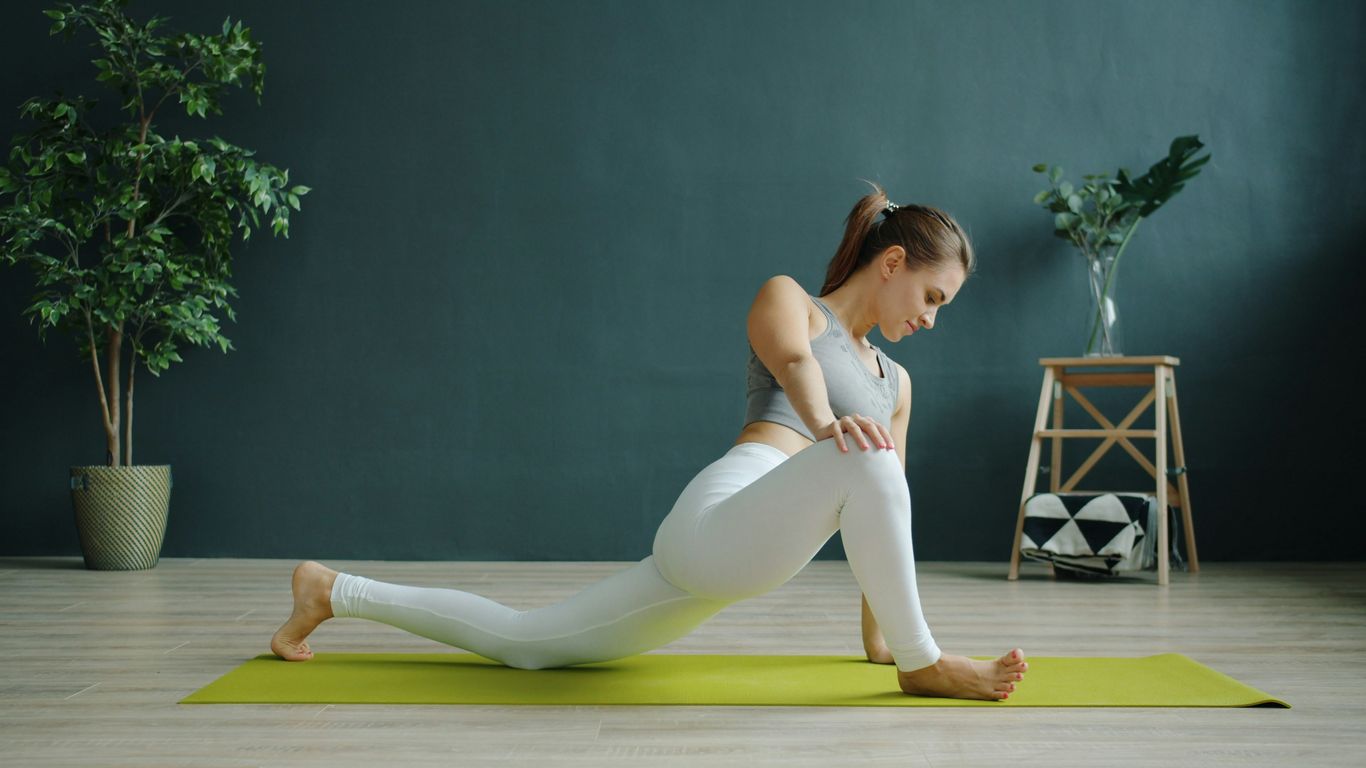
You know, sometimes you think about getting stronger, but the idea of lifting heavy weights just isn't your thing. That's where this kind of yoga really shines. It's all about using your own body to build strength that actually helps you out in your day-to-day life. Think about carrying groceries, playing with kids, or just standing up straighter – this practice helps with all of that.
Engaging the Core for Stability
Your core is way more than just your abs. It's a whole network of muscles in your midsection and back that work together to keep you steady. This yoga style teaches you how to really connect with and use these muscles. When your core is strong and stable, you move better and protect your back. It's like having a solid base for everything you do.
- Draw your navel towards your spine: This simple action activates deep abdominal muscles.
- Engage your glutes: This helps stabilize your pelvis and lower back.
- Maintain a neutral spine: Avoid overarching or rounding your back, especially in poses.
Full-Body Poses for Real-World Strength
Every pose is designed to work multiple muscles at once, mimicking how we move outside of class. Take Warrior II, for example. Your legs are working hard, your arms are extended, and your core is constantly engaged to keep your torso upright and balanced. It’s this kind of integrated movement that builds strength you can actually feel when you’re just walking around or reaching for something.
Here’s a quick look at how some common poses build functional strength:
| Pose | Primary Muscles Worked | Functional Benefit |
|---|---|---|
| Plank | Core (abs, back), shoulders, arms | Improves posture, shoulder stability |
| Boat Pose | Core (abs, hip flexors) | Strengthens core for sitting and standing upright |
| Chair Pose | Legs (quads, glutes), core | Builds leg strength for walking, climbing stairs |
| Warrior Poses | Legs, core, shoulders | Enhances balance, stability, and leg endurance |
This practice isn't about brute force; it's about intelligent movement. You learn to recruit the right muscles at the right time, creating a more efficient and resilient body. It's a workout that leaves you feeling capable and grounded.
Using Props for Deeper Muscle Activation
Props aren't just for beginners. Blocks, straps, and even blankets can help you get more out of each pose. They can help you find better alignment, hold a pose longer, or access muscles you might otherwise miss. For instance, using a block under your hand in Triangle Pose can help you maintain length in your side body while still engaging your core. It’s a smart way to modify and deepen your practice, making sure you’re getting the most bang for your buck from every movement. You can find some great yoga props to help you along the way.
Maximizing Benefits in Every Practice
Showing up is half the battle, but getting the most out of your time on the mat takes a little thought. It's about being smart with your effort and knowing how to structure your sessions for real progress. Think of it like any skill – consistent, focused practice leads to better results.
Structuring Your Session for Results
Having a plan, whether you're in a studio class or rolling out your mat at home, can really make a difference. It helps you move with purpose. A good structure often looks something like this:
- Warm-up (5-10 minutes): Start with gentle movements to get your body ready. Think simple stretches like cat-cow or easy twists.
- Dynamic Flow (20-30 minutes): This is where you link your breath to your movements. A common sequence might involve moving from Downward Dog to Warrior I, then to a plank or Chaturanga, and back to Downward Dog. Repeating this a few times builds heat and stamina.
- Cool Down (5-10 minutes): Wind down with poses like Child's Pose or Savasana to let your body relax and recover.
Consistency as the Key to Progress
This is probably the most important piece of advice: just keep showing up. Building strength, flexibility, and that sense of inner calm doesn't happen overnight. It's a gradual process. Think of it like building any skill. The more you practice, the more your body and mind adapt. Even on days when you don't feel like it, a short practice is better than no practice at all. Regular effort, even small amounts, leads to significant long-term gains. It's better to have a shorter, regular practice than one long, infrequent session.
Incorporating Special Workshops and Events
CorePower Yoga studios often have more than just the regular scheduled classes. Keep an eye out for special workshops. These are like mini-masterclasses that zoom in on specific poses, alignment, or even parts of your yoga journey. Going to these can really help you get a better feel for what you're supposed to be doing and why. It's also a good idea to check the studio's schedule for guest instructors who might bring a fresh perspective. These focused sessions can really help you understand the science behind yoga and how it impacts your body and mind. And yes, the retail shop. While it's tempting to grab the latest leggings, sometimes a new, grippy mat or a comfortable top can be just the motivation you need to get on your mat more often. You might also find useful tools like yoga blocks and straps that can help you get more from your poses.
Mindful Movement: Beyond Physical Strength
It's easy to get caught up in the physical challenge of CorePower Yoga, but there's a whole other layer to it: the mental side. This practice gives you a real chance to step away from the daily grind and just focus on what's happening right now, with your breath and your body. It’s like hitting a reset button for your brain.
Cultivating Mental Focus on the Mat
When you're really concentrating on holding a challenging pose or coordinating your breath with a movement, there's not much room left for worrying about that email you forgot to send or what's for dinner. This intense focus naturally pushes aside distractions. Over time, practicing this kind of present-moment awareness can spill over into your everyday life. You might find yourself less easily flustered and better able to concentrate on tasks, even when things get hectic. It's a workout for your brain's attention muscles.
Finding Inner Calm and Centering
After a good CorePower Yoga session, there's often this feeling of quietude that settles in. It's more than just physical relaxation; it's a mental calm. You might feel more centered, like you've reconnected with yourself. This sense of inner peace isn't just a fleeting post-class feeling. Regularly showing up on your mat and engaging with your breath and body can help build a more resilient and peaceful state of mind. It's a way to find your center, even when life feels a bit chaotic.
Setting Intentions for Deeper Connection
At the heart of any yoga practice, including CorePower Yoga, is the breath. You'll hear instructors constantly reminding you to connect with your inhales and exhales. This isn't just busywork; it's about using your breath as an anchor. When your mind starts to wander – and trust me, it will – bringing your attention back to your breath is a simple yet effective way to ground yourself. Paying attention to how your body feels in each pose, noticing sensations without judgment, also builds this mind-body connection. It’s about being present, not just going through the motions.
- Anchor with Your Breath: Use your inhale and exhale as a constant point of return.
- Observe Sensations: Notice how your body feels in each pose without judgment.
- Embrace the Present: Let go of past worries and future anxieties to fully inhabit the moment.
The practice encourages a non-judgmental awareness of your physical and mental state, allowing for a more profound connection with yourself. This mindful approach transforms the physical workout into a holistic experience.
Unlocking Your Yoga Core Power Journey at Home and In Studio
So, you're hooked on CorePower Yoga and ready to make it a regular part of your life. That's awesome! The great news is, you've got options. Whether you love the energy of a group class or prefer the quiet of your own space, there's a way to keep that practice going strong.
At-Home Practice Essentials
Setting up for yoga at home is simpler than you might think. You don't need a fancy studio, just a little space and a few key items. Having the right gear can make a big difference in comfort and safety.
- Mat: A good yoga mat is non-negotiable. Look for one with decent grip to keep you from sliding, especially when you start to sweat. Thickness can be a personal preference, but something around 1/4 inch usually works well for most people.
- Comfortable Clothing: Wear anything that lets you move freely without restriction. Think stretchy fabrics that wick away moisture.
- Water Bottle: Staying hydrated is important, especially during more intense sessions.
- Optional Props: Blocks and a strap can be super helpful for modifying poses or getting deeper into stretches. Don't worry if you don't have them right away; you can often use household items like sturdy books or a belt.
When practicing at home, remember to create a dedicated space if possible. Even a small corner can become your sanctuary. Put on some calming music or just enjoy the quiet. It's all about making the practice work for you.
Advantages of Studio Classes
There's a special kind of energy you get from practicing in a studio. Being around other people who are all working towards similar goals can be really motivating. You get direct feedback from instructors who can help you with your alignment and offer modifications you might not think of on your own. Plus, the structured environment means you can just show up and focus on your practice without distractions.
CorePower Yoga has over 220 studios nationwide, so chances are there's one near you [11c2]. This makes it convenient to find a class that fits your schedule.
Making the Most of Membership Options
To really build consistency, think about how you'll access classes. CorePower Yoga offers different membership plans, and choosing the right one can help you stick with it.
| Membership Type | Best For |
|---|---|
| Unlimited Monthly | Frequent practitioners, maximum flexibility |
| Class Packs | Those who can't commit to monthly |
| Introductory Offers | New students trying out the studio |
Don't be afraid to talk to the studio staff about what plan makes the most sense for your budget and how often you plan to attend. They can help you figure out the best way to get the most value.
Whether you're rolling out your mat at home or heading to a studio, the most important thing is to just keep showing up. Your body and mind will thank you for it.
Keep Moving Forward
So, that's the rundown on Power Core Yoga. It's a workout that really gets you moving, building strength in your body and a bit of calm in your head. Whether you're just starting out or you've been doing yoga for a while, there's a class for you. Remember, showing up regularly is the main thing. It's not about being perfect, it's about making the time for yourself and seeing what your body and mind can do. Keep practicing, and you'll likely find yourself feeling stronger, more flexible, and just generally more put together, both on and off the mat.
Frequently Asked Questions
What exactly is Power Core Yoga?
Power Core Yoga is a type of yoga that combines tough physical poses with a focus on building strength, especially in your core. It's more than just stretching; it's a workout that makes you move and build muscle while also helping you focus your mind. Think of it as a way to get strong and calm at the same time.
Are there different types of Power Core Yoga classes?
Yes, there are! Classes like C1 are great for beginners to learn the basics. C2 classes are a bit faster and more challenging. Then there's Yoga Sculpt, which adds weights and exercises to really amp up the workout. There are also special classes that might focus on different things or be extra hot.
How does Power Core Yoga help build strength?
It builds strength by making you use your own body weight in challenging poses. It really focuses on your core muscles, which are super important for stability and everyday movements. You'll work muscles all over your body in ways that help you move better outside of class.
Is Power Core Yoga good for reducing stress?
Definitely! While the workouts can be intense, focusing on your breath and body in each pose helps calm your mind. It's like a break from everyday worries. Practicing regularly can help you feel more peaceful and less stressed, even when life gets busy.
Can I do Power Core Yoga at home?
You sure can! While studios offer a great environment and community, you can definitely practice at home. You might need a yoga mat, and maybe some simple props like blocks or straps depending on the class. Many studios also offer online classes or apps to guide you.
How often should I practice Power Core Yoga?
Consistency is key! Showing up regularly, even if it's just a few times a week, will help you see the best results. It helps build both physical strength and mental focus over time. Don't worry about being perfect; just focus on showing up and doing your best each time.


