

Yogitoes yoga mat towel: how to choose, use, and care for it
Key Takeaways
A yoga mat towel can add a washable, absorbent layer to your practice, especially when sweat makes your mat feel slick. A good fit and a little care help keep it useful from class to class.
- Compare the towel’s dimensions with your mat before buying.
- A towel may be most helpful when sweat affects your grip or comfort.
- Lay it flat and adjust its edges before moving into poses.
- Follow the care label, and avoid fabric softeners that can affect the surface.
- Let the towel dry fully before storing it.
What the Yogitoes yoga mat towel is designed for
A yoga towel sits on top of a mat, creating a separate surface that can absorb sweat during practice. The Yogitoes yoga mat towel is described as lightweight, absorbent, and quick drying, with silicone nubs intended to grip the mat. That combination can be useful when a regular mat feels damp or slippery, though it is still worth checking how a towel works with your own setup.
How a yoga towel differs from a standard mat
A mat provides the base beneath your practice; a towel is a removable layer that goes over it. That distinction matters if you want something you can wash after class or pack separately from a mat. A towel may also be used directly on the floor, but it does not necessarily offer the same cushioning as a mat.
Why extra grip can help during sweaty practice
Sweat can change how a surface feels beneath your hands and feet. The Yogitoes towel uses silicone nubs to grip a mat, and its product information describes it as designed to help prevent slipping. For more context on the accessory’s role in heated sessions, see this guide to a hot yoga towel. The practical goal is a surface that feels secure enough for your movements, not a promise that every mat-and-towel pairing will behave the same way.
When a towel may be useful beyond hot yoga
A towel can be handy whenever you want an absorbent layer between yourself and a mat, including a busy studio session or a practice away from home. The Yogitoes product information also describes the towel as suitable for uses such as the gym, Pilates, the beach, or travel. Consider those settings as possibilities rather than assuming a yoga towel replaces every other piece of gear.
How to choose the right towel for your practice
Start with the mat you already use and the conditions in which you practice. A full-length towel gives more coverage, while a smaller one may be enough if you mainly want a layer beneath your hands or feet. The product listing for Yogitoes® Yoga Mat Towel describes it as available in Standard and Long sizes; check the current product details for the exact options before choosing.
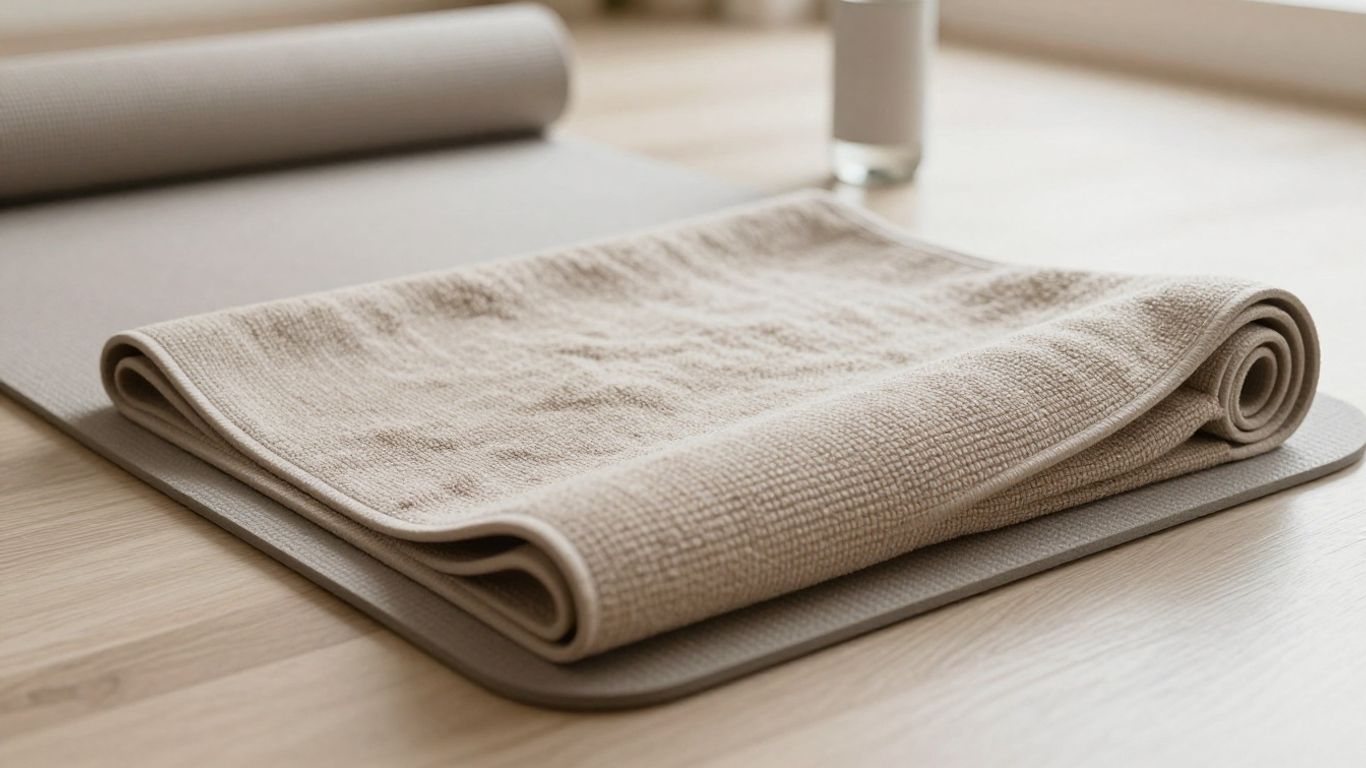
Check the towel’s dimensions against your mat
Measure your mat, then compare its length and width with the towel’s listed dimensions. Published Yogitoes product information includes examples such as a Standard towel at 24 by 71 inches and a Long towel at 24 by 79 inches; sizing can vary by listing, so use the dimensions shown for the specific towel you are considering. This quick comparison helps you see whether the towel will cover the mat or leave edges exposed.
| Option listed | Example dimensions | Consider it when |
|---|---|---|
| Standard | 24 × 71 inches | Your mat is close to standard length |
| Long | 24 × 79 inches | You want more length coverage |
| Hand towel | 16 × 41 inches | You need a smaller area of coverage |
These examples are a starting point, not a universal sizing chart. Compare the numbers with your own mat and think about whether a little exposed mat at the edges would bother you during practice.
Consider fabric feel, weight, and coverage
A towel should feel comfortable under your hands and feet, and its weight matters if you carry it to class or pack it for a trip. Product information describes the Yogitoes towel as lightweight, absorbent, and quick drying, while the right feel is personal. If you are weighing towel materials and formats more generally, this yoga mat towel guide offers another set of selection factors to consider.
Compare colors and patterns for everyday use
A color or print will not change how a towel fits, but it can make the item easier to recognize in a shared class or more pleasant to use regularly. Consider whether you wear light clothing or practice on a light-colored mat, especially with a new, darker towel: product care information advises caution because some dye loss may continue after initial separate washes. Pick the design you like, then give practical details such as fit and washing equal weight.
How to set up the towel on your mat
A few small adjustments at the start can make a towel less distracting once class begins. Lay it out on a clean, flat mat and check that it reaches the areas where you expect to place your hands and feet. The dots or textured side should face the mat when following the product’s use directions.
Position the towel before your practice begins
Place the towel on top of the mat and smooth it from the center toward the edges. Check that it is not bunched beneath your hands or feet, then take a moment to test the surface with a few gentle shifts of weight. Starting with a dry towel is one option; some practitioners prefer to dampen areas beneath the hands and feet first.
Use a slightly damp surface if the towel shifts
If the towel moves on your mat, first pause and smooth it flat again. Product use directions note that some practitioners slightly dampen the areas under their hands and feet before starting. Try a small amount of water in those spots rather than soaking the whole towel, and see whether that feels more stable for your setup.
Adjust the corners and edges as you move
Small changes in position can happen as you transition between poses, so notice the towel’s edges when you reset. A simple setup sequence can keep adjustments brief:
- Smooth the towel from the center outward.
- Align its upper edge with the top of the mat.
- Check the corners before placing weight on them.
- Reposition the towel during a pause if it bunches.
Then return your attention to the practice rather than repeatedly tugging at the fabric. If the towel keeps shifting, reassess its size and how it sits on your particular mat.
How to use it across different yoga styles
How useful a towel feels depends on the amount of sweat, the pace of class, and how much of your mat you want covered. In a heated session, the absorbent surface may matter more; in a slower class, a regular mat may already feel comfortable. Think of the towel as an optional layer you can use in full or in part.
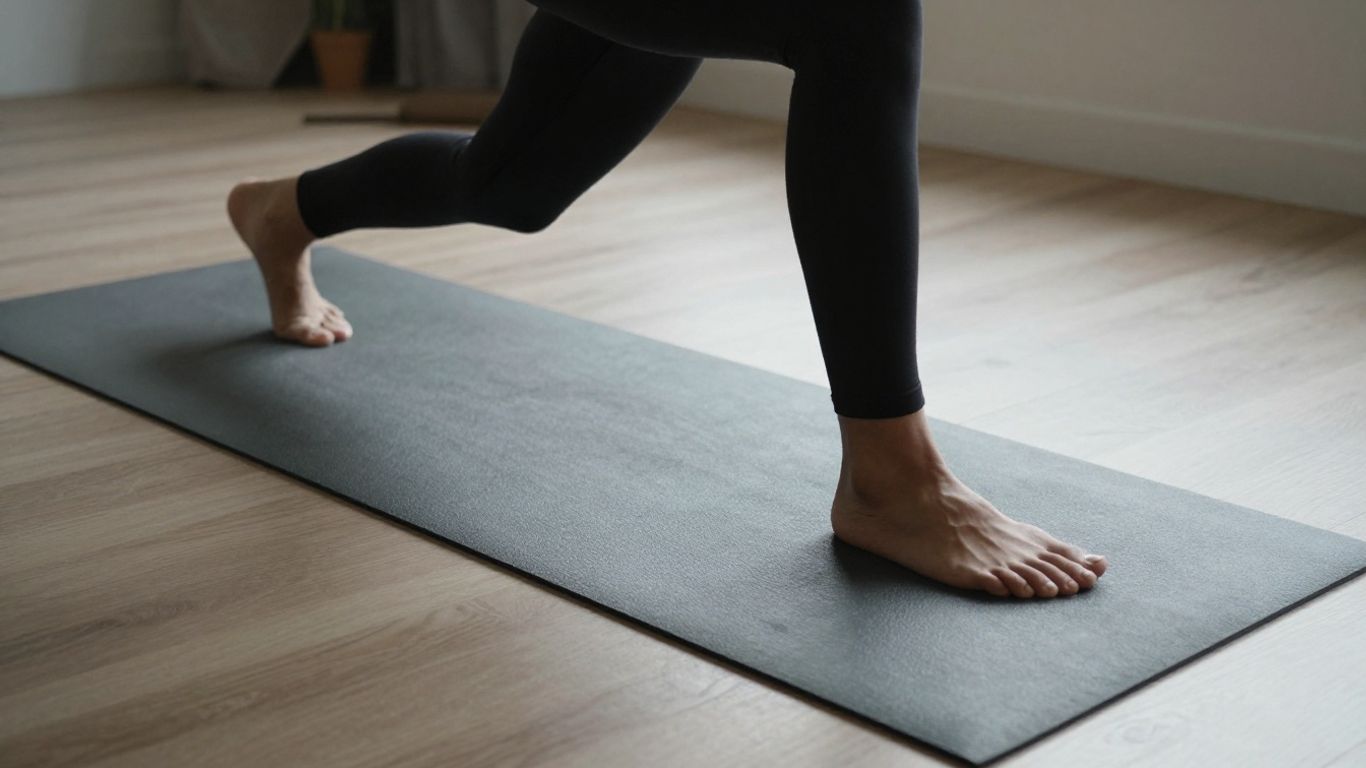
Keep traction in mind during hot yoga
In a warm, sweaty class, an absorbent towel can help manage moisture at the mat surface. The Yogitoes® Yoga Mat Towel is described as ultra-absorbent and designed with silicone nubs that grip the mat. Follow the product’s use directions and take time to see how the towel feels as your practice becomes more active; grip can depend on the mat and conditions around it.
A related overview of mat towel features can help clarify what to look for in a towel generally, including coverage and the way it sits on a mat. Use that information to guide your choice, then test your own setup at a comfortable pace.
Decide whether you need a towel for slower classes
For a slower or less sweaty practice, you may not need a full mat towel every time. Some people prefer the familiar feel of a bare mat; others like having a washable layer available. Try a few sessions with and without the towel and notice whether it adds comfort or simply becomes another item to carry.
Use targeted coverage for hands or high-sweat areas
If you do not need full coverage, a smaller towel can be easier to position and pack. Product listings include a hand towel size, while a full-length towel covers more of the mat. Choosing based on where you want the absorbent layer can prevent carrying more fabric than you need.
How to wash and care for your towel
Care instructions matter because washing can affect both the fabric and its feel. Check the label that comes with your towel, and separate a new, darker-colored towel if its directions recommend doing so. After practice, avoid sealing a damp towel away with your mat; give it a chance to dry fully.
Follow the care label for washing and drying
Product care information for Yogitoes says to machine wash cold with like colors and tumble dry on low or hang to dry. It also advises against bleach. Since instructions can vary by product or change over time, the care label that arrives with your towel should take priority.
Avoid residue that can affect the towel’s feel
Fabric softener, dryer sheets, or detergent that contains softener can leave residue on some towel surfaces. The Yogitoes care information warns that these products can make the towel slick. Use a suitable detergent without softener and follow the care label, so the surface remains as intended.
Store it fully dry between practices
After washing or class, hang the towel until it is fully dry before folding or packing it. Avoid rolling a damp towel up with your mat, since trapped moisture can leave both items unpleasant to use. A breathable storage spot makes it easier to grab the towel for the next session without checking whether it is still wet.
What to consider before buying
A towel is useful when its practical benefits match your routine, but it is not essential for every practitioner. Consider how often you sweat, whether you already like the feel of your mat, and how much laundry you want to add to your week. A little planning before buying can keep a convenient accessory from becoming something that stays in a drawer.
Weigh the benefits against using a regular mat
A mat alone may be enough for a practice that stays comfortable and dry. A towel adds an absorbent, removable layer that can be washed separately, but it also needs to be carried, dried, and stored. Decide which of those trade-offs matters most in your usual class or travel routine.
Check compatibility with your preferred mat
Compare the towel’s dimensions with your mat, and consider whether the two surfaces sit together comfortably. If possible, try the towel on the kind of mat you use most often; product descriptions cannot tell you exactly how every pair will feel. For a broader look at options, you can also review a guide to yoga towel sizing and care.
Think about maintenance and how often you practice
Frequent practice may make an easily washable layer worthwhile, while an occasional class may not call for another item to maintain. Think about whether you can wash and dry the towel between sessions and whether it fits into your regular bag. Travel planning can involve other practical details too, such as ryokan etiquette; building a regular routine may bring up questions of online study motivation, while separate projects might involve wedding terms, Miami condo choices, or home studio acoustics. For the towel itself, let your practice frequency and care habits make the decision.
Conclusion
A yoga mat towel is a simple extra layer, and whether it earns a place in your routine comes down to coverage, comfort, and care. Match the size to your mat, set it up thoughtfully, and follow its care label so it is ready when you want an absorbent surface for practice.
Frequently Asked Questions
Does a yoga mat towel replace a yoga mat?
Usually, a towel is used on top of a mat as an absorbent layer. Some product directions allow placement directly on the floor, but a towel may not provide the cushioning of a mat.
Should a yoga towel cover the whole mat?
That depends on your practice and preference. A full-size towel offers more coverage, while a smaller towel may suit a targeted area such as beneath your hands.
Can I use a yoga towel when I am not doing hot yoga?
Yes, a towel can be useful whenever you want an absorbent layer, though it may be unnecessary in a slower, less sweaty class. Consider what feels comfortable in your own practice.
Should I dampen a yoga towel before using it?
Some practitioners prefer to dampen the areas beneath their hands and feet, while others begin with a dry towel. If the towel shifts, try a small amount of water and see how it feels on your mat.
How should I wash a yoga towel?
Follow the care label on your specific towel. Some care instructions recommend a cold wash with like colors and low tumble drying or hanging to dry.
Can fabric softener affect a yoga towel?
It can leave residue that changes the feel of some towel surfaces. Check the care directions and avoid fabric softener if the product instructions advise against it.
How should I store a yoga towel after practice?
Let it dry fully before folding or packing it. Keeping a damp towel rolled up with a mat can trap moisture and make both items unpleasant to use.


