

Manduka PRO Yoga Mat Review: Features, Benefits, and Buying Tips
Key Takeaways
The Manduka PRO is a dense, 6mm mat built around cushioning, stability, and long-term use. Whether it suits you depends just as much on your practice and how you get to class as on its features.
- Its high-density construction provides cushioning and a floor-like sense of stability.
- A 6mm mat may feel reassuring for floor work, though thickness alone does not determine comfort.
- New-mat grip can take some getting used to; follow care guidance rather than using harsh treatments.
- Standard, short, and long sizes offer different amounts of practice space.
- Weight, price, and portability matter alongside durability when choosing a mat.
What to know about the Manduka PRO yoga mat
A yoga mat is a practical piece of equipment: it defines your space, cushions contact with the floor, and needs to suit the way you actually practice. The PRO is described as a premium, high-density mat with a 6mm thickness, floor-like stability, and an easy-to-clean surface. Those qualities point toward a substantial home or studio mat rather than a minimal travel option. For current product details, consult the published mat range and check the specific size and color available before ordering.
Who the mat is designed for
A dense mat may appeal to people who practice regularly in one place and value a steady surface underfoot. The extra substance can be welcome during seated poses and transitions, though personal comfort varies with body, flooring, and preferred style. If you carry your gear on a commute or pack it for trips, consider whether a substantial mat is convenient enough for your routine. The best choice is the one you will use consistently, not simply the one with the longest feature list.
Materials, thickness, and construction
The stated 6mm thickness and high-density construction are useful starting points when evaluating this mat. Thickness describes depth, while density affects how a surface responds under pressure; neither measurement alone tells you exactly how it will feel. The product is also described as having a hygienic, easy-to-clean surface, a useful practical consideration for frequent practice. Look over the 6mm product specifications to confirm the details for the version you are considering.
Available sizes and color options
Size affects how freely you can extend your arms and legs, and whether the mat fits your available floor space. The listed options include a standard 71-inch size, a short 68-inch size, and a long 85-inch size. Several color choices are offered, though availability can change. Measure your practice area and compare it with your own height and preferred range of movement before settling on a size.
| Option | Listed length | A practical question to ask |
|---|---|---|
| Short | 68 in (173 cm) | Will it give you enough room for your usual poses? |
| Standard | 71 in (180 cm) | Does it fit your body and practice space? |
| Long | 85 in (215 cm) | Do you have room to store and use the added length? |
These measurements make the choice easier to picture, but a few inches can feel different depending on your sequence and how much you move around. If you practice in a studio, consider the available floor area as well as the space you want for yourself.
How the mat performs during practice
The value of a mat becomes clearer in motion than in a product description. A 6mm, high-density design is presented as offering cushioning alongside floor-like stability, so the experience is intended to balance comfort with a grounded feel. Surface grip is a separate consideration, particularly for poses that ask you to hold your position. Think about the kinds of sessions you do most often and how the floor beneath your mat affects the feel.
Cushioning for knees and joints
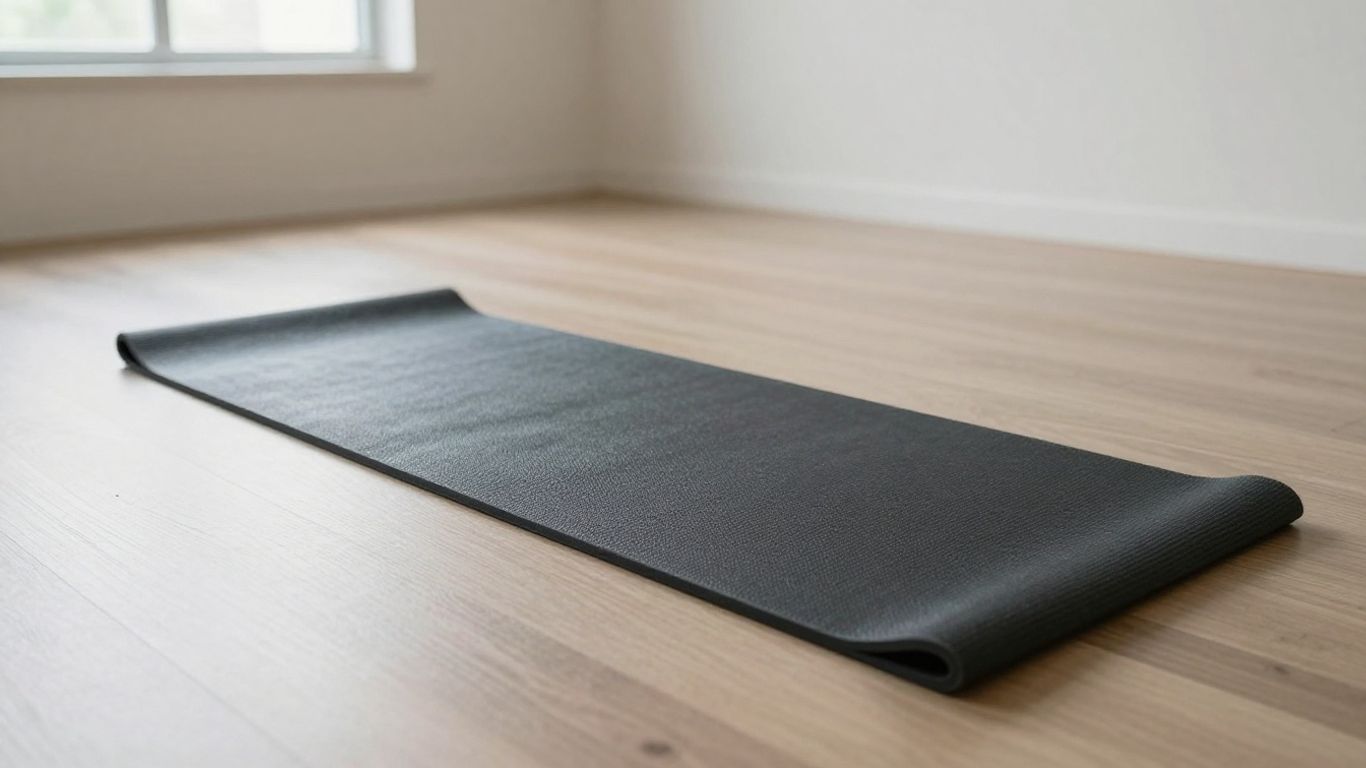
A 6mm surface gives you a noticeable layer between your body and the floor, which can make kneeling or seated practice feel more comfortable for some people. The high-density construction is intended to provide cushioning without losing a stable feel. Still, comfort is personal: a mat that feels supportive to one person may seem firm to another. If you have particular comfort needs, try a similar thickness before committing when possible.
Stability in standing and balance poses
The product description characterizes the mat's stability as floor-like, a useful point for practitioners who do not want an overly yielding surface beneath standing poses. Stability is not the same as grip, though. Your balance, the floor beneath the mat, and the way the mat sits on that floor can all shape how secure a pose feels. Set it on a clean, even surface and notice whether it stays in place through transitions.
Grip during dry and sweaty sessions
Grip can feel different from one session to the next, especially when hands or feet become damp. A mat description cannot promise the same traction for every person or condition, so think about your own practice rather than assuming one surface suits every style. If you often practice in warm or sweaty conditions, a towel can be a practical extra layer to consider. For a wider look at surface choices, see this guide to non-slip yoga mats.
Getting the Manduka PRO ready to use
A new mat may not feel exactly like one that has already seen regular practice. Surface feel varies, and there is no single break-in method that suits every mat or household. Start with the care instructions supplied with your mat, then give yourself time to learn how it behaves in your usual poses. Avoid treating a new surface aggressively just to make it feel different overnight.
Why the surface may feel slick at first
Some practitioners notice that a new mat feels smoother than expected, while others adapt to its surface without much thought. That first impression can depend on the mat, the room, and whether hands or feet are dry. Rather than assume a problem, test the surface with a few familiar poses and pay attention to where slipping occurs. If the feel remains uncomfortable, consult the maker's care guidance before trying a treatment.
Safe ways to improve grip over time
A careful routine is more useful than a harsh shortcut. Keep the surface clean according to its instructions, allow it to dry fully after cleaning, and use a yoga towel if moisture is part of your practice. A simple sequence can help you assess the change without damaging the mat:
- Begin with a short practice in familiar poses.
- Notice whether slipping happens when the surface is dry or damp.
- Clean the mat only as directed by its care instructions.
- Reassess the feel after it has dried completely.
This keeps the process measured and helps you distinguish between a surface issue and a change in conditions. If a specific method is not approved in the care instructions, skip it rather than experimenting on the mat.
What to avoid when breaking in the mat
Abrasive scrubbing, strong cleaning chemicals, and unverified treatments can affect a mat's surface, so do not use them as a quick fix. Avoid leaving a damp mat folded or rolled for long periods, and do not assume that a method suitable for one material is safe for another. When in doubt, use the manufacturer's instructions or contact the seller for guidance. Taking a cautious approach is less dramatic, but it protects your options.
Cleaning and caring for the mat
Regular care can help keep a practice surface pleasant to use, and the product description identifies this mat as easy to clean. That is a helpful starting point, not a reason to use every household cleaner at hand. Check the current care instructions for approved products and methods, especially before trying to remove a stubborn mark. A little attention after practice is usually simpler than letting residue build up.
Routine cleaning after practice
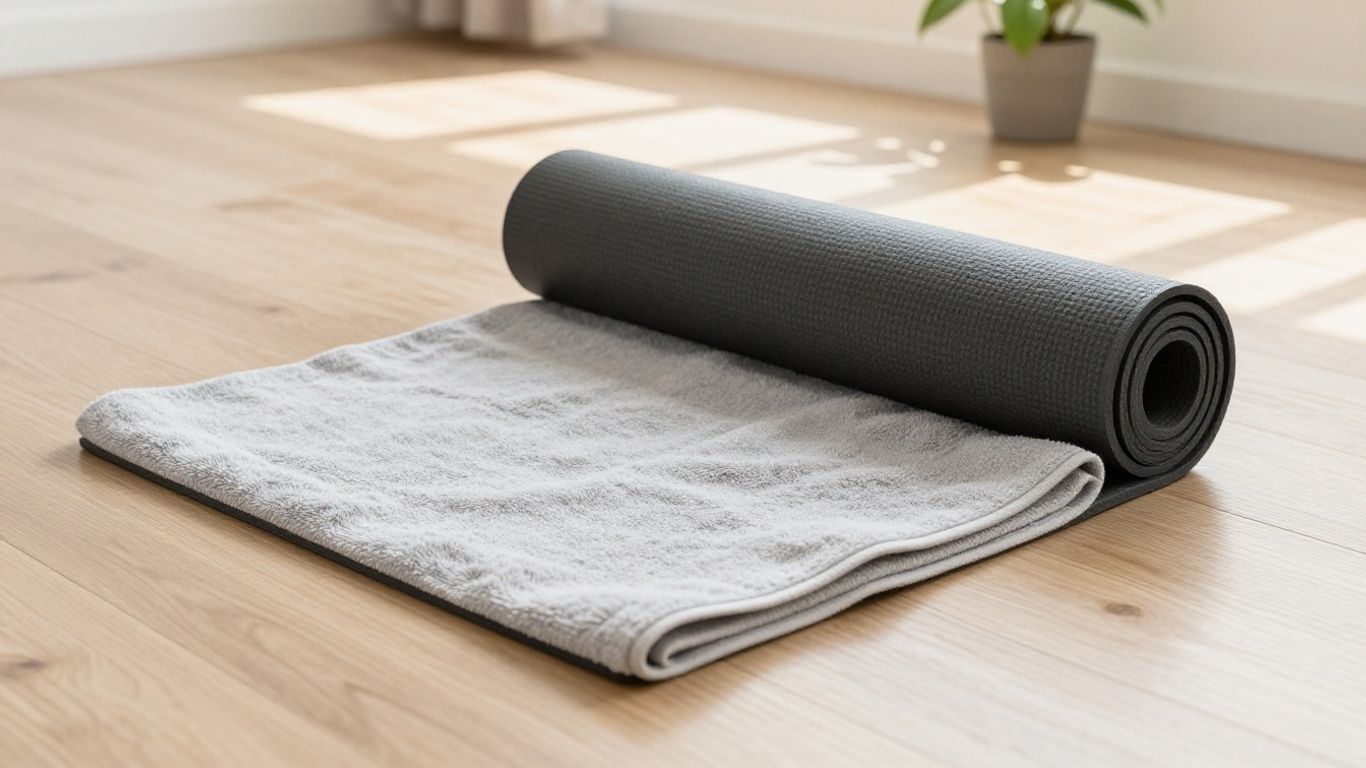
After practice, follow the product's stated cleaning guidance and allow the mat to dry before storing it. A clean, soft cloth and a mild approach are sensible only if the care instructions permit them; avoid treating that as a universal rule for all mat materials. Wipe away visible residue promptly, then leave the surface in a well-ventilated place until dry. This small habit keeps cleanup from becoming a bigger chore.
Removing odors and stubborn residue
If an odor or mark lingers, first consider what caused it and whether the mat is fully dry. Use only a cleaning method recommended for the product, and test any approved solution on a small, inconspicuous area if the instructions allow. Do not mask odors with fragrance or reach for a strong solvent without confirmation that it is safe. Persistent residue is a good reason to seek product-specific advice rather than scrub harder.
Storing and transporting the mat
A thick, substantial mat may be less convenient to carry than a thin, foldable option, so think about where it will live between sessions. Keep it clean and dry before rolling it, and store it away from conditions that could damage the surface. If you travel to practice, check whether carrying it feels manageable alongside your other gear. A mat that fits your routine is more likely to earn a regular place in it.
Comparing the Manduka PRO with other yoga mats
Comparing mats is easier when you separate their trade-offs instead of searching for one universal winner. The PRO is presented as high-density and 6mm thick, while a lightweight travel mat usually prioritizes easier packing and transport. Grip, surface feel, dimensions, and care requirements also deserve a place in the decision. A broader mat selection guide can help you weigh those everyday factors across different designs.
How it differs from lightweight travel mats
A substantial mat can make sense when it mostly stays at home or goes to a nearby studio, while a thin and light mat may suit frequent travel better. A foldable design can fit into luggage more easily, though it may provide a different feel underfoot than a thicker mat. Consider how far you carry your gear, how much room you have to store it, and whether you need a mat that works in several locations. Convenience is part of performance when it determines whether you practice.
What to consider when comparing thickness and grip
Thickness can affect comfort, but it is only one part of the experience. Surface traction, firmness, dimensions, and the kind of floor you practice on all contribute to how a mat feels. Use a simple comparison rather than relying on one headline specification:
- Check thickness and how firm the mat is described as feeling.
- Compare the surface guidance for dry and sweaty practice.
- Match the length and width to your body and available space.
- Review care instructions before deciding how much upkeep suits you.
This is a practical way to compare options without assuming that thicker automatically means better or that a grippier texture will suit every practice. If possible, try a similar mat in person before buying.
When a more affordable mat may be a better fit
A lower-cost mat may be the sensible choice if you are new to yoga, practice occasionally, or are still learning which features matter to you. Set a budget that leaves room for the rest of your needs, and compare the return policy, care requirements, and expected use rather than judging by price alone. For a broader budget decision, this guide to early mortgage payoff discusses weighing a large financial choice against liquidity and other priorities; the scale is different, but the budgeting question is familiar. You might also use a condo ownership-cost guide as a reminder to look beyond the initial purchase price when planning any long-term expense.
Is the Manduka PRO the right choice?
The right mat is a match between its characteristics and the way you live and practice. A 6mm high-density surface with floor-like stability may be appealing if cushioning and a substantial feel are priorities. It may be less convenient if you need something especially easy to pack and carry. Compare the mat with your real routine—class location, storage space, and budget included—before deciding.
Match the mat to your yoga style
For a steady home or studio practice, cushioning and a grounded feel may matter more than folding the mat into a small bag. If your sessions are often sweaty, pay particular attention to grip and whether you prefer using a towel. For gentle floor-based practice, thickness may be a key comfort factor; for sequences with frequent transitions, stability and surface feel may weigh more. There is no need to choose based on a label for a particular style alone.
Weigh durability against weight and portability
A durable mat can be worthwhile if you use it frequently, but convenience counts too. Think through your usual route: a mat that stays by your practice space has different demands from one carried on public transit or packed for travel. Before choosing a substantial mat, consider how often you will move it and where you can store it. For other kinds of purchases, an online course career story offers a useful example of weighing effort and investment over time, even though the purchase itself is quite different.
Consider price, warranty, and long-term value
Compare the current price with the features you expect to use, and read the applicable warranty terms rather than assuming every issue is covered. The listed product information describes a lifetime guarantee; check the current conditions and exclusions before treating that as a deciding factor. Contract terms can vary widely between purchases, as illustrated by this guide to wedding service terms, so it is worth reading the details rather than relying on a headline. If you are comparing equipment in other categories, a MIDI controller buyer's guide offers another example of weighing features against budget, though its products serve a different purpose.
Conclusion
The Manduka PRO is a substantial 6mm, high-density mat described as cushioning, stable, and easy to clean. Its size options and stated lifetime guarantee may appeal to regular practitioners, but its weight, feel, and price still need to work for your routine. Compare the care guidance and warranty terms, and choose based on where and how you will practice most often.
Frequently Asked Questions
How thick should a yoga mat be?
The right thickness depends on your comfort, the floor beneath you, and the kind of poses you practice. Consider both cushioning and stability rather than choosing by thickness alone.
Is a thicker yoga mat always more comfortable?
Not necessarily. Some people prefer more cushioning, while others find a firmer, closer-to-the-floor feel more stable for standing poses.
How can I tell whether a mat has enough grip?
Try familiar poses on the surface and notice whether your hands or feet shift. Grip can feel different when the mat or your skin is damp, so consider the conditions in which you usually practice.
Should I use a towel on my yoga mat?
A towel can be useful if your practice makes the surface damp or if you want an easily washable layer. Check that it stays in place and suits your mat and routine.
How often should I clean a yoga mat?
Clean it as often as needed to remove sweat, dust, or visible residue, following the care instructions for its material. Let it dry fully before storing it.
What size yoga mat should I choose?
Compare the mat's dimensions with your height, the space you have, and how much you move through poses. A longer mat may offer more room but can be harder to store or carry.
Is a travel yoga mat suitable for everyday practice?
It can be, especially if portability is a priority, but a thinner design may feel different from a more substantial mat. Think about cushioning, grip, and where you practice before deciding.

