

Yoga mat 10mm thick: how to choose one for comfort and stability
Key Takeaways
A 10mm mat offers a softer landing, but thickness is only one part of a comfortable, usable setup.
- Extra padding can feel better under knees, hips, and elbows during floor-based poses.
- A thick, soft surface may make standing balance more challenging.
- Material, surface texture, and density affect grip and how stable the mat feels.
- Check the mat’s dimensions and packed weight against your practice routine.
- Follow the maker’s cleaning and storage guidance to help preserve the surface.
What a 10mm-thick yoga mat offers
A 10mm mat has a noticeably deeper cushion than many everyday mats, which can make seated and kneeling poses feel more comfortable. The tradeoff is that a thicker surface may feel less firm underfoot, especially when you shift into standing balances. There isn’t one right thickness for everyone; the best choice depends on how and where you practice. Think of 10mm as a comfort-focused option, then assess how its surface feels in motion.
How 10mm compares with standard mat thicknesses
Many mats fall around the 3–6mm range, while 10mm sits at the extra-cushioned end of common choices. Thickness alone doesn’t tell you how supportive a mat will feel: a dense 6mm mat may feel firmer than a softer 10mm one. This quick comparison is a starting point, not a substitute for checking the mat’s material and construction.
| Approximate thickness | General feel | Often suits |
|---|---|---|
| 3mm | Closer to the floor | A lighter, more grounded feel |
| 5–6mm | Moderate cushioning | A balance of padding and stability |
| 10mm | Deeper cushioning | Floor-based practice and extra padding |
Use the comparison to narrow your choices, then look for details about density and surface texture. A guide to extra-thick TPE mats can also help you think through material alongside thickness, rather than treating the number as the whole decision.
Where extra cushioning makes the biggest difference
Extra padding is easiest to notice when a pose puts a small area of the body against a hard floor. Kneeling, seated, and side-lying positions may feel less abrupt on a thicker mat, especially during a slower session with longer holds. The difference is personal, though: some people like a plush surface, while others prefer less give. Comfort under pressure is a useful test—try a few floor poses if you can, rather than judging the mat only while standing.
How mat thickness affects balance and stability
A thick mat can compress under your hands and feet, so it may feel less steady during standing poses or transitions. That doesn’t make it unsuitable for balance work, but it can take adjustment if you’re used to a firmer surface. Practicing a few familiar poses on the mat before buying, when possible, offers a clearer sense of how much it shifts beneath you. If balance is a priority, compare thickness with the mat’s density and grip.
Who should consider a 10mm yoga mat
A 10mm mat may suit someone who wants more padding between their body and a firm floor. It can be appealing for home practice, where the mat may double as a comfortable surface for stretching or other floor-based movement. It is not automatically the best pick for every yoga style or body; how the surface feels matters as much as the measurement. Start with the poses that tend to feel least comfortable, then consider whether extra cushion would help.
Practices that benefit from extra padding
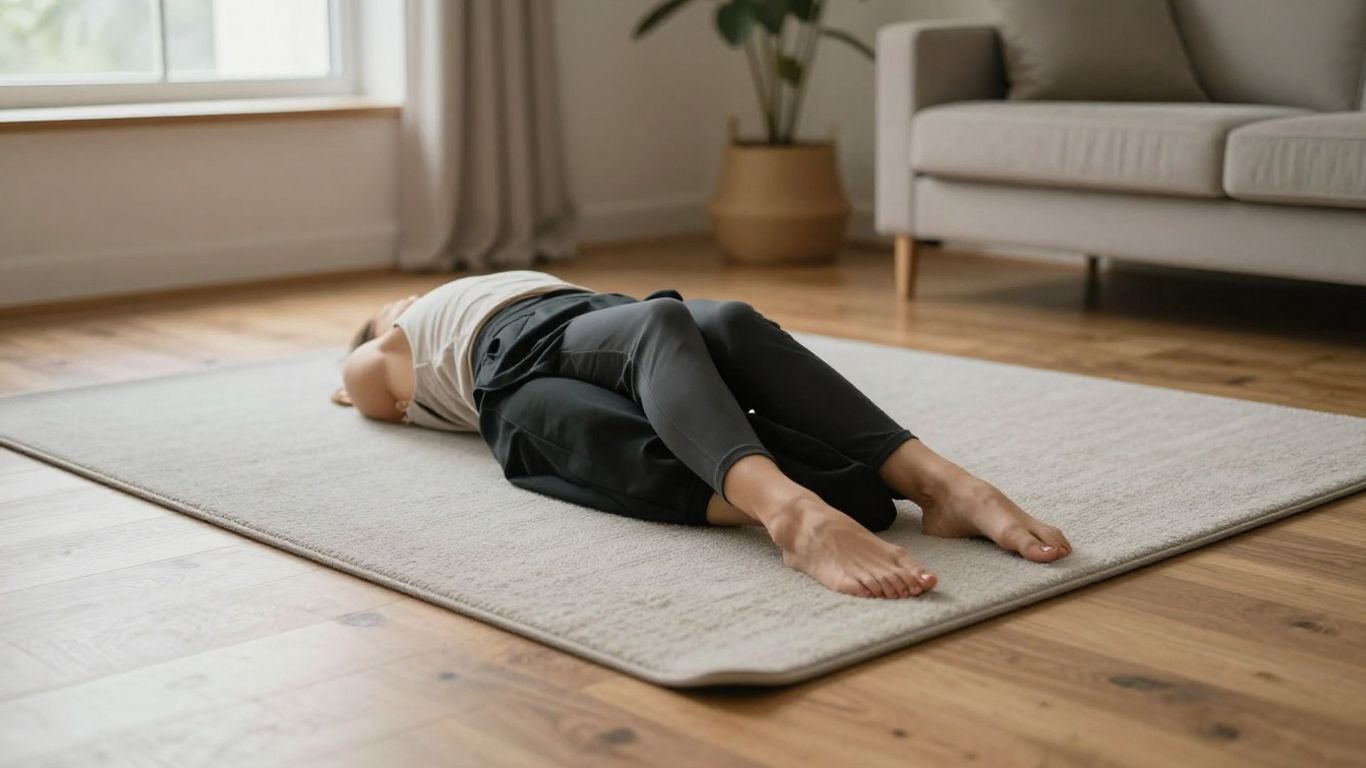
Restorative sessions and practices with plenty of seated, kneeling, or reclined poses often make good use of additional cushioning. A thicker mat can also be handy when a home routine includes floor exercises beyond yoga, provided the surface feels stable enough for those movements. For more active flows, test transitions and standing poses as well as stillness. A mat that feels lovely during a seated stretch may feel different when you move quickly across it.
When joint sensitivity or floor type matters
If your knees, hips, or elbows feel uncomfortable against a hard surface, extra padding may make practice more pleasant. The floor beneath the mat matters, too: a hard tile or wood floor can feel different from carpet, which already adds some softness. Try the mat on the surface where you usually practice, if possible, and notice whether it compresses or slides. For other personal routines, a structured online study routine is a reminder that the right setup depends on where and how you’ll actually use it.
Situations where a thinner mat may work better
A thinner mat may be a better match if you value a firm connection to the floor, often practice standing balances, or carry your mat regularly. It can also be easier to roll and store, though portability depends on the material and construction as well as thickness. If you are comparing options, our yoga mat thickness guide offers another way to weigh cushioning against balance and portability. A 10mm mat is a preference, not a requirement for a comfortable practice.
How to choose the right material and surface
The material and top texture shape how a mat feels in daily use: they can affect grip, cleaning, durability, and weight. The same thickness can feel quite different from one construction to another, so read beyond the product’s headline measurement. Consider where you practice and whether your hands tend to get sweaty. A surface that suits a gentle home session may not feel the same during a more dynamic flow.
Comparing PVC, TPE, rubber, and other materials
PVC, TPE, rubber, and other materials each have different textures and care requirements, so check the maker’s description rather than assuming all mats of one material behave alike. Consider how the material feels against your hands, whether its care instructions fit your routine, and whether you have any material sensitivities. For instance, the Nakata Yoga Mat is described as a 6mm PER mat that is latex-free and phthalate-free, with a textured, moisture-resistant surface and easy cleaning. That example shows why it helps to compare specific construction details, not just broad material labels.
Checking grip for sweaty or dynamic practices
Grip matters most when you are moving between poses or placing weight through your hands and feet. Check whether a maker describes the surface as textured or moisture-resistant, and consider how the mat feels when your palms are damp. The Yune Yoga Simone Mat is described as a 6mm non-slip mat with reliable grip and a moisture-resistant, easy-to-clean surface. For comparison, a speaker placement guide discusses stability in a different setting; in either case, a secure setup starts with considering the surface beneath the equipment.
For a mat you can assess in person, try a few movements that reflect your usual practice. If you’re shopping online, these checks can help you judge whether the surface matches your needs:
- Look for a clear description of the surface texture.
- Check whether the maker addresses moisture or sweat.
- Read the cleaning guidance before choosing a finish.
- Review return terms in case the grip feels different at home.
Those details help make a product description more useful, but they can’t fully predict how a mat will feel to you. If you practice dynamically, give traction more weight in your decision than a particularly soft first impression.
Weighing cushioning against durability and weight
More padding may feel inviting, but a thick mat can also be bulkier to carry and store. Look for details about the material and how the maker describes its construction, then consider how frequently you’ll use it and where it will live between sessions. The Saeki Yoga Mat, for example, is described as a 6mm mat made from PER, with a moisture-resistant, easy-clean surface and anti-tear construction. These are useful details to weigh alongside thickness, especially if your mat will see regular use.
How to assess size, weight, and portability
A mat should give you enough room to move without becoming a burden to transport or store. Its length and width matter when you stretch out, while thickness and material influence how it rolls and feels to carry. If you practice in more than one place, picture the full trip from home to your practice space. A winter-trip packing guide makes a similar space-versus-comfort calculation, though your mat has its own practical limits.
Choosing a mat length and width
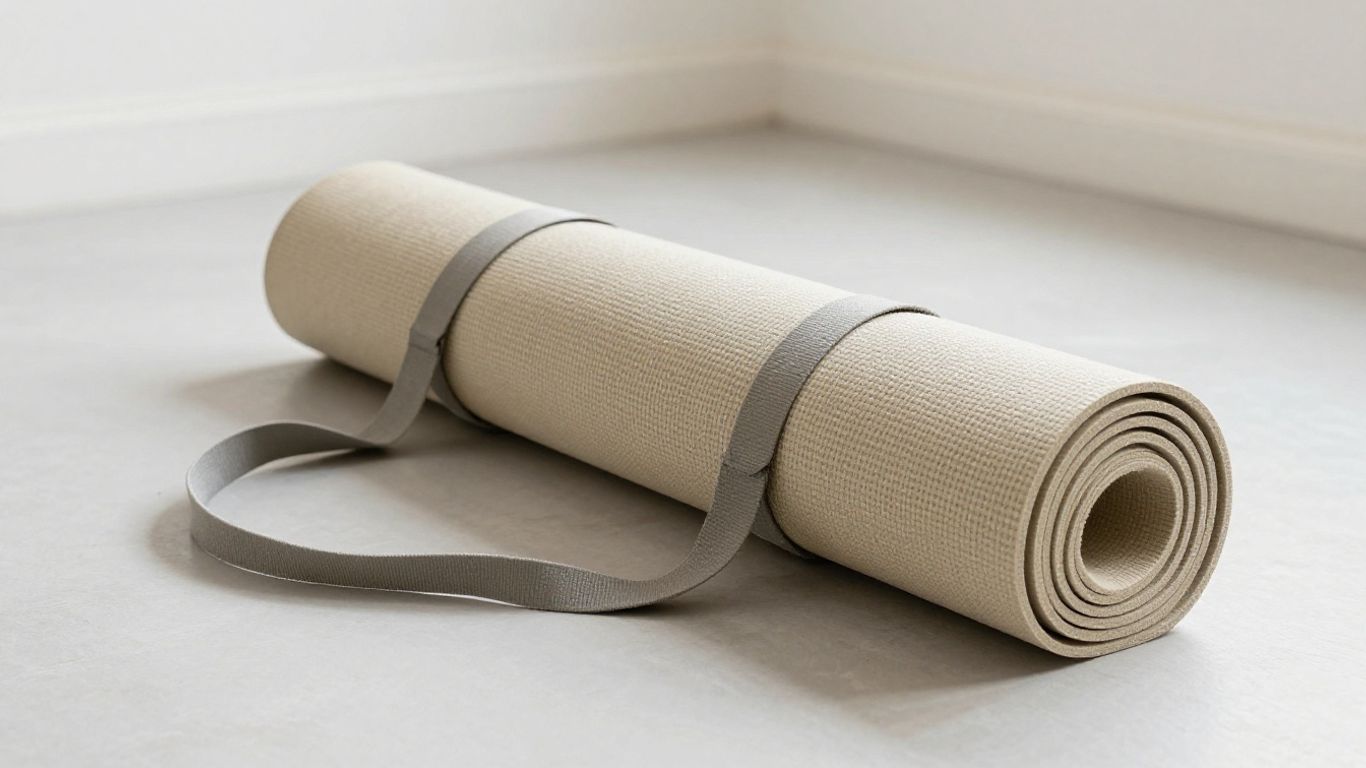
Check the listed dimensions against your height and the way you move through a session. You may want extra length if you often stretch out fully, or more width if you prefer room to move your arms and legs without reaching the edge. Think about the available floor space where you practice, too. If you can, lay out the mat before committing so you can see how much of the room it occupies.
Deciding whether a heavier mat suits your routine
A heavier mat may be perfectly practical if it stays rolled out at home, but less appealing if you carry it to a studio or pack it for trips. Product listings do not always make weight easy to compare, so check the stated weight and imagine carrying it along with the rest of your gear. The goal is not simply to find the lightest mat; it is to choose one you will be willing to bring along. That tradeoff is easier to judge when you consider your usual route and frequency of practice.
Considering straps, bags, and storage space
A strap or bag can make a rolled mat easier to carry, while a foldable mat may suit a different kind of travel setup. Before buying accessories, check that they fit the mat’s dimensions and the way you plan to pack it. At home, consider where a thick mat will sit when it is rolled up; a tight storage spot may make a bulky mat inconvenient. Choose a setup that fits your routine instead of assuming that every accessory is useful.
What to check before buying
Product descriptions can make mats sound similar, so compare concrete details before choosing. Look for a stated thickness, material, dimensions, and weight, along with information about grip and cleaning. If possible, try the mat in poses that match your practice rather than relying on a single impression. A little attention to the practical details can prevent a comfort-focused purchase from becoming awkward to use.
Looking for reliable thickness and cushioning details
Check that the listed thickness is specific and ask whether the maker describes the mat as firm, soft, or dense. Those descriptions are not perfectly standardized, but they can help explain why two mats with the same measurement might feel different. Consider the surface you’ll place it on, since carpet and hard flooring change the overall feel. A thick-mat buying guide can provide another set of points to compare, from cushioning and grip to size.
Reviewing traction, durability, and cleaning guidance
Read how the maker describes the mat’s surface, then look for clear instructions on cleaning and storage. If durability is important, check what information is provided about the construction and intended use rather than assuming thickness guarantees a longer life. The Nakata Yoga Mat is described as moisture-resistant and easy to clean, but care directions should always be followed for the particular mat you buy. Treat maintenance claims as product-specific, not a reason to use one cleaning method on every material.
Comparing price, warranty, and return policies
Compare the total cost, including any accessories or delivery charges, and read the warranty and return terms before ordering. Check what conditions apply if the mat feels too soft or the surface does not suit your practice. The same habit of looking beyond the headline price is useful when reviewing wedding contract terms or condo buying factors, even though the decisions themselves are quite different. For a mat, the practical takeaway is simple: know what you can return, and under what conditions.
How to care for a thick yoga mat
A thick mat can stay more pleasant to use when you follow the care guidance provided for its material and surface. Avoid assuming that every mat can handle the same cleaner or drying method. After practice, give it a chance to dry before rolling it away, especially if the surface is damp. Small, consistent habits are usually easier than trying to remove a persistent odor later.
Cleaning the surface without damaging it
Start with the maker’s instructions, since cleaners that suit one surface may not suit another. Use only the recommended approach and avoid soaking the mat unless its care guidance specifically allows it. If you are unsure, test a suitable cleaner on a small, inconspicuous area first. Gentle, regular cleaning is a sensible default, but the product’s instructions should take precedence.
Drying and storing the mat to prevent odors
Let the mat dry fully before rolling it up, and avoid putting it away while it is damp. Store it in a clean, dry place, away from conditions that could damage its material. A thick mat may need more room than a thin one when rolled, so leave enough space for it to keep its shape without being squeezed. If it has a strap or bag, make sure the mat is dry before packing it inside.
Maintaining cushioning and grip over time
Check the surface periodically for changes in texture, wear, or grip, and follow the maker’s advice on when to replace the mat. Avoid dragging it over rough ground if you want to limit surface wear. Regular cleaning and appropriate storage can help keep the mat comfortable, but no mat stays like new forever. If cushioning or traction noticeably changes, reassess whether it still feels secure for your practice.
Conclusion
A yoga mat 10mm thick can make floor-based poses feel more comfortable, but the best choice also depends on firmness, grip, material, size, and how often you carry it. Compare those details against the way you actually practice, and choose the mat that feels supportive without getting in the way of your movement.
Frequently Asked Questions
Is a 10mm yoga mat too thick?
Not necessarily. It can be a comfortable choice for floor-based poses, though some people find that a softer surface feels less stable during standing balances.
Is a 10mm mat good for beginners?
It can work for beginners who want extra cushioning, but comfort and stability are personal. Try the mat in a few basic poses if you can.
Can I use a 10mm mat for standing poses?
Yes, but the mat may compress under your feet and feel less firm than a thinner option. Check how it feels during balance poses and transitions.
Does a thicker mat always provide more support?
No. Thickness is only one factor; material and density also affect how a mat feels under your body.
Is a 10mm mat suitable for travel?
It depends on its weight, how compactly it rolls or folds, and how much space you have. Check the listed dimensions and weight before packing it.
How should I clean a thick yoga mat?
Follow the maker’s care instructions for its specific material and surface. Let the mat dry fully before rolling it up.
How do I know whether a mat has enough grip?
Check the surface description and, if possible, try familiar poses on it. A mat should feel secure during the kinds of movements you practice most.

