

Extra wide yoga mat: how to choose the right size, material, and grip
Key Takeaways
An extra-wide mat can make practice feel less confined, but the best choice depends on your body, movement, room, and willingness to carry it.
- Extra-wide mats commonly offer more side-to-side room than standard mats, but dimensions vary.
- Choose length and width based on your height, reach, poses, and floor space.
- Material and thickness affect grip, cushioning, stability, and portability.
- Check care instructions, weight, storage needs, and return terms before buying.
- Clean and dry the whole mat gently, then store it in a way that limits curling and wear.
What makes a yoga mat extra wide
An extra-wide yoga mat gives you more room from side to side than a standard mat, which can be useful when your hands or feet often land near the edges. There is no single universal cutoff for “extra wide,” so compare the measurements rather than relying on the label. Some extra-wide options are also longer or thicker, but those are separate features. A wide-mat guide can offer another perspective on how additional space affects a practice.
Common widths and lengths
Many standard mats are about 24 inches wide and 68 inches long, while wider versions often measure 30 inches or more across. Lengths vary, too: a wide mat may be standard length, extra-long, or both. Treat those figures as common reference points, not fixed rules; check the exact dimensions listed for each mat. The longer and wider options illustrate why product measurements matter more than a size label alone.
How extra width changes your practice space
A few extra inches can give your arms and legs more room during wide stances, side stretches, and transitions. The benefit is most noticeable when you often shift laterally or prefer not to think about where the mat edge is. A broader surface also occupies more floor area, so consider how much room is left around it for movement. For more detail on mat size and fit, compare the width with the positions you use most often.
Extra wide versus extra long mats
Width and length solve different problems: width gives you more space across the mat, while length helps keep your head and feet on the surface when you lie down or stretch out. If your feet extend beyond a standard mat, an extra-long option may be the more useful change. If your limbs tend to reach toward the sides, prioritize width. You can find a further yoga mat size guide useful when deciding which dimension to change first.
When a standard mat may be enough
A standard mat can be a sensible choice if you stay comfortably within its edges and want something easier to carry or store. It may also fit more readily into a small home practice area or a crowded studio. A larger surface is not automatically more comfortable if it makes setup awkward. Think about your actual movements and surroundings, rather than choosing a wider mat simply because it is available.
How to choose the right mat dimensions
Start with your body and the way you move, then check whether the mat will fit where you plan to use it. A mat that looks roomy in a product photo may feel quite different in a small room or shared studio. Consider both the space you need while practicing and the space available when the mat is rolled or folded away. For people who practice in changing locations, traveling with intention can be a useful reminder to plan around the setting and what you will actually bring.
Measure your height and reach
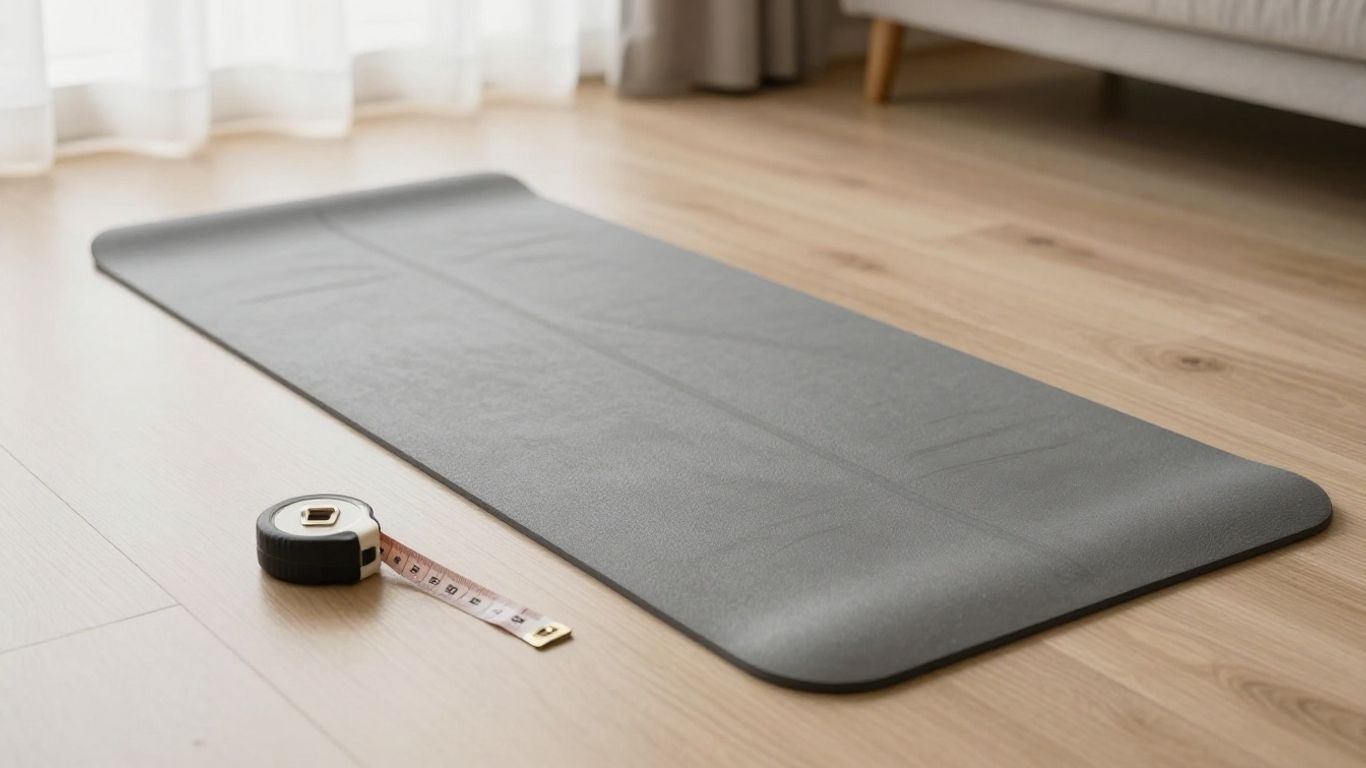
Lie down on a mat or mark out its dimensions on the floor, then check whether your head and feet stay within the length when you stretch out. For width, extend your arms and legs into the positions you use most often and notice whether you run short of space. A few minutes of measuring can prevent buying a mat that is larger in the wrong direction. Compare your findings with a mat dimension guide if you are weighing standard, wide, or long options.
Consider the poses you practice
Your usual sequence can help determine which dimension matters more. Wide-legged stances and movements that travel sideways may call for extra width, while long extensions and lying-down poses can make length more important. If your practice changes from day to day, allow for the poses that most often take you near an edge. The aim is a comfortable margin of space, not the biggest mat you can find.
Check your available floor space
Before ordering, mark the mat’s footprint on the floor with a tape measure or removable markers. Leave enough room to step on and off safely, and make sure doors, furniture, and other people will not crowd the practice area. A quick check is especially helpful if you practice in a hotel room or shared space. These four details are worth checking in that test layout:
- The full mat length and width, including any unusual shape.
- Clearance around the edges for stepping and transitions.
- Nearby furniture, doors, and other obstacles.
- Whether you can roll or fold the mat without blocking the room.
Once the outline is on the floor, try a few familiar poses inside it. In a home studio, mat dimensions are only one part of the room setup; acoustic treatment basics address sound rather than floor space, so treat that as a separate consideration.
Account for storage and portability
A wider mat generally takes up more room than a standard one, whether it is rolled or laid out. Check the listed weight, packed dimensions, and whether the mat is meant to fold or roll; do not assume a larger mat will be easy to carry. Yune Yoga offers foldable travel mats designed for convenience and portability, which may suit someone who regularly practices away from home. Yune Yoga also offers durable yoga straps as a separate practice accessory, so include accessories in your kit planning without assuming they solve a mat’s storage needs.
Which materials and thicknesses to consider
Material and thickness influence how a mat feels under your hands and feet, how it moves on the floor, and how much effort it takes to carry and clean. Product labels alone do not tell the whole story, so review the details and care instructions for the specific mat. If you are comparing a few options, a mat thickness guide can help clarify the trade-offs between cushioning and stability. Think of material, thickness, and portability as connected choices, not isolated specifications.
Compare natural rubber, PVC, and TPE
Mats made from natural rubber, PVC, and TPE can differ in feel, weight, care requirements, and suitability for individual preferences. These material names do not guarantee a particular level of grip or cushioning; construction and surface finish matter too. Check whether the product lists latex content or other material considerations that are relevant to you. A material and mat selection guide is one way to compare these factors alongside size and practice setting.
Understand cork and other surface materials
Some mats use cork or another distinct material at the surface, sometimes paired with a different base layer. The surface you touch can feel different from the underside that contacts the floor, so check the full material description rather than looking at just one layer. Consider how the texture feels against your skin and whether the care instructions suit your routine. If possible, test or handle a similar surface before committing to a large mat.
Choose thickness for comfort and stability
Thickness affects how much cushioning sits between you and the floor, but extra padding can also change how steady the mat feels underfoot. A thinner mat may be easier to carry, while a thicker one can feel more forgiving during floor-based poses. The right balance depends on your preferences and practice; there is no single thickness that works for everyone. This guide to mat thickness can help you weigh cushioning against stability and portability.
Weigh durability against weight
A durable mat can be a good everyday choice, but a heavier build may be less convenient if you carry it often. Consider how frequently the mat will be used, where it will be stored, and whether it will travel by foot or in a car. Product specifications and care instructions offer clues, though they cannot replace how the mat feels in use. Choose a weight you will realistically bring along, not just one that seems manageable at home.
How to evaluate grip and surface feel
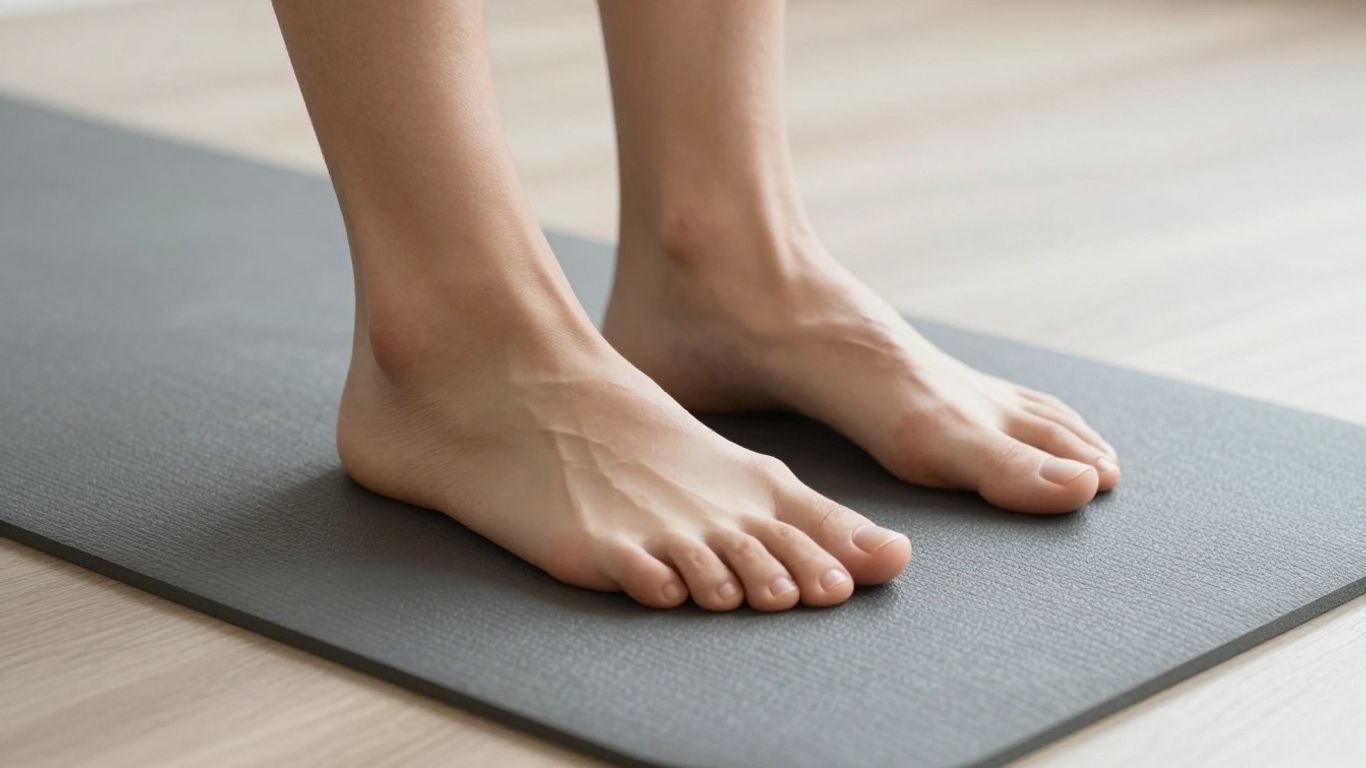
Grip depends on more than a claim on the packaging: the surface texture, your hands, the floor, and moisture all affect how secure a mat feels. If possible, try the mat with clean, dry hands and feet, then consider how it might feel during your usual practice. A mat that grips well in one setting may feel different in another, so look for practical details rather than a blanket promise. Yune Yoga offers absorbent yoga towels, a separate option to consider for sessions where managing sweat is part of your setup.
Look for traction during sweaty sessions
If your hands become damp during practice, consider whether the mat’s surface and care instructions suit that condition. Some people prefer to use an absorbent towel over the mat when they expect a sweaty session; Yune Yoga’s yoga towels are described as absorbent. A towel is an accessory, not a substitute for checking how the mat itself feels under your hands and feet. Try the combination you expect to use, if you can, before relying on it.
Match texture to your preferred practice
A smooth surface and a more textured one can feel quite different, even when both are intended for yoga. Texture may affect how easily you shift positions as well as how planted your hands feel, so consider the movements you repeat most. If you prefer flowing transitions, a surface that feels overly grabby may not suit you; if you want a more tactile feel, a smooth surface might not be your preference. Personal testing is more useful than assuming one texture is best for every practice.
Consider how grip changes with cleaning
Follow the maker’s cleaning guidance, since harsh products or unsuitable methods can affect a mat’s surface. Sweat, dust, and residue can also change how the mat feels over time, so inspect it periodically rather than waiting until it seems slippery. Let the surface dry fully after cleaning before you use or store it. If the texture or grip changes noticeably despite proper care, review the product guidance and consider whether the mat is nearing the end of its useful life.
Test stability in standing poses
Try a few familiar standing poses on the mat, paying attention to whether your feet feel secure and the mat stays in place on the floor. Notice whether the surface bunches, slides, or feels too soft for your balance. A larger mat can give you more room, but it should still feel stable where you place your weight. If you cannot test it in person, check return terms before ordering and try it carefully at home.
What to check before buying
Before purchasing, make sure the listing answers practical questions about size, materials, care, weight, and returns. Product photos can make proportions hard to judge, so look for dimensions stated in inches or centimeters. If you are reading a contract or purchase policy, careful review is a useful habit across many kinds of decisions; for example, service terms and conditions spell out expectations in a very different setting. For a mat, focus on the seller’s own specifications and policies.
Review dimensions and product specifications
Confirm the actual length, width, and thickness, and check whether measurements include any attached features or unusual edges. Make sure the product description matches the mat you intend to buy, especially if the same listing offers several sizes. The standard mat size guide can give you a useful comparison point, but always verify the individual product’s measurements. When dimensions are clearly stated, it is easier to compare options without guessing from photographs.
Compare weight and carrying options
A larger mat may be heavier or bulkier than the one you already own, so check the listed weight and how it is intended to be carried. If you travel to class or practice outdoors, consider where it will fit during the trip and whether carrying it will be comfortable. Foldable travel mats from Yune Yoga are designed with portability and convenience in mind. For other products, read the actual packed size and carrying details rather than assuming a strap or bag is included.
Check cleaning and care requirements
Look for specific instructions about cleaning products, water, drying, and storage. A mat that needs careful handling may be perfectly suitable, but its upkeep should fit your routine. For regular use, consider how easily you can clean the full surface, especially if you practice outdoors or share the mat. Clear care information is a practical part of choosing a mat you can keep using.
Read warranty and return policies
Check how long you have to return or exchange the mat, what condition it must be in, and whether shipping costs apply. Review the warranty for what it covers and what it excludes; policies vary between sellers and products. Buying a large item without checking the return window can be inconvenient if the dimensions do not work in your space. Keep the order details and care guidance in case you need them later.
How to care for an extra wide yoga mat
A wide mat has more surface to clean and dry, so it helps to make care part of your regular routine. Always follow the manufacturer’s instructions first, since materials and finishes can respond differently to cleaning. Pay attention to the mat’s contact with the floor as well as its top surface. Gentle, consistent care is usually easier than trying to remove built-up dirt all at once.
Clean the full surface without damaging it
Wipe the entire mat, including the areas beyond where your hands and feet usually land. Use only cleaning methods recommended for that material, and avoid abrasive tools or strong cleaners unless the maker specifically permits them. If you use a damp cloth, make sure you cover the edges and corners too. Cleaning the full surface helps you spot wear or residue before it becomes harder to address.
Dry and store the mat properly
Allow the mat to dry completely before rolling or folding it, since storing it damp can leave it unpleasant to use. Choose a storage spot away from prolonged direct sunlight or excess heat unless the maker says otherwise. Follow the recommended storage position so the surface is not pressed against sharp objects or heavy items. A mat that is dry and stored thoughtfully is easier to unroll for the next session.
Prevent curling and surface wear
Roll or fold the mat as directed rather than forcing it against its natural shape. Keep it away from sharp edges, rough floors, and heavy objects that could crease or scuff it. When you practice, smooth it out on a clean, level surface and avoid dragging it across abrasive ground. Small habits like these can help preserve its feel and make setup less fussy.
Know when it is time to replace it
Deep cracks, persistent peeling, or a surface that remains slippery after appropriate cleaning may be signs that a mat is no longer serving you well. Check whether it still lies flat and stays in place on the floor. If the material is breaking down or the cushioning has become uneven, consider replacing it rather than working around the damage. A change in how a mat feels is worth taking seriously, especially if it affects your confidence in movement.
Conclusion
The right extra-wide mat is the one that gives you useful room without making practice, storage, or transport more difficult. Measure your space, think about the poses you actually do, and compare material, thickness, grip, and care requirements before choosing. A little planning can help you find a mat that fits both your practice and your everyday routine.
Frequently Asked Questions
How wide is an extra-wide yoga mat?
There is no universal measurement that defines extra wide. Many standard mats are around 24 inches wide, while wider options often start at about 30 inches, so check the exact specifications.
Is an extra-wide mat better for everyone?
Not necessarily. It can provide more room for wide stances and lateral movement, but a standard mat may be easier to carry, store, or fit into a small practice area.
Should I choose a wider or longer mat?
Choose based on where you need more space. Extra width helps when your limbs reach toward the sides, while extra length can be useful if your head or feet extend beyond a standard mat.
What thickness is best for an extra-wide yoga mat?
The best thickness depends on your preference for cushioning, stability, and portability. Compare the mat’s thickness with the kind of poses you practice and how it feels underfoot.
Which material should I choose?
Compare the listed materials, surface feel, cleaning instructions, and weight. If you have a material sensitivity or other specific concern, verify the product details before buying.
How do I keep a yoga mat from sliding?
Use it on a clean, level floor and check how its underside sits against that surface. Clean the mat as directed, let it dry fully, and test stability before practicing.
How should I store an extra-wide yoga mat?
Follow the maker’s instructions for rolling or folding, and store the mat dry in a place where it will not be crushed or exposed to conditions that could damage its material.

