

Alo Yoga mat review: what to know before you buy
Key Takeaways
Choosing a mat is personal: the useful details are the ones that match your practice, your space, and how you travel to class.
- Reviews describe the mat as roomy, grippy, and cushioned, but feel and fit are individual.
- Check current product information for exact materials, dimensions, thickness, and weight before ordering.
- Consider how the surface performs when warm or damp rather than assuming every mat behaves the same way.
- Compare care instructions and portability with how often you practice away from home.
- Read the return policy and weigh the price against how regularly you expect to use the mat.
What the Alo Yoga mat is designed for
A mat can feel like a small purchase until it becomes the surface you return to several times a week. The Alo Yoga mat is most often discussed in terms of space, traction, and cushioning, though those qualities should be considered alongside your own practice habits. Product details and options may change, so use the current listing to confirm specifics before making a decision.
Its intended practice styles
Reviews describe the Alo Warrior Mat as roomy, grippy, and cushioned, with some reviewers saying they use it for different kinds of yoga and exercise. That gives a helpful starting point, but it is not a promise that one mat will suit every class or body. Think about the movements you do most, how much floor space you want, and whether your hands or feet tend to shift on your current mat.
A few practical questions can make the choice clearer:
- Do you mainly practice at home, or carry your mat to a studio?
- Do you prefer extra room to move, or a mat that packs down easily?
- Is cushioning a priority, or do you prefer a closer feel of the floor?
- Does your practice include sessions where sweat may affect traction?
These answers help translate broad descriptions into a decision that fits your routine. A mat review can offer context, but it cannot reproduce the feel of practicing on the surface yourself.
Materials and construction
Material descriptions matter for feel, care, and what you want to bring into your practice space. The available product summary describes the mat as non-toxic, formaldehyde- and PVC-free, and ethically sourced; check the current product information for the exact wording and any additional construction details. Avoid inferring a mat’s full composition from a short claim or a customer review.
If material preferences are a major part of your decision, look for a complete specification rather than relying on a single phrase. Also check for care guidance, since surface materials can call for different cleaning routines. That small bit of reading can prevent a mismatch later.
Design details and available options
The mat’s roomy design is a recurring point in reviews, and customers also mention its cushioning and grip. Color can be part of the appeal, but online images may not convey exactly how a shade looks in a room or under studio lighting. Check current choices and listing photographs rather than assuming every color or finish remains available.
Grip and comfort during practice
Traction and cushioning often determine whether a mat feels reassuring once a sequence gets moving. Reviews of the Alo Warrior Mat mention grip and support, but individual experience depends on movement, moisture, and personal preference. The best way to read those claims is as useful clues, not a guarantee of identical performance.
How the surface feels underfoot
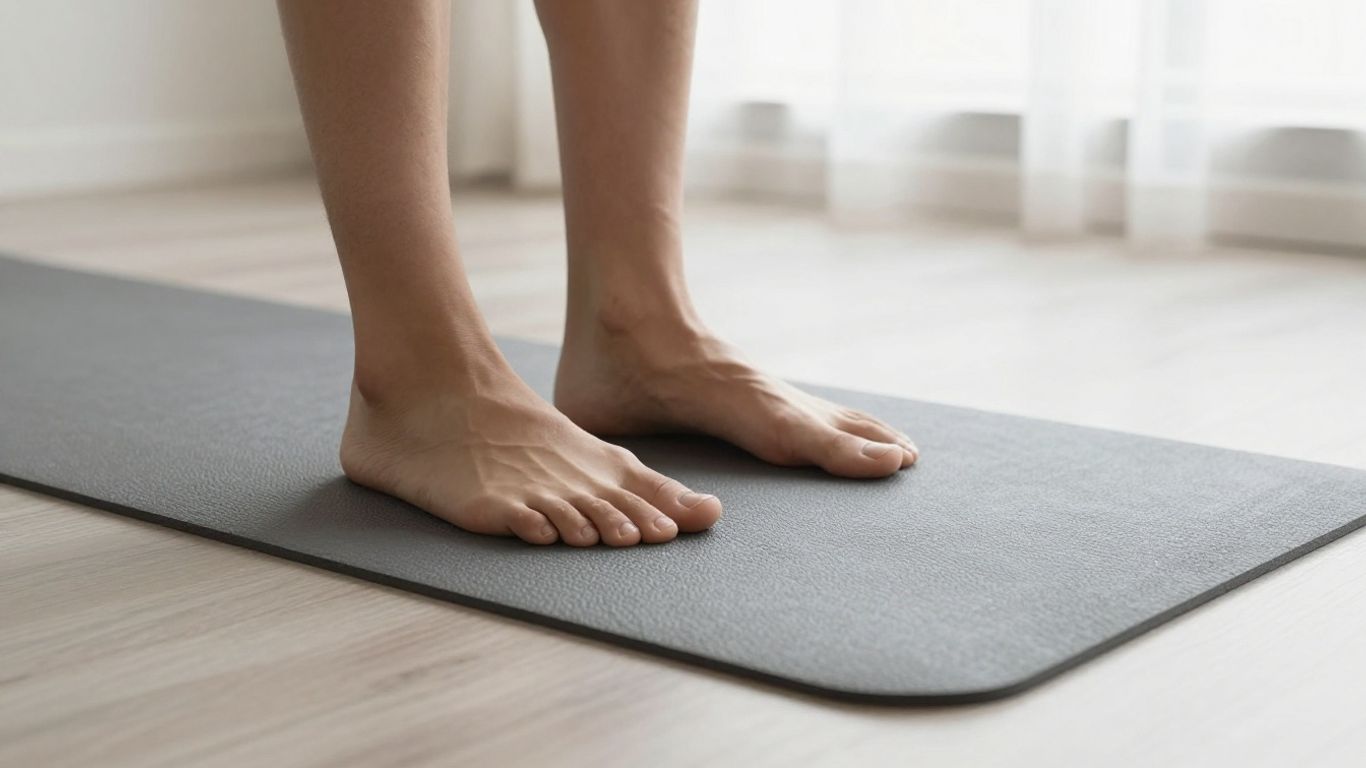
A grippy surface can help a practitioner feel settled in standing poses and transitions, while a softer or more textured feel may take some getting used to. Customer feedback describes the mat as having strong grip, but that is still subjective: hand pressure, skin moisture, and the floor beneath the mat all affect the experience. If possible, try a similar surface before committing to a premium mat.
Consider steady contact underfoot as one part of the decision, rather than treating grip as a single universal rating. A useful review will explain when and how someone practiced, not just offer a broad label. For a wider sense of the trade-offs people consider, see this B Yoga Mat review alongside the details of the mat you are considering.
Performance in sweaty or heated classes
Sweat can change how a mat feels, and a surface that works well in a calm session may feel different during a more vigorous one. Available reviews praise grip, but they do not establish a specific level of performance in heated or especially sweaty classes. If those sessions are routine for you, look for firsthand feedback that clearly describes those conditions, and consider whether a separate towel is part of your setup.
A video can help you see how a mat is handled, though it cannot fully convey traction or texture through a screen.
Use video as one reference, then compare it with current specifications and your own priorities. If damp hands are a regular concern, a trial in your usual practice conditions is more informative than a general claim.
Cushioning for joints and balance
Customer comments describe the mat as cushioned and gentle on joints, while also mentioning stability. Those impressions point to a balance many practitioners seek: enough padding to feel comfortable, without losing a secure connection to the floor. Individual comfort varies, so consider what you notice during kneeling poses and standing balance work.
The thickness and density listed for a mat can help set expectations, but the numbers alone do not tell the whole story. If you are comparing options, use the same movements to assess each surface whenever you can. A comfortable mat should fit your practice rather than asking you to adapt every pose around it.
Size, weight, and portability
A mat that feels generous in a home practice space may be less convenient to carry across town. Reviews characterize the Alo Warrior Mat as roomy, but exact dimensions and weight should be checked on the current product listing. Think through the route from storage to practice as well as the space where you unroll it.
Checking dimensions against your practice space
Before ordering, compare the listed length and width with both your body and the area where you usually practice. Leave a little clearance around the mat for transitions, especially if the room has furniture or shared studio space. Customer descriptions of a roomy mat can help frame the question, but they are not a substitute for checking measurements.
At home, measure the floor area you can reliably keep clear. If you practice in a shared room, the footprint may matter as much as the surface itself. A mat that fits your routine is more useful than one that sounds spacious in the abstract.
Considering thickness and mat weight
Thickness and weight affect how a mat feels to use and how easy it is to transport. Because specifications can change, confirm both values on the current listing rather than relying on older reviews or assumptions. Then consider how often you carry it, how far you walk, and whether comfort or a lighter load matters more on a typical day.
For a quick comparison, keep the criteria consistent across the mats you are considering:
| Detail to check | Why it matters | What to confirm |
|---|---|---|
| Length and width | Affects room to move | Current listed dimensions |
| Thickness | Shapes cushioning and floor feel | Exact product specification |
| Weight | Matters when carrying it | Listed weight and your commute |
| Care guidance | Helps plan upkeep | Manufacturer’s current instructions |
This comparison keeps the decision grounded in your use rather than a vague sense of “premium.” When two mats seem similar, the one that fits your space and carrying habits may be the more practical choice.
Carrying and storing the mat
Portability is about more than weight: rolled size, storage space, and the way you travel all count. A mat that stays mostly at home can be chosen differently from one you bring to class several times a week. Check whether the listing specifies a carrying strap or other included accessory instead of assuming one comes with the mat.
If your practice often moves between locations, portability may outweigh a little extra room or padding. Yune Yoga’s foldable travel mats are one example of a format designed around packing convenience; that is a different priority from choosing a mat mainly for a spacious home setup. Store any mat according to its care guidance and avoid forcing it into a space that may leave it misshapen.
How it compares with other yoga mats
Comparison is most useful when it starts with your routine rather than a universal ranking. The Alo Warrior Mat is described in reviews as roomy, grippy, and cushioned, but other mats may put more emphasis on being light, foldable, or easy to carry. The right balance depends on where and how often you practice.
Differences from lightweight travel mats
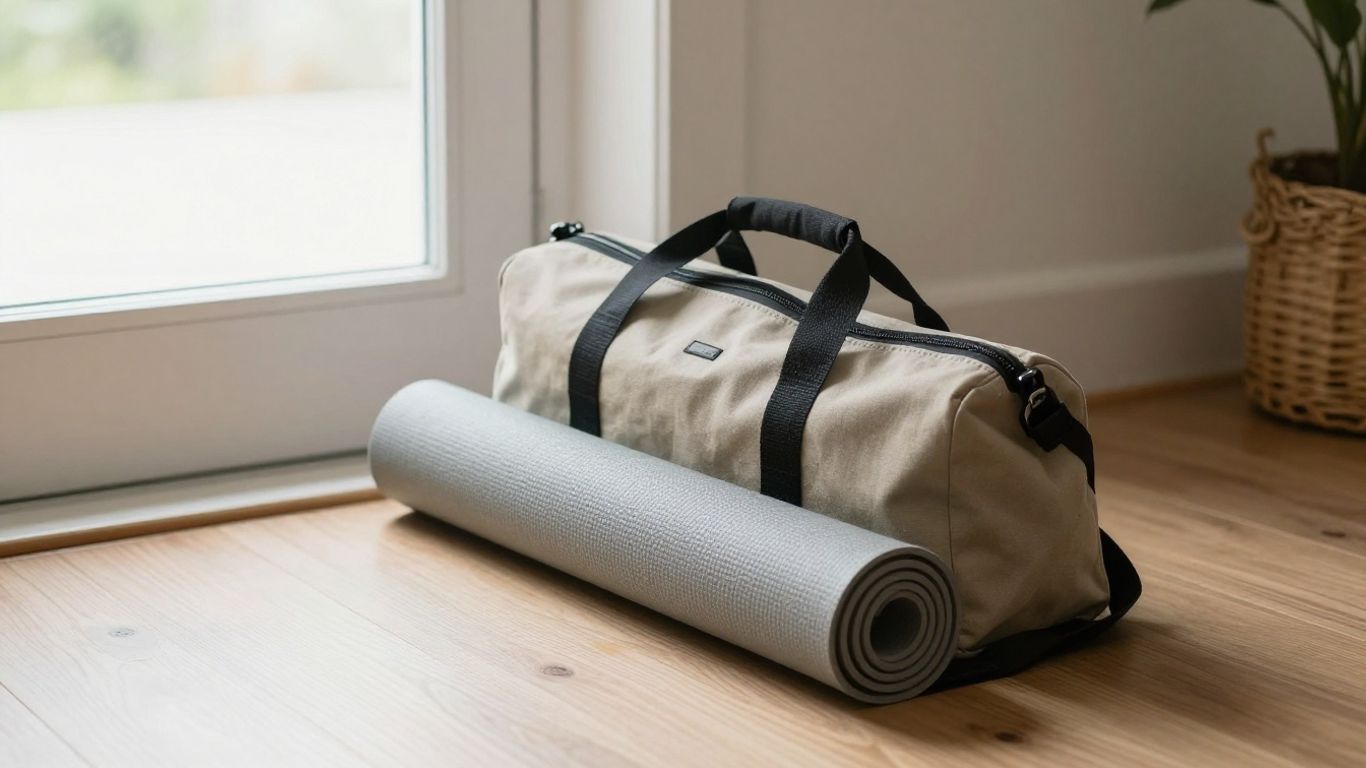
Travel mats are often chosen because they pack conveniently, while a roomier everyday mat may be selected for a more settled home or studio practice. Check the listed dimensions, weight, and construction of any model rather than assuming every travel mat is the same. If you frequently practice away from home, decide how much portability matters before comparing comfort details.
A simple comparison can include both the mat’s stated features and the circumstances in which you use it. The Alo Warrior Mat review offers another perspective on the product, while current product listings are the place to confirm details that can change. Neither replaces trying the surface if you have that option.
What to compare with other premium mats
Price alone does not tell you whether a mat is a good fit. Compare the details you will actually notice: grip, cushioning, dimensions, material information, care requirements, and how easy it is to carry. Reviews can reveal recurring impressions, but they are individual accounts rather than a guarantee of what you will experience.
The same priority-first approach can be useful in very different decisions, from setting reading goals with Goodreads to choosing Preply Business, planning an Oahu wedding, comparing Miami condos, or learning lofi hip hop production. Those topics are not mat advice, of course; the shared lesson is simply to define what matters before weighing options. For mat shopping, write down your own few must-haves and compare the product information against them.
Matching mat features to your practice
A mat’s appeal depends on where it will be used and what you ask it to do. If spaciousness and cushioning matter most, pay close attention to those qualities; if you commute with your gear, give weight and packability more attention. The Athleta Yoga Mat review is another reference point for comparing stated features, but use its details as a prompt to check what matters in your own routine.
Keep the comparison practical: note what you value, verify product specifications, and ignore features you are unlikely to use. This makes it easier to distinguish genuine priorities from attractive extras. No single feature settles the decision on its own.
Cleaning and caring for your mat
Care affects how pleasant a mat is to use over time, and routines vary by surface material. Before cleaning the Alo Yoga mat, check the manufacturer’s current directions rather than relying on generic advice or another mat owner’s method. A gentle, consistent routine is usually easier to maintain than an elaborate one.
Following the manufacturer’s care instructions
The product’s care guidance should be your first reference for cleaning products, water use, and drying. Avoid assuming that a method suitable for one mat will suit another, especially when material details differ. If instructions are unclear, check the current product page or ask the seller before using a stronger cleaner.
A mat is part of your regular equipment, so care should fit naturally into your routine. Keep the directions somewhere easy to find, particularly if more than one person uses the mat. That way, cleaning does not become guesswork after a busy class.
Removing sweat and surface residue
Sweat and dust can collect during ordinary use, but the best way to remove them depends on the manufacturer’s instructions. Use only the cleaning method recommended for the specific surface, and avoid soaking or scrubbing unless the guidance allows it. After a session, a quick check for visible residue can help you decide whether it needs cleaning.
For shoppers comparing maintenance needs, a yoga mat buying guide can help organize questions about materials and ease of care. Treat general advice as a starting point, then follow the instructions for the mat you actually own. That keeps routine cleaning simple without risking damage from an unsuitable product.
Drying and storing it between sessions
Give the mat time to dry as directed before rolling or storing it. Putting away a damp mat can leave it unpleasant for the next session, while the manufacturer’s instructions can clarify any limits on sunlight or heat. If you practice in several places, allow for drying time before packing it into a bag.
Choose a storage spot where the mat can rest without being crushed or sharply folded, unless the product is specifically designed to fold. A little consistency makes it easier to keep equipment ready for the next class. It also gives you a chance to notice wear before it becomes disruptive.
How to decide if it’s right for you
A good buying decision begins with your own practice, not a string of broad claims. The Alo Yoga mat may appeal if the reviewed qualities of roominess, grip, and cushioning align with what you want, but you should confirm current specifications and conditions before purchasing. Use the points below to make the choice feel less like guesswork.
Prioritizing grip, comfort, and portability
Decide which matters most on an ordinary practice day: a secure-feeling surface, cushioning, or ease of carrying. You may care about all three, but one is likely to matter more when trade-offs arise. Compare that priority with the available dimensions, weight, care guidance, and descriptions of the surface.
Then picture a real session, from carrying the mat to rolling it up afterward. If that routine feels inconvenient on paper, it is unlikely to become easier just because the mat looks appealing. A practical match should support the way you already practice.
Weighing price against expected use
Price makes more sense when considered beside how often you will use the mat and which features matter to you. Check the current listed price and compare it with the product details rather than relying on an older review. A higher cost may be worthwhile for one person and unnecessary for another, depending on routine and preferences.
Try estimating how many sessions you expect to use it for, while remembering that product lifespan and satisfaction cannot be guaranteed from a listing. The goal is not to justify a purchase after the fact, but to decide whether the features earn their place in your budget. If you are unsure, take time to compare before ordering.
Checking return policies before buying
A return policy matters especially when feel and grip are central to the choice, since photographs cannot recreate either one. Read the current terms for timing, condition requirements, and any costs before placing an order. Policies can vary by seller and may change, so confirm the details on the page where you buy.
If you can test a mat in person, notice how it feels in a few familiar poses and transitions. If you cannot, make sure the return terms are clear and save a copy of the product details. That gives you a more grounded basis for deciding once the mat arrives.
Conclusion
The best mat is the one that suits the way you practice, travel, and care for your gear. Reviews can help you understand how a product is described, but dimensions, materials, price, and policies should be checked against current information. A few minutes spent matching those details to your routine can make the choice clearer.
Frequently Asked Questions
What should I look for when choosing a yoga mat?
Start with how you practice and where you use the mat. Then compare grip, cushioning, size, weight, material information, and care requirements against those needs.
How do I know what mat size I need?
Check the listed dimensions against your height, preferred movement space, and the area where you practice. Leave enough floor clearance for transitions if your room allows it.
Does a thicker mat always feel more comfortable?
Not necessarily. Cushioning is personal, and thickness is only one part of how a mat feels; density and your preferred connection to the floor also matter.
What should I consider for a sweaty practice?
Look for feedback that describes use in similar conditions, and check the product information for any relevant surface details. A towel may also be useful depending on your practice and preferences.
How often should a yoga mat be cleaned?
That depends on how frequently you practice and the manufacturer’s care instructions. Clean it when needed, using a method suitable for its surface.
Can I bring a regular yoga mat when I travel?
You can, but its weight and rolled size may affect convenience. Compare those details with how you travel and whether a foldable or lightweight option better suits your routine.
What should I check before ordering a yoga mat online?
Confirm dimensions, weight, materials, care directions, current price, and return terms. Reviews can add perspective, but they should not replace checking the product listing.

