

Yoga mat thicknesses: how to choose the right mat for your practice
Key Takeaways
The right yoga mat thickness depends on how you practice, where you practice, and how your body responds to pressure. Use these points as a starting place, then test the mat rather than relying on the number alone.
- Thin mats usually provide a closer, steadier connection to the floor.
- Medium mats offer a practical balance for varied yoga sessions.
- Thick mats can make kneeling, seated, and restorative poses more comfortable.
- Density, material, texture, and surface conditions matter as much as millimeters.
- A good mat should feel supportive without making balance or transport difficult.
Understand what yoga mat thickness means
Yoga mat thickness is the depth of the material between your body and the floor, measured in millimeters. That small measurement changes how much the mat compresses, how firmly you feel the ground, and how much protection it offers during floor poses. The best choice is rarely the thickest or thinnest option by default. It is the one that suits your movement, surface, and comfort needs.
Common thickness options in millimeters
Most yoga mats fall into a few practical ranges. Travel mats may be around 1–3 mm, standard everyday mats often sit near 4–6 mm, and extra-cushioned options can be 8 mm or more. A 6 mm mat is a common middle ground because it offers noticeable cushioning without feeling extremely deep.
These categories are useful for narrowing your search, but labels are not perfectly consistent between manufacturers. A 4 mm dense mat may feel firmer than a softer 6 mm mat. Check the construction and, when possible, try the surface before committing.
How thickness affects cushioning and stability
A thicker mat generally creates more distance from a hard floor. That can soften pressure under the knees, hips, wrists, and elbows during low lunges or long seated sequences. The trade-off is that a soft, thick surface may compress under the feet and hands, making balance poses feel less precise.
A thinner mat usually makes the floor easier to sense. This can help in standing poses, transitions, and movements where you want your feet to stay firmly planted. It may, however, feel unforgiving during kneeling or extended floor work.
Thickness versus density and material
Thickness tells you how deep the mat is; density describes how firmly that material resists compression. Two mats with the same measurement can therefore feel quite different. Material also affects texture, rebound, weight, and how quickly the surface settles after pressure.
When comparing options, consider the whole construction rather than focusing on one number. A firm 6 mm surface may offer more usable support than a very soft 8 mm surface. This is why product descriptions that mention both cushioning and stability can be more helpful than thickness alone.
Why thickness alone does not determine comfort
Comfort also depends on your body, the floor beneath you, the mat’s texture, and the poses you spend the most time practicing. A mat that feels lovely in Child’s Pose may feel unstable in Tree Pose. Likewise, a travel mat that packs easily may need a towel underneath it for longer kneeling sessions.
For a broader comparison of cushioning, floor connection, storage, and portability, this yoga mat thickness guide is a useful companion. Treat any guide as a starting point, then let your own practice provide the final answer.
Choose the right thickness for your yoga style
Your usual practice gives you a strong clue about the right thickness. Dynamic, balance-heavy sessions reward a steady base, while restorative and floor-based practices often benefit from more cushioning. If your routine changes from day to day, a middle thickness can be the easiest compromise.
A portable setup adds another consideration: the mat must be easy to carry, fold, or roll without becoming an unwelcome part of your day.
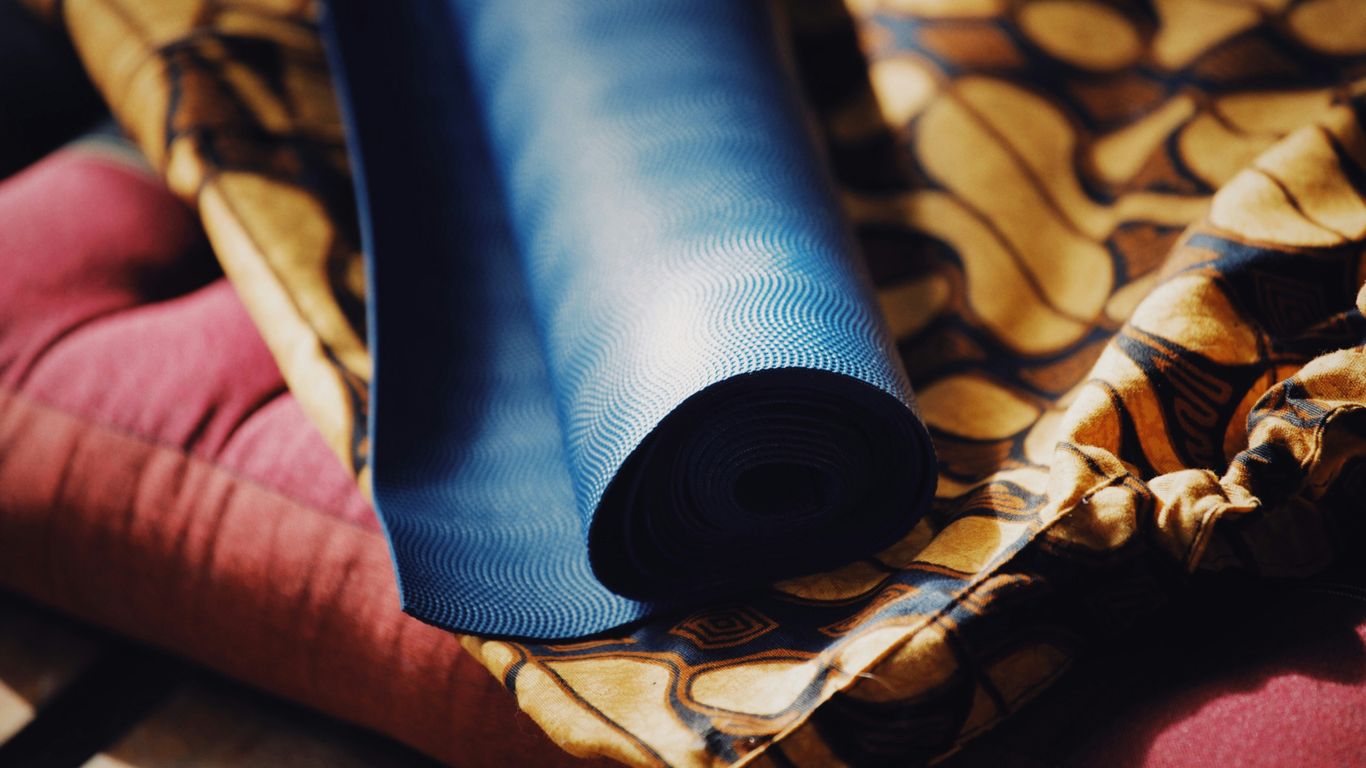
Thin mats for balance-focused and standing practices
Thin mats, often in the 1–3 mm range, keep you close to the floor and are convenient for travel. They can work well for standing sequences, balance practice, and use on top of another studio mat. Their lighter build also makes them appealing when space in a suitcase or day bag is limited.
The compromise is reduced cushioning. If your knees or hips feel pressure during floor poses, place a folded towel under those areas or choose a thicker everyday mat instead.
Medium mats for all-purpose yoga sessions
Medium mats around 4–6 mm suit many people who move between standing poses, transitions, seated work, and occasional restorative practice. They provide a little buffer from hard floors while preserving enough floor feel for controlled movement. For a mixed routine, this range is often the most sensible place to begin.
A 6 mm Yune Yoga Simone Mat is described as offering plush cushioning, reliable grip, and a moisture-resistant, easy-clean surface. Those documented features make that type of mat relevant for someone who wants one surface for both restorative flows and more energetic practice.
Thick mats for restorative and gentle yoga
Thicker mats can make long-held seated poses, kneeling shapes, and gentle floor sequences feel less harsh. They are especially worth considering when pressure points distract you from the practice or when the room has a hard floor. More cushioning is not automatically better, though; excessive softness may make standing work feel vague.
Try a thicker option with the poses you actually practice. If your sessions are mostly restorative, the extra depth may be welcome. If you regularly switch into balancing postures, look for a firm construction rather than simply the largest millimeter count.
Travel mats for portability and convenience
Travel mats are designed around low weight and easy packing, so they are usually thinner than home mats. They make sense for hotel rooms, parks, beaches, and visits to studios where you can place them over a shared surface. A foldable design can be especially useful when a rolled mat would take up too much room.
The Yune Yoga Airstream Arches 6mm Yoga Mat is described as travel-ready, lightweight, lay-flat, and easy to care for while offering 6 mm of cushioning. That combination illustrates an important point: portability is not determined by thickness alone; the full design and construction matter too.
Match yoga mat thickness to your body and needs
A mat is part of your practice environment, but it does not need to feel the same for every person. Joint sensitivity, body proportions, alignment habits, and the amount of time spent on the floor all influence what feels supportive. Notice where discomfort appears and whether it comes from pressure, slipping, or a lack of stability.
A small adjustment can make a bigger difference than buying the thickest mat available. Sometimes a prop or folded towel solves a local pressure problem without changing the feel of the entire surface.
Joint sensitivity and pressure relief
If your knees, hips, elbows, or wrists are sensitive, extra cushioning may make floor poses more manageable. A medium-to-thick mat can reduce the immediate harshness of a hard surface, particularly during kneeling or seated work. Give yourself time to notice whether the comfort lasts throughout a full session.
Pressure relief should not require the rest of the mat to feel unstable. If a thick surface helps your knees but makes standing poses wobbly, consider a firm medium mat plus targeted padding under the knees.
Height, weight, and body alignment
Height does not dictate a specific thickness, but it can affect how much space and support you want during transitions. Body weight also changes how far a mat compresses beneath you, while alignment habits determine where pressure gathers. These factors make personal testing more useful than a universal recommendation.
Pay attention to whether your hands and feet remain evenly supported. If one area sinks noticeably or your joints feel pushed into awkward angles, the issue may be density or surface firmness rather than the millimeter measurement.
Wrist, knee, and hip comfort
Wrist discomfort can come from several sources, including hand placement, shoulder position, and a surface that compresses unevenly. Knee and hip pressure may be more closely tied to the floor and the length of time spent in one pose. A supportive mat should reduce distraction without asking you to compromise alignment.
Use a folded towel as a quick diagnostic. If a small amount of extra padding solves the problem, your main mat may already be a good thickness. If discomfort remains across many poses, reconsider the mat’s firmness, texture, and overall fit.
When extra cushioning can reduce stability
A very soft mat can allow the feet and hands to sink during standing poses or transitions. That movement may make it harder to feel your balance and can encourage you to grip with your toes. A stable foundation matters whenever precision is more important than plushness.
Test the mat in a simple standing pose and in Downward-Facing Dog. If you feel a gentle, controlled connection rather than a spongy one, the cushioning is probably working with your practice instead of against it.
Compare mat thicknesses for different surfaces
The floor beneath your mat changes the experience considerably. A thin mat may feel adequate on carpet but too harsh on concrete, while a thick mat can feel unstable on a soft rug. Consider the surface you use most often, not only the room where you shop for the mat.
If you practice in several places, portability and adaptable padding can be more useful than choosing one extreme thickness. A mat that works reasonably well across surfaces may serve you better than a specialized mat that stays at home.
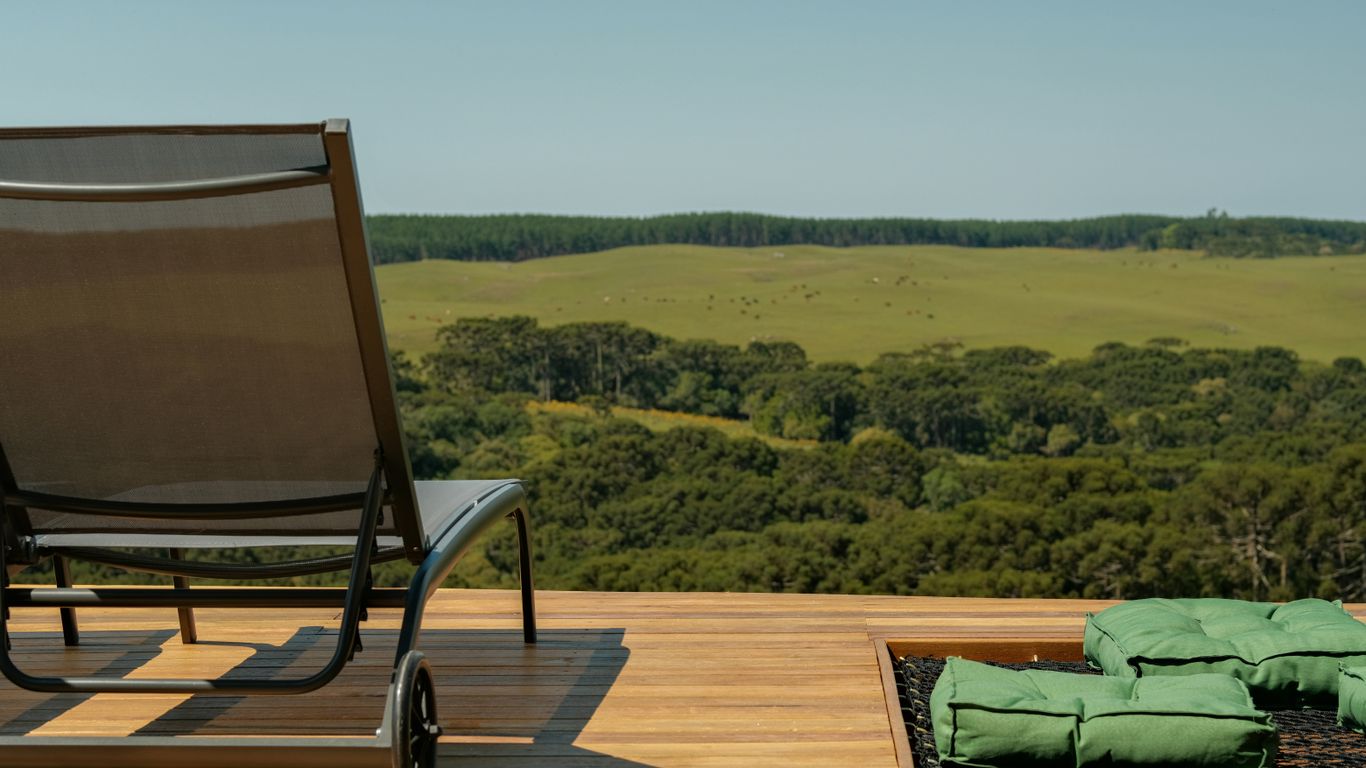
Hardwood and other hard indoor floors
Hardwood, concrete, and similar floors reveal every weakness in cushioning. A medium or thick mat can reduce pressure during kneeling and seated poses, especially during longer sessions. It should still lie flat and remain stable when you shift weight from hands to feet.
If the mat feels too firm, add a towel only where you need it rather than layering another full mat. This keeps your standing surface more predictable while giving vulnerable joints a little extra protection.
Carpet, tile, and uneven surfaces
Carpet already provides some softness, but thick mats can move or compress on a plush pile. Tile may be hard and cool, while uneven flooring can create small rocking points beneath a thin mat. In each case, check whether the mat stays flat as you transition.
Texture can matter as much as cushioning here. A surface that grips the floor and your hands may feel safer than a thicker mat that shifts slightly with each movement.
Outdoor practice considerations
Outdoor practice adds grass, decking, sand, dust, and temperature changes to the decision. A portable mat should be easy to carry and simple to wipe clean after use. On rough ground, check the underside and avoid placing the mat over sharp debris that could damage it.
The Yune Yoga Tofino Yoga Mat is described as lightweight for transport, durable for daily use, non-slip, and suitable for studio or outdoor practice. Those features are relevant when the practice space changes regularly, though the surface beneath it will still affect the final feel.
Using a yoga towel or additional padding
A yoga towel can change the experience without changing your mat’s core stability. It can add targeted softness beneath the knees, absorb moisture during a sweaty session, or provide another layer when practicing on a hard surface. Keep it flat so it does not create folds that distract you during transitions.
For practical setup decisions, this short sequence can help:
- Start with the mat alone on your usual surface.
- Add a towel only beneath the area that feels pressured.
- Recheck balance poses after adding any padding.
- Notice whether the towel stays in place during transitions.
This approach helps separate a thickness problem from a localized comfort problem. It also keeps your setup adaptable when you practice in different rooms or locations.
Balance cushioning, grip, and stability
Cushioning is only one part of how a mat feels. Grip affects whether your hands and feet stay placed, density affects how much the surface yields, and thickness changes how far you are from the floor. These details interact, so judging a mat from its measurement alone can be misleading.
Think of the desired feel as supportive and predictable. You want enough give for comfort, but not so much that every shift in weight changes your balance.
Why thicker mats may feel less stable
A thick mat can feel wonderfully soft when you kneel, yet less secure when you stand. If the material compresses under one foot more than the other, your ankles and hips may need to make constant small corrections. That sensation is not necessarily a sign that the mat is poor; it may simply be too soft for that part of your routine.
Try a few slow transitions rather than holding one pose. Movement reveals whether the surface rebounds evenly and whether your hands remain planted as your weight changes.
How mat density influences support
Density describes the mat’s resistance to pressure, so it helps explain why equal-thickness mats can have different levels of support. A dense surface may preserve floor feel while still offering some cushioning. A low-density surface may feel softer but compress more beneath concentrated pressure.
Look for descriptions that discuss both comfort and stability, then test those claims against your own body. The useful question is not simply “How thick is it?” but “How does it respond when I load it through one hand, knee, or foot?”
Choosing a surface texture for traction
Texture can provide traction even when the mat is not especially thick. A subtly textured surface may feel comfortable for seated poses, while a more pronounced finish may help during sweaty or dynamic movement. Your preferred texture depends on whether you like a smooth glide or a more anchored hand and foot placement.
Cleanliness also affects grip. Dust, lotion, and moisture can make a previously reliable surface feel slick, so follow the care instructions and allow the mat to dry fully before rolling it away.
Preventing slipping during transitions
Slipping often appears during the moments between poses, when hands or feet are moving and weight is not evenly distributed. Keep the mat on a clean, level surface and place your hands deliberately rather than reaching beyond the grippy area. A towel may help absorb moisture, but only if it stays flat and does not bunch.
Practice a few familiar transitions before judging the mat. A surface that feels secure during stillness may behave differently when you step, slide, or turn.
Consider portability, storage, and durability
The mat you use most is usually the one that is easiest to access. Weight, packing shape, drying time, and storage space can matter just as much as cushioning, especially for people who practice while traveling. A slightly less cushioned mat may be the better choice if it comes with you consistently.
Portable practice also calls for realistic expectations. Repeated folding, rolling, outdoor use, and exposure to moisture can affect any mat over time, so care habits are part of the purchase decision.
Weight differences between thicknesses
Thicker mats often use more material and may weigh more, although density and construction can change the result. A lightweight mat is easier to carry to work, pack for a trip, or take outdoors. Consider the distance you carry it, not only the listed weight.
If you travel by air or walk to class, a compact mat may be more practical than a plush one. If your mat stays in one room, the extra weight may matter much less.
Rolling, carrying, and storing your mat
Roll the mat according to its care instructions and avoid leaving it compressed under heavy objects. Foldable mats can fit into smaller spaces, while rolled mats may hold their shape better for regular home storage. Give a damp mat time to dry before putting it away.
A designated strap or bag makes the routine easier and protects the surface from dirt. Small storage choices often determine whether a mat feels convenient after the first few weeks.
Durability and compression over time
Frequent pressure can leave temporary marks, while repeated compression may eventually change how a mat feels. Inspect high-use areas under the hands, knees, and feet, especially if you practice daily. Changes in grip, peeling, or permanent unevenness are signs to reassess the mat.
Durability is influenced by material, density, sunlight, cleaning products, and how the mat is stored. For a general example of why material specifications matter more than a simple lifespan claim, see this floating cover lifespan guide; the same research habit is useful when comparing yoga equipment.
When a foldable or travel mat makes sense
A foldable mat makes sense when you practice in hotel rooms, parks, beaches, or shared spaces and need the smallest possible setup. It can also work as a clean, grippy layer over another mat. If you primarily practice restorative poses at home, a heavier cushioned mat may remain more comfortable.
When evaluating portability, ask whether the mat fits your actual bag and whether you will still have room for a towel or strap. A convenient setup is one you can carry without turning practice into a separate chore.
A careful approach to shopping can also be useful outside yoga, from reading a solar battery safety guide to comparing wedding photography tips, functional THC coffee dosing, a design partner guide, or a yoga mat. The subjects differ, but checking the specific claim, material, and intended use is the same sensible habit.
How to select and test your ideal yoga mat thickness
Start with your real practice rather than an idealized version of it. Write down where you practice, which poses cause pressure, how often you carry the mat, and whether balance or cushioning is your bigger concern. Then choose a small range to test instead of trying to compare every option at once.
A practical test should include both comfort and movement. Spend enough time on the mat to notice what happens after the first few minutes, when small irritations tend to become more obvious.
Set a practical thickness range
For many people, beginning with a 4–6 mm range makes sense for general practice. Move thinner if portability and floor connection matter most, or move thicker if gentle, seated, and kneeling work dominate your sessions. Keep density and surface texture in the comparison, since those features can change the feel substantially.
This yoga mat thickness comparison can help frame the differences between 2 mm, 4 mm, and 6 mm or more. Use the range as a filter, not as a final verdict.
Check comfort in kneeling and seated poses
Spend several minutes in kneeling, Child’s Pose, a seated forward fold, and any other floor position you practice often. Notice whether pressure is spread evenly and whether your hips or knees feel pushed into the floor. Also check whether the mat bottoms out when your weight is concentrated in one small area.
If one pose is the only problem, test a towel or small folded blanket before increasing the thickness of the entire mat. That can preserve stability elsewhere.
Test balance in standing poses
Try Tree Pose, a simple single-leg balance, and a few controlled transitions. Feel for wobbling, sinking, or a delayed response when you shift weight. A good mat should let you make small adjustments without the surface moving unpredictably beneath you.
Standing tests are especially useful when a mat feels luxurious at first touch. Comfort in the hand is not the same as dependable support under a moving foot.
Evaluate the mat after repeated use
A first session tells you about initial comfort, but repeated use reveals whether the mat keeps its grip, lies flat, and remains easy to carry. Try it on your most common surface and clean it as directed. Notice whether compression marks disappear and whether the texture still feels consistent.
If possible, borrow or test a similar mat for several sessions before buying. The right yoga mat thickness should make practice feel simpler, not give you another problem to manage.
Conclusion
Choosing among yoga mat thicknesses is a matter of balancing cushioning, stability, surface, and portability. Start with the range that fits your practice, test both floor poses and standing movement, and use targeted padding when only one area needs extra comfort. The best mat is the one that supports your actual routine and is convenient enough to use often.
Frequently Asked Questions
Is a thicker yoga mat always more comfortable?
No. A thicker mat may soften pressure, but if it compresses too much it can feel unstable during standing poses. Density, material, and texture also shape comfort.
What yoga mat thickness is best for beginners?
A medium mat around 4–6 mm is a practical starting point for many beginners because it offers a balance of cushioning and floor connection. Personal comfort and practice style should guide the final choice.
Are thin mats better for balance poses?
They can be. Thin mats often provide a closer connection to the floor and may feel steadier for standing balances, though they offer less protection during kneeling and seated work.
What thickness is best for sensitive knees?
A medium or thicker mat may reduce pressure on sensitive knees, especially on hard floors. Test the mat in kneeling poses and consider targeted padding if only the knees need additional support.
Can I use a travel mat for everyday practice?
Yes, if you are comfortable with its reduced cushioning and it stays stable on your usual surface. A travel mat can also be placed over another mat when you want more padding.
Does yoga mat material matter as much as thickness?
Yes. Material and density affect compression, grip, weight, durability, and floor feel. Two mats with the same thickness can therefore provide very different experiences.
How can I tell if my mat is too thick?
A mat may be too thick or soft if your feet and hands sink noticeably, your balance feels uncertain, or transitions become difficult. Compare it with a firmer surface and see whether your control improves.


