
10 best mat for yoga options for every practice and budget
Key Takeaways
The best mat for yoga depends less on a universal ranking than on how, where, and how often you practice.
- Choose cushioning according to your comfort needs and the feel you prefer underfoot.
- Prioritize grip for heated or vigorous sessions, especially if your hands tend to sweat.
- Alignment markings can help beginners build more consistent positioning habits.
- Travel mats are useful when portability matters more than plush cushioning.
- A simple, easy-to-clean mat may be the right choice for casual practice.
1. Manduka PRO yoga mat for cushioning and durability
The Manduka PRO is a familiar premium option for people who want substantial cushioning and a mat built for regular use. Its extra support can feel reassuring during kneeling poses, seated work, and slower practices. It is less about packing light and more about creating a dependable home or studio base.
A thicker, heavier mat can also feel planted when you shift between poses. That stability is welcome if a lightweight mat tends to bunch or move on the floor. Before buying, consider whether you will carry it often, since comfort under your knees may come with extra weight over your shoulder.
For a useful second opinion, Manduka PRO Yoga Mat is discussed alongside factors such as support, comfort, durability, grip, and portability. Those are the same practical questions to ask here. If your routine is mostly at home and cushioning is high on your list, this type of mat may make more sense than a thin travel design.
2. Liforme Original yoga mat for alignment support
The Liforme Original is aimed at practitioners who like visual guidance while they move. Alignment markings can offer a helpful reference for hand and foot placement, particularly when you are learning a sequence or practicing without a teacher nearby. The markings are not a substitute for instruction, but they can make your setup feel more deliberate.
Its appeal is strongest for people who want a mat to do more than simply mark out a practice space. A clear visual center can help you notice when your stance drifts or when one side of a pose feels different from the other. You still need to adjust for your own body rather than forcing every pose to match a line.
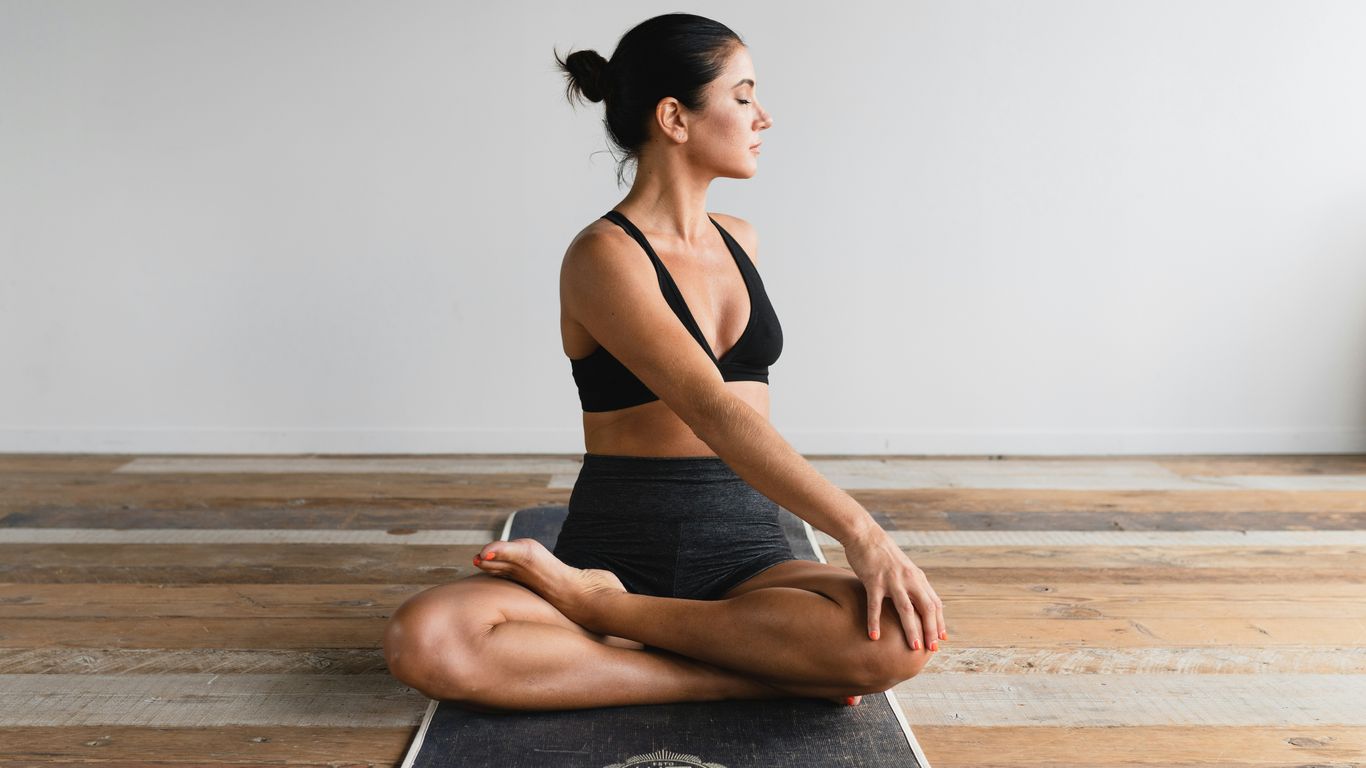
The mat also suits shoppers who value a grippy, supportive surface, though the right feel is personal. A good mat should let you concentrate on movement instead of repeatedly correcting your hands and feet. For broader comparison ideas, expert yoga mat recommendations can help you weigh grip, thickness, and portability together.
3. JadeYoga Harmony mat for natural rubber grip
The JadeYoga Harmony mat is a natural-rubber option for practitioners who place grip near the top of their list. That can be useful during flowing sequences when your hands and feet repeatedly meet the mat at different angles. The surface feel matters more than a long feature list if slipping is what interrupts your practice.
Natural rubber can have a distinct smell when new, so ventilation may be worth considering. Anyone with a latex sensitivity should also check the manufacturer's material information before purchasing. These small checks are easy to overlook when a mat feels appealing in a product photograph.
Grip is not the only consideration. A very tacky surface may collect lint, while a softer or more textured feel may suit one person and distract another. Try to think about your usual room, pace, and cleaning routine before deciding whether natural rubber is a sensible match.
4. Gaiam Premium 2-color yoga mat for beginners
The Gaiam Premium 2-color mat is a straightforward starting point for someone building a first practice. A beginner often benefits from a surface that feels familiar, is easy to recognize in a shared studio, and does not require a large initial investment. The two-color design adds a little visual character without making the choice feel overly specialized.
New practitioners are usually better served by a mat that is comfortable enough for kneeling and stable enough for standing poses. There is no need to buy a highly specific surface before you know whether your routine will be gentle, dynamic, or occasional. The best mat for yoga at this stage is often the one you will actually unroll.
Care is part of the ownership experience, especially when a mat is used in a living room or carried to class. Wipe it according to its care instructions and let it dry fully before rolling it away. A simple routine keeps the mat ready without turning maintenance into another barrier to practice.
5. Hugger Mugger Para Rubber mat for stability
The Hugger Mugger Para Rubber mat is worth considering when a grounded feel matters more than minimal weight. A stable base can make transitions feel less fussy, particularly on smooth floors where a very light mat may shift. It is a practical direction for people who want to feel connected to the floor during standing work.
As with any rubber mat, check material details if allergies or sensitivities are part of your buying decision. Weight also deserves attention before ordering. A mat that feels reassuring in a studio may become inconvenient if you regularly walk several blocks with it.
One way to compare options is to separate the decision into surface, support, and routine. Think about whether you need stronger traction, more padding, or simply a mat that stays flat. When stability is the priority, a little additional heft can be a reasonable trade-off.
6. Alo Yoga Warrior Mat for hot yoga
The Alo Yoga Warrior Mat is positioned for practitioners who want a mat suited to heated, energetic sessions. Hot yoga changes the buying equation: grip, moisture management, and easy cleanup become more noticeable than they might be during a quiet home practice. A surface that feels secure when warm and damp can help reduce distractions.
Before class, give yourself enough time to lay the mat flat and bring whatever towel or cleaning supplies the studio recommends. Even a grippy mat can feel different as sweat builds. Testing your hand placement early in class is a simple way to learn how the surface behaves.
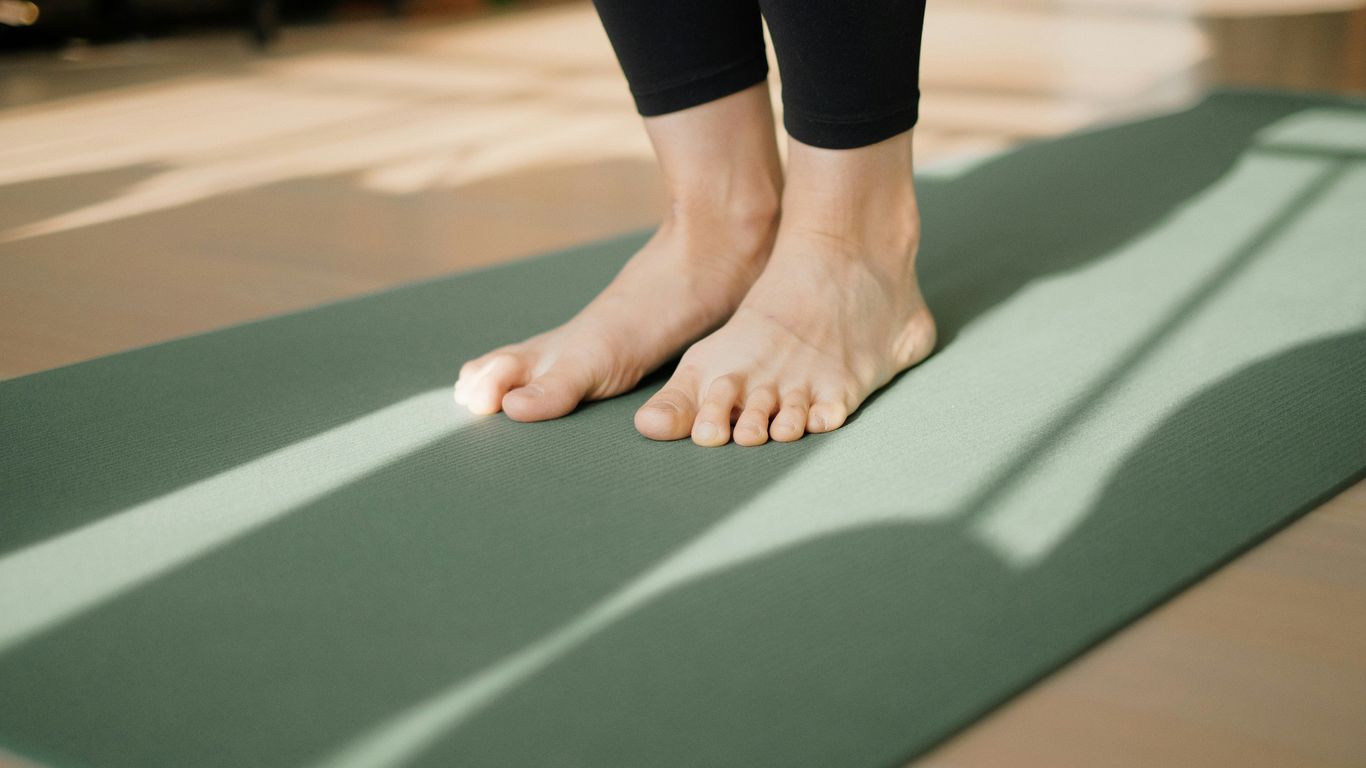
For comparison, yoga mat testing focuses on factors including grip in dry and sweaty conditions, durability, size, and how well a mat stays flat. Those tests point to a useful habit: judge a heated-practice mat in conditions resembling your real routine, not only in a cool showroom.
A hot-yoga setup also benefits from practical accessories. A towel can help manage moisture, while a washable carry strap makes the trip to class easier. The goal is not to add more gear for its own sake, but to keep the practice comfortable and uncomplicated.
7. lululemon The Mat 5mm for balanced comfort
lululemon The Mat 5mm sits in the middle ground between a very thin travel mat and a heavily cushioned home mat. That balance can appeal to people who alternate between standing flows, kneeling sequences, and slower floor work. A moderate thickness gives some padding without completely separating you from the floor.
The right amount of cushioning is personal. Too little may make wrists or knees feel exposed, while too much can make balance work feel less precise. If you are unsure, notice which poses you practice most often rather than choosing based only on a thickness number.
A mat in this category can work well as an everyday option when you want one surface for several styles. Check its weight, dimensions, texture, and care instructions before buying. Small practical details often determine whether a mat becomes part of your routine or stays rolled in a closet.
8. prAna Verde yoga mat for eco-conscious shoppers
The prAna Verde yoga mat is a natural fit for shoppers who want environmental considerations included in the buying decision. Material choices, packaging, durability, and how long you expect to use the mat all belong in that conversation. A product is not automatically the right choice simply because its description uses eco-friendly language.
Start by checking the material information and care guidance. Some surfaces need a break-in period, while others may have a noticeable scent when first opened. It is also worth considering whether the mat will last through your actual practice rather than choosing only by its material label.
Sustainability can be practical as well as ethical. A durable mat that you use for years may be more useful than a cheaper one that needs frequent replacement. If environmental impact is central to your choice, compare construction, longevity, cleaning needs, and disposal information together.
9. Travel yoga mat for portability and convenience
A travel yoga mat is made for the moments when a full studio setup is unrealistic. It can fit into a suitcase, car, or day bag more easily than a thick everyday mat, making practice possible in hotel rooms, parks, or spare corners. The trade-off is usually less cushioning, so a familiar floor or an extra towel may be helpful.
Portability is not just about a mat's listed weight. Notice whether it folds or rolls, how much space it takes, and whether it can dry quickly after use. A mat that is easy to pack is more likely to come with you, which is a meaningful advantage for an inconsistent schedule.
For a portable option from the publishing brand, the Yune Yoga Juliet Trekk is described as a lightweight travel mat with a soft ridged top, firmer grippy bottom, and a reversible design. Those details address the basic travel problem directly: keeping the setup light while retaining useful contact with the floor.
A travel mat works best when you are realistic about its role. It may be a secondary mat for trips rather than a replacement for a cushioned home model. Pack it with a small towel and a simple cleaning cloth, and the whole arrangement stays easy to manage.
10. Budget-friendly yoga mat for casual practice
A budget-friendly mat can be the smartest choice when yoga is an occasional activity or you are still discovering what kind of practice you enjoy. Spending less at the beginning leaves room to learn your preferences before committing to a premium surface. Look for a mat that lies flat, feels stable, and is comfortable enough for your usual poses.
Do not confuse a low price with a need to ignore practical details. Check the dimensions, thickness, texture, and cleaning instructions, then consider where you will store it. A basic mat that is always available may serve you better than an expensive one that feels too precious or inconvenient to use.
When comparing prices, keep the full routine in view. These are the questions that usually matter most:
- Will the mat stay in place on your usual floor?
- Is the surface comfortable for kneeling and seated poses?
- Can you clean it without special products?
- Will you carry it often enough for weight to matter?
Those answers create a more useful shortlist than price alone. A beginner-friendly model with sensible cushioning may be enough for home practice, while someone who travels or sweats heavily may need to spend differently.
Buying online can also involve distractions unrelated to the mat itself. Keep your comparison focused on the product, and do not let unrelated guides such as dynamic QR code platforms, Animator Hub, Full Body MOT Health Check, Hallmark cards UK, or Wayfinder pull you away from the practical criteria above. The mat should fit your practice, space, and budget first.
A useful final check is to imagine an ordinary week rather than an ideal one. If the mat feels manageable to store, carry, clean, and unroll, it has a much better chance of becoming a regular part of your routine.
Conclusion
The best mat for yoga is the one that matches your real practice, from the amount of cushioning you need to the places you expect to practice. Compare grip, stability, materials, weight, care, and price, then choose a surface that makes showing up feel simple. For travelers, portable designs such as the Yune Yoga Tofino offer a practical way to keep a mat ready for varied routines without turning every session into a packing project.
Frequently Asked Questions
How thick should a yoga mat be?
A moderate thickness is a sensible starting point for many people because it balances cushioning and floor contact. Choose more padding if kneeling comfort is a major concern, and less if you prioritize balance and portability.
Is a grippy mat better for every practice?
Not necessarily. Grip is especially useful for vigorous or heated sessions, while slower practices may place more value on softness, warmth, or ease of movement.
Are travel yoga mats comfortable enough for daily use?
They can be, but many are designed to pack easily rather than provide maximum cushioning. If you practice daily on hard floors, a fuller-size mat may be more comfortable as your primary option.
How should a yoga mat be cleaned?
Follow the care instructions supplied with the mat. In general, wipe the surface with an appropriate cleaner, avoid soaking materials that should not be saturated, and let the mat dry completely before storing it.
What should beginners look for in a yoga mat?
Beginners should focus on a stable surface, enough cushioning for their common poses, manageable weight, and a price that feels comfortable. A simple mat is often sufficient while preferences develop.
Do yoga mats lose their grip over time?
Surface feel can change with use, sweat, cleaning, and storage. Regular care and keeping the mat away from excessive heat or moisture can help preserve its performance.
Should I buy one mat for every type of yoga?
One versatile mat can work well for mixed practice, but specialized routines may justify different choices. Heated sessions may call for stronger moisture-friendly grip, while travel may call for a lighter design.

