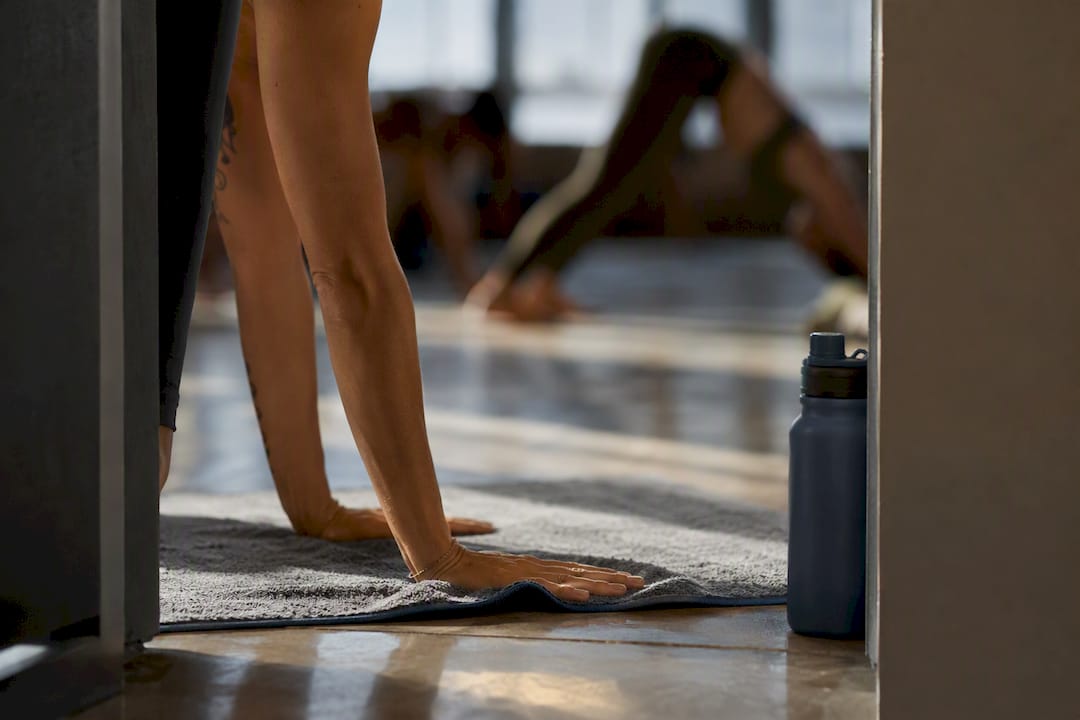
Article: 5 Quick Steps to Stop Yoga Mat Smell Before Your Next Class
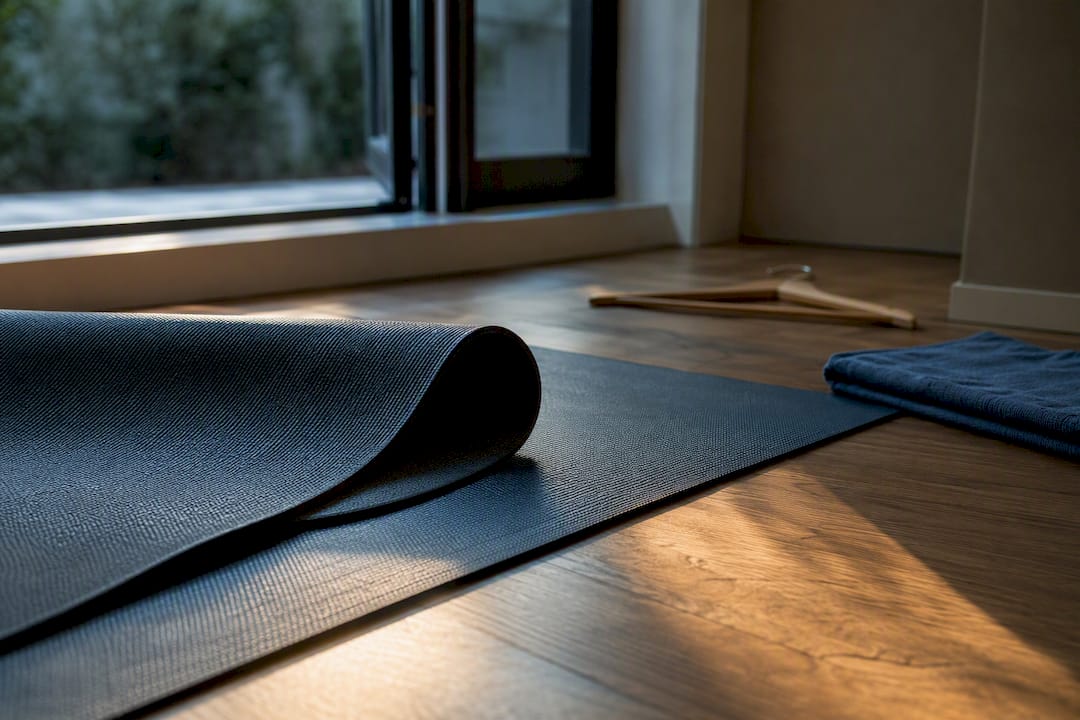
5 Quick Steps to Stop Yoga Mat Smell Before Your Next Class
The fastest safe fix for yoga mat smell is to unroll the mat and let it air out in moving air, wipe it down with warm water and a few drops of mild dish soap, rinse with a clean damp cloth, then let it dry completely before rolling it back up. Baking soda works well on lingering odor, and a light 50/50 vinegar-water spot wipe can handle sharper chemical smells if you test it on a small area first. Skip the soak, skip rolling it up while it’s still damp, and skip scented sprays that leave a film behind.
TL;DR:
- Ventilate the mat in moving air for a few days to reduce natural rubber or plastic smells before attempting cleaning.
- Wipe the surface with warm water and mild soap, then rinse thoroughly to remove soap residue and prevent tackiness.
- Use baking soda as a dry deodorizer for persistent odors, and spot-treat chemical smells with diluted vinegar after testing on a hidden area.
- Avoid soaking the mat or rolling it damp, and do not rely on scented sprays, as they may leave residues that trap odors or make surfaces slippery.
- Choosing mats made from eco-friendly, closed-cell materials can help minimize odor buildup over time and make cleaning easier.
Table of Contents
- Five Quick Steps To Reduce Yoga Mat Odor Right Now
- Cleaning Methods: Routine Wipe, Deep Clean, And Dry Deodorizing
- How To Clean Different Mat Materials Without Ruining Them
- When Cleaning Isn’t Enough: Diagnosing The Smell
- Preventing Yoga Mat Odor Before It Starts
- Homemade Cleaner Recipes From Yune Yoga’s Blog
- Why Most Yoga Mat Smell Advice Skips The Obvious Fix
- Lower-Odor Mat Options From Yune Yoga
- Sources
- FAQ
Five Quick Steps To Reduce Yoga Mat Odor Right Now
If your mat smells bad and you need a fix before your next class, here’s the order that actually works. Most of this comes down to sequence: air first, clean second, deodorize third.
- Unroll and ventilate. Lay the mat flat in a room with airflow, or drape it over a railing outside. Flip it every few hours so both sides get exposure. This alone often knocks down a rubbery or plastic smell within a couple of days, according to practical mat-care guidance from HTS Yoga.
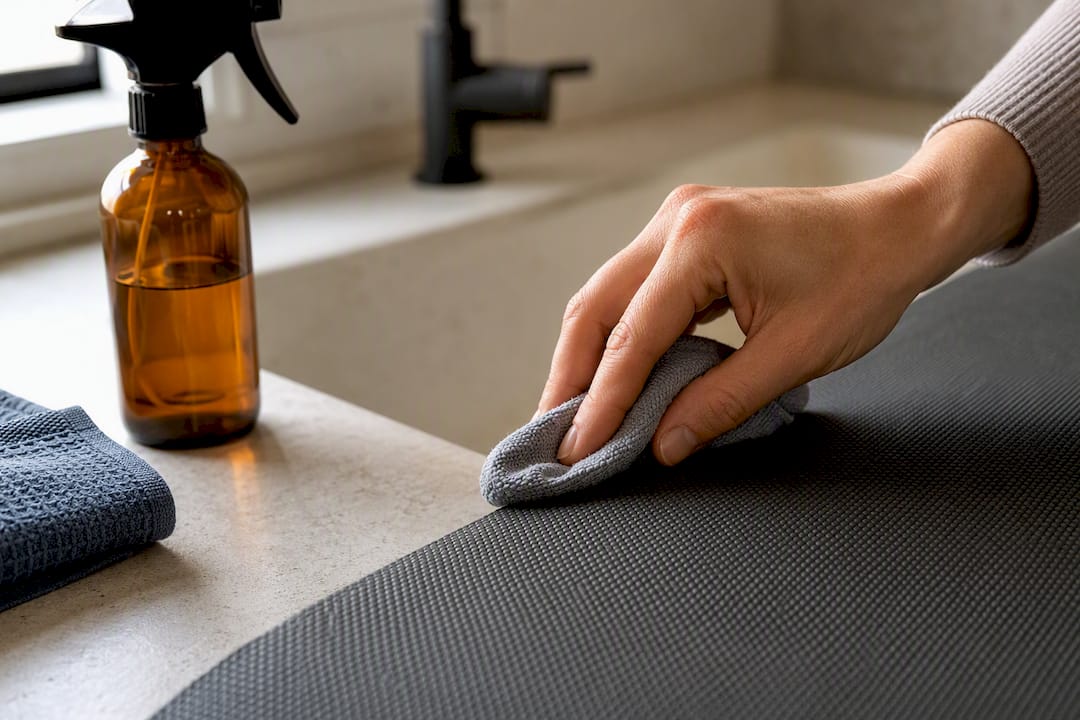
- Wipe with warm water and mild soap. A few drops of dish soap in warm water on a soft cloth is enough. Wipe in long strokes rather than scrubbing in circles, which can wear down texture faster.
- Rinse with a clean, damp cloth. Soap residue attracts dirt and can leave the surface tacky, so go over the whole mat again with plain water on a fresh cloth.
- Dust with baking soda for stubborn odor. Sprinkle a thin layer, let it sit, then brush or vacuum it off completely.
- Spot-treat chemical smell with diluted vinegar. Mix equal parts water and white vinegar, test on a hidden corner, then wipe the smelly area and follow with a water rinse.
Don’t submerge the mat, don’t roll it while it’s even slightly damp, and stay away from perfumed sprays. They cover the smell temporarily but leave a residue that can make the mat slippery and trap odor underneath.
Pro Tip: Keep a spray bottle of the diluted vinegar mix in your gym bag. A 30-second spot wipe right after a sweaty class stops odor before it sets into the material.
Cleaning Methods: Routine Wipe, Deep Clean, And Dry Deodorizing
Different levels of yoga mat smell call for different amounts of effort, and using a bigger method than you need can actually damage the mat.
Routine cleaning is your default. Dampen a cloth with warm water and a couple drops of mild dish soap, wipe the whole surface, then wipe again with a clean damp cloth to rinse off soap film. Hang or lay the mat flat until it’s bone dry before rolling. OxiClean’s guidance on mat care recommends this same gentle soap-and-warm-water approach for regular upkeep, reserving stronger treatments for real buildup.
Deep cleaning only applies to mats the manufacturer rates as submersible, usually some closed-cell PVC or TPE models. Check the product label before you fill a tub. If it’s cleared for water immersion, use a mild detergent, avoid bleach unless the manufacturer specifically allows it, and rinse thoroughly. Bleach and harsh solvents can break down foam layers and adhesive seams even on mats that tolerate light washing.
- Mild dish soap: safe for almost all mat types in small amounts
- Baking soda: safe dry deodorizer for nearly any material
- Diluted vinegar: safe for spot treatment after a patch test
- Bleach or ammonia-based cleaners: avoid unless the label explicitly permits it
Baking soda deodorizing works as a dry method for musty or sour smells. Dust a thin layer over the surface, let it sit for 30 to 60 minutes, then brush or vacuum it off thoroughly. Leftover powder residue can make the mat feel gritty underfoot.
Vinegar spot treatment targets chemical or “new mat” smell more directly than soap alone. Mix water and white vinegar in equal parts, test it on an inconspicuous spot first, and follow with a plain water wipe so no vinegar smell lingers.
If you’re dealing with mold or need a stronger disinfectant for shared or studio equipment, the CDC’s cleaning and disinfection guidance and the EPA’s six steps for safe disinfectant use both stress reading the product label and ventilating the room, since some disinfectants aren’t meant for foam or rubber surfaces at all.
How To Clean Different Mat Materials Without Ruining Them
The material your mat is made from changes both how it smells and how you should clean it. Treat a natural rubber mat like you’d treat closed-cell PVC and you risk trapping moisture or drying out the surface.
- Natural rubber: Ventilate first and expect the earthy, rubbery smell to fade slowly rather than disappear overnight. Avoid soaking it, and limit direct sun exposure to short stretches, since rubber can dry out and crack under prolonged heat.
- Closed-cell PVC and TPE: These resist moisture absorption, so a soap wipe followed by air-drying usually clears smell faster than it does on rubber. Off-gassing from a brand-new mat in this category tends to fade within days of regular airing.
- Cork: Use minimal moisture and skip harsh detergent, which can strip the natural finish and dull the grip texture over time.
- Suede-topped mats: Clean gently with a barely damp cloth. Suede holds sweat differently than rubber or PVC, and oversaturating it can leave water spots that never fully come out.
Pro Tip: Whatever the material, keep water away from the edges and seams. That’s where layers are glued together, and repeated saturation there is what causes delamination long before the mat’s surface wears out.
When Cleaning Isn’t Enough: Diagnosing The Smell
Not every odor responds to soap and air. Knowing which smell you’re dealing with tells you whether to keep cleaning or start shopping for a replacement.
- Rubbery or “new mat” smell: Normal off-gassing from natural rubber or dense foam. This usually fades with repeated ventilation over one to two weeks and isn’t a sign anything is wrong.
- Sharp chemical or plastic smell: Common with PVC and some TPE blends fresh out of the packaging. Airing it out in a well-ventilated space clears this faster than any cleaning product.
- Sour or musty smell: Almost always trapped moisture that didn’t dry before the mat was rolled up, a point HTS Yoga’s mat-care research backs up directly. This one responds well to a full wipe, thorough drying, and baking soda.
If the sour smell comes back within a day or two of cleaning, or you notice dark spots, a fuzzy texture, or the surface starting to peel or flake, that’s beyond a cleaning fix. Persistent musty odor after multiple wash cycles, any skin irritation after use, or visible mold are all signals to stop using the mat and consider returning or replacing it rather than continuing to treat it.
Preventing Yoga Mat Odor Before It Starts
A few small habits matter more than any deep-clean session, mostly because they stop sweat and moisture from ever settling into the material.
- Dry the mat completely before rolling it up. Rolling it damp is the single biggest cause of musty smell, since trapped moisture has nowhere to evaporate.
- Give it a quick wipe after every sweaty session. This routine maintenance clears sweat and oil before it builds into a lingering smell, a point OxiClean’s care guidance also recommends.
- Schedule a proper clean every one to three months depending on how often you practice.
- Store it in a ventilated spot, ideally in a breathable mat bag rather than a sealed one, and away from hot cars or humid closets.
- Skip the plastic gym bag right after class. Zipping a sweaty mat into an airtight bag is basically incubating the smell you’re trying to avoid.
Homemade Cleaner Recipes From Yune Yoga’s Blog
Two DIY options come up again and again in Yune Yoga’s own care content, and both are simple enough to mix in five minutes. The first is a mild soap spray: a few drops of gentle, fragrance-free dish soap diluted in water, kept in a spray bottle for quick post-practice wipes. Full mixing ratios and application steps are in Yune Yoga’s homemade cleaner recipes.
The second is a light vinegar-water spot mix for tougher chemical smell, covered in more detail in the DIY yoga mat spray guide. Test either recipe on a hidden corner first, and always follow whatever cleaning instructions came with your specific mat. Contributor Nicholas covers both recipes in more depth on the Yune Yoga blog.
Why Most Yoga Mat Smell Advice Skips The Obvious Fix
Most advice on this topic jumps straight to baking soda and essential oils, treating odor as something to mask rather than something to understand. That’s backwards. The overwhelming majority of yoga mat smell complaints trace back to one of two causes: normal off-gassing from a new mat, or trapped moisture from rolling it up before it dried. Neither needs a specialty product.
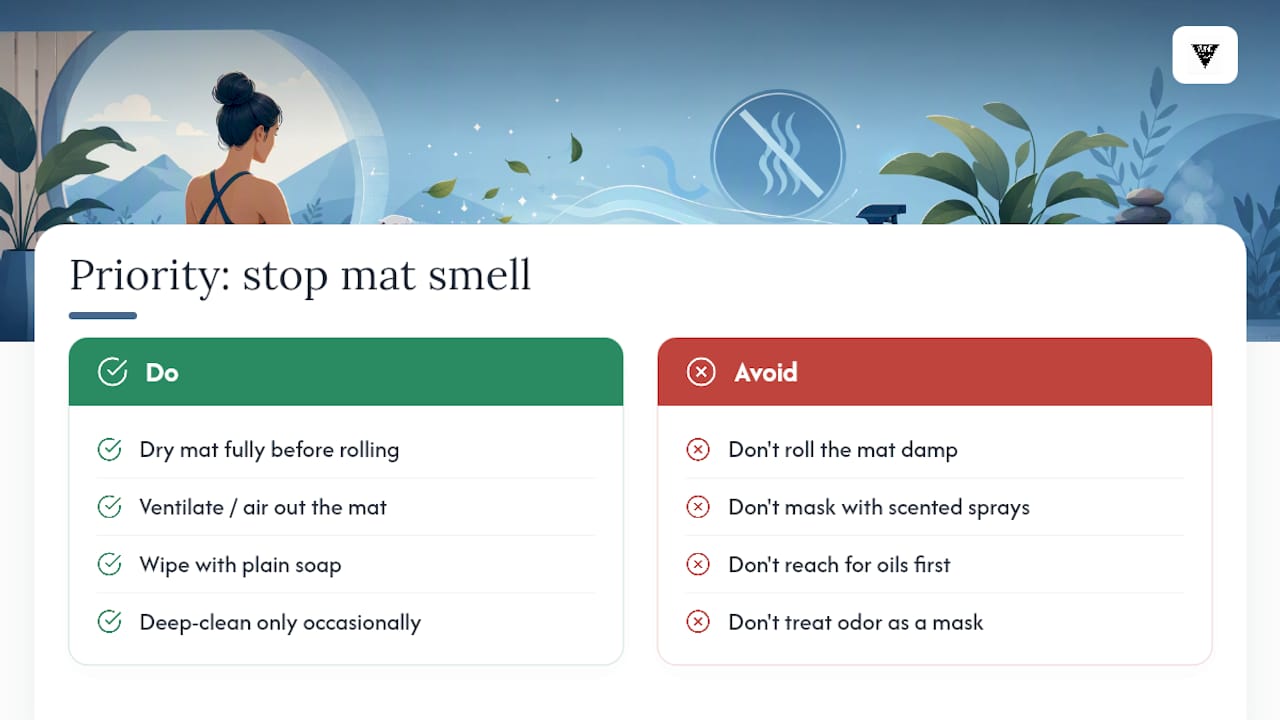
The conventional wisdom oversells vinegar and essential oils as go-to solutions when they’re really backups. Ventilation and a plain soap wipe solve most cases on their own, and reaching for scented sprays first often just layers a new smell over the old one without addressing the moisture underneath it.
If there’s one habit worth prioritizing over every other tip in this guide, it’s drying the mat fully before you roll it. Everything else, the baking soda, the vinegar, the occasional deep clean, is cleanup for a problem that better drying habits would have prevented in the first place.
— Nicholas
Lower-Odor Mat Options From Yune Yoga
If you’ve cleaned a mat repeatedly and the smell keeps coming back, sometimes the material itself is working against you. Yune Yoga’s Natural Rubber Mats and eco-conscious mat lines are built from materials chosen for durability and sustainable sourcing, and some closed-cell constructions tend to hold onto odor less stubbornly than others over time. For travelers dealing with sweat buildup on the go, the foldable travel mat line packs down easily and airs out fast between uses.

None of this replaces good habits, wipe it down, let it dry, store it right, but starting with a mat designed around eco-friendly materials gives you less to fight against in the first place. Browse the full Yune Yoga mat collection to compare natural rubber, eco, and foldable options, or check the yoga accessories collection for care essentials to pair with your next mat.
Sources
- Six Steps for Safe and Effective Disinfectant Use — EPA
- How to Clean and Refresh a Yoga or Exercise Mat — OxiClean
FAQ
Why does my yoga mat smell like rubber?
Natural rubber and dense foam mats off-gas compounds from manufacturing, which produces that rubbery smell in the first few weeks of use. Ventilating the mat in moving air for several days usually fades it, though natural rubber tends to hold scent longer than closed-cell materials, per HTS Yoga’s research.
Why does my new mat have a strong plastic smell?
PVC and some TPE mats release a sharp chemical odor right out of the packaging, which is normal off-gassing rather than a defect. Unrolling it and airing it out in a ventilated space typically clears the smell faster than any cleaning product would.
What kind of yoga mat doesn’t smell as much?
No mat is completely odor-free, but closed-cell materials generally shed new-mat smell faster than natural rubber because they resist moisture absorption. Yune Yoga’s eco-conscious and closed-cell mat options are built with that kind of durable, lower-maintenance material in mind.
How do I get rid of smell from a rubber mat?
Start with ventilation, then wipe the surface with warm water and a few drops of mild dish soap, followed by a clean-water rinse wipe. Let it air-dry fully before rolling, and use baking soda as a dry deodorizer if the smell lingers.
Can I just spray my mat with essential oils to cover the smell?
Fragranced sprays mask odor temporarily but leave a residue that can make the surface slippery and trap smell underneath rather than removing it. A soap wipe and full air-dry addresses the actual cause instead of covering it up.