
Yoga and exercise: how to combine both for a balanced fitness routine
Key Takeaways
Yoga can be a useful part of a broader fitness routine, especially when paired thoughtfully with cardio, strength work, and recovery. The best plan is one that fits your goals, experience, and week.
- Yoga can support mobility, balance, and body control, but it does not replace every kind of exercise.
- Choose a yoga style and session intensity that suit your current needs.
- Pair yoga with cardio and resistance training for a more varied routine.
- Schedule harder sessions with enough time for rest and recovery.
- Progress gradually, modify poses when needed, and track how you feel over time.
How yoga fits into a fitness routine
Yoga can be part of a well-rounded approach to movement rather than a replacement for every other workout. The right mix depends on what you want to improve and which activities you enjoy enough to repeat. Yoga includes many approaches, from slower pose-based sessions to flowing sequences; a brief introduction to yoga’s origins and styles can help put those differences in context. Think of the practice as one useful tool in a larger routine.
Yoga’s role in strength, mobility, and balance
Yoga poses ask you to move with control and hold positions using your own body weight. Depending on the poses and pace, a session may challenge strength, coordination, flexibility, or balance. It can also give you time to notice how a movement feels instead of rushing through repetitions. Those qualities make yoga a flexible complement to other activities, though the demands vary from class to class.
How yoga compares with cardio and resistance training
Yoga, cardio, and resistance training place different demands on the body. A brisk walk or similar aerobic activity raises the heart rate over time; resistance training focuses on working muscles against a load. Yoga often emphasizes controlled movement, poses, breathing, and balance, although vigorous flows can feel physically demanding. Thinking in terms of different training roles makes it easier to combine the activities without expecting one session to do everything.
What yoga may not provide on its own
A yoga practice may not provide the sustained aerobic work or progressive external resistance that someone wants from a dedicated cardio or strength program. That does not make yoga less worthwhile; it simply helps set realistic expectations. For example, a noninvasive muscle treatment is distinct from a movement session, and neither should be confused with the other. Consider what your routine is meant to include, then add activities that address any gaps.
Matching your routine to your fitness goals
Start by naming one or two goals, such as moving more comfortably, improving balance, or building a regular exercise habit. Then choose activities that support those aims while remaining manageable in your schedule. People also fit exercise around other plans, whether they are editing videos for social media or working through a larger earthmoving project; the practical question is how much time and energy are actually available. A realistic plan is more useful than an ambitious one you cannot maintain.
Choosing a yoga style for your goals
Yoga classes can differ in pace, intensity, and how much time they spend on individual poses. A style that feels restorative after a hard workout may not be the one you choose when you want a more vigorous session. If practicing away from home matters to you, the Juliet Trekk Travel Mat is described as a lightweight, reversible mat with textured, non-slip grip. Let your needs guide both your class choice and the practical setup around it.
Gentle yoga for recovery and mobility
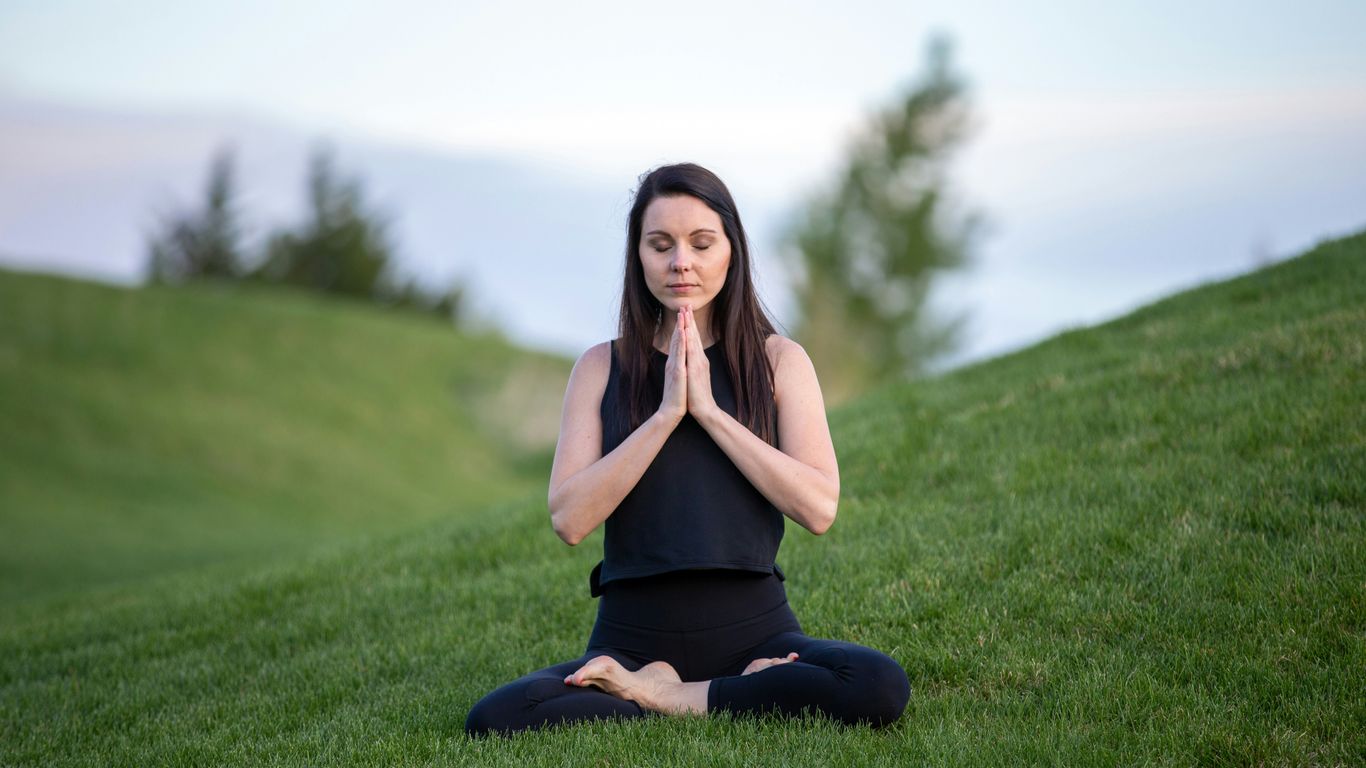
Gentle yoga can offer an unhurried setting for practicing comfortable ranges of motion and steady breathing. It may suit a lighter day or a return to movement after time away, provided the poses feel appropriate for you. Keep the effort easy enough that you can stay attentive rather than pushing to match someone else. A slower class can still be purposeful without feeling like a demanding workout.
Vinyasa and power yoga for a more vigorous workout
Vinyasa links movement with breath, often moving from one pose to the next in a flowing sequence. Power yoga is generally approached as a more vigorous option, but the pace and demands vary by class and instructor. If you are new to either style, it is reasonable to choose a shorter or less intense session first. The aim is to find a challenge you can handle with control, not to turn every practice into a test.
Hatha yoga for a balanced pace
Hatha is often a useful place to begin when you want time to learn poses without a rapid flow. Classes may combine postures, balance, flexibility, and breathing at a measured pace, though teachers structure them differently. That slower rhythm can make it easier to notice alignment and take breaks. Ask about the class format beforehand if you are unsure whether it suits your needs.
How to account for experience and limitations
Experience is only one part of choosing a class; comfort, mobility, and current energy matter too. A session described as beginner-friendly can still include poses that need adjustment, so treat options and pauses as normal parts of practice. For a home setup, the Timon 6mm Yoga Mat is described as offering non-slip grip, balanced cushioning, and a stable feel. Choose the support and level of instruction that help you move with confidence, rather than assuming one style or setup suits everyone.
Benefits of pairing yoga with other exercise
Combining yoga with other forms of exercise gives a routine more variety and lets each activity serve a different purpose. A strength session can focus on resistance, while cardio adds sustained movement and yoga offers time for controlled poses and balance. None of those activities needs to be treated as a cure-all. Instead, build a combination that makes sense for your goals and leaves room to recover.
Using yoga to complement strength training
Strength training can provide a structured way to work against resistance, while yoga offers another setting to practice body control and mobility. Consider scheduling a gentle yoga session on a different day from a demanding lifting workout, or use a short practice as a way to move on a lighter day. Avoid assuming that a stretch or pose automatically prepares every muscle for heavy work. Keep the choice specific to how you feel and what the training session requires.
Adding cardio for heart and lung fitness
Walking, cycling, swimming, and other aerobic activities can add sustained movement to a week that includes yoga. Choose a form of cardio that fits your current fitness and is practical to repeat. The duration and pace can increase gradually as you become accustomed to it. Yoga can sit alongside that work, but a calm class should not be counted as equivalent to every cardio session.
Building flexibility and balance across activities
Different activities challenge coordination and range of motion in different ways. A yoga practice can give balance and controlled movement a more deliberate place in your week, while other exercise adds its own physical demands. If you want to keep the setup simple, a yoga essentials bundle is one option for gathering practice accessories. Use what helps you follow through, and keep the focus on consistent movement rather than accumulating equipment.
Supporting recovery without overtraining
Recovery is part of training, not a reward you have to earn. On a day when you feel tired, a gentle session, an easy walk, or full rest may be a better choice than adding another hard workout. Some weeks also have competing demands, such as vacation rental management, so plan around the time and energy you truly have. A routine should flex when life does; consistency does not require pushing through every sign of fatigue.
How to build a balanced weekly plan
A weekly plan is most useful when it is both varied and realistic. Rather than trying to fit every workout into every day, decide which activities matter most and distribute them across the time you have. Leave room to adjust when a session feels too demanding or a schedule changes. The goal is a pattern you can return to, not a perfect calendar.
Set a realistic mix of yoga, cardio, and strength work
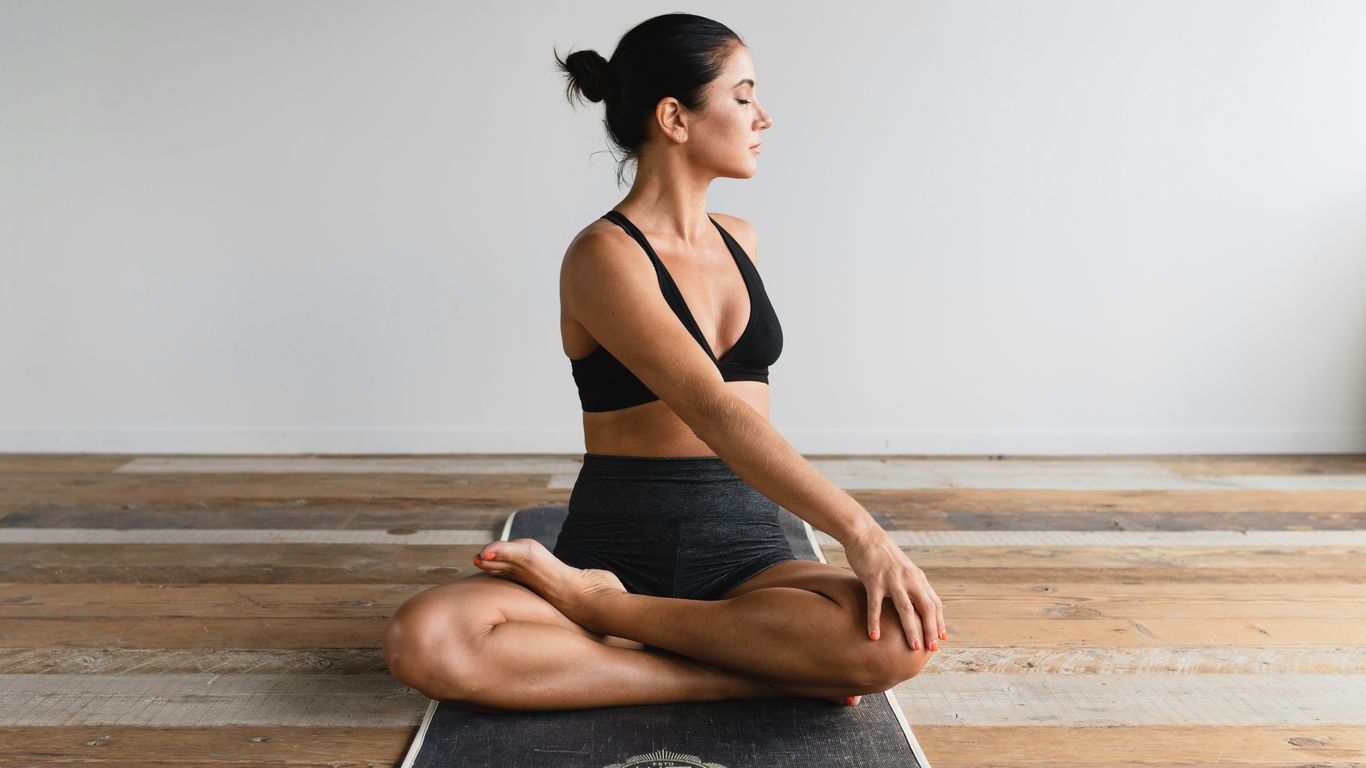
A simple schedule can help you see whether one activity is taking over the week. Use this example as a flexible starting point, not a prescription; adjust the number of sessions to match your experience and availability.
| Activity | Example place in the week | Main reason to include it |
|---|---|---|
| Yoga | One or two sessions | Practice controlled movement and balance |
| Cardio | One or more sessions | Add sustained aerobic movement |
| Strength work | One or more sessions | Work muscles against resistance |
| Rest or easy movement | As needed | Make space for recovery |
The exact mix can change with your goals and how your body responds. Someone beginning a routine may start with fewer sessions, then add time or frequency gradually. A short plan you can repeat is a stronger starting point than a full week that feels impossible to sustain.
Choose when to schedule yoga around harder sessions
Think about the effort level of each session, not just the activity label. A vigorous flow may feel like a hard workout, while a gentle practice may be easier to pair with a challenging training day. Try not to stack demanding sessions simply because they fit on the calendar. Notice how you feel the next day and adjust the order if recovery is suffering.
Adjust workout length and intensity as needed
Session length does not have to stay fixed. A shorter practice can preserve the habit on a busy day, while a longer session may suit a day when you have more time and energy. You can also lower the pace or choose simpler poses without treating the workout as a failure. If you are choosing gear for a practice that moves between locations, The Reed Yoga Towel by Yune Yoga is described as an absorbent microfiber towel with a slip-resistant silicone backing.
Make room for rest and recovery
Recovery can mean a full rest day, a gentle walk, or an easy mobility session, depending on how you feel. Try to notice whether tiredness is brief or building from one workout to the next. A plan that includes easier days is more adaptable when work, travel, or family commitments shift. Rest is a practical part of keeping a routine going over time.
How to adapt yoga to different fitness levels
There is no single starting point that works for everyone. A useful practice meets you where you are today, with enough room to pause, adjust, or try a simpler version of a pose. Build familiarity before adding more duration or intensity. If your circumstances change, your approach can change with them.
Start with beginner-friendly poses and shorter sessions
If you are new to yoga, begin with a short session that introduces a few basic poses and gives you time to understand the instructions. You do not need to keep up with a faster class or complete every movement. Rest whenever you need to, and choose a range of motion that feels manageable. Repeating a simple sequence can help you become familiar with the practice before adding complexity.
Progress gradually as strength and control improve
When a session begins to feel comfortable, increase one element at a time: perhaps the duration, the number of sessions, or the difficulty of a pose. Pay attention to whether you can keep moving with steady control as the challenge grows. If form becomes rushed or fatigue changes how you move, step back to an easier option. Progress is easier to assess when you make gradual adjustments rather than several at once.
Modify poses for injuries or restricted mobility
A pose can often be changed by reducing its range, changing your position, or skipping it. Do not treat discomfort as something you must push through to get the benefit of a session. If you have an injury or ongoing mobility concern, seek advice from an appropriate health professional about what movement is suitable. A modification should make the practice more manageable, not force your body into a shape it cannot comfortably hold.
Follow guidance from a qualified instructor when needed
An instructor can help explain options, demonstrate a movement, and offer cues suited to a class. This may be especially useful when you are unfamiliar with a pose or unsure how to adapt it. Let the instructor know about relevant limitations before class, and ask questions when instructions are unclear. If a session does not feel appropriate, choosing another class is a sensible adjustment.
How to practice safely and track progress
A safe, repeatable practice depends on paying attention as much as it does on following a sequence. Warm up gradually, move with control, and take breaks when you need them. Keep a simple record of your sessions and how they felt, rather than judging progress only by how difficult a pose looks. Small observations can help you make better decisions about what to do next.
Warm up and use controlled movement
Begin with a few minutes of easy movement before attempting more demanding poses or transitions. Move at a pace that lets you stay aware of your breathing and position. Avoid bouncing or forcing a stretch to reach a particular shape. If a transition feels abrupt, pause and reset before continuing.
A brief instructional video can help you see how a sequence flows, but follow only the movements that feel suitable for you. Use it as a reference, not as a reason to ignore pain or fatigue.
Pay attention to pain, fatigue, and recovery
Muscle effort and mild stretching sensations are not the same as sharp, persistent, or worsening pain. Stop or change a movement if it hurts, and give yourself time to recover when fatigue affects your control. If symptoms continue or you are unsure what is safe, consult a qualified health professional. Taking a pause is often the clearest way to protect a practice you want to keep doing.
Use props or modifications to support good form
Props can help make a pose more accessible or stable, depending on the movement and your needs. A block, strap, or folded blanket may offer support, but using a prop is not a requirement or a sign that you are doing less. Choose an adjustment that lets you move comfortably and steadily. If you are unsure how to use an item, ask an instructor to demonstrate.
Track consistency, mobility, and workout performance
A short log can show patterns that are hard to remember from one week to the next. Keep it simple and record details that help you make choices about your routine:
- Note which sessions you completed and roughly how long they lasted.
- Record whether a practice felt easy, moderate, or demanding.
- Track movements or ranges that feel more comfortable over time.
- Write down fatigue, pain, or recovery concerns that affect your next session.
Review those notes every few weeks and adjust one part of the plan if needed. Progress may show up as greater consistency or improved control, not only as harder poses or longer workouts.
Conclusion
Yoga can fit naturally into a balanced fitness routine when it is paired with activities that meet other goals and scheduled with recovery in mind. Choose a style and pace that suit your current experience, make adjustments when your needs change, and focus on a plan you can return to consistently.
Frequently Asked Questions
Can yoga count as exercise?
Yes. Yoga involves movement and poses, and some styles can be physically demanding. The type and intensity of effort varies, so it may not replace cardio or resistance training if those are part of your goals.
Should I do yoga before or after strength training?
It depends on the intensity of the yoga session and how you feel. A gentle practice may fit on a lighter day, while a vigorous flow may be better scheduled separately from a demanding strength workout.
Is yoga enough for a balanced fitness routine?
Yoga can contribute to a routine, but it may not provide every kind of aerobic or resistance exercise you want. Consider including other activities that match your goals and current fitness level.
How many days a week should I do yoga?
There is no single schedule for everyone. Start with a manageable number of sessions, notice how you recover, and adjust frequency according to your time, goals, and experience.
What type of yoga is best for beginners?
A beginner-friendly or slower-paced class can give you more time to learn poses and make adjustments. Class formats vary, so check the description and choose one that feels appropriate for you.
Can I do yoga if I have an injury?
That depends on the injury and the movements involved. Ask an appropriate health professional what activity is suitable, and let your instructor know about limitations so you can discuss modifications.
How can I tell if my fitness routine is working?
Look for signs that the routine is sustainable, such as regular participation, comfortable recovery, and improvements in areas you care about. A brief activity log can help you notice changes and decide when to adjust your plan.


