

Cost of yoga mats: a guide to prices, materials, and value
Key Takeaways
Yoga mats range from simple, inexpensive options to higher-priced mats with specialized materials or features. The best value depends on how you practice, what you need to carry, and how long you expect the mat to last.
- Basic mats can suit occasional practice, while frequent use may make comfort and durability more important.
- Material, thickness, size, and construction all affect the price.
- Specialty and travel mats can cost more, but their features matter only if you will use them.
- Remember to account for shipping, accessories, care, and eventual replacement.
- Compare practical performance and return policies, not price alone.
How much yoga mats typically cost
The cost of yoga mats varies widely, but many shoppers will find options from around $15 to more than $100. These ranges are only a rough guide: retailer, material, sales, and product dimensions can all shift the price. Think of the price bands as a starting point, then compare the features you expect to use.
What to expect from budget mats
Budget mats often cost about $15 to $30 and can be a practical entry point for occasional home practice. Many are made from basic synthetic materials and offer straightforward cushioning, though thickness and grip vary by model. A lower price is not automatically a poor choice; it simply makes sense to check that the mat feels stable and comfortable enough for your routine.
What midrange mats usually offer
Mats in the approximate $30 to $70 range may offer more choices in thickness, size, surface texture, and material. Rather than assuming a higher price means better performance, compare product details and consider what matters in your own practice. This quick comparison can help make the price bands easier to interpret:
| Approximate price | Common trade-off | A useful question |
|---|---|---|
| $15–$30 | Simple construction and fewer options | Does it feel stable and comfortable? |
| $30–$70 | More variation in materials and features | Which added feature will I use? |
| $70 and up | Specialty materials or design details may be available | Does the difference matter for my practice? |
Treat the ranges as a screening tool, not a promise about what any particular mat includes. Check the current listing for its actual dimensions, material, and care instructions.
What premium mats may include
Premium mats can cost $70 or more, particularly when they use specialty materials, have extra length or thickness, or are designed around particular performance preferences. That price does not guarantee a mat will suit you better. It is worth paying more only when a specific feature solves a real problem, such as needing more space or wanting a particular surface feel.
How prices vary by retailer and region
The same kind of mat may be priced differently across stores, and seasonal promotions can change the comparison. Local availability, shipping charges, and taxes also affect what you actually pay. If you are shopping in person, you can sometimes handle a mat before buying; online, read the specifications and return terms carefully. For local shopping ideas, this yoga mat buying guide discusses trying mats at nearby studios and stores.
What affects the cost of a yoga mat
A mat’s price reflects more than its material label. Construction, dimensions, product design, and sourcing can all contribute, while two mats made from similar materials may still feel and perform differently. Looking at these factors separately helps you decide which price differences are meaningful.
Materials and manufacturing methods
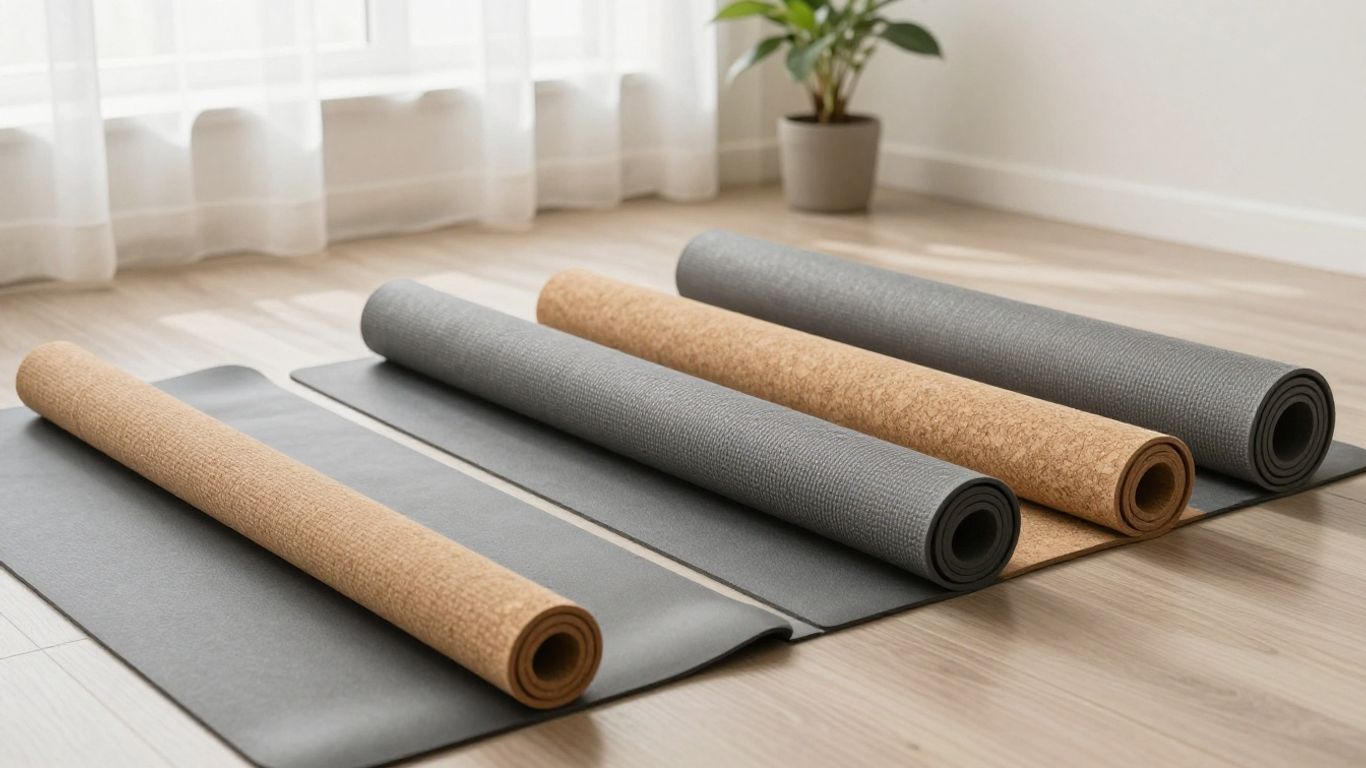
Materials influence texture, weight, care, and price, but the label alone does not explain the whole experience. Synthetic options, natural rubber, cork, and other specialty surfaces each come with different practical considerations. Manufacturing choices and the amount of material used can also affect the final cost. A detailed yoga mat materials guide can help you compare those trade-offs before choosing.
Thickness, size, and added features
More material, extra length, and wider dimensions can add to a mat’s cost and weight. Additional features may include a different surface texture or a design that folds for travel, but it is useful to check the actual measurements rather than rely on general labels. Pay for the space you need rather than assuming that bigger or thicker is automatically better.
Brand reputation and product design
A familiar brand name or distinctive design may influence a mat’s price, but neither tells you on its own whether the mat is right for your practice. Look for clear specifications, a useful description of the material, and policies that let you assess your purchase. Visual style can be part of the decision, too, as long as it does not distract from grip, comfort, and care.
Sustainability and ethical sourcing
Some shoppers are willing to spend more for materials or sourcing practices that align with their priorities. The details differ by product, so look for specific information rather than assuming a broad eco-friendly label guarantees a particular standard. If sustainability is important to you, weigh it alongside durability and maintenance; a mat that suits your needs and gets regular use may be a more satisfying purchase than one chosen for a label alone.
How mat type influences the price
Different mat types solve different practical problems, and the materials often shape both the price and the care routine. A simple mat may be enough for a steady home setup, while travel or specialty options can prioritize portability or a particular surface. Before comparing prices, consider where you will practice and what you want the mat to do.
Basic PVC mats
Basic PVC mats are often among the lower-cost options, with a familiar, simple construction. Their feel and grip can vary, so it is sensible to check thickness, surface texture, and cleaning instructions. They may work for someone who wants an uncomplicated mat for home or occasional use, but price alone cannot predict comfort or durability.
Natural rubber mats
Natural rubber mats are often positioned above basic budget choices, though prices vary by thickness, size, and construction. Their weight and care requirements may differ from those of lighter synthetic mats, so consider how you will transport and maintain one. For a more detailed look at natural and synthetic options, consult this material comparison guide.
Cork and other specialty materials
Cork and other specialty materials can carry a higher price when their surface or construction is designed for a particular preference. Since product details vary, compare the mat’s full material description and care instructions rather than relying on a material name alone. If you want extra context on how premium mats are priced, this overview of professional yoga mats discusses materials, sourcing, and longevity.
Travel and extra-wide mats
Travel mats tend to put portability first, often using a design intended to be thin, light, or easy to pack. Yune Yoga offers foldable travel mats designed to make practicing in different places convenient. These may be useful for a hotel room, park, or trip, though a travel mat’s thinner build may feel different from a thicker mat kept at home. Extra-wide mats, by contrast, trade some portability for more room to move.
How to compare materials and performance
Price comparisons become more useful when you test them against the conditions in which you practice. A mat that feels secure in a dry room may feel different during a sweaty session, and a plush surface may not suit every standing pose. Read specifications, but consider how the material, thickness, and care requirements will fit into your routine.
Grip in dry and sweaty conditions
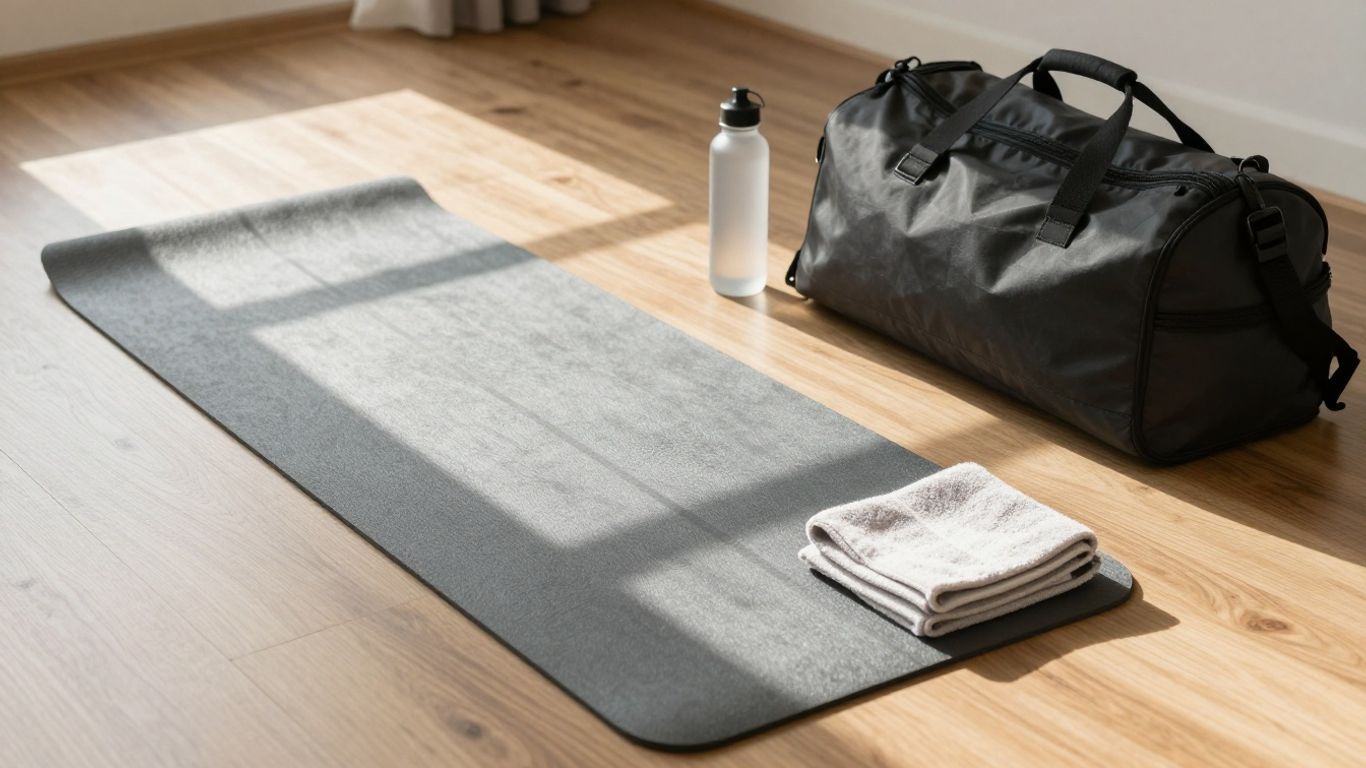
Grip depends on the surface and on the conditions where you practice. If you tend to sweat, check whether the product information describes its surface for that use, and consider whether you prefer a mat or an absorbent layer. Yune Yoga offers absorbent yoga towels, which are an option for people who want an absorbent accessory in their setup. If possible, try the surface before committing to a higher price.
Cushioning, stability, and joint comfort
Thickness can change how a mat feels under hands, knees, and feet, but extra cushioning is not always the most stable choice for standing poses. Think about the movements you practice most and whether you want a softer or firmer feel. A beginner-focused mat selection guide also covers thickness, material, grip, size, and durability.
Weight, portability, and durability
A mat that stays at home can be heavier than one you carry on a commute or pack for a trip. Portability is one reason Yune Yoga offers foldable travel mats; compare the folded or rolled dimensions and weight listed for any mat you are considering. A light mat is convenient to carry, while durability matters if it will see frequent use. The right balance depends on where the mat will live between sessions.
Cleaning and care requirements
Care instructions are part of a mat’s real cost because they affect how easy it is to keep the surface in usable condition. Check whether the manufacturer recommends a particular cleaning method, and avoid assuming that every material tolerates the same products. A mat that is simple to care for may fit a busy routine better than one that requires more attention, even if the initial price is similar.
Extra costs to consider
The listed price is not always the amount you will spend to get started. Delivery, tax, accessories, and upkeep may add to the total, especially when you are buying online or building a portable setup. A little planning helps distinguish a genuinely affordable option from one that only looks inexpensive at first glance.
Shipping, taxes, and return fees
Check the delivered price before placing an order, including shipping and applicable taxes. If you are unsure about size or feel, read the return policy and see whether return shipping or a restocking fee applies. It can also help to compare a few stores and current offers; these smart shopping strategies cover price tracking, discounts, and shipping considerations.
Straps, bags, and other accessories
A carrying strap or bag can be useful if you take your mat to class or travel with it, but accessories should fit a real need rather than simply expand the purchase. Yune Yoga offers durable yoga straps, an accessory to consider when portability is part of your routine. For a broader practice budget, keep optional gear separate from the mat’s base price.
Cleaning products and mat maintenance
Some mats can be cleaned with simple supplies, while others have specific care directions. Follow the product instructions and avoid buying specialty cleaners before checking whether they are recommended. Small maintenance costs can add up, but a manageable care routine may help you get more use from the mat you already own.
Replacement costs over time
A low initial price may be less attractive if the mat needs to be replaced sooner than a more durable option, though no material guarantees a particular lifespan. Consider how often you practice and how much wear the mat is likely to get. Wider household budgets can include unrelated expenses too, from impact-resistant roofing costs to gear purchases; keep those separate when deciding what you can spend on a mat. If setting up in a new area, locksmith service locations are another distinct practical search, not part of the mat’s cost.
How to choose a mat that fits your budget
A good budget is one that reflects how you actually practice, not the most expensive mat you can justify. Start with the main job the mat needs to do, then compare options that meet that need. This makes it easier to avoid paying for features that sound appealing but will rarely matter to you.
Match features to your yoga practice
For home practice, you may care most about comfort and stability; for travel, weight and packability may matter more. If you practice in different places, portability can be worth considering alongside surface feel and dimensions. Some people also combine yoga shopping with broader travel plans, such as considering family-friendly Las Vegas activities or comparing costs of living abroad, but those plans should remain separate from the mat’s price. A mat purchase is easier to judge when its purpose is clear.
Set a realistic spending range
Choose a spending range before browsing, then compare only products that meet your basic requirements. Include any accessories, delivery, or care items you expect to need. These checks can keep the decision grounded:
- Set a maximum total, including shipping and tax.
- List the two or three features you will use most.
- Decide whether the mat needs to travel with you.
- Leave optional accessories out unless they solve a practical problem.
With those limits in place, you can weigh a sale against the complete cost rather than focusing on the discount alone. For some shoppers, choosing among different destinations is part of a larger relocation budget; affordable places to live and work covers that separate decision, not yoga gear.
Check warranties and return policies
Warranty coverage and return terms can matter when you are buying a mat you have not handled in person. Read the conditions closely, including exclusions and any deadline for returns. A clear policy can reduce uncertainty, but it should not replace checking the material, dimensions, and care information before ordering.
Assess long-term value before buying
Long-term value comes from a mat that fits your routine and remains comfortable and practical to use. Compare the upfront price with the features you genuinely need, the likely care involved, and how often you expect to practice. You can also check a yoga mat sale guide for ways to compare deals, but confirm the final price and product details yourself. The most expensive choice is not automatically the best value, and the cheapest may not be the easiest to live with.
Conclusion
The cost of yoga mats depends on material, size, construction, and the features that make a difference in your practice. Set a realistic total budget, compare care and return details, and choose the mat that fits your routine—whether that means a simple home option or something light and foldable for travel.
Frequently Asked Questions
How much should I spend on a yoga mat?
It depends on how often you practice and which features matter to you. Set a range that includes delivery and any accessories, then compare mats within it.
Are expensive yoga mats worth it?
A higher price may reflect specialty materials, size, or design, but it does not guarantee a better fit. Paying more makes sense when the added features solve a real need.
What is the least expensive type of yoga mat?
Basic synthetic mats are often among the lower-priced options. Compare grip, thickness, and care instructions, since products in the same general category can still differ.
Does a thicker mat cost more?
Thickness can affect price, but it is only one factor alongside material, dimensions, and construction. Choose a thickness that feels comfortable and stable for your practice.
Are travel yoga mats more expensive?
Some travel mats cost more because they are designed around portability or particular materials, while others are fairly simple. Compare weight, folded size, and intended use rather than assuming every travel mat has the same price.
What extra costs should I include?
Consider shipping, taxes, return fees, and any accessories or care products you actually need. These costs can change the total compared with the product listing price.
How can I tell whether a yoga mat is good value?
Check whether its material, grip, dimensions, care needs, and return policy suit your practice. A good value is one you will use comfortably, not simply the lowest-priced option.

