

How to choose the best yoga mat with cushion for your practice
Key Takeaways
A comfortable mat balances cushioning with the steadiness your poses need. Think about where and how you practice, then compare materials, grip, weight, care, and cost before choosing.
- More padding can ease pressure on knees and hips, but may feel less stable in standing poses.
- Material and surface construction affect grip, weight, care, and how a mat feels underfoot.
- Match thickness and traction to your usual style, especially if you practice flowing or heated yoga.
- Consider whether the mat will mostly stay at home or travel with you to class and elsewhere.
- Compare long-term comfort and durability with the full cost, not just the initial price.
Understand how cushioning affects your practice
Cushioning changes how a mat feels during kneeling, seated, and standing poses, so the most padded option is not automatically the best fit. Your preferred practice, body comfort, and sense of balance all matter. A little testing can tell you more than a thickness number alone. Use these points as a starting place, then adjust for what feels steady and comfortable to you.
How mat thickness changes comfort and stability
A thin mat may feel firm beneath your joints and let you sense the floor clearly, while a thicker one can soften contact during seated or kneeling poses. More padding can also compress under your feet, which some people notice during balance work. The right amount is a personal trade-off, not a universal measurement. For a closer look at thickness and joint support, consider how the mat feels in both grounded and standing positions.
Cushioning needs for knees, wrists, and hips
Notice which poses tend to put pressure on your body. Kneeling sequences may call for more cushioning at the knees, while seated work can make firm flooring noticeable at the hips. If discomfort is limited to one pose, try adjusting your position or adding a folded blanket rather than assuming you need the thickest mat available. A supportive, steady feel is often a more useful goal than maximum softness.
When extra padding can make balance poses harder
In standing poses, a thick, soft surface may shift slightly beneath your weight. That can make it harder to feel planted, particularly if you are used to practicing on a firm floor. If balance is a priority, test a pose you know well before choosing extra cushioning. A mat should feel comfortable without making you feel disconnected from the ground.
Compare mat materials and construction
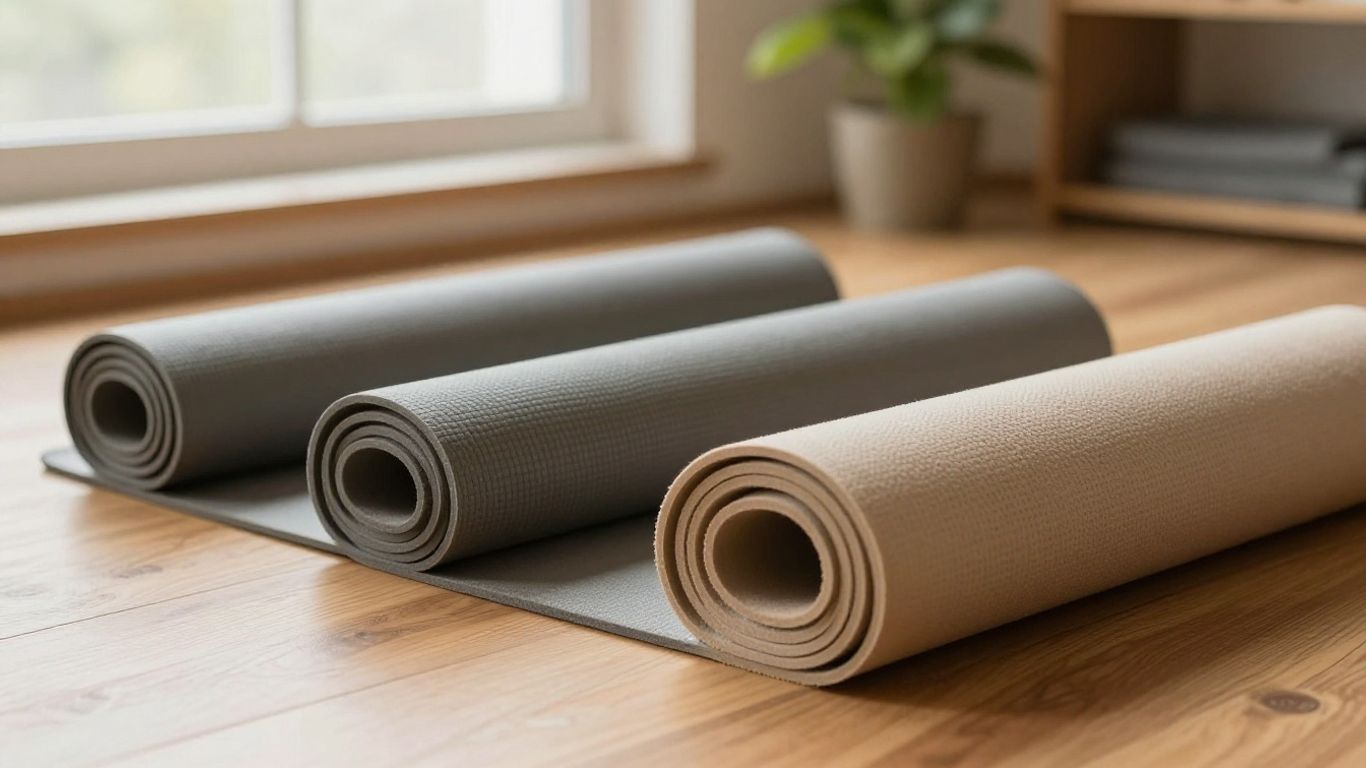
The material and surface design influence a mat’s feel, traction, and care needs. Labels can help you narrow the choices, but they do not tell the whole story: texture, density, and how the layers are joined matter too. Consider what the mat will face in your regular routine, from dry home practice to damp, active sessions. The photo below offers a visual pause as you think through those differences.
Foam, rubber, and other common materials
Foam mats are often chosen for their light feel and cushioning, while rubber mats can feel denser and more substantial. Other materials and blends vary, so compare the specific mat rather than relying on a broad category label. Texture, weight, and how the surface feels against your hands can matter as much as the material itself. If you are weighing rubber in particular, this guide to rubber mat characteristics can help frame what to compare.
Closed-cell and open-cell surfaces
Surface construction affects how a mat handles moisture and cleaning. A closed-cell surface tends to keep moisture near the surface, while an open-cell texture can absorb more of it. Neither description alone tells you whether a mat will feel grippy during your practice, so check the care instructions and try it with dry and damp hands if possible. For a heated session, you may also want a towel over the mat.
How layered construction affects support and durability
A mat may use more than one layer to combine a cushioned base with a different surface feel. The details vary between products, so look for clear information about what each layer does and how the edges are finished. A simple comparison can help you keep the important trade-offs in view:
| Construction detail | What to consider | Possible trade-off |
|---|---|---|
| Single-layer foam | Lightness and a simple feel | May feel less substantial underfoot |
| Dense rubber | A firmer, heavier surface | Can be less convenient to carry |
| Layered build | Different feel above and below | Edges or layers need sound bonding |
| Textured surface | How it feels during transitions | Texture may collect dust or lint |
Use the table as a prompt, not a verdict: individual mats can differ even when they share a material or construction label. A few minutes on the surface, when possible, helps you decide whether its support and texture suit your practice.
Match the mat to your yoga style
Your usual class or home routine gives useful clues about cushioning, grip, and surface feel. A slow practice may leave you seated or kneeling for longer, while a flowing sequence asks the mat to feel dependable as you move between poses. Heated sessions add moisture to the equation. If you move between styles, look for a balanced option that feels comfortable across most of them rather than perfect for only one.
Gentle and restorative yoga
Gentle and restorative practices often involve longer periods in seated or reclined positions. Comfort may matter more than a very lightweight build, especially if a firm floor bothers your knees or hips. Try the mat in the positions you spend the most time in, and consider its length if you like to stretch out fully. For more ideas on a slower setup, explore meditation and restorative practice.
Vinyasa and other flowing practices
Flowing yoga involves repeated transitions, so a mat that feels steady under both hands and feet can make the sequence more comfortable to move through. A little cushioning may help, but too much softness can affect how planted you feel in standing poses. If you travel between home and class, weight can matter as much as the surface. Browse independent mat comparisons for a broader sense of the features people commonly weigh.
Hot yoga and high-sweat sessions
Sweat can change how your hands and feet feel on a mat, and surface traction may feel different when damp. Check whether the maker recommends a towel or a specific cleaning routine for sweaty sessions. Yune Yoga offers absorbent yoga towels, an accessory option for a practice where moisture is part of the setup. Whichever arrangement you choose, test it before relying on it in a fast sequence.
Check grip, weight, and portability
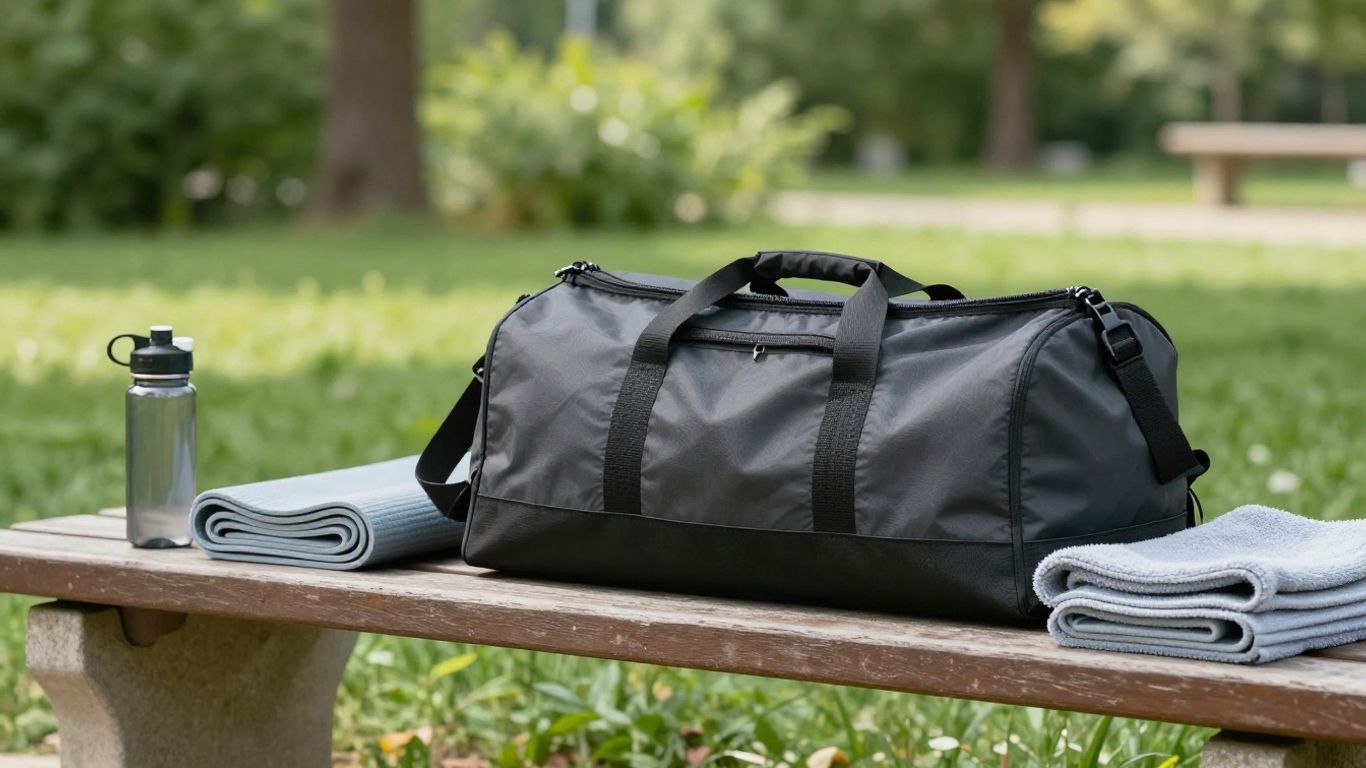
A mat can feel cushioned in a quiet room and still be awkward to use on the go. Think about whether it grips well enough for your movements, how much weight you want to carry, and where you will practice most often. If you value a setup that travels easily, Yune Yoga offers foldable travel mats designed to be convenient to pack. The image below captures the kind of compact kit that can fit into a day out.
Surface traction when dry or damp
Test grip with the hands and feet you use in familiar poses, first when dry and, if appropriate, when slightly damp. A surface that feels secure during a calm stretch may behave differently in a sweaty flow. If you are comparing options, notice whether the texture stays comfortable during transitions rather than judging it from a single pose. Avoid assuming that a grippy feel in one condition guarantees the same feel in another.
Mat weight and carrying options
A heavier mat may feel substantial at home but become a nuisance on a long walk or commute. A thinner, lighter mat is easier to pack, though it may offer less cushioning on hard floors. Consider how far you carry your gear and whether it needs to fit into a suitcase or day bag. Yune Yoga also offers durable yoga straps as part of its accessories; choose any extra gear according to the way you actually carry and use your kit.
Choosing a mat for home or studio use
A mat that stays in one place can prioritize comfort and size, while a studio mat may need to balance those qualities with manageable weight. If you practice in different locations, think about the surfaces you encounter and how much room you have to unroll your mat. Travel plans can include practice stops as well as sightseeing, from a hotel room to family-friendly Las Vegas outings. Keep the setup simple enough that taking it along feels easy rather than like another chore.
Evaluate durability and care
A mat’s useful life depends on its construction, how often you practice, and how you care for it. Look for changes in cushioning or surface feel, not only obvious tears. Cleaning instructions can vary by material, so follow the maker’s guidance rather than reaching for a strong cleaner by default. Small habits after practice can help keep a mat ready for the next session.
Signs of wear that affect cushioning
Pay attention to areas that have become noticeably thinner, uneven, or less supportive than the rest of the mat. Peeling, cracks, or a surface that has changed texture may also affect how it feels during practice. If a worn patch shifts under your hands or feet, that is a practical reason to reassess the mat. Compare its current feel with how it behaved when new, rather than relying on appearance alone.
Cleaning and drying different mat materials
Check the care label before cleaning, since materials and surfaces may need different treatment. Some mats can be wiped down, while others may need gentler cleaning and more time to dry fully. Avoid packing a damp mat away; trapped moisture can leave it unpleasant to unroll. After cleaning, let it dry completely in a well-ventilated spot before storing it.
Storage habits that help a mat last longer
Where you keep a mat can affect how it holds its shape and surface condition. Avoid leaving it in a hot car or folding it in a way the maker does not recommend. A simple end-of-practice routine is often enough to keep gear in good shape:
- Wipe away sweat or dust using the method recommended for the mat.
- Let the surface dry fully before rolling or packing it.
- Store it away from prolonged heat and direct sunlight.
- Check occasionally for worn spots, peeling, or changes in support.
These steps are easy to adapt to your mat’s care instructions. A little attention between sessions makes it easier to notice wear before it starts affecting how the surface feels.
Set a budget and compare value
Price alone does not tell you whether a mat is a good fit. Compare the features you will use, such as cushioning, a manageable weight, or a surface that suits your practice, with how often you expect to use it. Think about replacement costs and care as well as the initial purchase. A clear budget can help you focus on practical trade-offs rather than extras you may not need.
What to expect at different price points
Lower-cost mats can be a sensible starting point, especially if you are still learning what thickness and surface feel you prefer. Higher-priced options may offer different materials or construction, but the price tag itself does not promise a better experience for your body or style. Compare specifications and care details side by side, and look for price-tracking and discount tips if you are not in a rush to buy. The best value is the mat you will use comfortably and consistently.
Which features are worth paying more for
Prioritize features that solve a real problem for your routine. If you carry your gear often, lighter weight or a foldable design may matter more than extra thickness. If you practice at home on a firm floor, cushioning may be the feature you notice every time. Use a short list of needs before shopping so that attractive extras do not distract from comfort, traction, and portability.
How to weigh warranties and replacement costs
Read warranty terms carefully and check what they do and do not cover; policies differ between makers. Consider how frequently you practice, whether the mat may need replacing sooner with heavy use, and what care it requires. Comparing total cost is a useful habit across purchases, whether you are checking bank account types, impact-resistant shingles, or locksmith services. For yoga gear, keep the comparison grounded in the mat’s documented materials, intended care, and the way it feels under you.
Conclusion
The best yoga mat with cushion is the one that makes your usual practice feel comfortable without compromising steadiness, grip, or convenience. Compare how it feels in the poses you do most, then weigh its material, care, portability, and long-term cost. A thoughtful fit beats extra padding for its own sake.
Frequently Asked Questions
How thick should a yoga mat be for cushioning?
There is no single ideal thickness for everyone. Consider how your knees, hips, and wrists feel on the floor, and test whether extra padding affects your stability in standing poses.
Is a thicker yoga mat always more comfortable?
Not necessarily. More padding can soften contact in seated and kneeling poses, but a very soft surface may feel less steady during balance work.
What mat material is best for yoga?
The right material depends on the feel, weight, grip, and care you prefer. Compare specific mats and their care instructions instead of choosing by material name alone.
How can I tell if a yoga mat has enough grip?
Try it with your hands and feet in familiar poses, paying attention to both stationary holds and transitions. If you sweat, consider how the surface feels when damp and whether a towel is recommended.
Are thick mats suitable for flowing yoga?
They can work for some people, but extra softness may make fast transitions or standing balance poses feel less stable. Test the mat in the kinds of poses you practice regularly.
How do I clean a yoga mat?
Follow the care instructions for its material and surface. Let the mat dry completely before rolling it or putting it away.
When should I replace my yoga mat?
Consider replacing it if cushioning has become uneven or thin, the surface is peeling or cracked, or wear makes your hands and feet feel less secure.

