

Yoga and exercise: how they compare and how to combine them
Key Takeaways
Yoga can be a useful part of a fitness routine, but its effects depend on the style and how you practice. Pairing it with cardio and strength training can help create a plan that feels balanced and manageable.
- Yoga can develop flexibility, balance, mobility, and some forms of strength.
- A faster-paced class may feel vigorous, while a slower one may suit mobility or relaxation.
- Cardio and strength training offer specific benefits that yoga may not fully replace.
- A balanced schedule includes different kinds of movement, easier days, and rest.
- Choose a style and schedule that fit your goals, experience, and current ability.
How yoga fits into a fitness routine
Yoga can be a workout, a way to practice moving with control, or a quieter complement to other activity. What you get from it depends on the poses, pace, and time spent practicing. It can fit into a routine on its own or alongside other forms of exercise.
What counts as yoga-based exercise
Yoga-based exercise commonly combines physical poses with movement and breathing. Some classes connect poses in flowing sequences; others hold poses longer or build in time for relaxation. The precise mix varies, so it helps to look at the class description rather than assume every session feels the same. A review of yoga and exercise also considers how movement overlaps with the distinct roles of breathing and mindfulness.
How yoga supports flexibility, balance, and mobility
Moving into and out of poses gives you practice exploring a comfortable range of motion. Balance poses ask you to steady yourself, while transitions can build coordination and body awareness. These qualities may carry over to everyday tasks, though progress tends to come from regular, appropriately challenging practice rather than a single class. The broader idea of yoga fitness often includes stretching and mobility work as part of an overall routine.
When yoga can build strength
Some poses ask you to support your body weight, stay steady, or control a movement over time. Those demands can challenge muscles, especially when a sequence includes standing poses, planks, or other weight-bearing positions. The level of challenge depends on the practice and the person; yoga may contribute to strength, but it does not automatically provide the progressive resistance of a dedicated strength program. A useful strength stimulus should feel challenging without requiring you to force a pose.
How intensity varies across yoga styles
A class with continuous movement may feel quite different from one centered on longer holds and rest. The pace, transitions, pose choices, and instructor’s guidance all affect how demanding a session feels. For a quick look at common distinctions, yoga includes styles ranging from beginner-friendly Hatha to more vigorous Vinyasa and Ashtanga, as outlined in this guide to popular yoga styles. Let the actual class format, not just its name, guide your expectations.
How yoga compares with other forms of exercise
Yoga and other exercise can share movement, effort, and the possibility of building a consistent routine. Still, different activities challenge the body in different ways. Comparing their typical demands can help clarify what you want each session to contribute.
Yoga versus cardio for heart and lung fitness
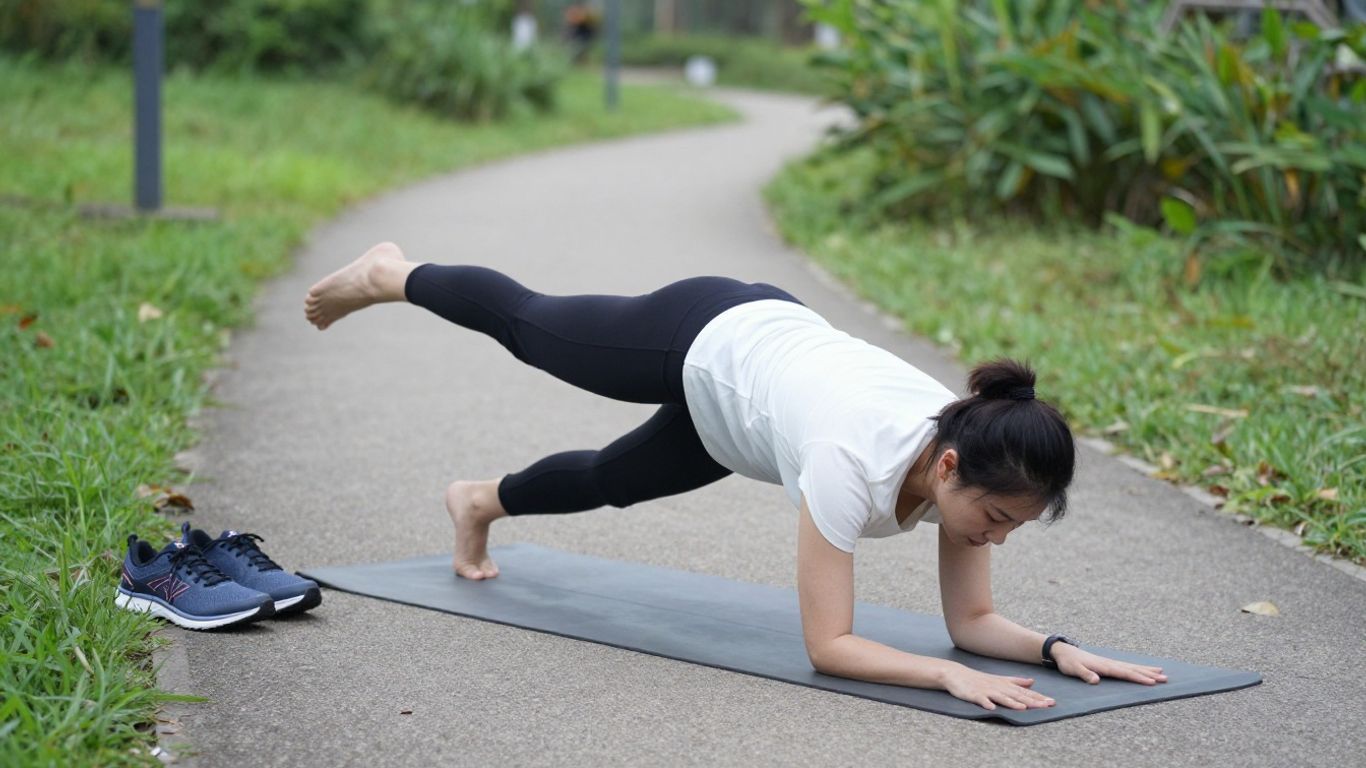
Cardio activities such as brisk walking, cycling, or running usually involve sustained movement that raises breathing and heart rate. A vigorous yoga class can also feel demanding, but the intensity may rise and fall as poses and pauses change. Rather than treating one type as a universal substitute for another, consider how each session feels and what your routine needs. This table offers a simple way to think about their usual emphasis.
| Activity | Typical emphasis | What to consider |
|---|---|---|
| Yoga | Poses, control, and mobility | Pace and effort vary by class |
| Walking or cycling | Sustained rhythmic movement | Duration and pace affect intensity |
| Running | Repeated, continuous movement | Effort can vary from easy to vigorous |
| Strength training | Resistance against a load | Exercises can target particular muscle groups |
These are broad patterns, not strict rules: a brisk yoga class and an easy walk can feel less different than two classes with very different pacing. Choose based on the training effect you are seeking, and pay attention to how your body responds.
Yoga versus strength training for muscle development
Yoga can challenge muscles through body-weight support, balance, and controlled holds. Strength training makes it easier to select and gradually increase resistance for particular movements, which is useful when building a structured plan for muscle development. The two approaches can complement each other, but they are not identical. If building strength is a priority, consider how yoga fits alongside exercises that provide a clear, repeatable resistance challenge.
Where yoga and exercise overlap
Both yoga and other kinds of exercise can involve repeated practice, physical effort, and adjustments to match your ability. A yoga sequence may include muscular work, while many exercise sessions also require balance and coordination. The overlap is real, but the emphasis can differ from one session to the next. Thinking in terms of what a workout asks you to do is often more useful than sorting every activity into a single category.
Why one practice may not replace every other workout
A single activity rarely covers every training goal equally well. Yoga can be a valuable part of a routine, but a person seeking sustained cardio work or progressive resistance may want dedicated sessions for those aims. Conversely, someone who already does demanding workouts may appreciate yoga for slower movement and flexibility practice. The goal is not to collect workouts; it is to make sure your plan covers what matters to you.
Benefits of combining yoga with exercise
Combining yoga with other activity can add variety and give different sessions different jobs. One day might focus on aerobic effort, another on strength, and another on slower movement. A plan does not need to be elaborate to feel complete; it needs to suit your goals and leave room to recover.
Use yoga to complement strength training
Yoga can sit beside strength training as a distinct kind of movement rather than a replacement for resistance work. A gentler session on another day may give you practice with balance and mobility without repeating the same training emphasis. If you do yoga and lift on the same day, consider the order and effort of each session so you can bring attention to both. The right combination is the one you can perform consistently and comfortably.
Pair yoga with cardio for a more balanced routine
A cardio session can focus on sustained movement, while yoga may offer a different pace and set of movement demands. Alternating them across the week can keep the routine varied and help you avoid trying to make every workout do everything. How much of each to include depends on your schedule and training goals. If you are new to either activity, begin with manageable sessions and build from there.
Apply mobility work to support everyday movement
Mobility practice can help you explore controlled movement through a comfortable range, which may be useful for tasks like reaching, turning, or getting down to the floor. Yoga poses provide one way to practice, but comfort matters more than achieving a particular shape. Move with control and make adjustments when a position feels restricted. Small, repeatable efforts can be more practical than pushing for dramatic changes.
Make recovery sessions part of your training plan
A slower yoga session may be a good choice when you want to move without adding another hard workout. The key is to match the session to how you feel: recovery is not simply a demanding class with a different label. Use breath and ease of movement as cues to keep the effort manageable. A short video can help you preview a gentle session; for example, this short core yoga routine includes a guided sequence focused on movement and flexibility.
How to build a balanced weekly plan
A workable weekly plan begins with the activities you want to make time for, not an idealized schedule that is hard to keep. Consider your current routine, available time, and how you feel after different sessions. Leave some room for change, because a plan should support everyday life rather than compete with it.
Set goals before choosing activities
Start by naming what you want to work on, whether that is moving more often, building strength, improving flexibility, or making exercise feel enjoyable. Different goals suggest different mixes of activity, and not every goal needs to be pursued at once. It can also help to notice what you already do during a typical week. Choose a small number of priorities you can revisit after a few weeks.
Decide how often to practice yoga and exercise
There is no single weekly split that suits everyone. The right frequency depends on your experience, the intensity of your sessions, your schedule, and how well you recover. Think of the following as a planning sequence rather than a rulebook:
- Identify the days and times you can realistically protect.
- Add the activity that matters most to your current goal.
- Fit yoga or another easier session around harder workouts.
- Leave room for rest or an unplanned change of pace.
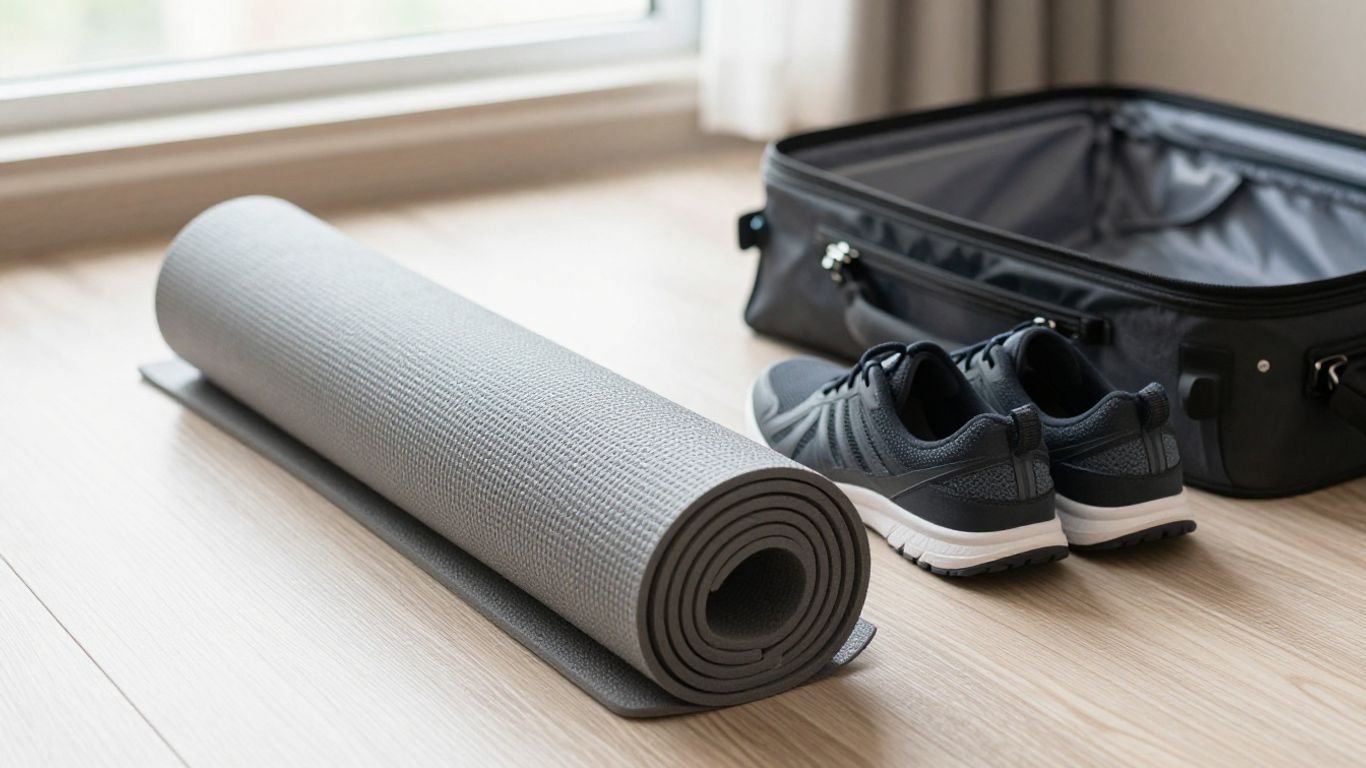
A plan with a few dependable sessions can be more useful than a packed calendar that quickly becomes frustrating. If practicing away from home makes consistency easier, Yune Yoga offers foldable travel mats designed for convenience and portability. Consider a setup that suits where you actually expect to practice.
Balance hard workouts with easier sessions
Hard sessions place different demands on you than relaxed movement, so avoid making every day a test of effort. Spacing out challenging workouts can help a weekly plan feel more manageable. Most weeks also have competing plans and small pleasures: you might be sorting out an HVAC inspection, reading about restaurant SEO, planning a meal at Ferraro’s Ristorante, exploring Carolinensiel on a trip, or taking a break with Zen Color. Yoga is another activity to fit around real life, not a reason to overfill the calendar.
Adjust your schedule as your fitness changes
A routine can change as you gain experience, face a busy stretch, or find that your original plan is not working. If you feel consistently worn down, reduce the load or allow more time between demanding sessions. If your current schedule feels comfortable, you might gradually add time or frequency. Review what is sustainable every so often, and make adjustments based on your actual experience.
How to choose a yoga style for your goals
Yoga classes can differ in pace, structure, and how much time they devote to holds, transitions, or rest. Your best fit is not necessarily the class that sounds most intense or most familiar. Think about the experience you want from a session and how it will sit alongside the rest of your activity.
Try dynamic styles for a more vigorous session
A dynamic style with flowing sequences may suit you if you enjoy moving continuously and want a more active class. Pace can still vary between instructors and sessions, so ask what to expect if you are unsure. Give yourself permission to pause when needed rather than matching every transition. That way, you can explore a more vigorous session while staying attentive to your effort.
Choose slower styles for mobility and relaxation
Slower classes may include more time in each pose and more space to notice how a movement feels. This can be a fit when you want an unhurried session or are adding mobility work around other training. Slower does not mean there is only one right way to practice; comfort, breath, and a manageable range of motion still matter. If relaxation is the aim, look for a class description that reflects that emphasis.
Consider class pace, experience, and accessibility
Read the description and ask about the pace, whether the class is suitable for beginners, and what equipment or space you will need. You can also check whether the instructor offers options for different abilities. For home or travel practice, portability may be part of the decision: Yune Yoga offers foldable travel mats, along with absorbent yoga towels and durable yoga straps. The best setup is one that works for your location and feels straightforward to use.
Use modifications to match your current ability
A modification changes a pose or movement so it better suits your body, experience, or comfort. You might shorten a range of motion, use support, or take a pause instead of continuing with a sequence. Let go of the idea that a pose has to look a certain way to count. The ability to adjust is part of practicing thoughtfully, not a sign that you are falling behind.
Safety and common training considerations
Yoga is physical activity, and comfort and control deserve as much attention as the shape of a pose. Approach a new class with curiosity rather than pressure to keep up. Small adjustments and steady progress can make it easier to find a level that suits you.
Warm up and progress gradually
Give yourself time to settle into a session before attempting more demanding movements. Start with a comfortable range and build difficulty or duration gradually as your experience grows. Changing one part of your routine at a time can make it easier to notice how you respond. If a class moves faster than expected, pause or choose a simpler option.
Modify poses and movements for pain or limitations
A pose should not require you to ignore sharp, worsening, or concerning pain. Adjust the position, reduce the range, or stop that movement if it does not feel right. Props or a different variation may help, but the goal is a comfortable, controlled practice rather than forcing a shape. Yune Yoga offers durable yoga straps that can be used as an accessory in a practice; they do not replace individualized guidance when you need it.
Allow time for rest and recovery
Rest is part of training, not a failure to keep up. Make room for easier days and notice signs that your usual workload is not feeling manageable. Sleep, work, and other life demands can also affect how ready you feel to exercise. When in doubt, choose a lighter session or take a break and return when you feel prepared.
Ask a qualified professional when you have health concerns
If you have an injury, ongoing pain, a health condition, or questions about whether an activity is appropriate for you, ask a qualified health professional for advice. An instructor may be able to offer class modifications, but that is not a substitute for personal medical guidance. Share relevant limitations before class when you can. Getting support can help you make a more informed choice about how to move.
Conclusion
Yoga and other exercise can work well together when each has a clear place in your routine. Choose activities that match your goals, vary the intensity, and leave enough room for recovery. A balanced plan is one you can return to over time, with adjustments when your needs or schedule change.
Frequently Asked Questions
Can yoga count as exercise?
Yes. Yoga involves physical movement and can challenge strength, balance, flexibility, and coordination, depending on the style and session.
Is yoga enough for cardio fitness?
Some vigorous classes may feel demanding, but intensity varies. If sustained cardio is one of your goals, consider including activities that provide steady aerobic movement.
Can yoga build strength?
Yoga can challenge muscles through body-weight poses and controlled holds. The amount of strength stimulus depends on the poses, pace, and practice.
Should I do yoga before or after strength training?
It depends on your priorities and how demanding each session is. Try separating hard sessions or placing the activity that matters most to your goal first, then notice how you respond.
How often should I practice yoga?
There is no universal schedule. Choose a frequency that fits your experience, other workouts, available time, and recovery needs.
Which yoga style is best for beginners?
Look for a class described as suitable for beginners, with a pace and format that feel approachable. Ask the instructor about options if you are unsure.
Should I stop yoga if a pose hurts?
Do not push through sharp or worsening pain. Stop or modify the movement, and seek advice from a qualified professional if you have ongoing concerns.


