

Yoga Bar: A Guide to Products, Nutrition, and How to Choose
Key Takeaways
A useful choice starts with the product type and the label, not with broad promises about what a snack can do. A little comparison can make grocery shopping simpler.
- Start by deciding whether you want breakfast food, a bar, or another snack.
- Compare serving sizes and nutrition information on the package.
- Check the ingredient and allergen statements against your own needs.
- Use taste, texture, and convenience to narrow down options.
- Follow the package for storage instructions and freshness dates.
What Yoga Bar is
Yoga Bar is the name of a health-food brand, rather than a yoga studio or a type of exercise. Its product range includes breakfast and snack foods, so the most useful way to approach it is as a collection of packaged grocery options. Product names and available details can vary by listing and location. The label on the item you are considering is the best place to confirm what is in that particular pack.
The brand’s focus and product range
The available brand description identifies cereals, protein bars, and shakes among the product categories. The Yoga Bar overview also gives background on the Bengaluru-based brand and its history. Those broad categories are a starting point, not a complete specification for any individual item; product names, flavors, and package details should be checked on the current listing or wrapper.
How Yoga Bar products are typically used
Packaged foods can fit different moments in a day: a cereal may be considered for breakfast, while a bar may be a portable snack. The choice depends on your routine and appetite, rather than a universal rule about when a product should be eaten. If you are planning food around a movement practice, this guide to eating for yoga fitness offers general ideas about making food choices part of a broader routine. Think of convenience as one factor among several, alongside ingredients and portion size.
Where to find product information
For any packaged food, start with the product page and then confirm the details on the actual package, since listings can change or may not show every label panel. The brand shop is one place to browse available foods, while the wrapper can provide the specific serving size, ingredients, and allergen information for the item in hand. A product name alone does not tell you whether it suits a particular dietary preference. Check the details each time you buy, especially if you are choosing a new variety.
Exploring Yoga Bar product categories
The broad categories can help you narrow a search before you compare individual products. Cereal, bars, and other pantry snacks serve different roles, and the same category can include quite different ingredients and nutrition profiles. Treat each package as its own product rather than assuming that all items in a category are alike. The names on a store shelf are a useful first filter, not a substitute for reading the label.
Breakfast cereals and muesli
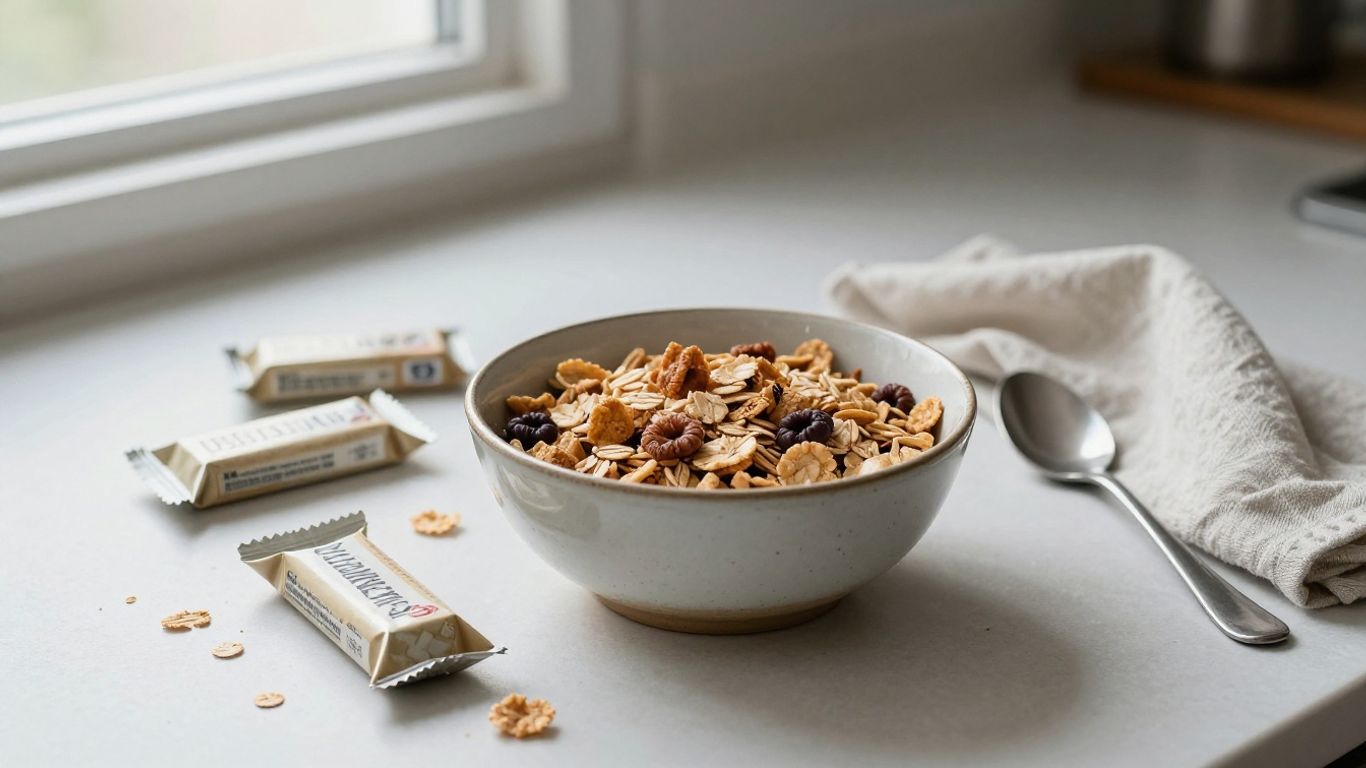
Breakfast cereals and muesli are options to compare when you want a pantry item for a morning meal. Check the suggested serving size and the ingredient list, then consider how you plan to serve it. A label can help you compare products, but it cannot decide whether a particular flavor or texture will suit your routine. Yoga Bar cereals are among the categories named in the available brand information; check the package for the details of a particular cereal.
Protein bars and snack bars
Bars are easy to consider when you want something packaged and portioned, but the category name does not tell the whole story. Compare serving size, ingredients, and nutrition facts across the options you are considering. The available description lists Yoga Bar protein bars, but it does not establish that every bar has the same nutrition profile or ingredients. Use the actual wrapper to make a product-specific comparison.
Other snacks and pantry products
The wider pantry aisle can include foods with different formats and uses, so it helps to decide what you need before browsing. Some shoppers want a ready-to-eat snack; others are looking for something to keep on hand for a meal. The brand description also lists shakes, but details such as ingredients, serving information, and preparation should come from the individual product listing or package. A category label is only a starting point.
Understanding ingredients and nutrition
Nutrition labels are most useful when you read them as a whole instead of focusing on a single number. Serving size, ingredient order, and the nutrient amounts together give a clearer picture of what is in a packaged food. Values on a label describe the stated serving, so check whether that amount matches how much you expect to eat. A quick, consistent comparison is usually more helpful than trying to judge a product from its front-of-pack wording.
Reading the nutrition label
Start with the serving size and servings per package, then look at the nutrients listed for that amount. If you are comparing two items, make sure you are comparing equivalent serving amounts; otherwise, the numbers can be misleading. This simple table shows a way to organize the details you find on actual labels, not claims about any specific product.
| Label detail | What to check | Why it helps |
|---|---|---|
| Serving size | Amount used for the nutrition facts | Puts the listed values in context |
| Calories | Amount per stated serving | Helps compare portions |
| Nutrients | Values such as protein, fiber, or sugars | Shows how products differ |
| Ingredients | Listed components and their order | Helps you review what is included |
After comparing, return to the package itself and make sure the serving amount is realistic for you. The table is a reading aid; it is not a substitute for the complete label or for advice tailored to your health needs.
Checking protein, fiber, and sugar
Protein, fiber, and sugars are three label details people often compare, but their relevance depends on the food and your own preferences. Look at the amount per serving and the serving size together, rather than relying on a product name to suggest a particular amount. Also check whether the label distinguishes total sugars from added sugars. The full serving context matters more than a number viewed on its own.
Reviewing allergens and ingredient lists
Read the full ingredient list and any allergen statement every time you choose a packaged food, especially if you have a sensitivity or allergy. Formulations and packaging can change, so an old wrapper or online description may not reflect the item currently on sale. If a label is unclear about an ingredient that matters to you, do not guess; seek clarification from the seller or manufacturer before eating it. This is a practical check, not a substitute for personalized medical guidance.
Choosing Yoga Bar products for your needs
Choosing among packaged foods is easier when you begin with the situation: breakfast, a snack between meals, or a pantry item to keep around. From there, compare the package details and decide whether the format and flavor appeal to you. A product can be convenient without automatically being the best fit for every person or every day. A little planning also helps keep impulse choices from becoming the only ones you consider.

Picking snacks for between meals
For a between-meal snack, consider how much food you want and how portable the package needs to be. Then compare labels and ingredient lists rather than assuming all bars are interchangeable. A short checklist can keep the choice focused:
- Check the serving size against how much you plan to eat.
- Review protein, fiber, and sugar values if they matter to your comparison.
- Read the ingredient and allergen statements.
- Choose a flavor and texture you are likely to enjoy.
These checks make it easier to compare a bar with another kind of snack without treating a single nutrient as the whole story. If you are buying food for a specific dietary or medical need, use the label and qualified professional advice as appropriate.
Comparing options for breakfast
For breakfast, first decide whether you want a cereal or another format, then look at the serving size and ingredients of the options on hand. Additions such as milk, fruit, or other foods can change the overall meal, so think about what you normally serve alongside the packaged product. There is no need to infer a product’s nutrition from the category name alone. Reading the package makes the comparison more grounded.
Matching products to taste and texture preferences
Taste and texture are personal, and product descriptions may not capture what you will enjoy. If you are unsure, compare the ingredient list and any available product details before choosing a pack. Consider whether you prefer a crisp cereal, a chewy bar, or another format, while keeping the package information in view. A good fit is one you enjoy and can use in the way you intended.
Dietary needs and common considerations
Dietary suitability is specific to the person and the package. Terms such as vegetarian, gluten-free, or dairy-free should be verified against the product’s current ingredients and statements, rather than inferred from its category or appearance. If you have a food allergy or a medically directed diet, take extra care with the label and get professional advice when needed. The same careful approach works whether you shop online or in person.
Checking suitability for vegetarian diets
If you follow a vegetarian diet, review the full ingredient list and any suitability information on the package. Ingredient names can be unfamiliar, and a product category does not establish whether every item is suitable. Where a label leaves a question unresolved, contact the manufacturer or seller rather than relying on assumption. This check is particularly useful when trying a new variety.
Looking for gluten-free or dairy-free options
Do not assume that a cereal or bar is gluten-free or dairy-free based on its name, flavor, or placement in a store. Read the ingredient list and allergen statement, and look for a clear product-specific claim if you need one. Manufacturing and cross-contact information may also matter to some shoppers, so follow the package guidance and consult a qualified professional if your needs are strict. Verify the current label each time.
Considering added sugars and food sensitivities
If you are monitoring added sugars, check the nutrition panel for the relevant value and note the serving size. For sensitivities, the ingredient list and allergen statement are the key places to start, but they may not answer every question. Keep track of the exact product and package if you need to discuss it with a clinician. General label-reading tips can support informed choices, but they cannot diagnose or treat a food sensitivity.
Buying and storing Yoga Bar products
When buying packaged foods, compare the actual details shown for each item rather than relying only on photographs or category labels. Availability, pack size, and price may differ between shops and listings, and those details can change. Once you have the product, use its package for storage directions and freshness information. A few careful checks make browsing and keeping pantry items straightforward.
Comparing pack sizes and prices
Compare the quantity in each pack along with its price, and consider how much you are likely to use before the freshness date. A lower price by itself does not tell you which option is better value if the pack sizes differ. The habit of comparing details is useful across many kinds of shopping, from barrel-leg fit and cutting-board care to siding durability, vacation-rental management, and Hayesville travel ideas. These are separate topics, but each calls for checking the details that matter before making a choice.
Checking availability and product details
Online product pages can be convenient, but confirm the exact name, quantity, and current description before placing an order. If a listing leaves out a detail important to your diet, check the package in person or ask the seller for clarification. Stock and product information may vary over time, so do not rely on a past purchase as proof that a current item has the same details. The product you receive is the one whose label matters.
Following storage and freshness guidance
Follow the storage instructions printed on the package and check its freshness date before using the product. Keep pantry foods in the conditions stated by the manufacturer, and close or reseal an opened package as directed. If the packaging is damaged or the food seems unusual, use caution rather than relying on the date alone. Clear, product-specific instructions are a better guide than a general rule for every packaged food.
Conclusion
A thoughtful choice comes down to the product’s actual category, label, and fit with your needs. Compare serving sizes and ingredients, verify any dietary requirements on the package, and follow the storage guidance once you bring a product home. That steady approach makes it easier to shop with confidence without expecting one food to suit everyone.
Frequently Asked Questions
What should I check first on a nutrition label?
Start with serving size and servings per package, then review the nutrient values and ingredients in that context.
How can I compare two packaged snacks fairly?
Compare equivalent serving amounts, then look at the ingredients and the nutrients that matter to your preferences.
Does a product category tell me whether a food is healthy?
No. The category describes a broad type of food, while the package gives product-specific ingredients and nutrition information.
How do I check whether a packaged food suits my diet?
Read the current ingredient list and allergen statement, and look for clear product-specific suitability information.
Should I rely on an old product label?
No. Formulations and packaging may change, so check the label on the item you are buying now.
What is a sensible way to choose a breakfast cereal?
Compare serving sizes and ingredients, then consider how the cereal fits with the rest of your usual breakfast.
How should I store packaged snacks?
Follow the storage directions and freshness information printed on the specific package.

