
Yoga for poses: How to choose and practice poses for every level
Key Takeaways
Yoga poses can be chosen and adjusted to suit your goals, energy, and experience. A little planning helps make practice feel more comfortable and sustainable.
- Match poses to a clear aim, such as mobility, balance, strength, or rest.
- Start with familiar foundational poses and move at a pace that feels manageable.
- Build a balanced sequence with a warm-up, varied positions, and a cool-down.
- Use props and smaller ranges of motion to make poses more accessible.
- Repeat a simple routine and increase its challenge gradually.
Understand how yoga poses work
A yoga pose is a shape you explore, not a position you have to achieve perfectly. Some poses ask for steady effort, while others invite you to pause and notice how your body feels. Learning what each pose is meant to emphasize makes it easier to choose a useful mix. It also helps you practice with curiosity rather than trying to match someone else’s shape.
What a yoga pose is designed to do
Each pose gives you a particular way to work with movement, stillness, balance, or support. A standing pose may ask you to organize your feet and legs, while a seated fold may invite a slower, smaller range of motion. You can use the purpose of the pose as a guide, rather than treating its most dramatic version as the goal. The useful point of a pose is the experience it offers at a level you can manage.
Common pose categories and their benefits
It can help to think in broad categories before selecting individual poses. These are not strict boxes: a standing pose, for example, can involve both balance and strength. The table gives a simple starting point for matching a practice to your intention.
| Pose category | What it emphasizes | A simple example |
|---|---|---|
| Mobility | Moving through a comfortable range | Cat-cow |
| Balance | Steady attention and coordination | Tree pose |
| Strength | Supporting your body with controlled effort | Plank pose |
| Rest | Slowing down with support | Child’s pose |
Use the categories as a menu, not a test. On a day when you want a gentler practice, you might spend more time with mobility and rest; when you feel ready for effort, include a few strength or balance poses.
How breath and alignment support your practice
Breath can help you notice whether you are moving too quickly or holding more effort than you need. Let it stay comfortable; there is no need to force a particular rhythm. Alignment is similarly practical: it gives you a way to organize your body so a pose feels steady and repeatable. Before beginning, take a moment to clear the floor and notice obvious obstacles, much as you might when checking a roof for visible damage before starting a home task.
Choose poses that match your goals
A useful sequence starts with what you want from that day, not with a fixed list of impressive poses. Your goal might be to move more freely, practice steadiness, build a little strength, or simply take a quiet pause. These aims can change from one session to the next, and the same pose may feel different depending on your energy. If you are practicing away from home, a wellness retreat in Hayesville can be one setting for combining movement with time to rest; at home, a few well-chosen poses can serve the same everyday need for a pause.
Poses for flexibility and mobility
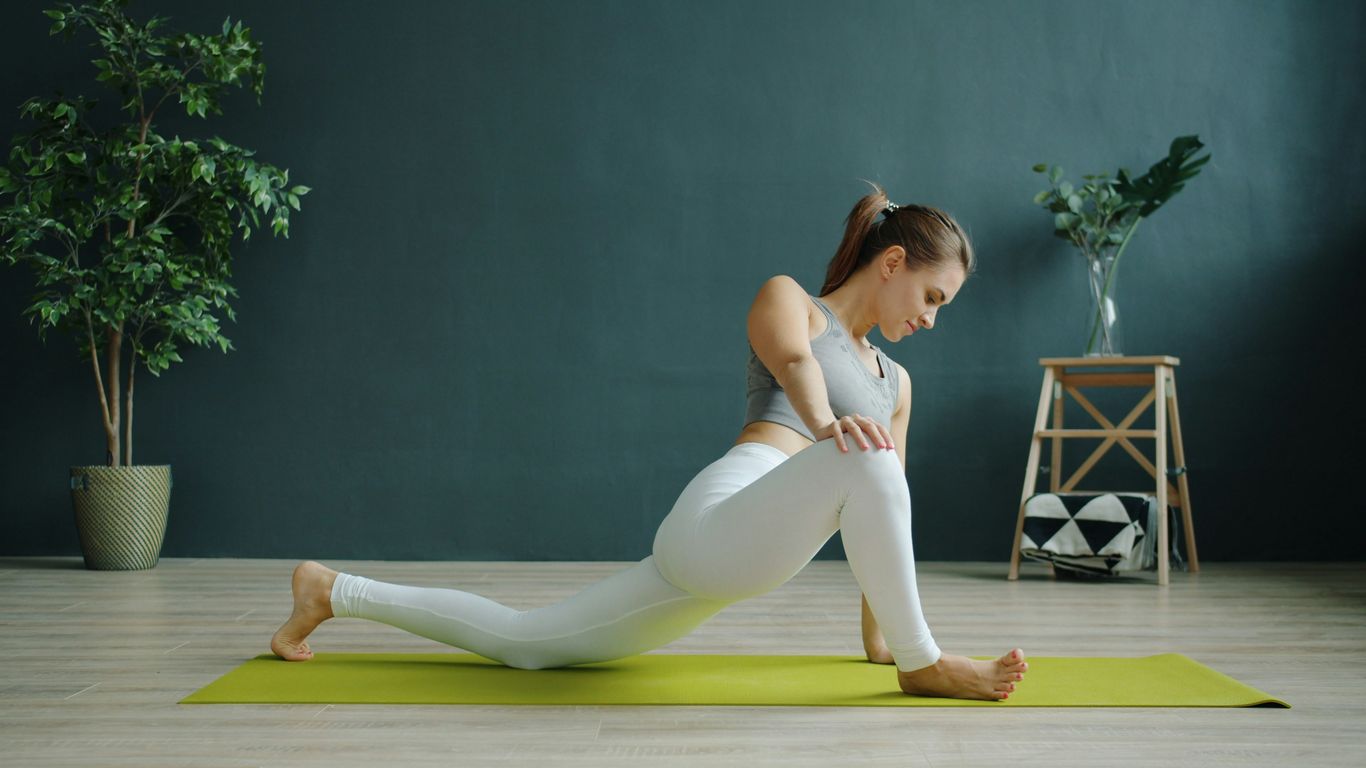
For mobility, look for poses that let you move gradually and explore a comfortable range. Cat-cow, gentle twists, and easy seated movements can be useful starting points because you can make them smaller or larger without changing the basic idea. Think of movement as a way to become familiar with how a joint or part of your body moves today, rather than a contest to stretch farther. A pose library for guided movement can help you find names and variations to explore.
Poses for balance and coordination
Balance poses ask for attention as much as stillness. Start with a wide, stable stance or keep one hand near a wall or chair, then try a shape such as tree pose only if it feels manageable. A fixed point to look at can make it easier to stay focused. The aim is not to remain perfectly still; small adjustments are part of practicing coordination.
Poses for strength and stability
Strength-focused poses often involve supporting your body with controlled effort. You might choose a standing pose, a supported lunge, or a brief plank variation, then pause before fatigue changes your form. If choosing a longer-term goal, it can help to think about priorities and tolerance for effort in the same careful way people compare KiwiSaver fund options against their timeframe and risk tolerance. In yoga, keep the plan simpler: choose a challenge you can approach without forcing your body.
Poses for relaxation and stress relief
A quieter practice can center on supported shapes, easy breathing, and enough time between movements. Child’s pose or a comfortable seated position may work well, but neither is mandatory if it does not suit you. When traveling, the available floor space may differ from home, so keep the plan flexible; a vacation rental in Yuma County is one example of a stay where you might need to adapt your setup to the room. The pose can change while the intention to slow down remains.
Start with foundational poses
Foundational poses are useful because they let you practice basic actions without needing a complicated sequence. They can also help you notice how standing, moving on hands and knees, and resting on the floor feel in your own body. Take your time getting into each shape, and come out of it if it becomes uncomfortable. If you want more beginner ideas, browse basic yoga poses for beginners and choose only what feels appropriate for you.
Mountain pose for posture and grounding
Mountain pose is a simple standing position that gives you a moment to feel your feet on the floor and notice how you are holding your body. Stand with a comfortable distance between your feet, let your arms rest, and soften any unnecessary tension in your shoulders. There is no need to make your posture rigid or force yourself into a particular stance. A few calm breaths here can serve as a natural beginning or pause in a sequence.
Downward-facing dog for full-body movement
Downward-facing dog combines support through the hands and feet with a gentle lift through the hips. Bend your knees as much as needed, and keep the pose brief if that makes it easier to stay comfortable. You can also choose a different position if placing weight through your hands does not feel right. Treat it as one option for moving between poses, not a required step in every practice.
Cat-cow for gentle spinal mobility
Cat-cow is usually practiced on hands and knees, moving the spine between two comfortable shapes. Move slowly and let the breath follow naturally rather than trying to synchronize perfectly. Keep the movement small if that feels better, and use a folded blanket under your knees if you want more cushioning. This simple sequence can help you notice how your back responds to gentle motion.
Child’s pose for rest and recovery
Child’s pose offers a chance to pause, but the familiar shape may not feel restful for every body. You can widen your knees, bring support under your torso, or sit upright instead. The point is to find a position where you can stop working for a moment and breathe comfortably. Return to it between more active poses whenever you need a break.
Build a balanced yoga sequence
A balanced sequence does not have to be long or elaborate. It can move from preparation to a few different kinds of poses and then toward rest. Choose a number of movements you can complete without rushing, and leave enough space to transition comfortably. For a portable practice, a 6mm Grey Yoga Mat from Yune Yoga offers non-slip grip and balanced cushioning, according to its product description.
Choose a warm-up that prepares your body
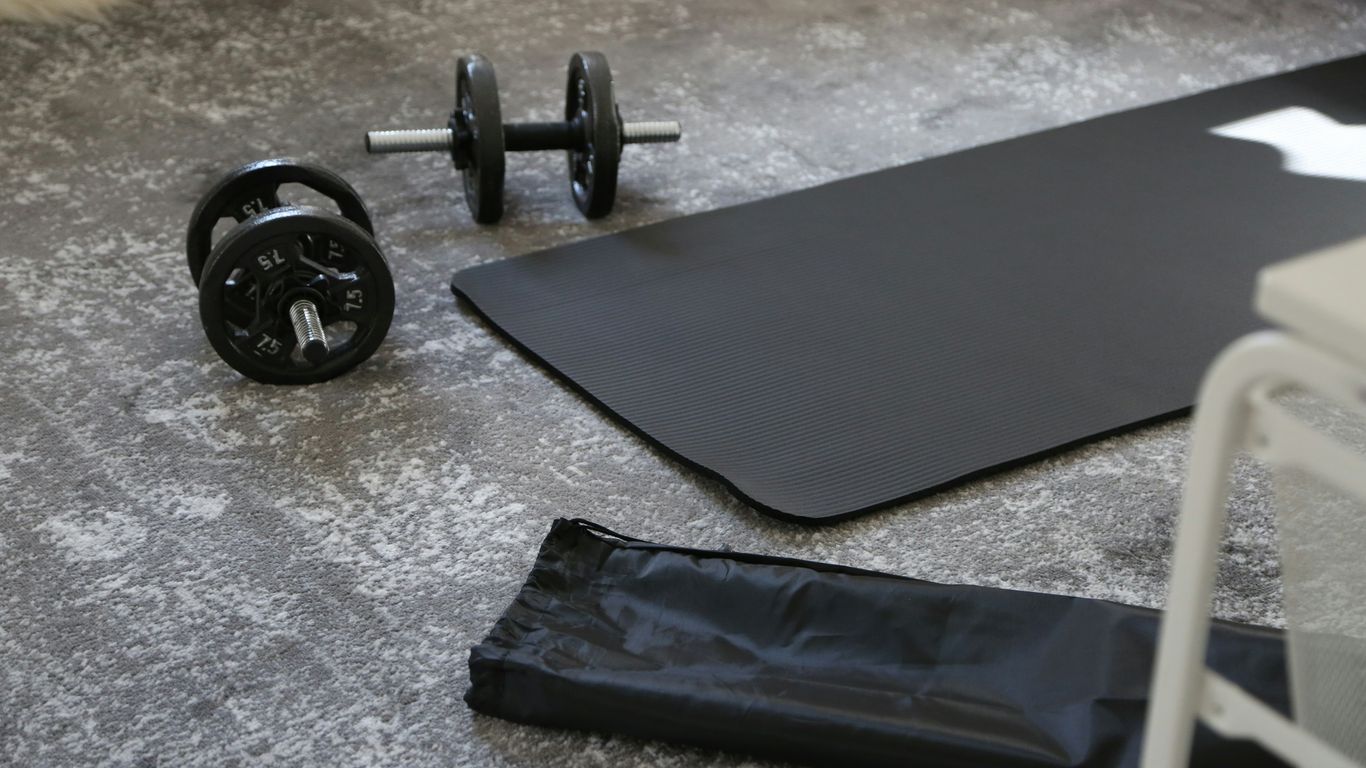
A warm-up is a gentle entry into movement, not a separate workout you must complete. Start with a few easy breaths, shoulder rolls, or cat-cow, then notice whether your body feels ready for more. One simple order is to begin with stillness, add low-effort movement, and only then move into poses that ask for more support. That gradual beginning can make the rest of the sequence feel less abrupt.
Combine standing, seated, and floor poses
Changing positions gives a sequence variety without requiring a long list of poses. You might stand for a balance or strength pose, sit for a gentle twist, and finish on the floor with a supported rest. A portable setup can make it easier to practice in different places: the Poseidon Yoga Mat from Yune Yoga is described as having non-slip grip and supportive cushioning for practice at home, in a studio, or outdoors. Keep the sequence adaptable to the space you have.
Add counterposes to balance effort
After a pose that asks for sustained effort, choose an easier movement or a neutral pause rather than immediately repeating the same demand. For example, follow a standing sequence with a seated position or a few comfortable movements on the floor. You can use this straightforward order to shape a short practice:
- Begin with a few comfortable breaths.
- Warm up with gentle movement.
- Add two or three poses that match your goal.
- Finish with a supported rest or quiet seated pause.
The order is a framework, not a rule. If one part feels tiring or awkward, shorten it or skip it and give yourself more time to settle before the next pose.
Finish with a suitable cool-down
A cool-down gives your body a gentler ending after more active movement. Choose a comfortable seated or reclined position and let your breathing return to its usual pace. You do not have to stay still for a prescribed amount of time; a short pause is enough if that is what fits your practice. For a mat you can carry between settings, the Repose 6mm Green Yoga Mat from Yune Yoga is described as portable, with textured non-slip traction and supportive cushioning.
Modify poses for your body and experience
A pose is allowed to look different from one person to another, and it may change for you from day to day. Adjusting a position is not a shortcut; it is a practical way to keep the practice within a range that feels manageable. Props, a smaller movement, or a different pose can all help. If you are planning practice around a wider wellness goal, restorative retreat planning can also make room for rest alongside activity.
Use blocks, straps, and cushions for support
Props can bring the floor closer, cushion contact points, or help you reach a comfortable position without pulling. A block can support a hand in a standing pose, while a strap may help you hold a position without stretching to reach. A cushion or folded blanket can make kneeling or resting more comfortable. Use what you have at home; the prop is there to support the pose, not to make it look a certain way.
Adjust range of motion to stay comfortable
Move only as far as you can while keeping your breath easy and your attention present. You can bend your knees, reduce a twist, or hold a pose for fewer breaths. Leave room to change your mind once you are in the pose. Comfort is a better guide than trying to match a photograph or another person’s range.
Adapt poses for limited mobility or balance
If getting down to the floor or standing steadily is difficult, use a chair or a wall for support, or choose seated movements instead. Keep the route between positions clear, and take time when changing levels. When traveling, such as staying in a managed vacation rental, the room layout may be unfamiliar, so check that your practice area has enough clear space before you begin. A chair-based practice can still include attention to breath, movement, and rest.
Know when to pause or skip a pose
Pause if a movement feels sharp, causes dizziness, or makes it difficult to breathe comfortably. Come out of the pose slowly and choose a neutral position; you do not need to finish a sequence just because you started it. If discomfort persists or you have concerns about a particular movement, consider asking a qualified health professional for guidance. Skipping one pose can be the most useful adjustment of the day.
Progress your practice safely
Progress does not have to mean making every pose deeper or more demanding. It can mean remembering a sequence, moving with more ease, or learning when to rest. Keep your practice responsive: your energy, surroundings, and available time may change. Whether you practice at home or away, regularity and sensible adjustments matter more than a perfect routine.
Repeat poses to build familiarity
Repeating a few familiar poses can make it easier to notice what feels steady and what needs adjustment. Keep the sequence simple enough that you can pay attention rather than rushing to remember what comes next. Over time, you may decide to keep certain poses and replace others. Familiarity is a useful foundation, not a reason to ignore how you feel on a given day.
Increase challenge gradually
When a pose feels comfortable and familiar, change just one thing at a time: hold it for a little longer, move with more control, or try a modest variation. Avoid increasing the range, duration, and complexity all at once. Long-term planning in other areas also calls for care; wealth-building strategies are discussed in terms of factors such as planning and risk-adjusted returns, while yoga progression is best kept personal and gradual. If a change makes the pose feel strained, return to the version that worked.
Recognize signs to ease off
A steady effort is different from pushing through discomfort. If your breath becomes strained, your balance feels unsafe, or you cannot keep a position controlled, reduce the challenge or stop. Fatigue can also make a familiar pose feel less stable, so take a break before it affects your choices. You are not losing progress by easing off; you are responding to useful information.
Create a consistent home-practice routine
A home routine is easier to return to when it fits your real schedule. Choose a short time window, clear a safe patch of floor, and decide on a few poses before you begin. If your practice moves between rooms or locations, the dark matter yoga mat from Yune Yoga is described as having a carrying strap and an anti-slip natural rubber backing. Keep the routine flexible enough that a shorter session still counts as showing up.
Conclusion
Choosing yoga poses is a process of matching movement to your needs, then adjusting as you go. Start with familiar shapes, build a balanced sequence, and use support or rest whenever it helps. A practice that feels manageable is one you can keep returning to.
Frequently Asked Questions
How many yoga poses should I do in one session?
There is no required number. A short practice with a few well-chosen poses can be more manageable than a long sequence, especially when you are learning what feels comfortable.
Which yoga poses are best for beginners?
Foundational options such as mountain pose, cat-cow, and child’s pose are common places to start. Adapt or skip any pose that does not feel suitable for you.
Can I practice yoga at home without equipment?
Yes. You can begin with a clear, comfortable space and poses that do not require props. Household cushions or a folded blanket may be useful for support, but they are optional.
How long should I hold a yoga pose?
Hold a pose only as long as you can remain comfortable and breathe naturally. You can start with a brief hold and come out sooner whenever you need to.
Should I feel pain when doing yoga poses?
A pose should not require you to push through sharp pain or other concerning symptoms. Pause, ease out carefully, and choose a more comfortable movement; seek professional guidance if discomfort continues.
How can I make yoga poses easier?
Try a smaller range of motion, use a wall or chair for support, add a cushion, or choose a simpler variation. You can also rest or skip the pose.
How often should I practice yoga poses?
Choose a rhythm that fits your schedule and leaves you feeling able to return to practice. Brief, consistent sessions may be easier to maintain than occasional sessions that feel overly demanding.

