
Yoga mat sizing: how to choose the right dimensions for your practice
Key Takeaways
A well-fitting mat gives you enough room to move while still suiting the places you practice and the way you carry your gear.
- A common mat is about 68 to 72 inches long and 24 inches wide, though dimensions vary.
- Choose length based on your height and how much space you want when lying down or moving.
- Extra width can feel roomy, but check that it fits your practice space.
- Thickness affects cushioning, stability, and how easy the mat is to carry.
- Measure your floor area and check the packed size before buying.
Standard yoga mat dimensions
Yoga mats come in a range of lengths, widths, and thicknesses, so “standard” is best treated as a useful reference rather than a fixed rule. A familiar size can suit many people and makes it easier to plan for a studio floor or a spot at home. Your own body and practice may call for a little more room, or a more compact mat. The yoga mat sizing guide offers another overview of how those dimensions relate to comfort and portability.
Common mat lengths and widths
Many everyday mats measure around 68 inches long by 24 inches wide, while some are closer to 72 inches long. Those few inches can matter when you stretch out, but the right fit depends on how you use the mat, not just the number on the label. The table gives a quick sense of common options; dimensions can differ between products.
| General size | Approximate length | Approximate width |
|---|---|---|
| Compact or travel | 60–68 in | 24 in |
| Common standard | 68–72 in | 24 in |
| Longer | 72–80 in | 24–26 in |
| Wider | 68–72 in | 26–30 in |
Treat these as broad ranges, not guarantees. A mat described as long or wide may still have dimensions that suit one person better than another, so check the listed measurements before deciding.
How standard sizes vary by brand
Even mats described as standard may not be identical, and names like “long” or “wide” are not a substitute for measurements. Look for the precise length and width in the product details, then compare those figures with a mat you already like. For a different way to compare common dimensions, see this yoga mat size chart.
When a standard mat is a practical choice
A standard mat is often a sensible starting point if you can lie down without your head or feet extending beyond it and have enough room for your usual poses. It can also be easier to fit into a shared class space or a small storage area. If portability is a priority, Yune Yoga offers foldable travel mats; check the listed dimensions to see whether a particular mat suits your practice.
Choose a mat length that fits your height
Length affects how comfortably you can stretch out, but height alone does not determine the best choice. Think about the positions you settle into and whether you tend to travel toward the ends of the mat during a sequence. A little extra space can be welcome, provided the mat still fits where you plan to use it. For travelers mapping out a visit, Carolinensiel travel tips offer a separate kind of trip-planning inspiration; for mat fit, start with your own reach and floor space.
Check how much room you need lying down
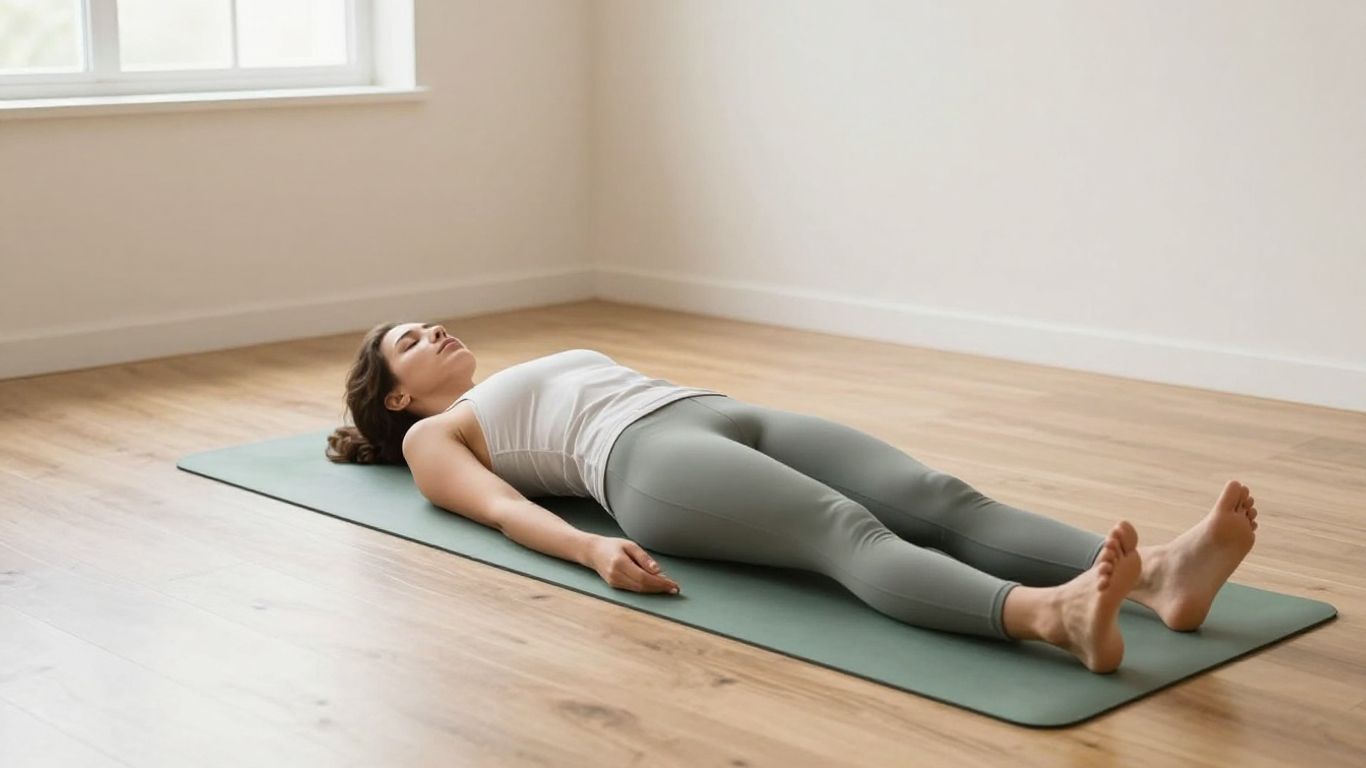
Lie flat on your back with your legs extended and notice whether your head and heels stay on the mat. If you regularly rest with your arms overhead, include that position in your test too. This simple check gives you a more useful reference than height alone, especially if you prefer a little breathing room at either end.
Allow extra length for transitions and movement
Some poses carry your hands and feet toward opposite ends of the mat, and transitions can shift your position more than a quiet resting pose does. Before choosing a length, consider the movements you repeat most often and how much you naturally travel along the mat. A few extra inches may feel useful, but they are not a substitute for checking your full practice area.
Consider longer mats if you’re tall
If a standard mat leaves your head or feet close to the edge, try comparing longer options by their actual measurements. Someone around six feet tall may find a 68-inch mat short when fully stretched out, though preferences vary. A longer mat can solve that particular fit issue, but it still needs to work with the space available at home or in class.
Find the right mat width
Width is easy to overlook until your hands or feet land near the edge. A few extra inches can make a mat feel less confining, especially for broad movements, but a wider mat also takes up more floor space. Consider both your arm span and the footprint you can comfortably use. For a broader look at large group dinner planning, the logistics are different, but the same practical habit applies: check the space before making a commitment.
Compare standard and extra-wide options
A width of about 24 inches is common, while some mats offer more room across. If your arms often extend beyond the mat in poses or you prefer not to think about edge placement, compare wider dimensions in person or on the product page. Extra-wide options can be helpful, but you may not need them if your movements stay comfortably within a standard width.
Account for your arm span and movement style
Try a few poses with arms extended to either side, then notice how much of your hands or feet land beyond the mat. A flowing sequence with broad stances may call for more lateral space than a practice that stays mostly centered. Let your usual movements guide the choice rather than assuming a larger mat is automatically better.
Balance extra space with studio and storage limits
A wide mat can feel generous at home, yet leave less room between you and other people in a busy studio. It may also occupy more space when rolled or stored. Measure the available area first; homeowners use a similar room-by-room approach when considering ductless mini-splits for bonus rooms, though the equipment and decision are quite different.
Understand mat thickness and cushioning
Thickness is separate from length and width, but it changes how a mat feels under your body and how easily it packs away. A thinner mat may be easier to carry and can feel firm underfoot, while a thicker one may feel softer when you kneel or lie down. There is no single thickness that suits every practice. Yune Yoga offers foldable travel mats for portability-focused setups; check the product details rather than assuming a travel mat has a particular thickness.
Compare thin, standard, and extra-thick mats
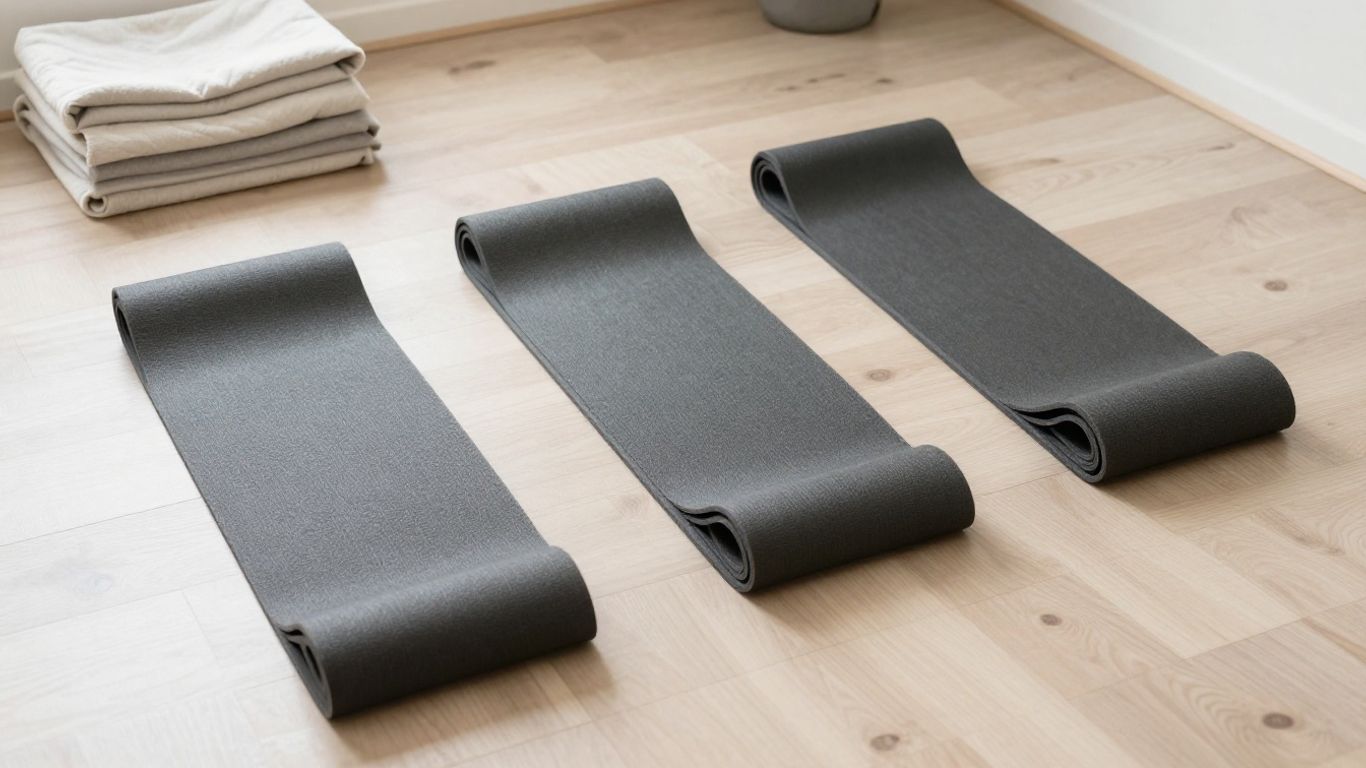
Thin mats are often chosen when a compact, lightweight setup matters. Standard-thickness mats offer a middle ground, while extra-thick options add more cushioning but can be bulkier. Exact measurements vary, so compare the listed thickness rather than relying only on a category name.
Match cushioning to your joints and balance needs
Notice how your knees, wrists, and hips feel when you practice on a firm floor, and consider whether extra padding would make the mat more comfortable. At the same time, a very cushioned surface may feel less steady in poses where you balance on one foot or press through your hands. A brief test, if available, can help you judge what feels supportive without becoming soft underfoot.
Check how thickness affects stability and portability
A thicker mat can take up more room in a bag and may be heavier to carry, while a thin mat is generally easier to pack. If you move between home, studio, and travel, weigh that convenience against how much cushioning you want. Yune Yoga offers foldable travel mats as a portable option; review the individual mat’s dimensions and specifications to see if it fits your needs.
Match mat dimensions to your practice
The right dimensions depend on more than your body measurements; the pace and setting of your practice matter too. A mat used for a compact sequence at home may have different demands from one used for wide stances or longer floor poses. Think through your usual session and where it happens most often. If you enjoy taking a creative pause while traveling, Zen Color is a digital coloring game, a different kind of portable activity from a yoga practice.
Choose a size for flowing or vigorous sessions
During a flowing sequence, your hands and feet may move across more of the mat than they do in a slower practice. Make sure there is enough length for transitions and enough width for the stances you use regularly. The best size is one that gives you room to move without forcing you to keep correcting your position.
Consider extra space for restorative poses
Restorative sessions often include longer periods lying down or using relaxed, extended positions. In those moments, having your head, hands, and feet comfortably within the mat can make the setup feel more settled. Consider whether you want extra length, width, or both, then check that the larger footprint still fits your room.
Factor in shared studio spaces and home setups
At home, you can usually choose a spot and leave the mat open for a session; a studio may have tighter spacing and a place to store your mat afterward. Measure your usual floor area, and account for nearby furniture, other mats, or walkways. Home projects such as brand positioning metrics are a separate subject, but they too begin by defining what is being measured; here, focus on the usable practice area.
Check fit before you buy
A few minutes of measuring can spare you from choosing a mat that feels cramped or awkward to store. Check the dimensions against both your body and the space where you expect to practice. Product photos can help with style, but the listed measurements are more dependable for judging fit. Yune Yoga offers foldable travel mats for people who value portability, so include the packed size in your comparison when considering one.
Measure your practice area
Clear the floor and mark out the approximate length and width you can use comfortably. Leave room to step onto and off the mat, and consider whether nearby furniture limits movement at the edges. This is especially useful in a shared room, where the biggest mat may not be the most practical one.
Review product dimensions and return policies
Read the product details for exact length, width, and thickness, and confirm whether the measurements refer to the mat itself. Check the return policy before ordering, particularly if you cannot test the mat in person. If you are comparing options, a brand-positioning guide concerns a different kind of evaluation; for a mat, the key evidence is its published size and your own fit test.
Test the mat’s usable space and packed size
If possible, try lying down, extending your arms, and moving through a few familiar transitions. The usable area is what matters once you begin practicing, not simply the size printed in a product listing. For a portable mat, also check how it folds or rolls and whether its packed form suits your bag and storage spot.
Conclusion
The right yoga mat size gives you enough room for the movements you actually make, without asking you to carry or store more mat than you need. Compare real dimensions, consider thickness alongside comfort and stability, and measure your practice area before buying. A little checking up front can make choosing a mat feel straightforward.
Frequently Asked Questions
What is the standard size of a yoga mat?
Many standard mats are around 68 to 72 inches long and about 24 inches wide. Exact measurements vary, so check the product details.
How long should my yoga mat be?
Choose a length that lets you lie down comfortably and gives you room for the positions you practice. Height is a helpful starting point, but your movement and preference matter too.
Is a wider yoga mat better?
A wider mat can give you more space for broad stances and extended arms. It may also take up more room in a studio or at home, so compare it with your available floor space.
Does mat thickness affect stability?
It can. More cushioning may feel softer, while a thinner, firmer surface may feel steadier for some balancing poses. Personal preference and the type of practice both play a part.
What thickness is best for sensitive joints?
Some people prefer more cushioning when kneeling or lying down, but comfort varies. If possible, try the mat and see whether it feels supportive without making balance uncomfortable.
Can I use a travel mat for regular practice?
Yes, if its dimensions and feel suit your sessions. Check how much space it provides and whether its thickness meets your preferences before relying on it as your everyday mat.
How do I know if a mat will fit my room?
Measure the floor area where you plan to practice, allowing space around the mat for movement and access. Compare those measurements with the mat’s listed length and width.

