
Article: What yoga mat is best? How to choose the right mat for your practice

What yoga mat is best? How to choose the right mat for your practice
Key Takeaways
The best mat is the one that suits the way you actually practice, not the one with the longest feature list. Start with comfort and stability, then consider how easy it will be to carry and care for.
- Match the mat’s grip and stability to your yoga style.
- Choose cushioning that feels comfortable without making balance difficult.
- Compare materials, size, and weight before settling on a mat.
- Set a budget that accounts for durability and replacement needs.
- Follow care instructions and replace a mat when wear affects its performance.
Start with your style of yoga and practice needs
A mat that feels right for slow floor work may not be the best choice for a fast, standing-heavy flow. Think about where your hands and knees spend the most time, how much you sweat, and whether you’ll carry the mat from place to place. Those practical details help narrow the choices before color or other extras enter the picture. A mat selection guide can offer another way to compare features against your routine.
Choose a stable surface for standing and balance poses
For standing poses, look for a surface that feels steady under both feet and hands. Too much softness can make balance feel less certain, while a slick top can distract you from the pose. If possible, try shifting your weight and changing direction on the mat before buying; a little movement tells you more than a product description alone. The right feel is personal, but steady contact underfoot is a useful place to start.
A short video can help you think through how mat features feel during a practice, but let your own balance and comfort guide the final choice.
Look for cushioning if your practice includes kneeling or floor work
If your routine includes a lot of kneeling, seated poses, or time on your back, comfort under pressure deserves a closer look. A little padding can make those positions feel more pleasant, though extra thickness may change how stable the mat feels when you stand. Try a kneeling position and a simple balance pose, if you can, to see whether the trade-off works for you. For meditation and gentle practice, cushioning and length are also worth weighing alongside thickness.
Consider portability for classes, travel, or outdoor practice
A mat that stays at home can be heavier or bulkier than one you carry to class, on a trip, or to a nearby park. Foldable designs can be easier to pack, while a thin, light mat may be more convenient to carry between locations. Yune Yoga offers foldable travel mats for people who want a portable setup. Think about the whole trip, too: a comfortable mat is less useful if it is awkward to get through the door or fit into your bag.
Compare common yoga mat materials
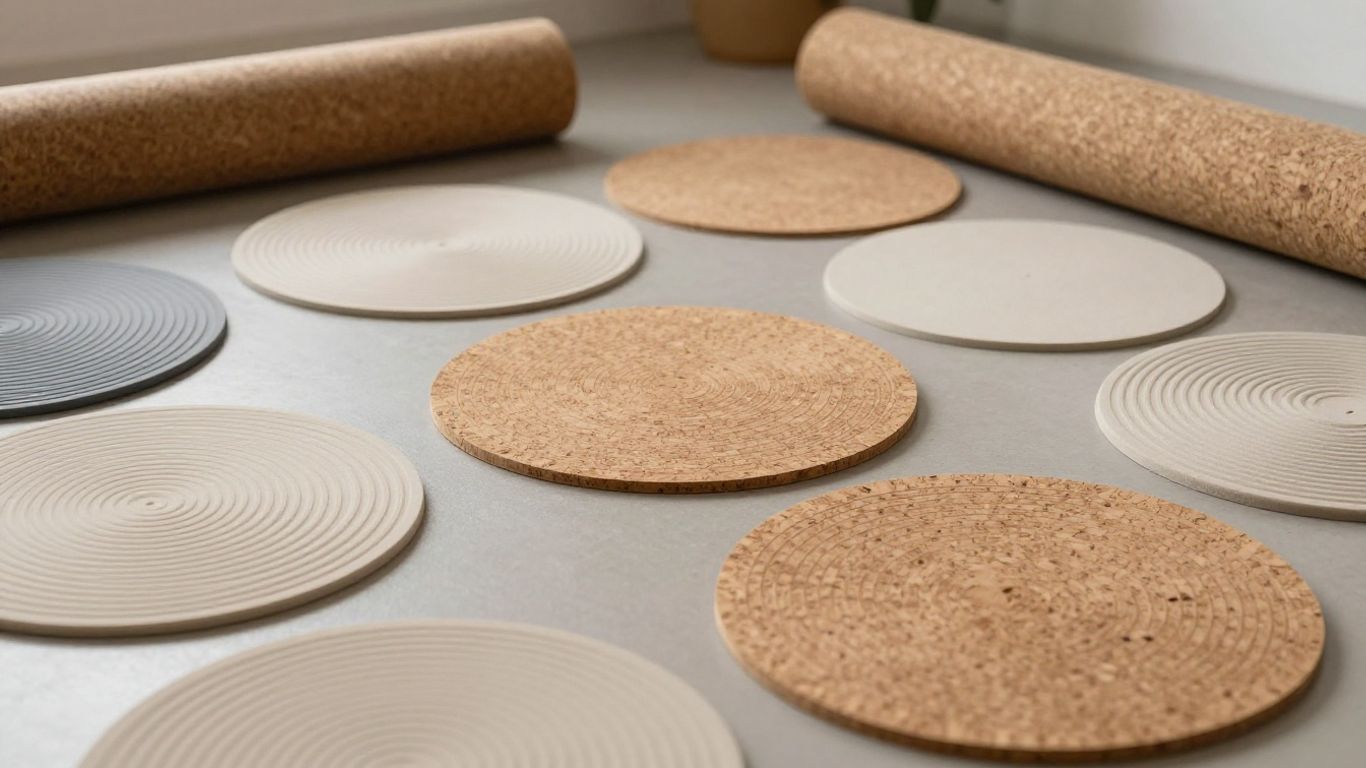
Material influences how a mat feels, how much it weighs, and what kind of care it may need. No single option is right for every practitioner, so consider your grip preferences and any sensitivities before choosing. The product’s material and care information can help you compare like with like. The small differences often become more noticeable after regular use.
PVC offers durability and a familiar feel
PVC mats are a familiar choice and are often valued for durability. Their feel and surface texture vary, so the material name alone cannot tell you whether a particular mat will be comfortable or grippy enough. Check the product details for cleaning guidance, and if possible, feel the surface in person. The best test is how it behaves in the poses you practice most.
Natural rubber provides grip but may be unsuitable for latex allergies
Natural rubber can offer a grippy feel, but it may not be suitable for people with latex allergies. If you have a known sensitivity, check the materials carefully and contact the manufacturer when a product description is unclear. Rubber mats also differ in texture, thickness, and weight, so consider those alongside grip. A rubber mat overview can help you sort through those practical trade-offs.
Cork, TPE, and other materials vary in feel and environmental impact
Cork, TPE, and other mat materials can feel quite different under your hands and feet, and their production and disposal considerations vary. Labels such as “natural” or “eco-friendly” are not enough on their own to explain a product’s full material makeup. Use the available details to compare what each mat contains and how it should be cared for. This quick comparison is a starting point, not a substitute for checking the exact product information.
| Material | What to consider | Helpful next step |
|---|---|---|
| PVC | Familiar feel and durability | Check texture and care instructions |
| Natural rubber | Grip and possible latex sensitivity | Review material details if you have an allergy |
| Cork | Surface feel and material sourcing | Look for information about the mat’s full construction |
| TPE | Product-specific feel and composition | Check the maker’s material and care information |
The same material can feel different across mats, so treat the table as a shortlist of questions rather than a ranking. For another perspective on product features, browse this overview of performance yoga mats, then compare the listed materials with your own priorities.
Find the right balance of grip and cushioning
Grip and cushioning work together, but they solve different problems. A surface that feels secure can help you focus on transitions, while padding may make floor poses more comfortable. Your ideal combination depends on your style, how much you sweat, and what feels stable under your body. If you are deciding between two mats, try them in a few familiar poses rather than judging by touch alone.
Match mat thickness to your joints and sense of stability
Thickness is a comfort choice as much as a measurement. A thinner mat may feel more connected to the floor, while a thicker one can feel gentler on knees during kneeling poses. Very plush padding may feel less steady for standing balance, so try to find a middle ground that suits your routine. Notice how your joints feel and whether the surface stays supportive across several kinds of poses.
Check how the surface performs with sweaty hands
A mat can feel grippy when dry and different once your hands get damp. If you sweat during practice, look for material and care details that address the conditions you expect, and test the surface if you have the chance. Grip is also a personal sensation: some people prefer a tackier texture, while others want a smoother one. A non-slip mat guide can help you compare the features that matter when staying in place is a concern.
Consider a towel or textured mat for hot yoga
Heat and sweat can change how the practice feels, so consider how you will manage moisture as well as the mat’s surface. A towel can provide an extra layer between you and the mat, and it may be easier to wash after a sweaty session. Yune Yoga offers absorbent yoga towels as part of its accessories. Try your setup in the poses you typically practice, since a towel should feel secure rather than shift around.
Choose a mat size and weight that works for you
The right dimensions give you room to move without making the mat a burden to store or carry. Consider your height, how widely you place your hands and feet, and the space available where you practice. A mat’s weight matters most when you regularly take it outside the house. A yoga mat size guide can help you think through length and width before you buy.
Make sure the length fits your height and practice
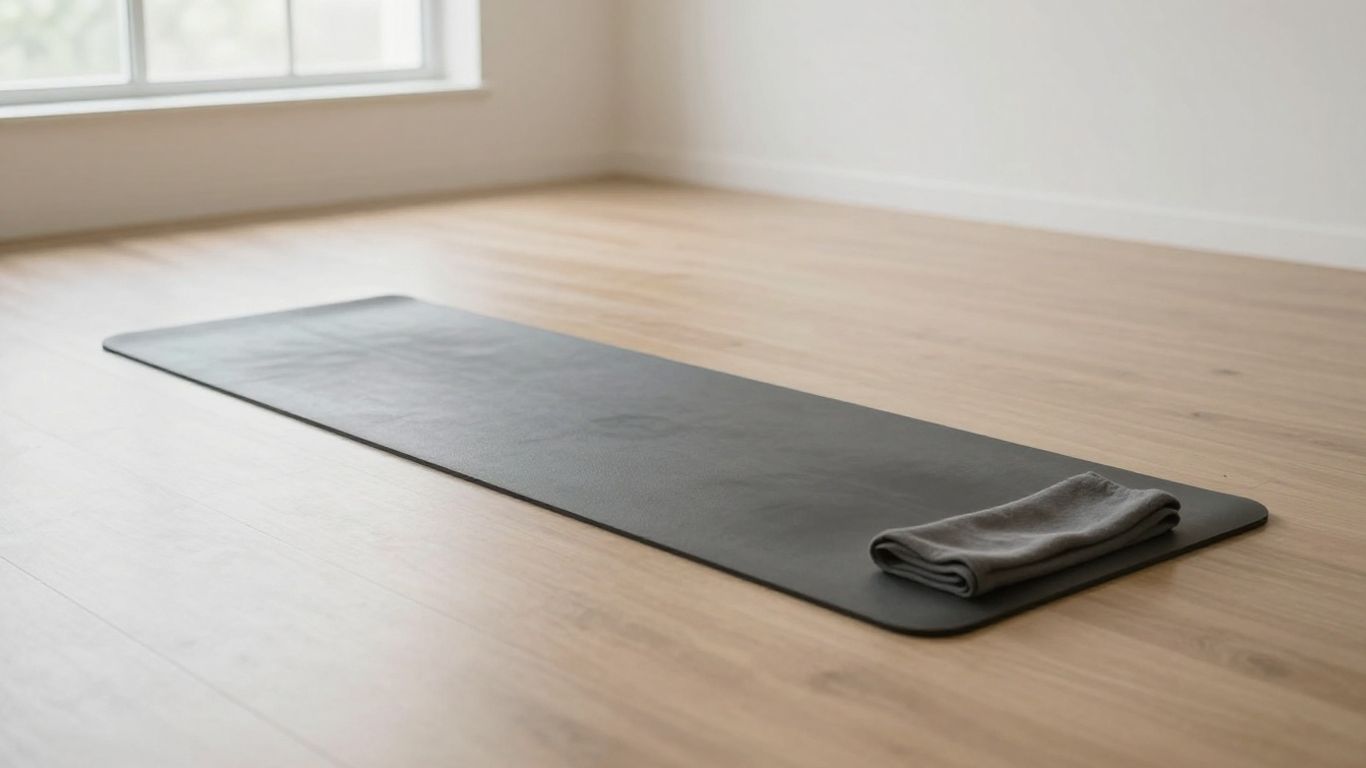
Lie down on the mat or stretch into a familiar pose to see whether your head and feet stay comfortably on the surface. Taller practitioners may prefer extra length, while some routines need more room for transitions than others. Check the listed dimensions rather than relying on a general label such as “standard.” A mat should fit the way you move, not just the way you stand still.
Compare standard and extra-wide options
A wider mat can give you more room to move, but it also takes up more floor space and may be less convenient to carry. Think about whether you tend to reach your arms or legs beyond a standard mat, and whether your usual practice area can accommodate a larger one. Yune Yoga offers durable yoga straps as well, an accessory you might bring along when planning what to carry to practice. For a different kind of purchase, a Tissot PRX is an example of a named item people may compare against a budget; for a mat, focus first on the dimensions you’ll use.
Balance a heavier mat’s stability against ease of carrying
Heavier mats can feel substantial on the floor, but the weight can become noticeable on a commute or while traveling. A lighter or foldable option may suit someone who practices in several places, while a home-based routine may leave more room for a heavier choice. Consider the full load, including any towel or other equipment. The most useful option is the one you can bring along consistently.
Set a budget and assess long-term value
Prices can vary with materials, construction, size, and other features, but a higher price does not automatically mean a better fit. Decide which qualities matter most before comparing options, and set aside room in your budget for anything you may need to carry or clean the mat. It can help to treat your budget as a range rather than a single number. As with Las Vegas group dining, setting practical constraints first makes comparisons easier, even when the purchase itself is very different.
Compare entry-level mats with premium options
An entry-level mat may be enough if you are exploring yoga or practice occasionally, while a frequent routine may make comfort and durability more important. Compare what is actually included: material, size, thickness, and care guidance. Look for clear differences rather than assuming a premium label guarantees a better experience. A budget mat comparison can give you another set of features to consider.
Check durability, warranty, and replacement costs
Think about how often you will use the mat and how easily its surface may wear under that routine. Warranty terms, where available, and the cost of replacing a mat can help you judge its longer-term value. Read the terms rather than assuming they cover every kind of wear. Comparing a mat purchase with something unrelated, such as Choate’s, may seem a stretch, but checking what is included before committing is a useful habit in either case.
Look for clear material and care information
A clear product description should tell you what the mat is made of and how the maker recommends caring for it. If key details are missing, ask before buying rather than guessing about allergies, cleaning, or storage. Online pages benefit from clear information, too; clinic website design covers a different subject, but clarity helps readers understand their options. For other financial decisions, a guide to the FIT Mastercard addresses another topic entirely; here, focus on the total cost of the mat and its care.
Care for your mat to maintain performance
A little routine care can help keep your mat pleasant to use and make it easier to notice when its surface changes. Cleaning methods vary by material, so avoid assuming that a method that works for one mat is suitable for another. Follow the maker’s directions and let the mat dry before storing it. Simple habits can prevent a good mat from becoming harder to use than it needs to be.
Follow the manufacturer’s cleaning instructions
Use the cleaning method recommended for your specific mat, especially if its material has particular restrictions. Strong cleaners or soaking may not be suitable for every surface, so check before trying a new approach. If you use a towel, wash and care for it according to its own instructions as well. Consistent, gentle care is easier than trying to fix a surface after damage has occurred.
Let the mat dry fully before rolling it up
After cleaning or a sweaty session, give the mat time to dry fully before rolling it away. Trapping moisture can leave the mat unpleasant to unroll, and it may make storage less practical. Spread it out in a suitable place and check that both sides are dry. That small pause helps keep your practice space ready for next time.
Replace it when wear affects grip or stability
A mat does not need to look new forever, but it should still feel dependable during practice. Watch for worn patches, peeling, or a surface that no longer feels stable under your hands and feet. If the mat shifts or its grip has changed enough to distract you, consider replacing it. The right moment depends on its condition and how you use it, rather than a fixed schedule.
Conclusion
The best yoga mat is the one that supports your practice without adding friction to it. Choose for the poses you do, the comfort you need, and the places you practice; then check the material, size, care instructions, and carrying weight before deciding. A thoughtful fit is more useful than a mat chosen for a single feature.
Frequently Asked Questions
What yoga mat is best for beginners?
A good beginner mat feels stable and comfortable in the poses you expect to practice. If you are unsure, prioritize a surface that feels secure underfoot and cushioning that does not make balance difficult.
How thick should a yoga mat be?
There is no single ideal thickness. Consider how much kneeling or floor work you do, and test whether a thicker mat still feels steady in standing poses.
Which yoga mat material is easiest to care for?
Care needs depend on the exact mat, not just its broad material category. Check the manufacturer’s cleaning instructions before buying and follow them during use.
Is a natural rubber yoga mat suitable for everyone?
Not necessarily. Natural rubber may be unsuitable for people with latex allergies, so check the material information carefully if you have a known sensitivity.
How long should a yoga mat be?
Choose a length that gives you room to lie down and move through your usual poses. Checking the listed dimensions against your height and practice is more reliable than relying on a general size label.
Do I need a special mat for hot yoga?
Not always, but heat and sweat can affect how secure the surface feels. Consider the mat’s grip and whether a towel would make your setup more comfortable.
How often should I replace my yoga mat?
Replace it when wear affects grip or stability, rather than following a fixed timetable. The pace of wear depends on how often and how intensely you use it.

