
What is the best yoga mat? A practical guide to choosing the right one
Key Takeaways
The best yoga mat depends on how you practice, where you practice, and what you want to carry. Start with grip, cushioning, material, and size rather than choosing by appearance alone.
- Match traction and cushioning to your usual style of yoga.
- Choose material with cleaning, odor, and sensitivity in mind.
- Use thickness to balance joint comfort with stability.
- Consider a lighter, foldable setup if you practice while traveling.
- Judge value by long-term performance, not just the lowest price.
Match the mat to your style of yoga
There is no single answer to the question, “what is best yoga mat?” A mat that feels secure in a heated class may feel too sticky or heavy for a quiet home practice. Your usual movements, sweat level, and travel habits should guide the choice. This yoga mat style guide offers another useful way to compare mats by practice type.
Why grip matters for hot and sweaty practices
If your hands and feet become damp during vigorous or heated sessions, grip deserves top billing. A surface that stays planted can make transitions feel less distracting, while a slick one may have you pausing to reset your stance. Test the mat with bare, dry hands first, then consider whether its surface is designed to handle moisture.
Some mats feel grippy because of a tacky coating; others rely on texture. Either can work, but the sensation is personal. A very sticky surface may help in downward dog yet catch slightly during pivots, so think about the kind of movement you repeat most.
How cushioning supports restorative and gentle yoga
Restorative, gentle, and floor-based practices usually place more time on knees, hips, elbows, and the back. A little extra padding can make those positions more comfortable, especially on hard floors. The trade-off is that soft foam may feel less precise when you stand, shift weight, or hold a balance pose.
Cushioning is not the same as softness. A well-constructed mat can feel supportive without making you wobble. If you regularly use blankets or bolsters, a moderately cushioned mat may be enough rather than the thickest option available.
What stability looks like for yoga, Pilates, and balance work
Stability comes from the mat staying flat and resisting movement beneath you. That matters in yoga, Pilates, and balance work, where small shifts can change your alignment or confidence. Look for a surface that does not bunch at the corners and a base that grips the floor.
Pilates often benefits from more padding because it includes extended floor sequences. For standing yoga balances, however, too much give can make the mat feel unstable. The right choice depends on which activity takes up most of your practice time.
Choosing one mat for multiple types of practice
A versatile mat usually sits in the middle: enough grip for flowing sequences, enough cushioning for kneeling, and a manageable weight for occasional transport. That compromise is often more useful than buying a highly specialized mat before you know what you prefer. A balanced setup travels well and handles a wider mix of classes.
Write down your two most common practices and one less frequent use. If you alternate between a studio, home, and hotel room, portability may matter as much as performance. For people who practice in several places, Yune Yoga offers foldable travel mats designed for convenience and portability.
Compare the materials used in yoga mats
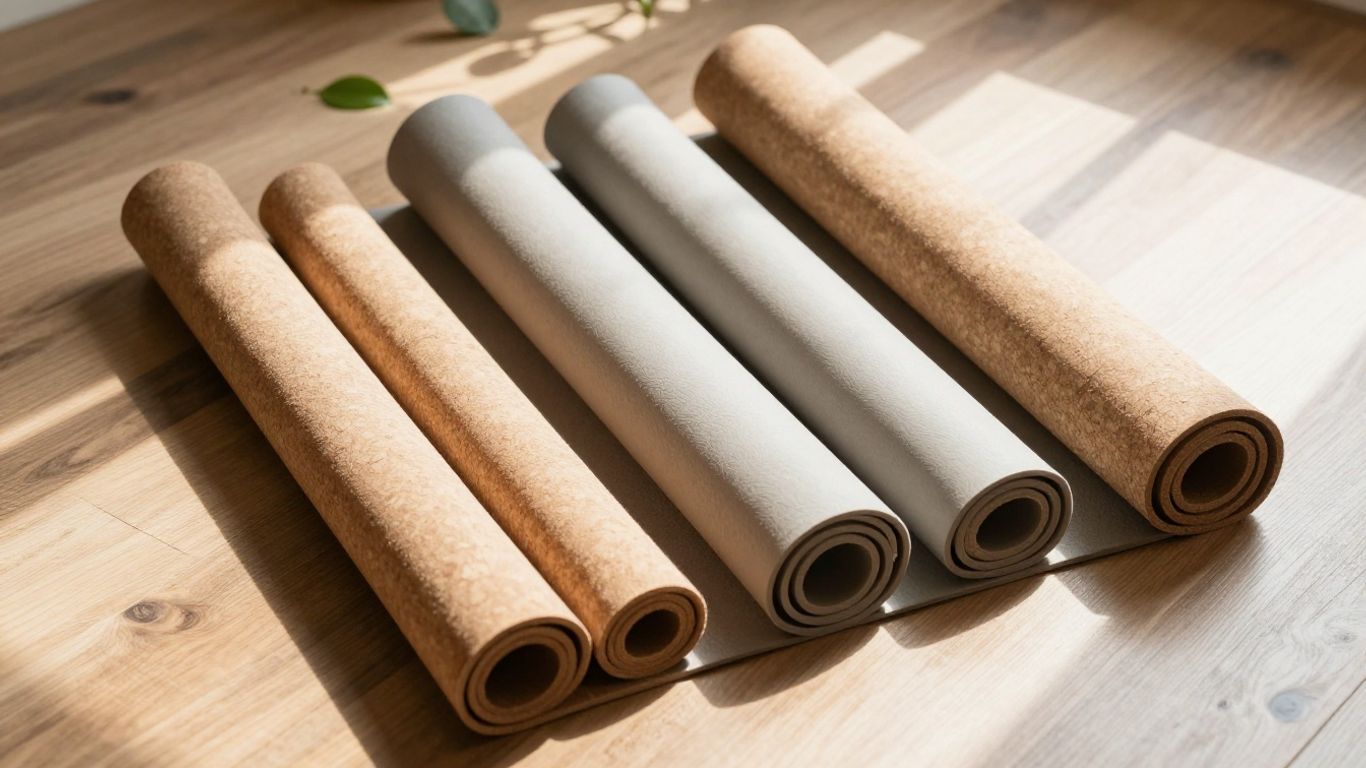
Material affects the feel of every pose, but it also shapes how the mat ages and how much care it needs. PVC, natural rubber, cork, and TPE each create a different balance of traction, weight, odor, and resilience. The best yoga mat material is the one that fits both your body’s preferences and your daily routine. This yoga mat materials guide can help you compare natural and synthetic options side by side.
PVC for durability and dependable traction
PVC mats are widely chosen for their consistent surface and durability. They can offer dependable traction and are often easy to wipe clean after practice. Their feel varies considerably, though, so do not assume every PVC mat has the same level of stickiness or firmness.
A denser PVC mat may feel stable and long-wearing but can be heavier to carry. If you leave your mat at home or in a studio, that may be a reasonable exchange. If you commute with it, check the rolled size and weight before buying.
Natural rubber for grip and eco-conscious shoppers
Natural rubber is often valued for its naturally grippy feel and firm support. It can suit dynamic practice, though some rubber mats have a noticeable smell when new. People with latex sensitivity should read the material details carefully and avoid assuming that “natural” automatically means suitable for them.
Rubber can also be heavier than thin synthetic alternatives. Ask whether the mat’s weight works for your routine, especially if you walk, cycle, or fly with your gear. A rubber yoga mat guide provides more context on grip, care, and the main trade-offs.
Cork and other plant-based surfaces
Cork has a warm, natural appearance and a distinctive touch. Some cork surfaces become more grippy with moisture, while others feel better in dry conditions, so product details matter. Plant-based layers may be paired with rubber or another backing to keep the mat stable on the floor.
Cork can be a thoughtful choice for shoppers who want renewable materials, but sustainability is not only about the top layer. Consider the backing, adhesives, packaging, expected lifespan, and disposal options too. A durable mat that remains useful for years may be preferable to one that needs replacing quickly.
TPE and lightweight synthetic alternatives
TPE mats are synthetic and often selected for their lighter weight and flexible feel. They can be convenient for beginners, travel, or anyone who regularly carries a mat between locations. Their grip and durability differ by construction, so examine the surface rather than judging from the material name alone.
A lightweight mat may be easier to pack but less substantial on a hard floor. If you choose one for travel, consider placing it over a studio or hotel mat when additional cushioning is needed. Material should support your routine, not create another item you have to work around.
Choose the right thickness and dimensions
Thickness is a comfort decision, but it is also a balance decision. Thin mats bring you closer to the floor and usually pack easily; thicker mats soften pressure from hard surfaces. Your height, joint sensitivity, preferred poses, and storage space all belong in the calculation. This yoga mat thickness guide is useful when you are comparing comfort with stability.
When a thin mat improves balance and portability
A thin mat can make standing poses feel more connected to the floor. It also tends to weigh less and fold or roll into a smaller package, which helps if you practice in parks, beaches, hotel rooms, or shared spaces. For frequent travelers, Yune Yoga offers foldable travel mats that are thin, light, and easy to pack.
Thin does not necessarily mean flimsy, but it leaves less room for an uneven floor. On tile or concrete, you may want a second layer underneath. Think about the places you actually practice rather than choosing based on a number alone.
When extra cushioning protects sensitive joints
Extra cushioning can be helpful when your practice includes lots of kneeling, seated work, or reclining poses. It may also make a firm floor more forgiving during longer sessions. However, a very soft mat can make balance poses feel less steady and may compress unevenly under your hands.
If you need more comfort only for certain poses, a small knee pad or folded towel may be more practical than carrying a very thick mat everywhere. That approach keeps the main surface stable while letting you adjust support as needed.
Balancing comfort with stability
The ideal thickness is rarely the maximum thickness. A medium option often gives enough padding for general yoga while preserving a stable platform for lunges, standing poses, and transitions. Pay attention to how quickly the material springs back after pressure, since permanent dents can affect both comfort and balance.
Try a few slow movements on a shop sample if possible. Walk from the front to the back, hold a lunge, and place your knees down. These simple tests reveal more than squeezing the mat with your fingers.
Considering length, width, and storage space
Your mat should give you enough room to lie down without your head or feet extending far beyond the edges. Extra width can feel generous, but it also takes more space in a studio and may be harder to store. Measure the shelf, closet, or travel bag where the mat will live.
Before ordering, compare the packed dimensions with your existing gear. If you carry a towel, blocks, and straps, a compact mat can make the whole setup easier to manage. A travel yoga mat guide can help you weigh portability against grip and durability.
Evaluate grip, texture, and performance
Grip is not one universal quality. A mat can feel secure when dry but change noticeably after a sweaty sequence, or it can grip well while feeling rough against the skin. Texture affects how easily hands and feet pivot, how dirt settles into the surface, and how the mat cleans. This performance mat comparison is a useful reminder to assess grip, size, feel, and durability together.
Wet grip versus dry grip
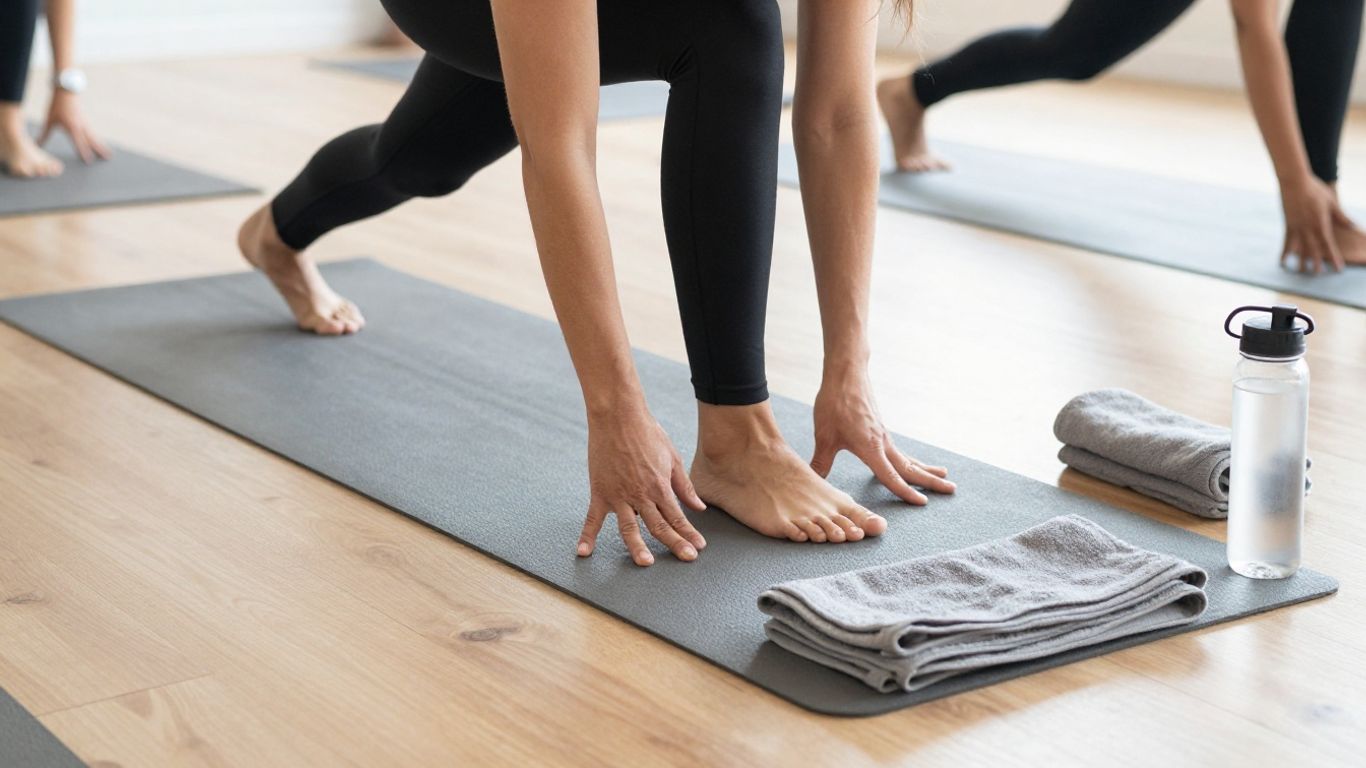
Dry grip matters when you begin practice, but wet grip matters if you sweat heavily or practice in heat. Read descriptions carefully and, where possible, try the mat after a few minutes of movement rather than judging it while standing still. A towel can also change the experience by adding an absorbent layer between you and the mat.
Yune Yoga offers absorbent yoga towels for people who want help managing moisture during practice. A towel should lie flat and stay in place; otherwise, it may create new folds to manage. The right combination depends on whether you prefer direct contact with the mat or a softer, washable surface.
How surface texture affects movement
Texture can range from almost smooth to visibly patterned. A pronounced pattern may provide reassuring traction, while a smoother surface can make transitions feel more fluid. Neither is automatically better, since sensitive skin and personal movement habits vary.
Run a clean hand across the surface and notice whether it feels tacky, woven, or pebbled. Also check the edges and underside. A comfortable top cannot compensate for a backing that slides across the floor.
Avoiding slipping during transitions
Slipping often happens when the mat moves underneath you, when your hands lose contact, or when the surface bunches during a step. Keep the mat on a clean, dry floor and smooth it fully before starting. If the mat is too short for your stance, your feet may repeatedly land beyond the grippy area.
A few practical checks can prevent most surprises:
- Place the mat on the floor you use most often.
- Test both palms and bare feet before a full session.
- Repeat a lunge, plank, and downward-facing dog.
- Notice whether corners curl or the center shifts.
After these tests, you will have a more realistic sense of performance than a product photo can provide. If movement still feels uncertain, a towel or different surface may be the better adjustment.
Breaking in a new mat without damaging it
Some mats feel different after several sessions as the surface settles and manufacturing residue disappears. Follow the care instructions instead of soaking, scrubbing harshly, or leaving the mat in direct sun. Those shortcuts can weaken coatings, fade color, or change the texture.
Use gentle practice at first and pay attention to areas that feel unusually slick. Clean the mat as directed, let it dry completely, and store it loosely enough that it does not develop permanent creases. Patience is safer than trying to force a new surface to change overnight.
A short visual demonstration can be helpful when you are comparing how different textures respond to pressure and movement. Still, your own hands and feet remain the most reliable test.
Consider maintenance, safety, and sustainability
A mat is part of your practice environment, so cleanliness and material safety deserve as much thought as color or price. Sweat, dust, sunscreen, and outdoor dirt can collect quickly, especially when you practice away from home. A simple care routine preserves the surface and keeps odors from becoming a daily nuisance. For a broader yoga mat care guide, compare cleaning and storage advice before choosing a material.
Cleaning routines for different mat materials
Start by checking the manufacturer’s instructions, since coatings and backing materials react differently to cleaners. In general, wipe the surface after sweaty sessions, use a gentle compatible solution when needed, and allow the mat to dry fully before rolling it up. Outdoor practice calls for extra attention to grit trapped under hands and feet.
Avoid assuming that more soap means a cleaner mat. Residue can make a surface slippery and attract dirt. A washable towel used over the mat may reduce how often the mat itself needs deep cleaning.
Odor, latex sensitivity, and material safety
New-material odor usually calls for ventilation and time, not aggressive chemicals. Let the mat air out according to its care instructions, and stop using it if the smell causes discomfort. If you have latex sensitivity, inspect the full material specification, including the backing, before purchase.
“Eco-friendly” and “non-toxic” are not interchangeable promises. Look for specific material information and any relevant testing or certifications rather than relying on broad marketing language. When details are missing, ask the seller directly.
How long a quality mat should last
Lifespan depends on frequency, surface friction, storage, cleaning, and exposure to heat or sunlight. A mat used daily will show wear sooner than one used occasionally, even if both are well made. Watch for persistent curling, cracks, flaking, thinning, or loss of traction.
Replacing a mat before it becomes unreliable is practical, especially if slipping changes how you move. At the same time, regular wiping and sensible storage can prevent premature replacement. Durability is measured in useful practice time, not simply in years owned.
Comparing eco-friendly claims and durability
Sustainability involves the entire ownership cycle: what the mat is made from, how long it lasts, how it is cared for, and what happens when it is no longer usable. Natural or recycled content may be meaningful, but a short-lived product can still create more waste through repeated replacement.
Compare specific claims instead of choosing by a green color palette or vague label. For another perspective on eco-friendly yoga mats, pay attention to renewable content, odor, and wet-or-dry grip claims while keeping the source’s scope in mind.
Find the best yoga mat for your budget
Price can signal construction quality, but it does not guarantee that a mat suits your practice. A budget mat may be perfectly adequate for occasional gentle sessions, while a frequent traveler may gain more from a lighter design that is easier to carry. Think in terms of cost per comfortable, dependable use. This beginner yoga mat guide is a sensible starting point if you are buying your first mat.
What to expect from budget-friendly mats
Lower-priced mats commonly offer basic cushioning and a simple surface. They may be lighter on your wallet and easy to replace, but they can also curl, compress, or lose traction sooner. Read reviews for recurring comments about odor, peeling, and floor grip rather than focusing only on the star rating.
For occasional practice, those limitations may not matter. For daily use, a slightly more durable option can be cheaper over time. Store a budget mat away from heat and clean it gently to give it the best chance of lasting.
When a premium mat is worth the investment
A premium mat may be worth considering when you practice often, need dependable traction, or want a particular material and size. It can also make sense when replacing a series of inexpensive mats has become frustrating. The value comes from matching construction to repeated use, not from a high price by itself.
Before paying more, identify the feature you are buying: a stable base, a durable surface, low weight, or extra room. For example, Manduka performance mats include options described for practices ranging from Vinyasa to Hot yoga, along with lightweight travel options and a high-traction option. Treat those as documented product choices, not a promise that every mat suits every person.
Features that matter more than brand reputation
A familiar name can make shopping easier, but it should not replace checking specifications. Look at grip, thickness, dimensions, weight, cleaning instructions, and the materials that actually touch the floor and your skin. If you shop online, seek out independent mat testing that explains how products were evaluated rather than relying on a short list of winners.
The same careful reading applies when browsing unrelated recommendations. You may encounter streaming alternatives, a Barcelona property guide, a credit repair comparison, or an intimate hygiene routine while researching online; those topics have nothing to do with choosing a yoga mat, so keep your sources and claims clearly separated. For business readers, even a managed IT services guide illustrates the general value of checking scope and promises rather than trusting labels.
A practical checklist before buying
Before you click purchase, reduce the decision to a few questions. This keeps attractive colors and persuasive copy from overshadowing the features you will actually use.
- What style of yoga or movement will fill most sessions?
- Do you need stronger wet grip, softer cushioning, or both?
- Is the material suitable for your sensitivities and cleaning routine?
- Will the packed size fit your home, bag, or travel schedule?
- Does the expected lifespan justify the price?
Once you answer those questions, compare only the mats that meet your non-negotiables. Yune Yoga also offers durable yoga straps, which can be a practical addition when you want a portable setup with simple accessories. The best purchase is the one you will use consistently and carry without resentment.
Conclusion
The best yoga mat is not necessarily the thickest, grippiest, greenest, or most expensive option. It is the one that supports your usual movements, feels appropriate on the surfaces where you practice, and fits your cleaning habits and budget. Start with your real routine, then choose the material, dimensions, and portability features that make showing up easier.
Frequently Asked Questions
What is the best yoga mat for beginners?
A medium-thickness mat with dependable dry grip, moderate cushioning, and a manageable weight is a sensible starting point. Beginners should prioritize comfort and stability over specialized features they may not yet need.
Is a thicker yoga mat better?
A thicker mat can feel more comfortable for kneeling and floor-based poses, but it may reduce balance and add weight. Choose enough cushioning for your joints without making standing work feel unstable.
Which yoga mat material has the best grip?
Grip varies by construction, finish, and moisture level, so no single material wins for everyone. Natural rubber, PVC, cork, and TPE can all feel different in dry and sweaty conditions.
How do I choose a yoga mat for hot yoga?
Prioritize wet grip, a stable backing, and easy cleaning. An absorbent towel can add a washable layer, but test whether it stays flat and secure during transitions.
Are natural rubber yoga mats safe for everyone?
Natural rubber may not be suitable for people with latex sensitivity. Check the complete material information and follow the manufacturer’s safety guidance before using one.
How often should I clean my yoga mat?
Wipe it after sweaty or outdoor sessions and clean it more thoroughly as the care instructions allow. Always let it dry completely before storing it.
Can I use one yoga mat for yoga and Pilates?
Yes, if its cushioning and stability suit both activities. A medium-supportive mat is often a reasonable compromise, while highly padded mats may feel less stable for standing yoga poses.

