
What Is a Cross-Training Yoga Mat? Your 2026 Guide
A cross-training yoga mat is a hybrid fitness mat engineered to handle both yoga practice and high-impact workouts on a single surface. Standard yoga mats and exercise mats each solve one problem well. A cross-training mat solves both, combining the sticky grip needed for barefoot yoga with the cushioning and durability required for burpees, kettlebell work, and HIIT circuits. These mats typically range from 5–8mm thick, landing between the thin profile of a traditional yoga mat and the heavy padding of a gym exercise mat. If your training mixes yoga, strength, and mobility work, this mat category was built for you.
What is a cross-training yoga mat, and how does it differ from standard mats?
A cross-training yoga mat, also called a hybrid fitness mat, is defined by three design priorities: versatile grip, moderate cushioning, and surface durability. Standard yoga mats prioritize barefoot traction on smooth floors. Standard exercise mats prioritize thick padding for floor-based movements. A hybrid mat sits between both, making deliberate trade-offs so neither discipline suffers.
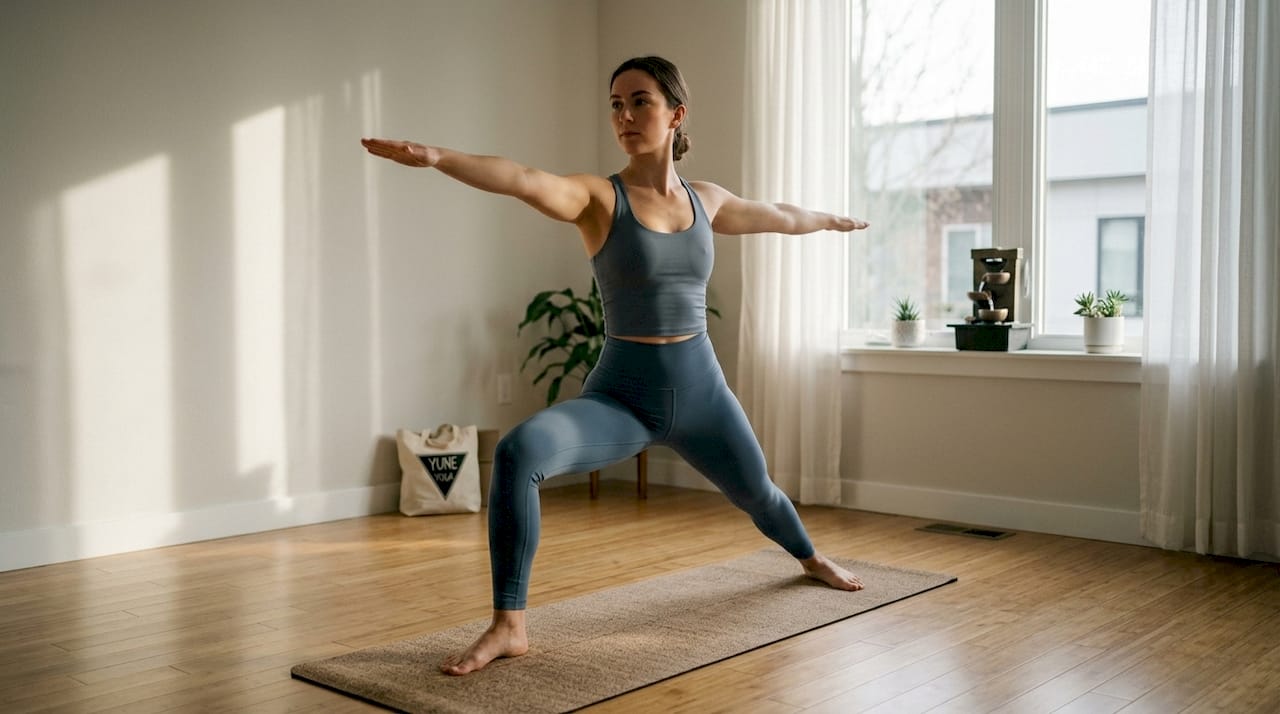
The surface tells the story. Yoga mats have sticky, textured tops designed for bare feet, while exercise mats use firmer, smoother surfaces that resist shoe contact and heavy sweat. A cross-training mat uses a dual-texture surface: grippy enough for Warrior III, durable enough for lateral shuffles in sneakers. That surface engineering is what separates it from either category.
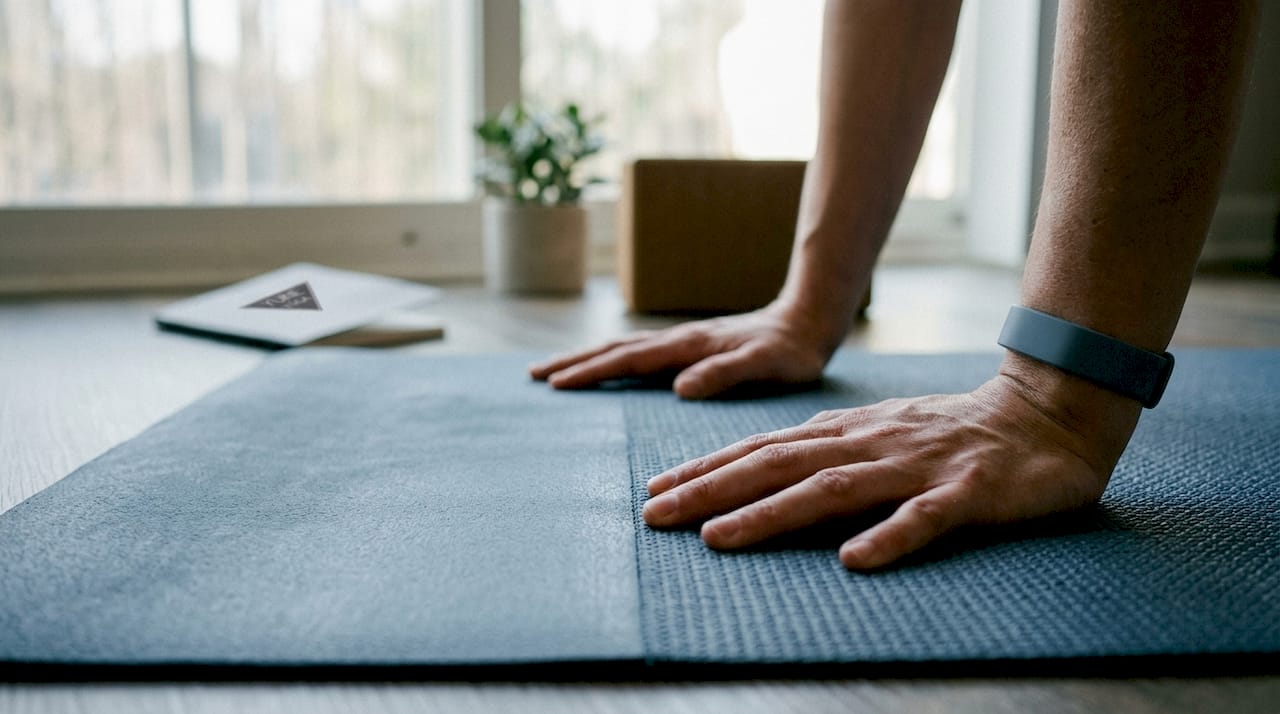
Thickness is the other major variable. A 10–15mm fitness mat cushions joints well during floor exercises but reduces balance feedback in standing yoga poses. A 6mm hybrid mat delivers enough cushioning for impact absorption while keeping you close enough to the floor to feel stable in single-leg balances. That 6mm zone is where most cross-training mats land.
Weight is a real trade-off. Hybrid mats can weigh over 9 lbs, compared to the 2–5 lbs typical of a standard yoga mat. That extra weight comes from denser foam and thicker construction. It matters if you commute to a gym or studio, so portability is worth factoring into your decision.
| Feature | Standard yoga mat | Exercise mat | Cross-training mat |
|---|---|---|---|
| Thickness | 3–6mm | 10–15mm+ | 5–8mm |
| Surface grip | High (barefoot) | Low to moderate | High (barefoot and shoe) |
| Cushioning | Low to moderate | High | Moderate |
| Shoe-friendly | No | Yes | Yes |
| Portability | High | Low | Moderate |
| Best for | Yoga, Pilates | Floor strength work | Mixed modality training |
What are the benefits of a cross-training yoga mat for diverse workouts?
The core benefit of a cross-training mat is joint protection without sacrificing stability. High-impact moves like jump squats and box step-downs send force through your ankles, knees, and hips. A mat with moderate density absorbs that force without creating the wobbly, unstable surface that thick foam produces.
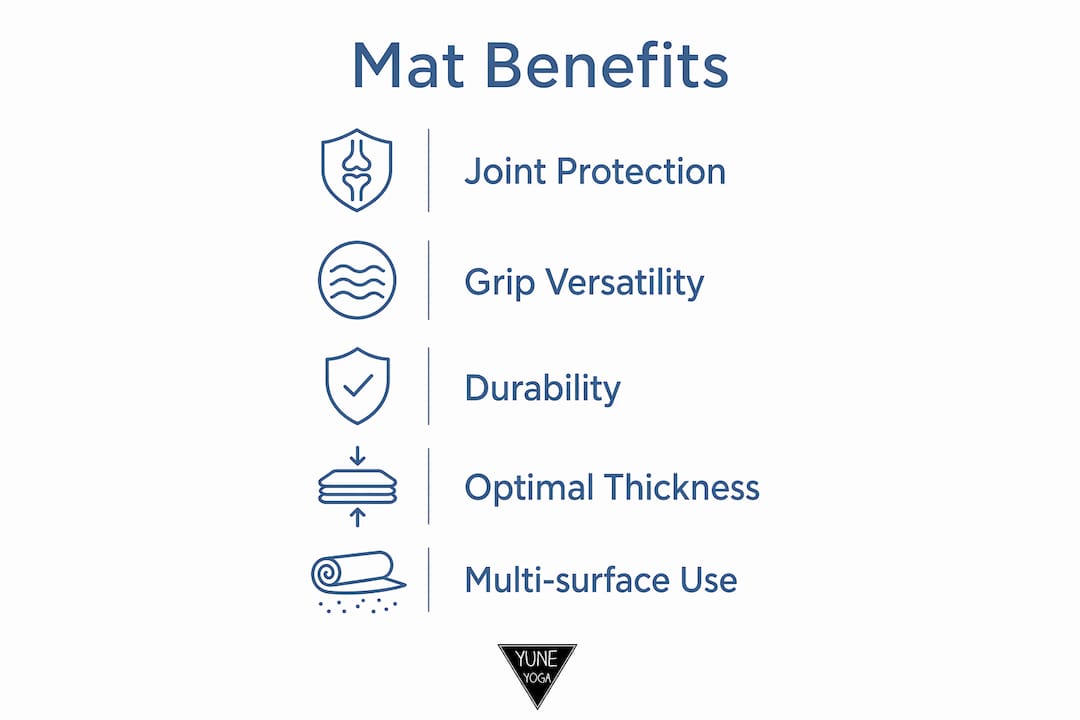
Grip versatility is the second major advantage. Grip requirements differ by activity: barefoot grip is vital for yoga, while shoe grip and durability matter for strength and HIIT movements. A hybrid surface handles both without requiring you to swap mats mid-session. That continuity keeps your workout flowing and reduces setup friction.
Yoga integrated into cross-training delivers measurable athletic benefits beyond the mat itself. Short yoga sessions improve recovery and injury prevention for athletes, with guidance suggesting 10-minute sessions two to four times weekly produce real results. A cross-training mat makes those sessions easier to fold into a broader training week because you never need to pull out a second surface.
Yoga as cross-training enhances proprioception, injury prevention, and mental focus, complementing high-impact and endurance activities. Proprioception, your body’s sense of its own position in space, improves when you train on a surface that gives you accurate tactile feedback. A mat that is too thick muffles that feedback. A hybrid mat preserves it.
- Joint protection: Moderate cushioning absorbs impact from jumps and lateral movements without destabilizing standing poses.
- Dual-surface grip: Handles barefoot yoga and shoe-based strength work on the same mat.
- Workout continuity: No mid-session mat swaps means fewer interruptions and better training flow.
- Recovery support: A stable surface for mobility and yoga cooldowns reduces post-workout soreness.
- Injury resistance: Consistent grip and cushioning reduce the risk of slips and joint overload during mixed workouts.
Pro Tip: If your sessions include both yoga flows and weighted movements, look for a closed-cell mat surface. Closed-cell construction repels moisture and sweat, which matters when you go from burpees straight into downward dog.
How to choose the best yoga mat for cross-training
Choosing the right mat starts with one question: what position do you spend the most time in? Standing balance work favors thinner mats with high surface stability, while floor-based strength work favors thicker mats. Most cross-trainers split time between both, which is exactly why the 5–8mm hybrid range exists.
-
Identify your dominant workout type. If your sessions are 70% yoga and 30% HIIT, lean toward a 5–6mm mat with strong barefoot grip. If strength training dominates, a 7–8mm mat with a shoe-durable surface makes more sense.
-
Test grip in both conditions. A mat that grips well when dry but turns slick when sweaty fails half your workout. Look for mats with open or closed-cell textures rated for wet conditions.
-
Check the mat dimensions. Taller athletes and those who do wide-stance movements need a wider, longer mat. Yuneyoga’s guide to mat dimensions breaks down how size affects performance across different workout types.
-
Factor in portability. A mat over 9 lbs works fine in a home gym. For studio or gym travel, look for mats in the 5–7 lb range with a carry strap or bag.
-
Consider accessories over thickness. Using knee pads is more strategic than relying on an overly thick mat, which can impede balance. A 6mm mat plus a knee pad gives you targeted cushioning without sacrificing stability across the whole surface.
Pro Tip: Before buying, check the ultimate yoga mat guide at Yuneyoga. It covers material types, thickness trade-offs, and grip ratings across different practice styles, saving you from a costly mistake.
Common misconceptions about cross-training mats
The biggest misconception is that any yoga mat works for cross-training. A standard 3mm yoga mat provides almost no impact absorption for jumping movements and will degrade quickly under shoe contact. The surfaces are simply not built for that kind of stress. Using the wrong mat increases injury risk and shortens the mat’s life.
The second misconception is that thicker always means better. A 10–15mm mat cushions joints well but destabilizes standing balance poses. Thick foam compresses unevenly under a single foot, making balance work genuinely harder. Athletes who switch from a thick exercise mat to a 6mm hybrid often report that their balance poses improve immediately, not because of skill, but because the surface gives accurate feedback.
Durability is also underestimated. Cross-training mats take more abuse than yoga-only mats. Shoe soles, weights set down on the surface, and high-sweat sessions all degrade materials faster. Closed-cell foam and natural rubber constructions hold up better than open-cell PVC mats under those conditions. Maintenance matters too: wipe the surface after every shoe-contact session to prevent material breakdown.
Finally, one mat rarely fits every need perfectly. Active flexibility requires strength to control range of motion, not just stretching. A practitioner doing deep restorative yoga needs a different surface than one doing power yoga followed by deadlifts. Knowing your primary use case helps you choose a mat that performs well most of the time, even if it is not perfect for every session.
Key Takeaways
A cross-training yoga mat is the most practical single-surface solution for fitness practitioners who combine yoga with strength, HIIT, or mobility training.
| Point | Details |
|---|---|
| Optimal thickness is 5–8mm | This range balances joint cushioning with the stability needed for standing yoga poses. |
| Dual-surface grip matters | The mat must handle both barefoot yoga and shoe-based movements without slipping. |
| Closed-cell construction is best | It repels sweat and moisture, keeping grip consistent across mixed-intensity sessions. |
| Match mat to dominant workout | Identify whether you spend more time standing or on the floor before choosing thickness. |
| Accessories extend mat performance | Knee pads add targeted cushioning without the stability loss that thick mats create. |
My honest take on hybrid mats after years of mixed training
I have trained on everything from 3mm travel mats to 15mm gym pads, and the honest truth is that most fitness practitioners buy the wrong mat because they think about yoga and cross-training as separate activities. They are not. The moment you add a HIIT block to a yoga session, or cool down with mobility work after lifting, you are already cross-training. Your mat should reflect that reality.
The 6mm hybrid is the right call for most people. It is not perfect for deep restorative yoga, and it is not perfect for heavy barbell work. But it handles 90% of what a mixed-modality athlete actually does in a session. The practitioners I have seen struggle most are those who buy a 3mm yoga mat and then wonder why their knees hurt during jump lunges, or those who buy a 15mm gym mat and then cannot hold tree pose without wobbling.
Choosing based on your most common position is the single most useful framework I have found. Ignore the marketing language about “premium cushioning” or “superior grip” unless you know what position you will be in when that feature matters. Buy for your training reality, not your training ideal.
— Nicholas
Yuneyoga’s mats for versatile training
Yuneyoga builds mats for practitioners who do not fit neatly into one fitness category.

The Yuneyoga collection includes natural rubber mats and eco-friendly options designed for grip, durability, and surface performance across multiple workout types. Each mat is built with materials that hold up to the demands of mixed training, from sweaty power yoga to floor-based strength circuits. The product range also includes yoga straps and towels that pair well with a cross-training mat, giving you a complete surface setup for any session. If you are ready to find the right mat for your training style, the full Yuneyoga mat collection is a practical starting point.
FAQ
What is a cross-training yoga mat?
A cross-training yoga mat is a hybrid fitness mat, typically 5–8mm thick, designed to provide grip, cushioning, and durability for both yoga practice and high-impact or strength-based workouts on a single surface.
How thick should a cross-training mat be?
A 6mm mat is the most effective thickness for most cross-trainers. It cushions joints during impact movements while keeping enough floor contact for stable standing yoga poses.
Can I use a regular yoga mat for cross-training?
A standard 3mm yoga mat lacks the cushioning for high-impact moves and degrades quickly under shoe contact. A hybrid mat built for mixed use performs significantly better and lasts longer.
What should I look for in a cross-training mat?
Prioritize a 5–8mm thickness, a dual-texture grip surface that handles both bare feet and shoes, closed-cell construction for moisture resistance, and dimensions that fit your widest workout stance.
Does yoga actually help with cross-training performance?
Yes. Yoga improves core strength, proprioception, and injury resistance. Short sessions two to four times weekly produce measurable recovery and performance benefits for athletes in strength and endurance sports.


