

The complete guide to effective yoga strap poses
Key Takeaways
Using a strap transforms your practice by providing extra reach and support. These simple tools help you maintain structural integrity across various movements, ensuring you derive physical benefits while minimizing the risk of discomfort.
- Straps act as an extension of your own reach.
- Proper loop creation prevents shifting during balance work.
- Focus on alignment rather than forcing final positions.
- Consistent breathing guides your depth in static holds.
- Props support muscles in finding a relaxed state.
Getting started with your yoga strap
Starting your journey with a 10 effective ways to use a yoga strap can significantly improve your setup. Whether you are aiming for deeper stretches or better structural support, understanding the basics ensures you get the most out of your gear. A simple, durable nylon or cotton strap is a must for any practitioner looking to enhance their range.
Choosing the right strap length and material
Most practitioners prefer a six- to eight-foot strap to accommodate various body types and reaches. Look for a material that feels comfortable against the skin while remaining sturdy enough to hold your weight without stretching. Yune Yoga offers durable yoga straps that stand up to daily use in various environments.
Essential safety tips for beginners
Safety starts by honoring your body's current limitations rather than pushing blindly for a finish line. Never jerk the strap to force a deeper stretch, as this can strain tendons and ligaments. Always listen for signals from your joints that indicate you might be overloading the connective tissue.
How to create a secure loop
Thread one end of your strap through the D-ring or buckle until you establish a firm, adjustable circle. Pulling the tail end creates a slip-knot style tension that holds fast during seated poses. A secure loop ensures the strap stays in place around your feet or arms without slipping halfway through your movement.
Positioning the strap for maximum leverage
Proper leverage involves keeping your anchor point secure across the arch of your foot or the base of your shoulders. You want the strap to bear the load of your limbs so your torso can remain spacious and long. When positioned correctly, you can direct your energy into the specific muscle group that requires the most focus.
Standing yoga strap poses for balance and strength
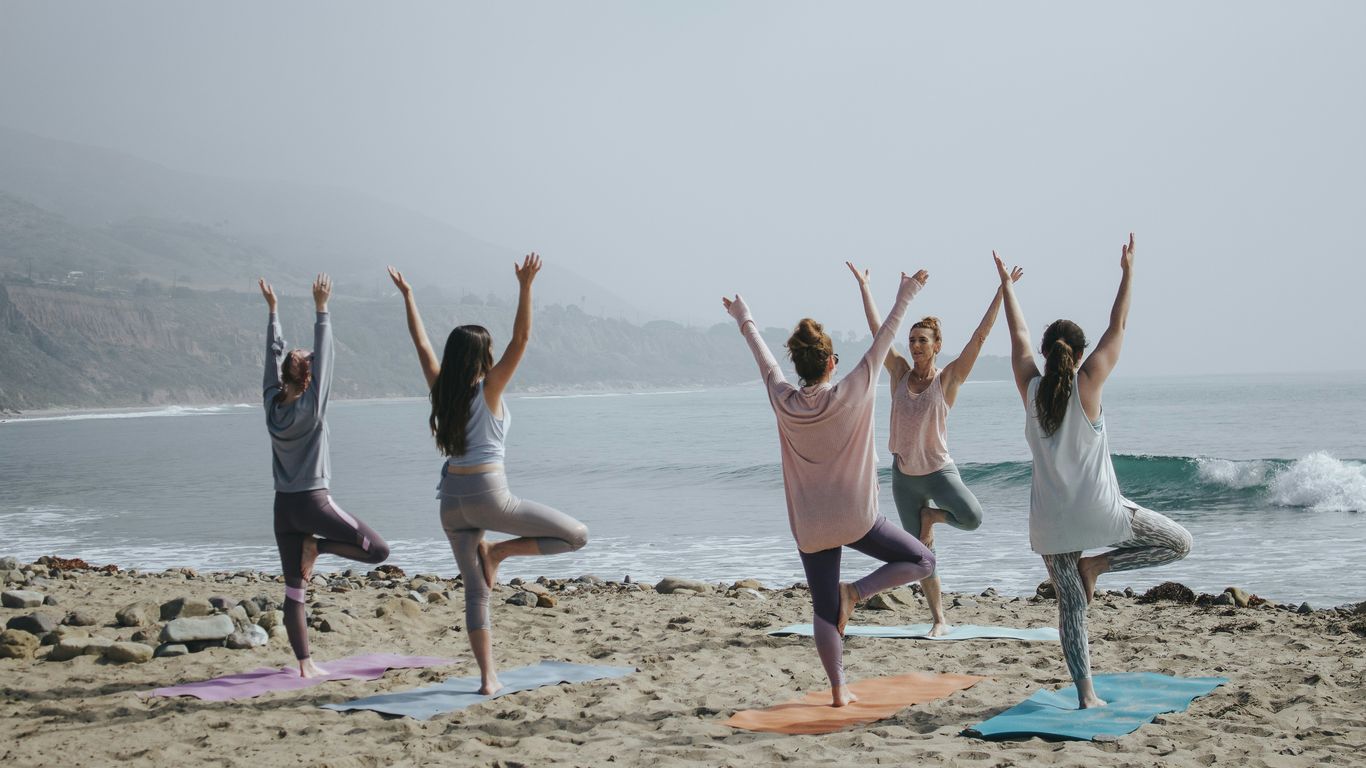
Standing exercises are often where we most keenly feel the need for support, especially when stabilizing our core is the priority. By integrating props into these shapes, you can create more stable foundations for your body to inhabit during challenging postures.
Extended hand-to-big-toe pose variations
Looping the strap around the ball of your raised foot allows your leg to extend naturally while keeping your standing hip inline. You save yourself from the common tendency to hike the hip or round the spine to catch the toe. This version keeps your central channel firm and helps you hold the balance with greater ease.
Supporting your Dancer's pose alignment
In Dancer’s pose, the strap acts as an artificial arm, bridging the gap between your hand and your back foot. It helps you keep your chest lifted and square to the front of the room instead of collapsing. Many find that adding this degree of separation helps them focus more on the chest opening than the struggle of the reach.
Enhancing stability in Warrior III
Use your strap to create a horizontal bridge across the back of your lifted heel. Holding the ends of the strap with your hands forces your shoulders to stay back and your heart to remain open. Consider the following utility breakdown for managing your strap during these standing sequences:
| Pose | Primary Focal Point | Strap Application |
|---|---|---|
| Warrior III | Core Stability | Across the back heel |
| Dancer's | Hip Extension | Wrapped around foot |
| Hand-to-toe | Hamstring Lengthening | Ball of the foot |
You can move through these poses more confidently once the strap takes over the demand for pure reach.
Using a strap to master Eagle arms
Eagle arms can feel restrictive if your range of motion in the shoulders is limited. If you cannot touch your palms together, hold the strap between your hands to maintain the connection. This promotes a feeling of length across the upper back and keeps the chest broad without forcing an uncomfortable bind.
Seated yoga strap poses for spinal flexibility
Seated transitions benefit greatly from the stability props provide, allowing your nervous system to settle. Utilizing a beginner-friendly guide ensures you move through these shapes with awareness of your joints and muscles.
Adjustments for a deeper seated forward fold
Place the strap around the soles of both feet to help keep your spine long as you lean forward from the hips. Maintaining this connection allows you to fold without rounding, fostering a more effective stretch along the hamstrings. Reach the Yune Yoga brand quality for gear that handles these seated tensions comfortably.
Support for the hips in Bound Angle pose
If your knees feel elevated and tight, use a strap to bind your feet toward your pelvis while supporting the outer thighs. This creates a supported container where the hips can eventually release. It provides a tactile feedback loop that encourages the inner thighs to relax deeper into the floor.
Navigating tight shoulders in Cow Face arms
Cow Face pose requires significant openness, and the strap is the perfect bridge for your hands. Hold the strap behind your back, letting it hang from the top hand toward your bottom hand. Inch your fingers closer together along the material as you find more space in the chest and armpits.
Improving posture in Easy seat
When sitting for an extended period, wrapping a strap around your hips and lower shins can help support an upright spine. This passive tension assists your core in remaining engaged without having to exert constant active effort. It is a staple technique for those who find their back tiring during long sessions.
Restorative yoga strap poses for deep relaxation
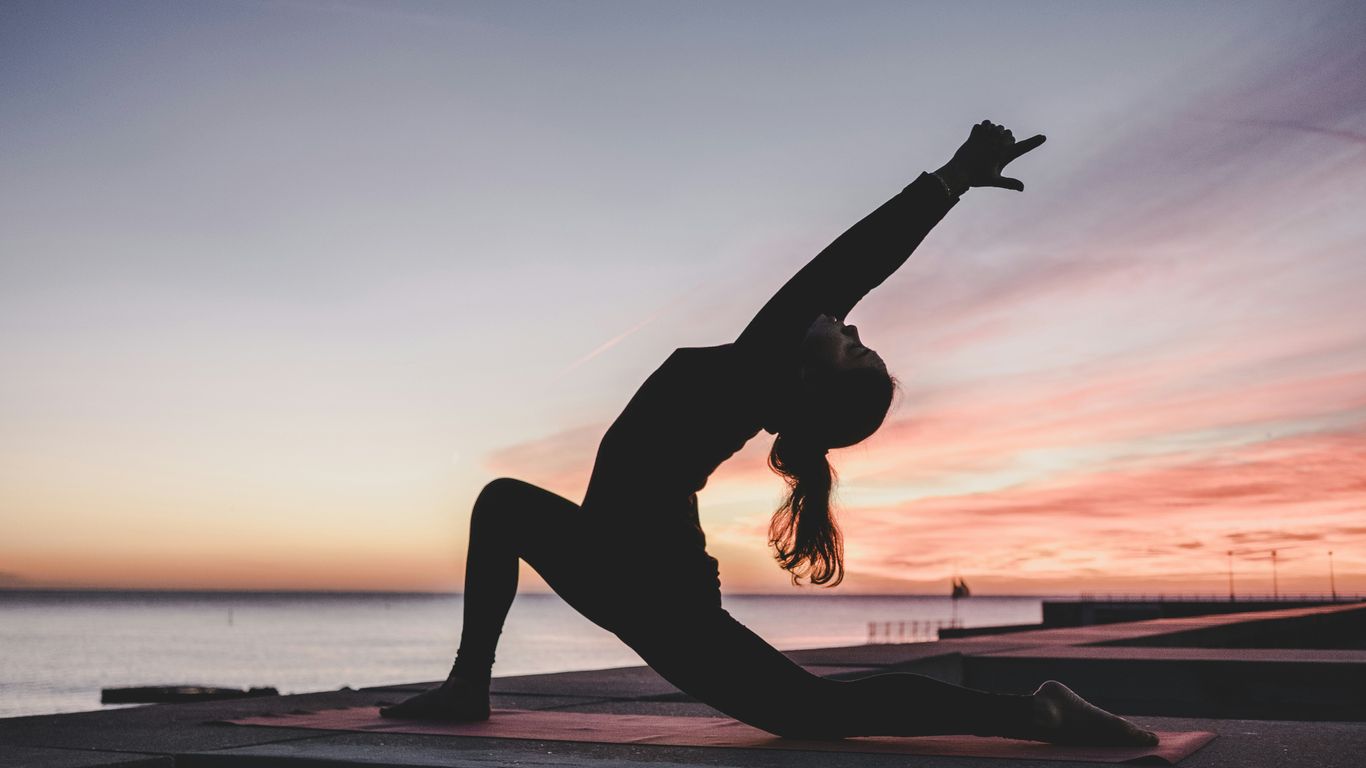
Restorative work is about letting go of effort so the body can naturally shift toward parasympathetic tones. These 12 restorative yoga poses demonstrate how props create the safety necessary for true relaxation throughout the entire nervous system.
Supporting Reclining Bound Angle pose
Looping the strap around the sacrum and the outer blades of the feet creates a gentle pull that softens the hip joints. You can lie back onto your mat, knowing the strap is maintaining the shape for you. This allows your breath to fill the torso without the interference of muscular holding.
Easing into Legs-up-the-wall with a strap
If you find supporting the legs manually is taxing, use a strap to hold your limbs together gently in vertical positions. This prevents the legs from splaying outward too far and keeps the muscular effort minimal. It is an excellent way to invite blood flow back towards the heart during busy recovery days.
Reclining hand-to-big-toe pose technique
While lying on your back, extend one leg toward the ceiling using the strap for support and relax your arms. This allows the weight of your leg to be completely supported, which promotes a deep, passive release in the hamstring. Yune Yoga gear is designed to be comfortable and grippy, perfect for these long, held-down stretches.
Gentle spinal twists with strap assistance
When twisting on your back, place the strap around your foot and use it to guide your leg across the body. This provides a soft, adjustable pull that encourages the lower spine to decompress. You gain the advantage of a deeper rotation without having to force your body into a constrained position.
Incorporating straps into heart-opening postures
Heart openers are exhilarating but often prone to strain if accessed too abruptly. By using internal supports, you ensure the thoracic spine initiates the movement rather than the vulnerable lumbar. Utilizing helpful yoga strap stretches allows you to approach these heart-openers with gradual control.
Chest alignment in Camel pose
Camel pose can be intimidating, but placing a strap around your chest and anchoring it can help prevent collapse. Use it to keep your shoulders broad and your heart lifting toward the ceiling as you reach for your heels. This ensures you are not pinching your lower back during the process.
Bow pose grip modifications
If you find grabbing your ankles in Bow pose restricts your breathing, try looping straps around each ankle. Hold the tails of the straps to pull your legs toward your head, keeping your torso elevated. This enables a wider grip that facilitates more openness in the shoulder blades.
Opening the shoulders in Bridge pose
Bridge pose is a fantastic way to engage the upper back, but using a strap between your hands can take the stretch further. Keep the strap pulled taut as you press your palms into the floor to lift your chest higher. It forces the muscles around the shoulders to remain engaged the entire time.
Utilizing straps for Pigeon pose variations
In Pigeon pose, loop the strap around your back foot and drape the tail over your shoulder to bring your heel closer. This keeps your torso centered and upright instead of falling toward one side. You get all the benefits of the deeper reach while staying square to the front of the mat.
Troubleshooting common mistakes with yoga strap poses
Correcting your approach ensures you stay injury-free and consistent with your goals. Avoiding these pitfalls will keep your practice sustainable and enjoyable for the long haul. Remember that the goal is always to improve your quality of life through mindful movement.
Over-pulling and straining the joints
Many newcomers mistake the sensation of sharp, pulling pain for progress in flexibility. If you feel a pinching sensation near the joint, immediately back off and loosen the strap tension. Your connective tissues require a slow, incremental approach that favors long-term health over immediate depth.
Relying too heavily on the prop
While props provide critical support, they should ultimately serve as tools for gaining awareness rather than life-long crutches. Aim to notice the engagement of your own muscles during the pose, even while using the strap. Eventually, the prop should verify that you have found your own muscular balance point.
Ignoring your breath during deep stretches
Breath acts as your primary barometer; if it becomes ragged or held, your body is likely signaling stress. Conscious, fluid breathing helps the nervous system accept the position instead of fighting against it. If you find your breath faltering, simply reduce the strap tension until you can return to a smooth pattern.
Correcting incorrect strap tension techniques
Inconsistent tension often results from poor hand placement or a loose loop. Ensure your grip is firm but not white-knuckled, and adjust the strap length before you commit your full weight. Taking a few extra seconds to calibrate the straps properly at the start will make your transition into the pose effortless.
Conclusion
Integrating the right props into your routine turns challenging sequences into accessible habits that focus on long-term growth and structural alignment. By mindfully choosing your strap and applying it with intention, you create a supportive environment that allows your practice to evolve naturally at its own pace.
Frequently Asked Questions
Can I use a regular belt if I do not have a yoga strap?
While a regular belt might function in a pinch, it lacks the length and reliable buckle mechanism necessary for most poses safely. Standard straps are designed with specific weight-bearing capacity and non-slip materials that make them significantly more reliable.
How often should I incorporate these poses into my routine?
You can use these props in your practice as often as you like, especially if you focus on gentle restorative stretches. Integrating them a few times per week is generally sufficient to notice improvements in range and consistency.
Should the strap feel tight the moment I enter a pose?
It is better to start with the strap slightly loose and gradually increase the tension as your body warms up. Entering a stretch at maximum tension can lead to overshooting your capacity and cause unnecessary strain on the muscles.
Are these strap adjustments good for advanced practitioners too?
Experienced practitioners frequently use straps to refine alignment and reach targets that would otherwise be inaccessible. Props are not just for beginners; they remain valuable for anyone looking to deepen their precision and maintain form.
What if my strap keeps slipping or loosening while I am holding a pose?
Check your buckle assembly before getting into the pose to ensure the fabric is threaded correctly. A properly tightened loop should hold firm under constant pressure without needing constant adjustment throughout your hold.
Is it normal to feel a bit of trembling when using a strap for support?
Muscle trembling is often a sign of fatigue or your nervous system adapting to a new range of motion. If the shaking is mild, it is usually fine, but if it is accompanied by sharp discomfort, relax your intensity.
Can cleaning my yoga strap affect the grip or material strength?
Most straps can be hand-washed with mild soap and air-dried to maintain their integrity. Avoid harsh chemicals or industrial dryers, as these can break down the fibers and reduce the durability of your gear over time.

